
What you should know
- Investment strengthens winter preparedness, expands year-round composting and advances major sewer infrastructure to protect Gowanus Canal
NEW YORK — Mayor Zohran Kwame Mamdani, Department of Environmental Protection (DEP) Commissioner Lisa F. Garcia and Department of Sanitation (DSNY) Commissioner Gregory Anderson today announced the completion of $24 million in new snow operations and composting facilities in Gowanus, Brooklyn.
Funded, designed and constructed by the DEP, the DSNY facilities make way for critical sewer infrastructure, including an underground storage tank that will intercept and store up to 4 million gallons of sewage that would otherwise flow into the Gowanus Canal during rainstorms.
The 7,600-square-foot snow operations facility can store 6 million pounds of road salt — a first line of defense against dangerous conditions. Salt slows snow accumulation, improves plowing and helps keep New Yorkers moving safely during winter storms.
Built to support that capacity, the facility includes a reinforced underground support structure to distribute the weight, as well as storage for up to 75 plow blades and brine tanks. Rooftop solar panels generate 79,600 watts of renewable energy to power lighting and equipment on-site.
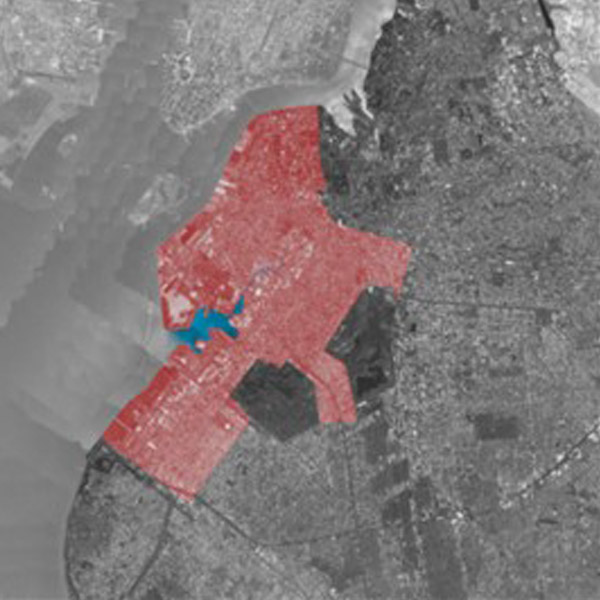
Area served by DSNY Gowanus Snow Operations Facility
The composting facility, operated by Big Reuse, can process 600,000 pounds of food scraps, yard waste and wood chips each year, turning waste into a resource for New York City communities.
“There’s no better way to close out a tough winter than by opening a facility capable of storing six million pounds of road salt and 75 plow blades,” said Mayor Mamdani. “This is what public service looks like: the year-round, often unseen labor of City workers who make our streets safer and our environment healthier. Through collaboration between DEP and DSNY, this site offers a laundry list of public goods, from rooftop solar panels to a composting facility that can process 600,000 pounds of waste each year.”
“Built by DEP, DSNY's new snow and composting facilities are public excellence at work, showing what is possible when city agencies collaborate efficiently and effectively,” said Deputy Mayor for Operations Julia Kerson. “These facilities will ensure our neighbors in Brooklyn are prepared for the next blizzard while advancing our work to reduce pollution in our waterways and expand composting citywide.”
“Every season now tests our resilience, and New York City is meeting that challenge with smart, climate ready investments,” said DEP Commissioner Lisa F. Garcia. “The new snow operations facility will ensure Brooklynites are protected before, during and after snowstorms and extreme cold like we saw in February, while renewed composting operations in the Gowanus community will help curb harmful greenhouse gas emissions. Also, once complete, the new wastewater infrastructure will significantly reduce sewer overflows into the Gowanus Canal, protecting the waterway against more frequent rainstorms.”
“Expanded composting capacity and a new crown-jewel of snow operations mean that New Yorkers will have safer streets and greener gardens,” said Sanitation Commissioner Gregory Anderson. “From the beginning, we were clear that cleaning up the Gowanus Canal could not come at the expense of critical Sanitation services. DEP heard this message, and they delivered. I am proud to cut this ribbon alongside so many partners and advocates today.”
The design of the snow operations facility, by Selldorf Architects, reflects Gowanus’ industrial character, incorporating sculptural concrete and textured metal. The project followed extensive public engagement to ensure it aligns with the neighborhood’s history and community priorities.
Construction was sequenced to maintain uninterrupted winter service during the 2024-25 season using a temporary salt storage facility. Since the facility’s completion in January, sanitation crews have continued to deliver seamless, reliable service through one of the largest snowstorms in recent history.
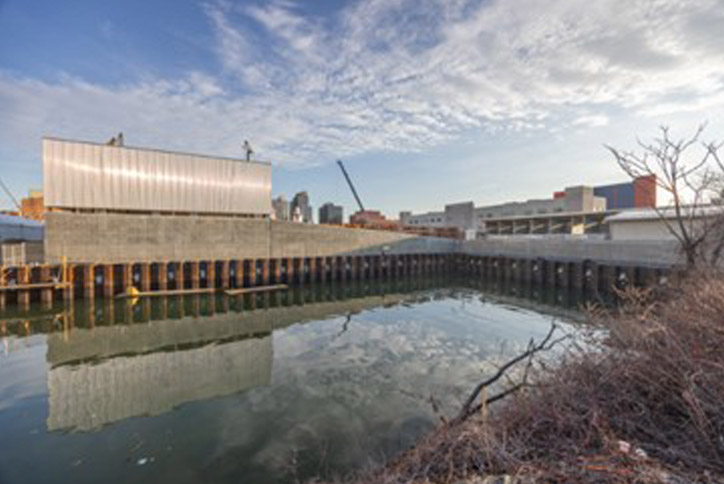
Completed facilities viewed from the Gowanus Canal’s 6th Street Turning Basin

Completed snow operations facility
“Today is a powerful example of what it looks like when a community fights for climate infrastructure and wins,” said Council Member Shahana Hanif. “The return of composting at the Salt Lot builds on years of organizing and ensures that food waste is turned into a resource that stays right here in our neighborhood. And beneath our feet, critical investments like the CSO tank will help keep sewage out of the Gowanus Canal and make our infrastructure more resilient. This is exactly the kind of environmental and community-centered investment we pushed for during the Gowanus rezoning, and we will keep working to make sure every promise is delivered.”
“I'm thrilled to celebrate the completion of the new sanitation and composting facilities, which also allows us to install the second CSO tank. This is a win-win, as the new facilities and tank will not only improve the water quality in the Gowanus Canal, but also strengthen our city's ability to manage snow operations and expand composting. I am grateful to the Mayor's Office, DEP and DSNY for their work and partnership in bringing this project to completion,” said Assembly Member Jo Anne Simon.
“Big Reuse is excited to reopen our community composting site in Gowanus! Big Reuse has worked over the last decade in partnership with DSNY to develop and operate innovative composting programs and systems to support parks, communities, and green infrastructure. We are thrilled by the remarkable efforts of the entire team at DEP, who collaborated with the community to rebuild and enhance the site so we can continue this vital work,” said Justin Greene, Executive Director of Big Reuse. “Additionally, we are grateful for NYC Council's ongoing support that makes community composting possible across the city. We look forward to continuing our relationship with community partner Gowanus Canal Conservancy to bring their essential programming to the new location.”
“The Salt Lot has long been the eco-infrastructural heart of Gowanus — a site that was full of volunteers, students, community members, environmentalists, horticulturalists, composters, artists and boaters. With the re-opening of the Salt Lot compost facility this spring, we move a step forward in its future — where public space, education and ecological diversity will be knit together with critical resiliency infrastructure like the sewage tank and a salt marsh restoration,” said Andrea Parker, Executive Director of Gowanus Canal Conservancy. “Gowanus Canal Conservancy is excited to also be returning to the Salt Lot as well, re-activating it as a hub for environmental stewardship, processing neighborhood garden waste locally and using compost created there to enrich our street trees and nursery soils. DEP, who supported a robust community design process, has seen the importance and potential of this site, which is reflected in the habitat restoration, water access, educational spaces and community respite all included as part of the long-term site plan. Today the Gowanus community regains access to the Salt Lot, and we all move forward towards a greener Gowanus.”
“This is the kind of progress Gowanus was promised and deserves. The completion of the composting facility and of the salt shed, and great progress on the CSO facility represent real advances in infrastructure that will serve Brooklyn for years to come,” said Michael Racioppo, District Manager of Brooklyn Community Board 6. “DEP’s willingness to work alongside the community made a difference. Equally important, this progress has been shaped through meaningful public engagement, ensuring these facilities reflect Gowanus itself: its history, industrial character and the surrounding community.”
The project clears the way for the Owls Head Combined Sewage Overflow (CSO) Facility, part of the Superfund cleanup of the Gowanus Canal. The facility includes a 4‑million‑gallon underground tank and support systems to capture and manage storm-related overflows. DEP recently completed deep underground perimeter walls for the tank, with excavation set to begin this spring.
Future phases will restore Gowanus Canal Conservancy’s public education outpost and construct two acres of waterfront open space, including restored tidal wetlands and a kayak launch, designed by SCAPE Landscape Architects.
A second project, the Red Hook CSO Facility, will add another 8 million gallons of storage capacity. Together, the two systems will capture up to 12 million gallons of combined sewage overflow during storms — a major step toward reducing pollution in the Gowanus Canal and strengthening neighborhood resilience.
###