
 Housing Preservation & Development311Search all NYC.gov websites

Community Land Trust Initiatives

Community Land Trust Initiatives
A Community Land Trust (CLT) is a nonprofit organization that owns and stewards land to provide affordable housing or other public benefits forever. CLTs working with HPD help to enforce affordability requirements, ensure fairness, and empower residents. By connecting residents to the governance of their housing, CLTs are one way to formalize community control of land and stabilize neighborhoods. Housing on CLTs may also promote wealth-building opportunities for low-income people and people of color, who are more frequently affected by systemic inequities in New York City neighborhoods and our housing market.
What is the Structure of a CLT Project with HPD?
CLT projects with HPD financing are defined by three distinct relationships among entities, which are memorialized in the following legal agreements:
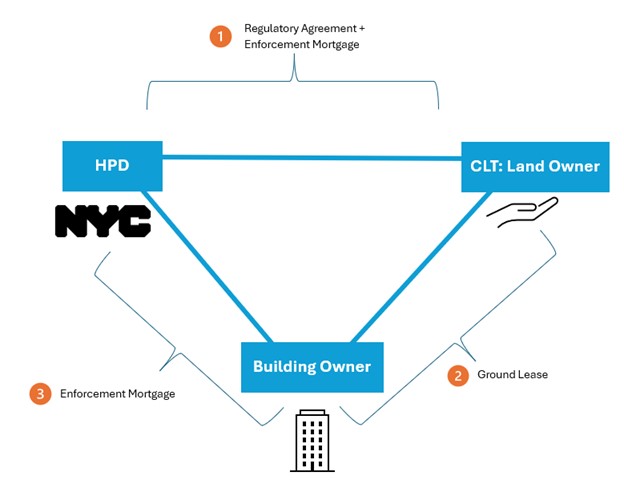
1 As is standard for owners of all projects HPD subsidizes, CLTs working with HPD enter into Regulatory Agreements for each of their projects to memorialize the project’s affordability restrictions and the CLT’s role as steward of the land. Across CLT and non-CLT projects alike, HPD’s Regulatory Agreements typically provide an initial 30-60 years of affordability protections that can be extended indefinitely. Additionally, the relationship between HPD and the CLT also typically includes an Enforcement Mortgage (described in #3).
2 As is standard for CLTs operating nationally, those that work with HPD also enter into long-term Ground Leases with the owners of the affordable buildings on their land, whether they are individual homeowners, coops, or landlords. These ground leases typically last for 99 years, with automatic renewal. Through the ground lease, CLTs are empowered to ensure that residents living on their land comply with the CLT’s requirements, which mirror HPD’s requirements outlined in the Regulatory Agreement.
3 The financing that HPD provides to develop affordable housing on CLTs is structured as an Enforcement Mortgage executed with the building owner (an individual homeowner, coop, or landlord), and typically also with the CLT. As is true for all HPD projects, the debt from this subsidy financing may be structured as a balloon, meaning it does not require repayment during its term (typically 30-60 years), so long as the project complies with HPD’s Regulatory Agreement. HPD may extend the term of this debt if the project continues to implement affordability restrictions and enters into a new Regulatory Agreement.
CLT Governance: The Tripartite Board
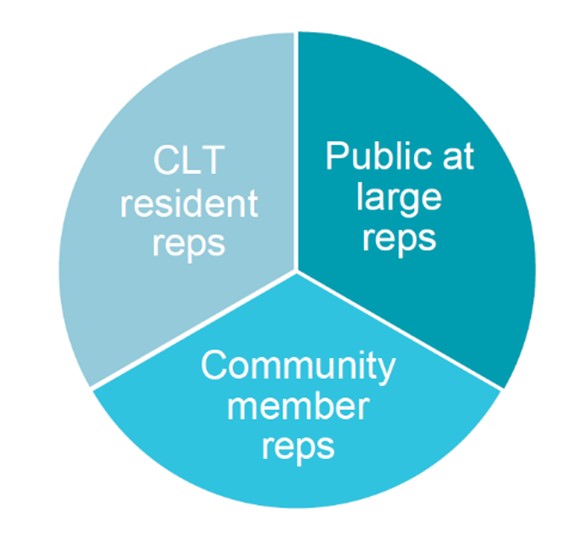
CLTs are typically governed by tripartite boards of directors that include representation of CLT residents, the surrounding community, and the public at large. This tripartite structure creates checks and balances that help the CLT be effective and fair as it oversees project requirements and provides services to households living on its land. CLTs that work with HPD can have a variety of structures, so long as the board includes some members with significant experience in affordable housing development and/or property management.
Why Does HPD Work with Community Land Trusts?
CLTs help to enforce affordability requirements, ensure fairness, and empower residents:
- By connecting residents to the governance of their housing, CLTs are a way to formalize community control of land and empower homeowners and residents.
- The CLT’s tripartite board promotes fairness and oversight across a variety of perspectives.
- Owning the land beneath affordable housing projects gives CLTs access to tools of enforcement. As community-based organizations, CLTs may be well-equipped to enhance the enforcement of affordability and other requirements in collaboration with HPD and/or coop monitors, especially for HPD’s homeownership projects.
CLTs are one way to help ensure longer-term and permanent affordability, particularly for small homes.
- In the case of 1-3 family homeownership, projects on CLTs can provide decades of additional affordability requirements compared with a typical HPD-financed home.
Why do CLTs Work with HPD?
Partnering with HPD offers valuable support for CLTs to help make their projects feasible. By leveraging HPD’s resources, CLTs gain access to:
- Property Tax Exemptions: Reducing ongoing costs to improve long-term project viability.
- City Subsidy Funds: Financial support through term sheets and other funding opportunities. HPD’s Open Door Program for new construction homeownership, and several Preservation Programs, have been valuable resources for CLT projects to date.
- Collaboration: Work with City government partners to navigate the development process efficiently and effectively.
Examples of CLT Projects with HPD
HPD has provided financing or is in the “predevelopment” phase for more than 1,200 units of affordable housing on CLTs. Learn more about a few of these projects below.
Cooper Square CLT
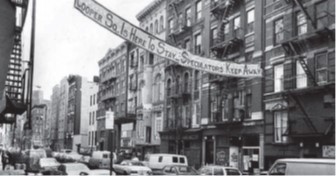
March 2020: HPD provided rehab financing and a new tax exemption to preserve the long-term affordability of over 300 units of housing on the CLT's land in the East Village.
Interboro CLT
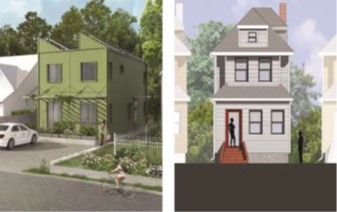
February 2022: HPD provided Interboro and its partner, Habitat for Humanity NYC and Westchester, with nearly $4 million in construction financing and a 40-year Article XI tax exemption to facilitate the new construction and gut rehab of 16 single-family homes on 13 parcels of land formerly owned by NYCHA.
East Harlem/El Barrio CLT
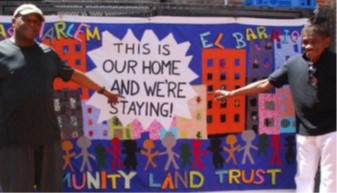
November 2020: HPD provided $7.5 million in rehab financing and 4 city-owned buildings to create a 36-unit affordable rental project.
ReAL Edgemere CLT
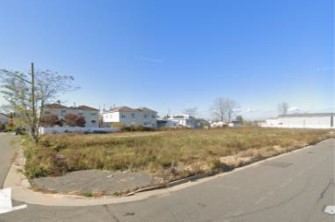
Ongoing: HPD released an RFEI in July 2021 seeking proposals to establish a CLT that will own up to 8 acres of city-owned land. The RFEI stems from recommendations made in HPD’s Resilient Edgemere Community Plan, published in 2017. Climate-vulnerable parcels will be used for public open space and more resilient parcels will yield affordable homeownership opportunities.
Are you a CLT with a project in mind? We’re here to help!
HPD offers a CLT workshop called "Partners for Permanent Affordability: A Collaborative Workshop for CLTs & HPD." This workshop has already helped over a dozen CLTs and their partners to make progress at any stage of their development. Topics covered include capacity-building, land acquisition strategies, and fundamentals of affordable housing development and operations. Completing this workshop is a great step for CLTs looking to start a project with HPD!
To discuss specific project ideas with our team or to schedule a workshop, please email Communitylandtrusts@hpd.nyc.gov.