
 NYC Housing Recovery311Search all NYC.gov websites



Multifamily Program
Build It Back Multifamily Program
The Build It Back Multi-Family Program, led by the NYC Department of Housing Preservation and Development (HPD) (Housing Preservation & Development), was designed to assist owners of properties with five or more apartments affected by Hurricane Sandy. Rental properties, condominiums and cooperative buildings were all potentially eligible. Financial assistance was provided as a forgivable loan to cover unmet need for the rehabilitation of buildings that sustained damage as a result of Hurricane Sandy. The City strengthened housing infrastructure by identifying opportunities to increase resiliency against future events.
The Build It Back Multifamily Program assisted multifamily developments with housing recovery and resiliency retrofits such as elevating electrical and mechanical equipment, installing on-site backup power generation, and dry floodproofing utilities with flood doors or barriers.
- 141 developments comprising 19,156 dwelling units were financed.
- In addition, 160 projects in individual condominium and cooperative units were assisted with recovery.
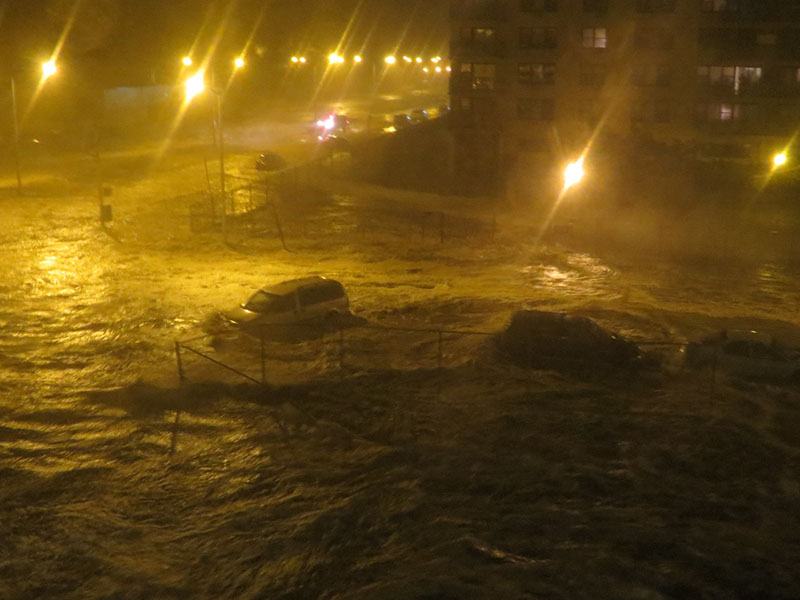
A number of Mitchell-Lama complexes were also hard hit by Superstorm Sandy and needed investments not just in repairs but also in resiliency upgrades to protect them from future severe weather events as climate change accelerates. The Build It Back Multifamily Program funded repairs and improvements to impacted Mitchell-Lama developments in the Rockaways (Dayton Beach Park, Arverne-Nordeck, Dayton Towers, Arverne View/Ocean Village) and the Coney Island-Brighton Beach areas (Brighton House and Sam Burt Houses), as well as in Harlem (Riverbend) and the East Village (Village East Towers). To highlight one example, the assistance provided to Dayton Towers (a 1,752-unit co-op complex in Rockaway Beach) helped safeguard residents against future flooding by funding new emergency generators, waterproof doors, water pump systems, backflow protectors, and elevated electrical panels.
Resilient Edgemere
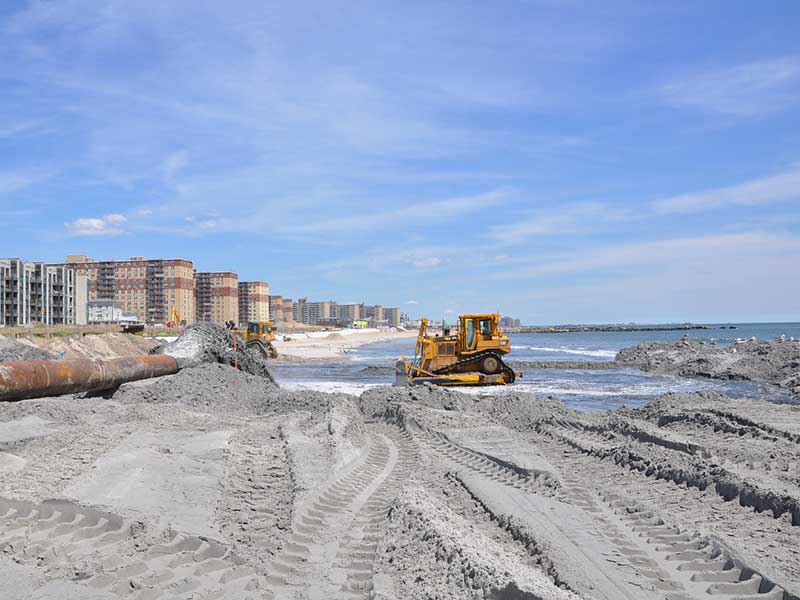
Edgemere, a low-lying waterfront community in the Rockaways, hadn’t yet recovered from the financial crisis when Superstorm Sandy hit with damaging force. The City launched the Edgemere Community Planning Initiative in 2015 to work with the community to develop a plan to protect the neighborhood from future storms and coastal erosion, while investing in affordable housing, strengthening infrastructure, and creating more retail and services. In addition to proposals to protect the neighborhood from flooding, improve the streets and transportation, and increase neighborhood amenities, the plan laid out several strategies to create resilient housing:
- Helping Edgemere’s current residents protect their homes and neighborhood from future storm events and sea level rise.
- Limiting new residential development in vulnerable areas and dedicating them for open spaces and coastal protection features instead.
- In areas less susceptible to flooding, facilitating the development of new homeownership opportunities on vacant infill properties.
- Prioritizing affordable housing projects that bring mixed-use retail and community facility space to the neighborhood near existing transit and services.
The Resilient Edgemere Neighborhood Plan includes over $481 million in projects that are scheduled to be implemented over the next ten years. Many of these commitments are funded, including the reconstruction of Bayswater Park, flood reduction measures, and park access improvements along Beach 35th Street; drainage improvements for Edgemere’s shoreline; and reconstruction of Rockaway Community Park.
Learn more about HPD’s Resilient Edgemere effort.