




Childhood Vaccination Data Explorer
The data below show estimates of vaccination coverage (the percentage of people who are vaccinated) in New York City for children ages 6 months to 17 years, by vaccine type.
It includes trends over time and breakdowns by race and ethnicity, borough, and ZIP code. The data can be downloaded from our GitHub repository.
Vaccines prevent disease and reduce the risk of hospitalization, health complications, and death. The higher the vaccine coverage in a community, the lower the risk that a vaccine-preventable disease will spread if the disease enters the community.
The data come from the NYC Health Department's Citywide Immunization Registry (CIR). The CIR keeps immunization records for NYC residents — children and adults — throughout their lifespan and has records for non-NYC residents vaccinated in the city. Vaccinations given to people ages 18 and younger are required to be reported to CIR. People can access CIR records for themselves and their children by visiting My Vaccine Record.
Vaccines by Age Group
Children and adolescents are recommended to receive vaccines at certain ages, including the vaccines below.Combined 7-Vaccine Series (4 DTaP, 3 Polio, 1 MMR, 3 Hib, 3 HepB, 1 Varicella, 4 PCV)
The combined 7-vaccine series (also known as the 4:3:1:3:3:1:4 series) shows completion of recommended doses of 7 different vaccines and serves as a measure to assess overall coverage:4 doses of DTaP vaccine 3 doses of Polio vaccine 1 dose of MMR vaccine 3 or 4 doses of Hib vaccine (depending on product type) 3 doses of HepB vaccine 1 dose of Varicella vaccine 4 doses of PCV vaccine
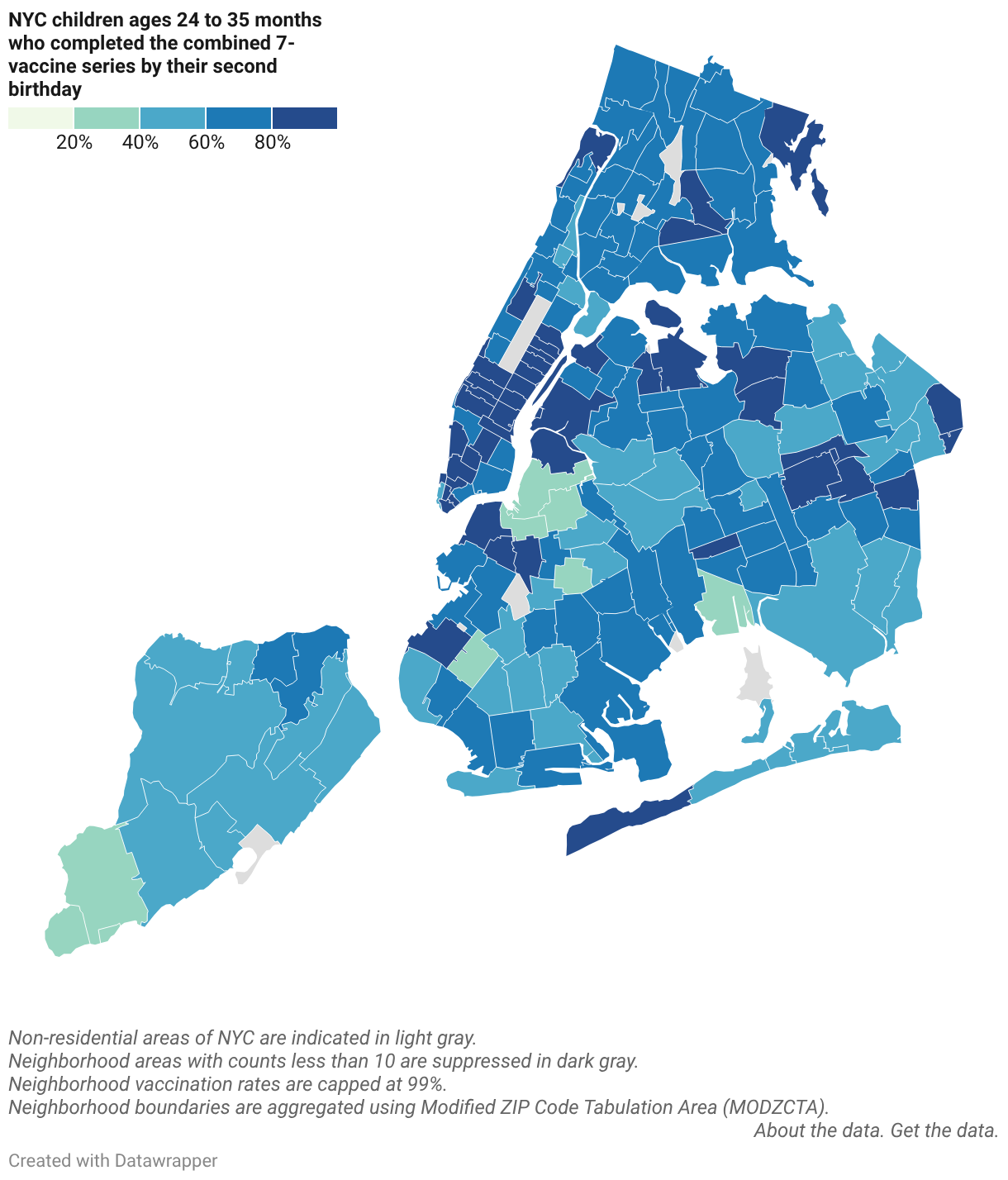
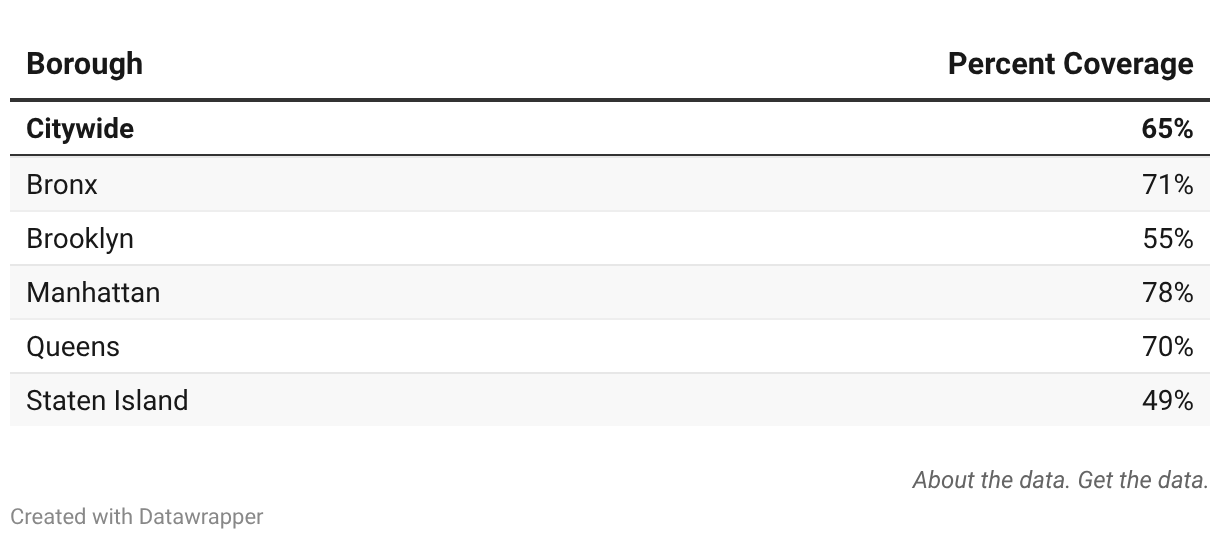
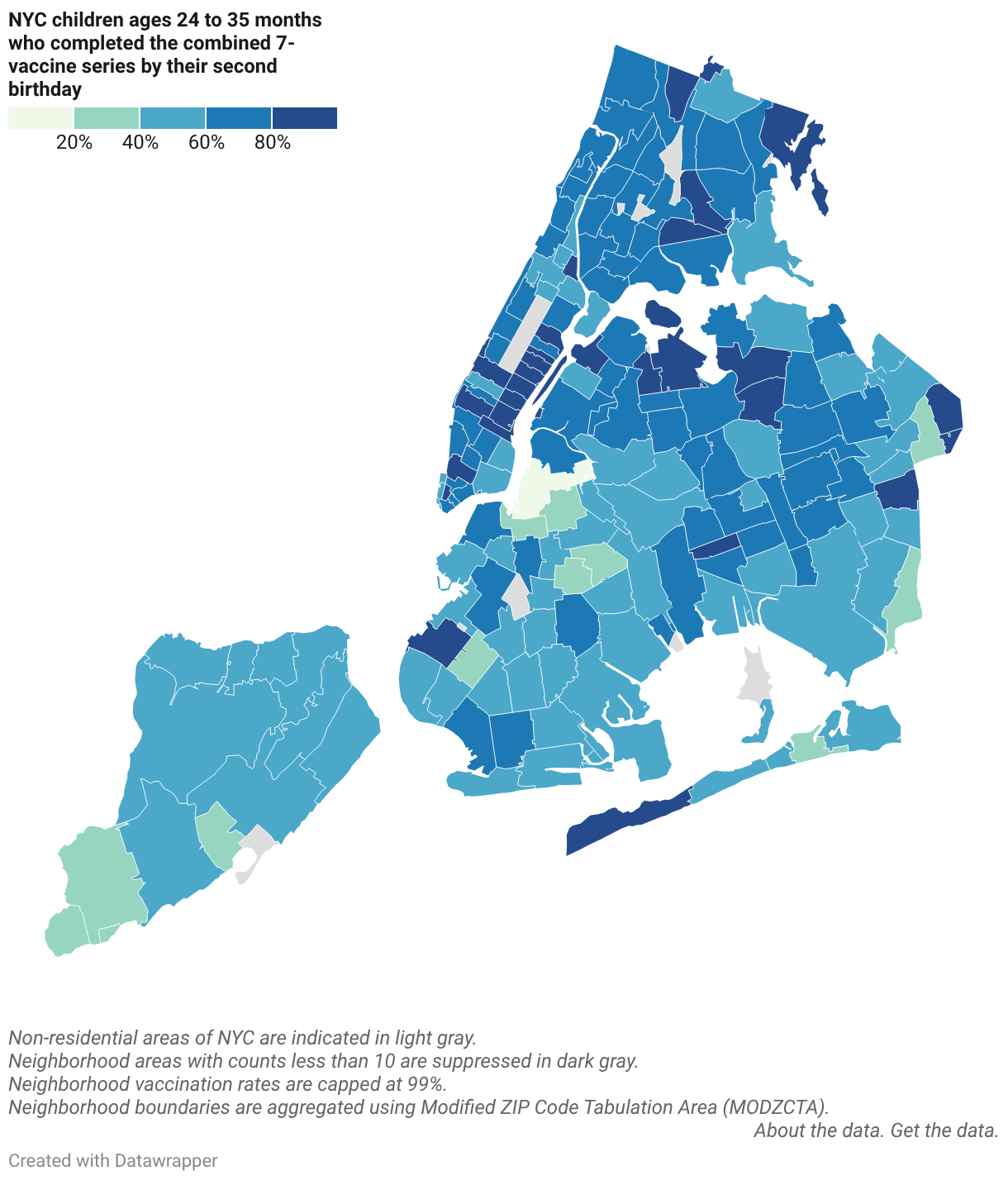
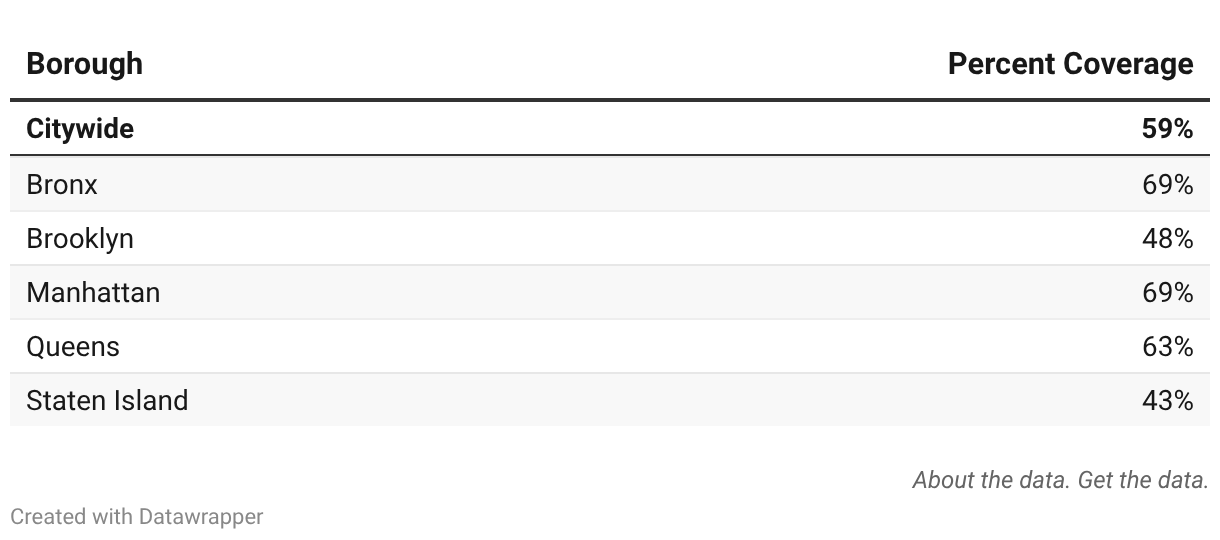
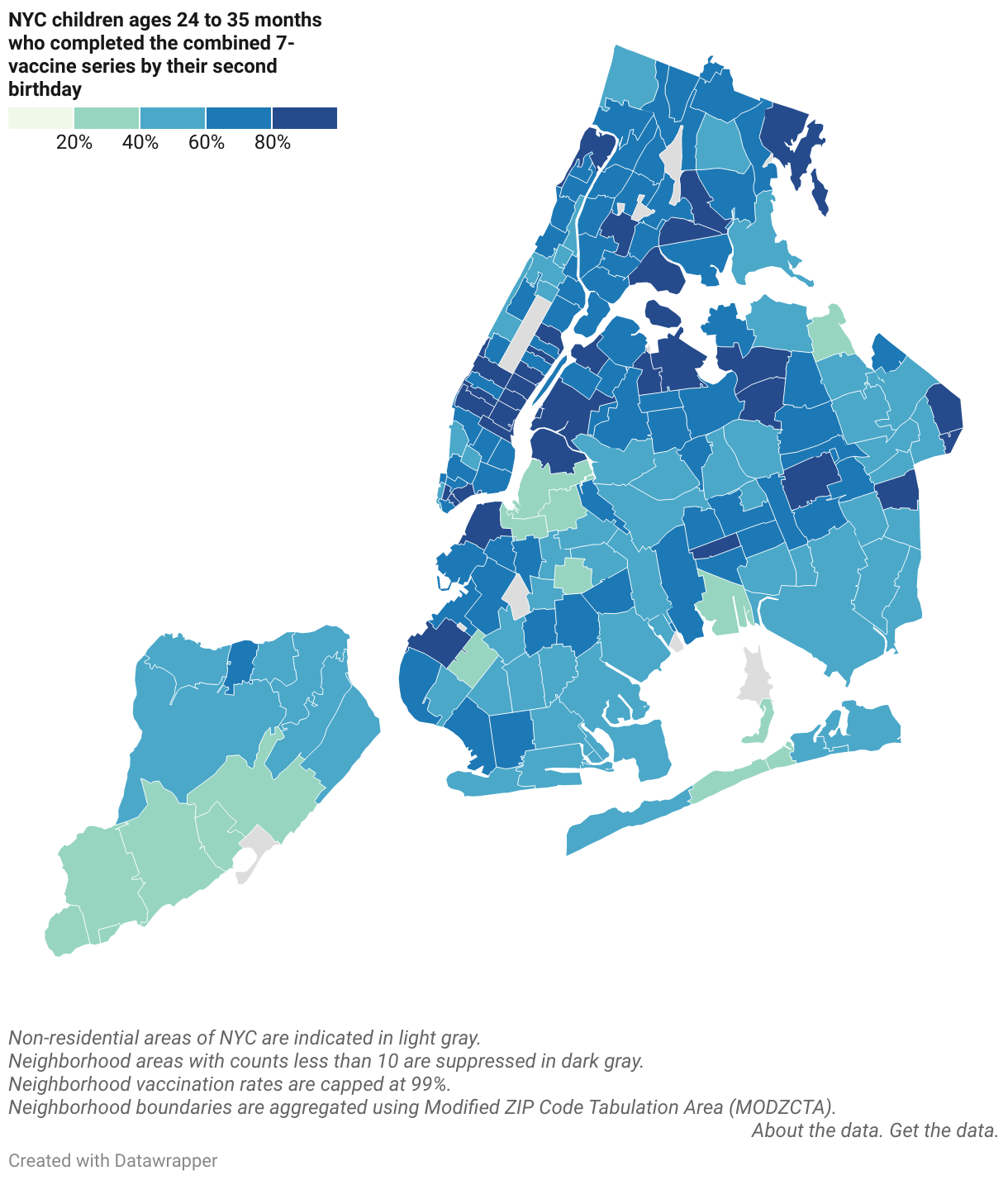
This page shows vaccination coverage for 2-year-olds (ages 24 to 35 months) who received all doses included in the combined 7-vaccine series by their second birthday.
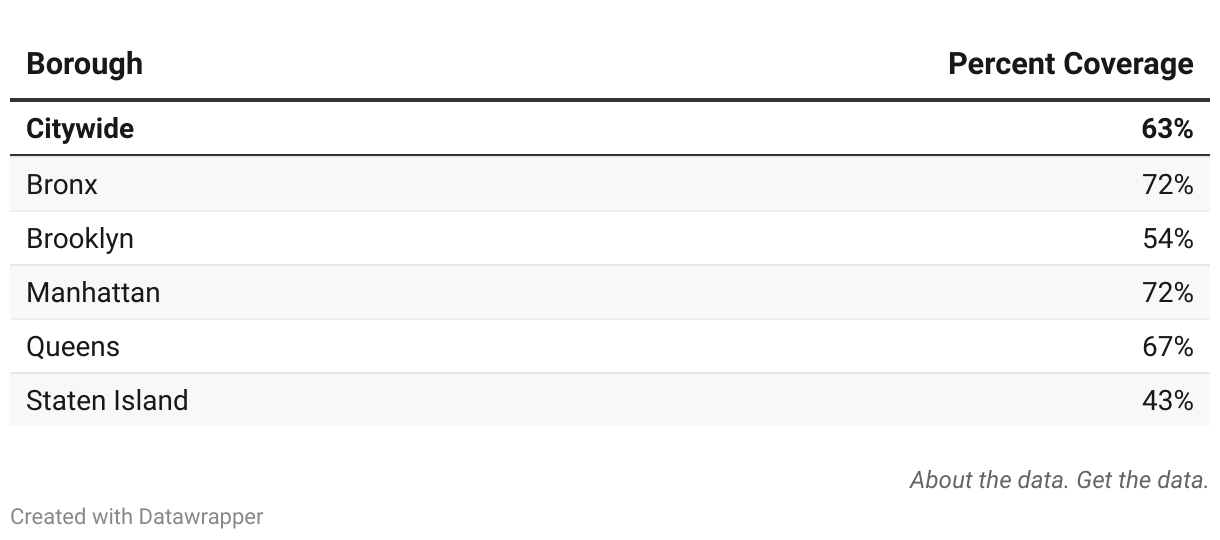
As of December 31, 2024, 65% of NYC children ages 24 to 35 months had completed the combined 7-vaccine series by their second birthday.
Go to: Trends Over Time | Race/Ethnicity | ZIP Code
Trends Over Time
This chart shows the percent of NYC children ages 24 to 35 months who received all recommended doses of the combined 7-vaccine series by their second birthday, by year.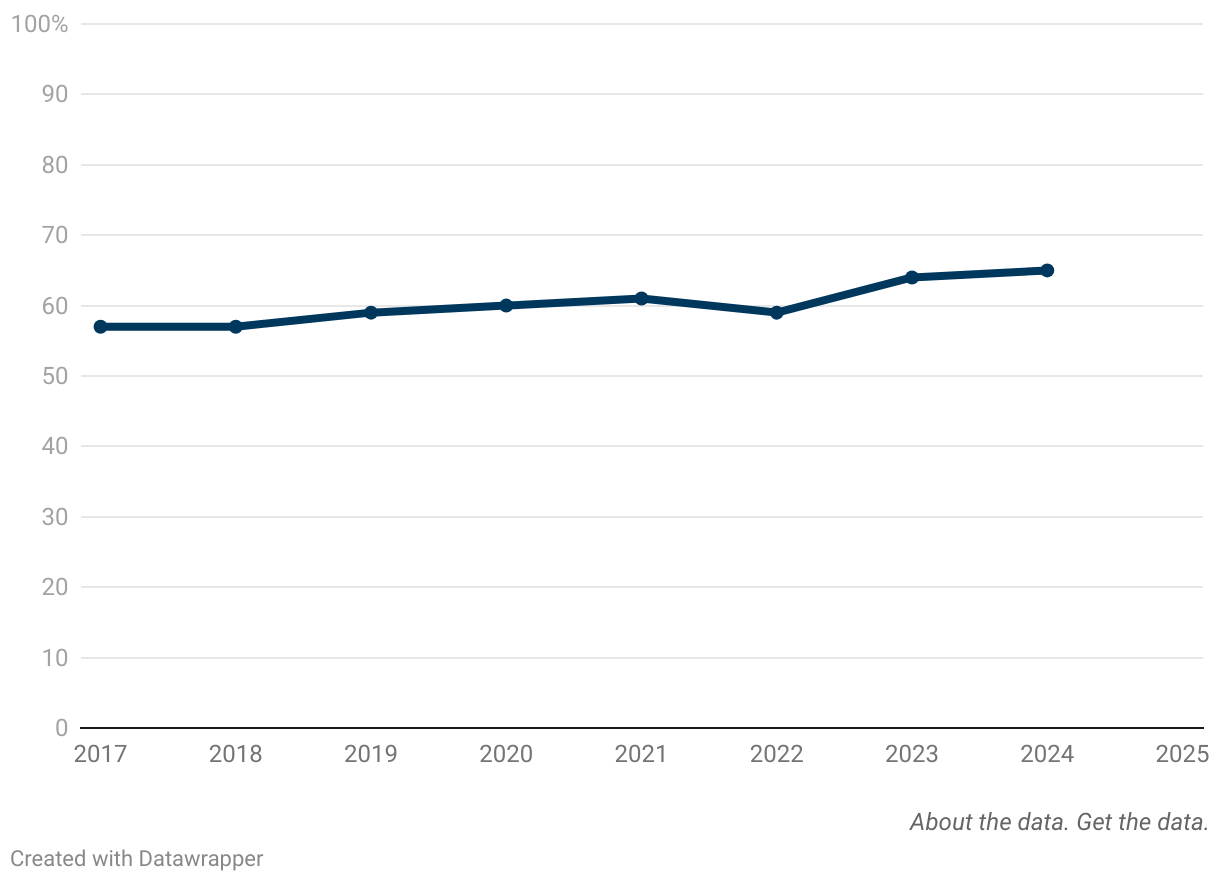
Vaccination by Race/Ethnicity
This chart shows the percent of NYC children ages 24 to 35 months who received all recommended doses of the combined 7-vaccine series by their second birthday, by race/ethnicity.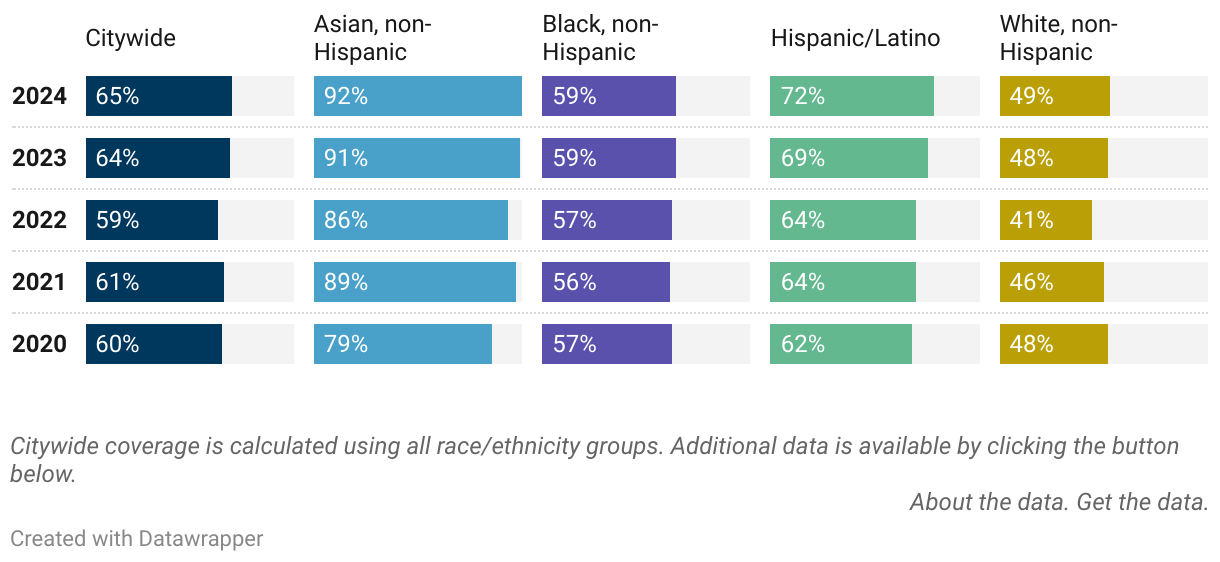
Vaccination by ZIP Code
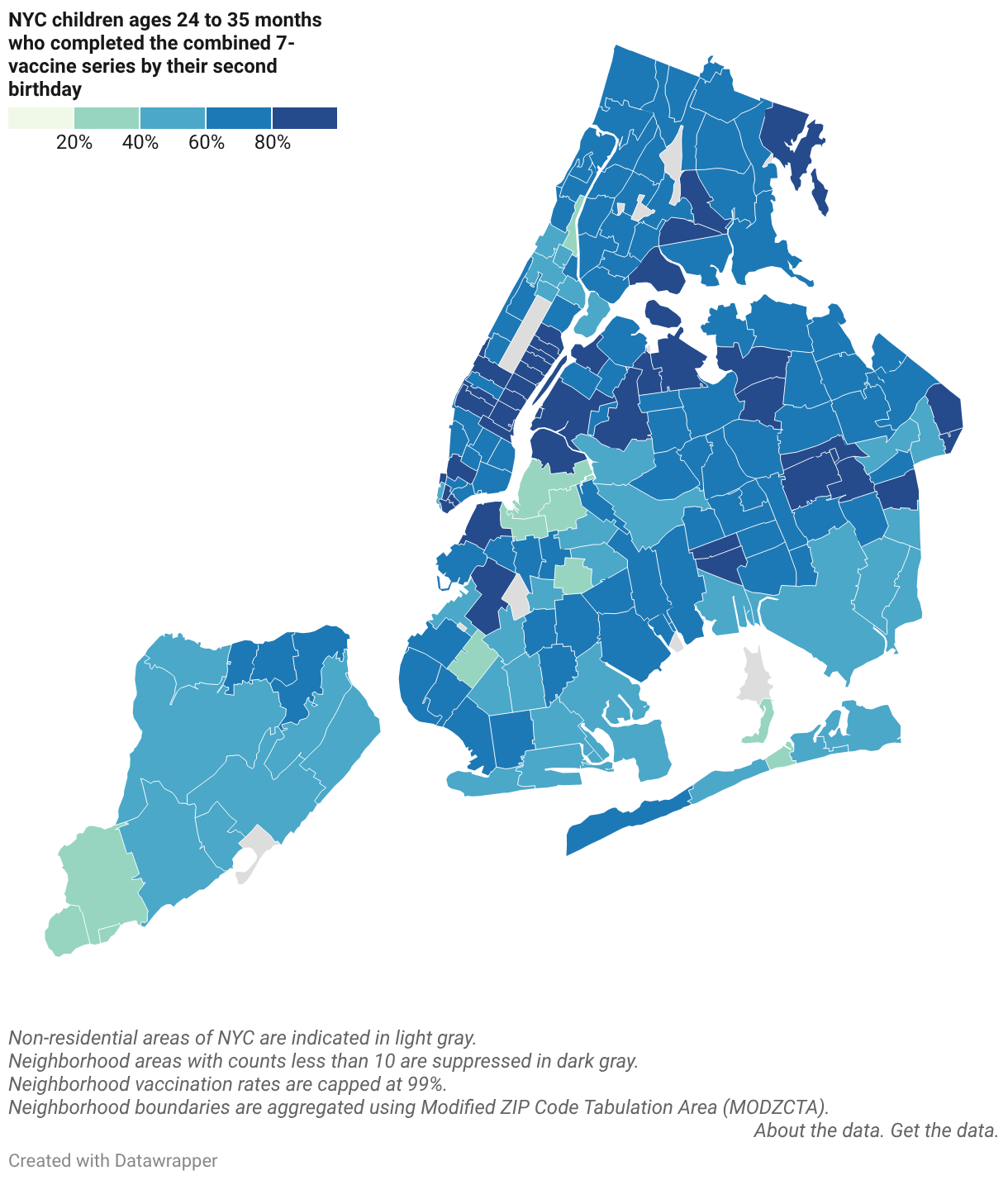
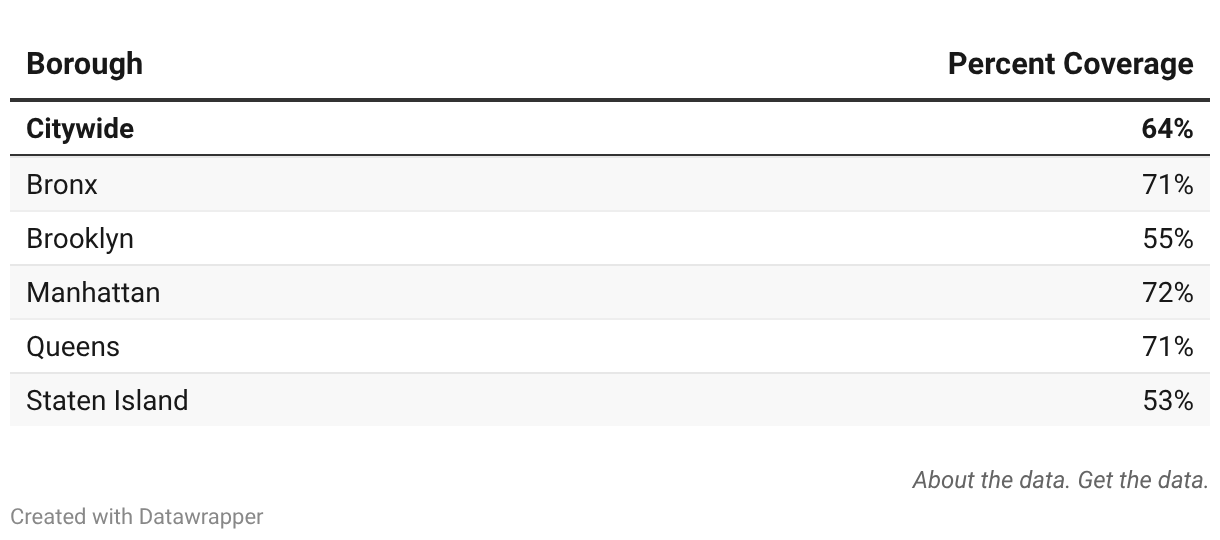
This chart shows the percent of NYC children ages 24 to 35 months who received all recommended doses of the combined 7-vaccine series by their second birthday, by ZIP code. Combined 7-Vaccine Series Vaccination Coverage as of December 31, 2024
Combined 7-Vaccine Series Vaccination Coverage as of June 30, 2024
Combined 7-Vaccine Series Vaccination Coverage as of December 31, 2023


Combined 7-Vaccine Series Vaccination Coverage as of June 30, 2023
Combined 7-Vaccine Series Vaccination Coverage as of December 31, 2022


Combined 7-Vaccine Series Vaccination Coverage as of June 30, 2022

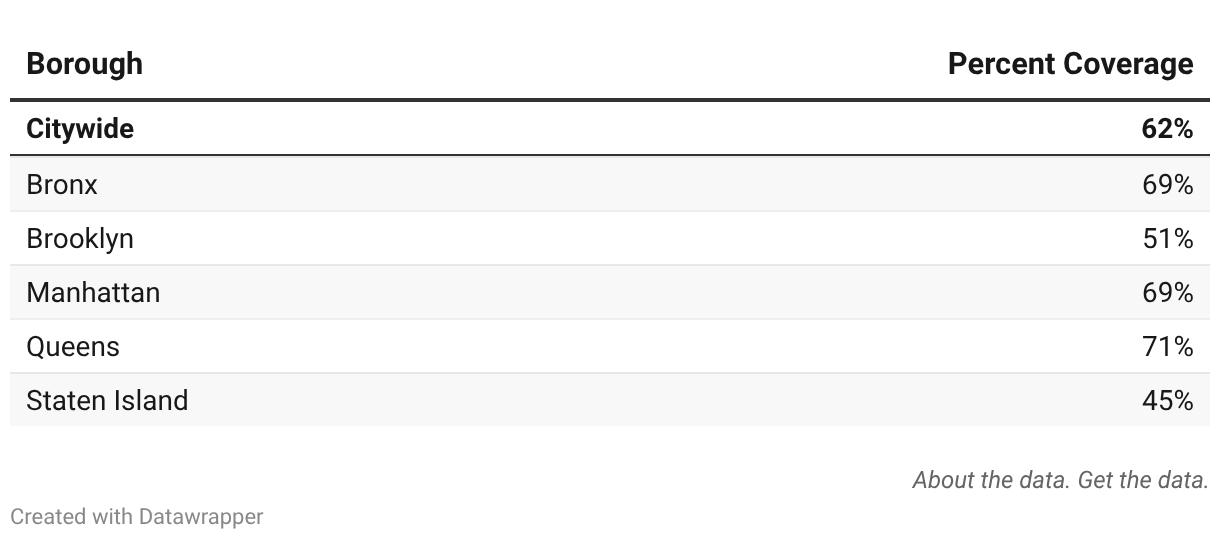
Combined 7-Vaccine Series Vaccination Coverage as of December 31, 2021
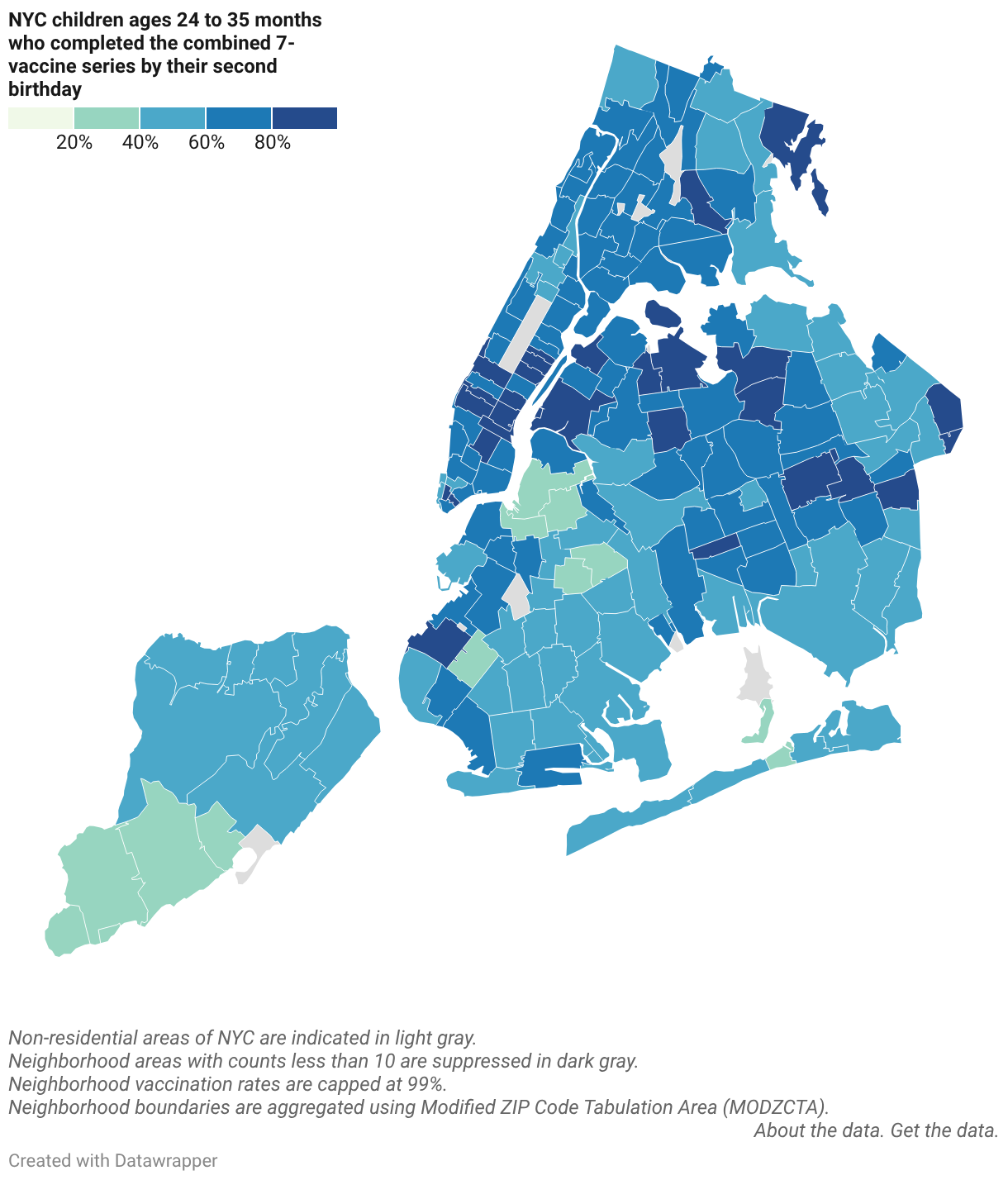

Combined 7-Vaccine Series Vaccination Coverage as of June 30, 2021
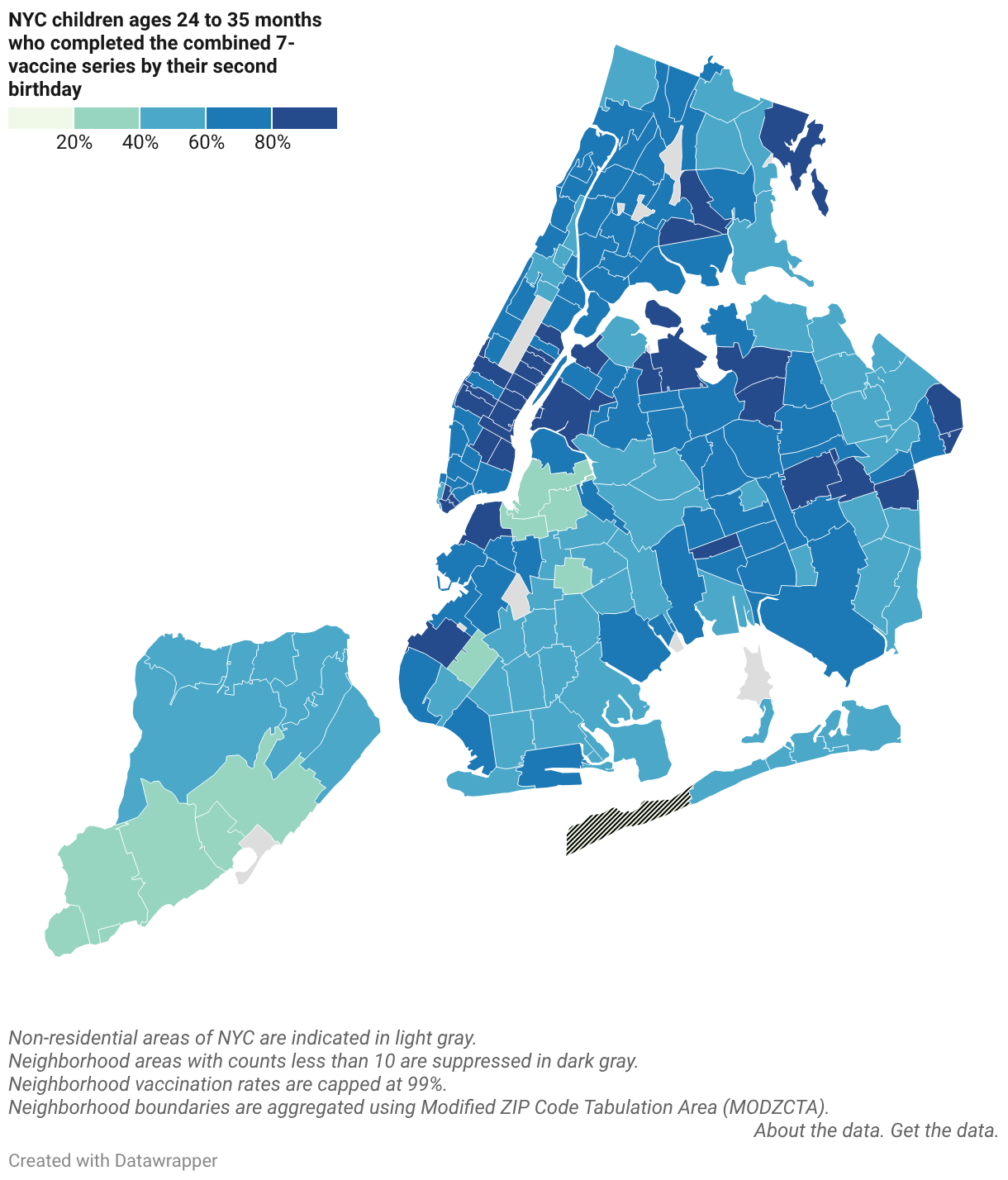

Combined 7-Vaccine Series Vaccination Coverage as of December 31, 2020
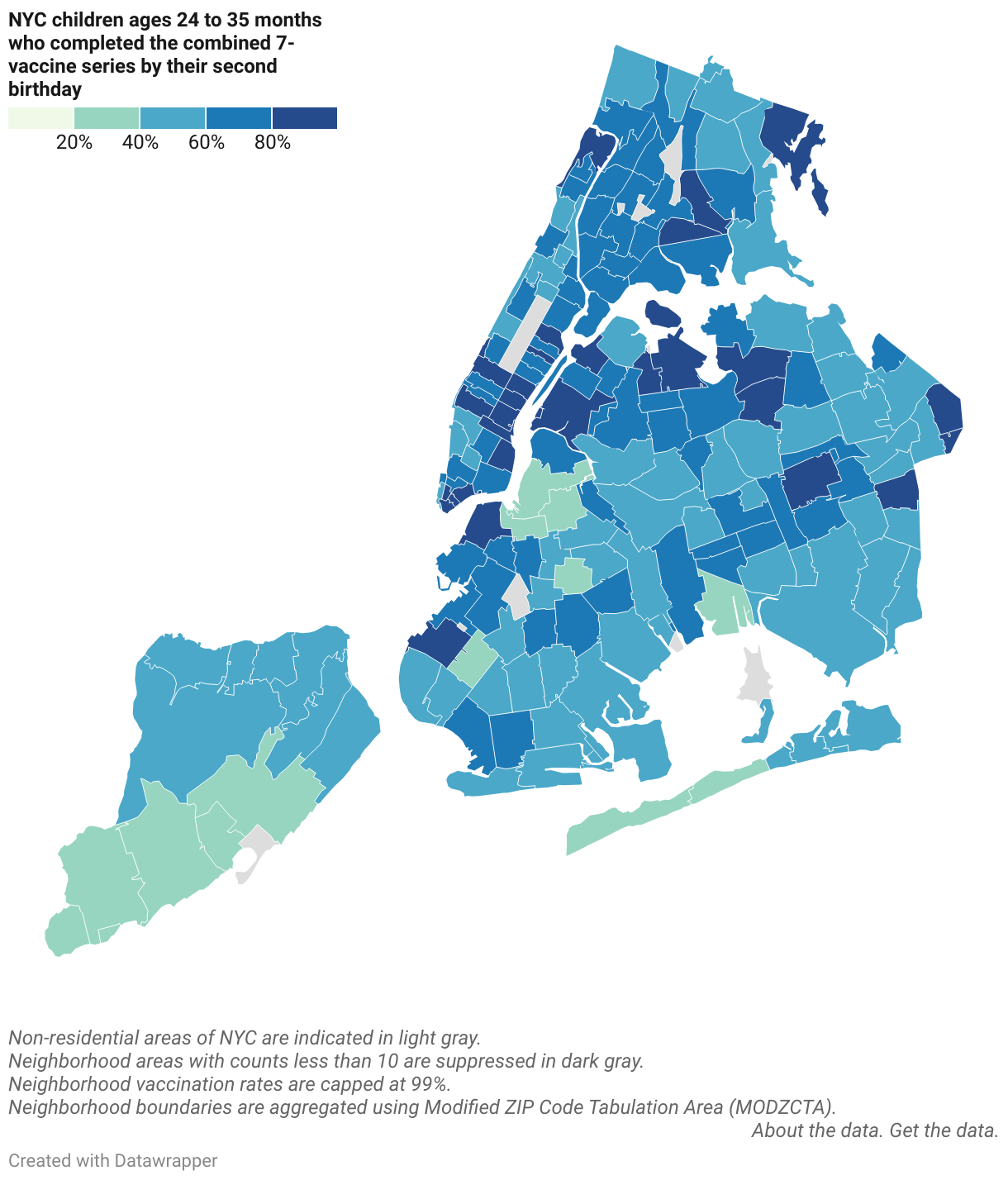

Combined 7-Vaccine Series Vaccination Coverage as of June 30, 2020
Diphtheria and Tetanus Toxoids and Acellular Pertussis (DTaP/DT/DTP) Vaccine
DTaP vaccine is a combination vaccine that protects against diphtheria, tetanus and pertussis infections. DTaP vaccination is recommended at the following ages:2 months 4 months 6 months 15 to 18 months 4 to 6 years
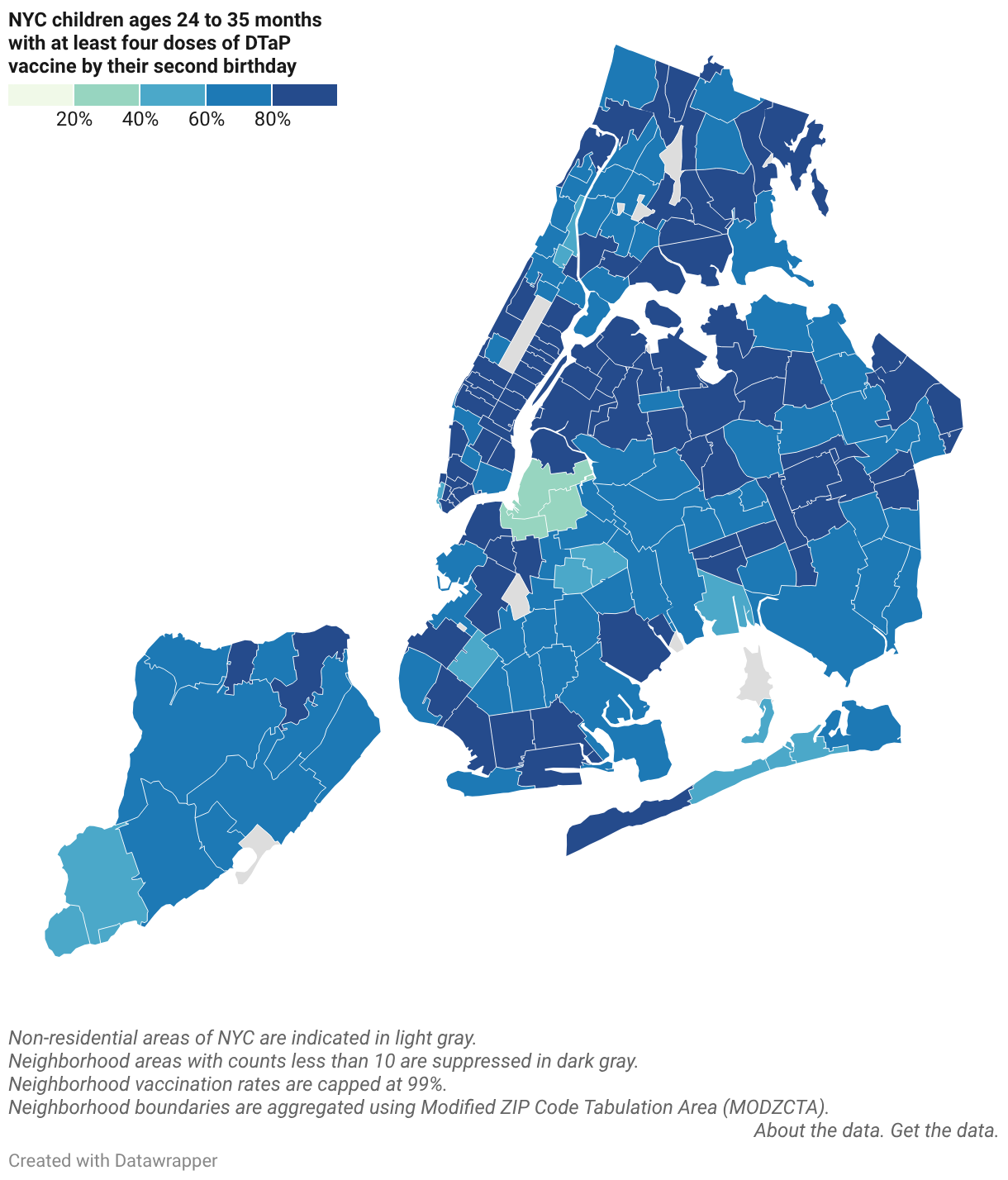
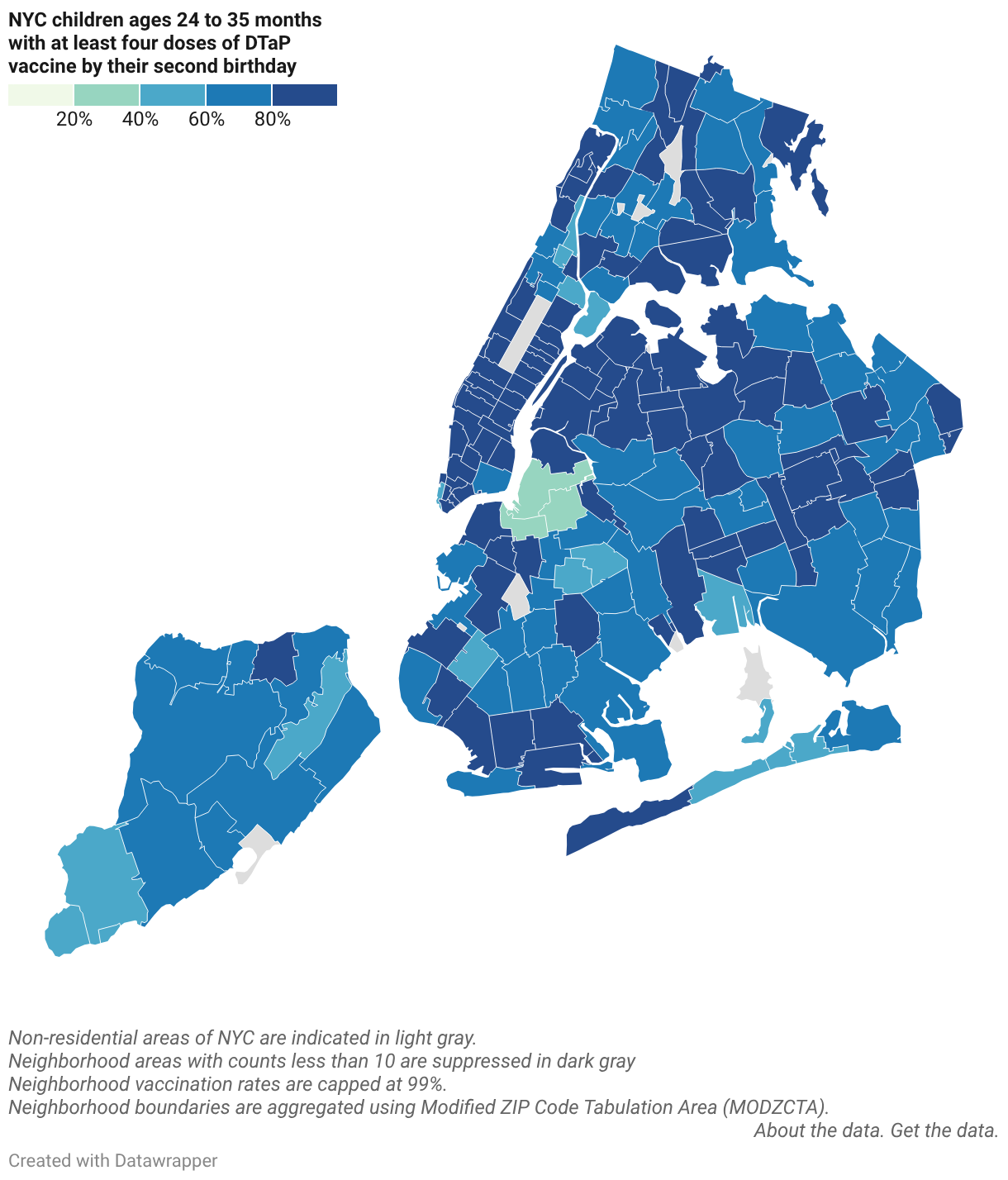
This page shows vaccination coverage for 2-year-olds (ages 24 to 35 months) who received at least four DTaP vaccine doses by their second birthday.
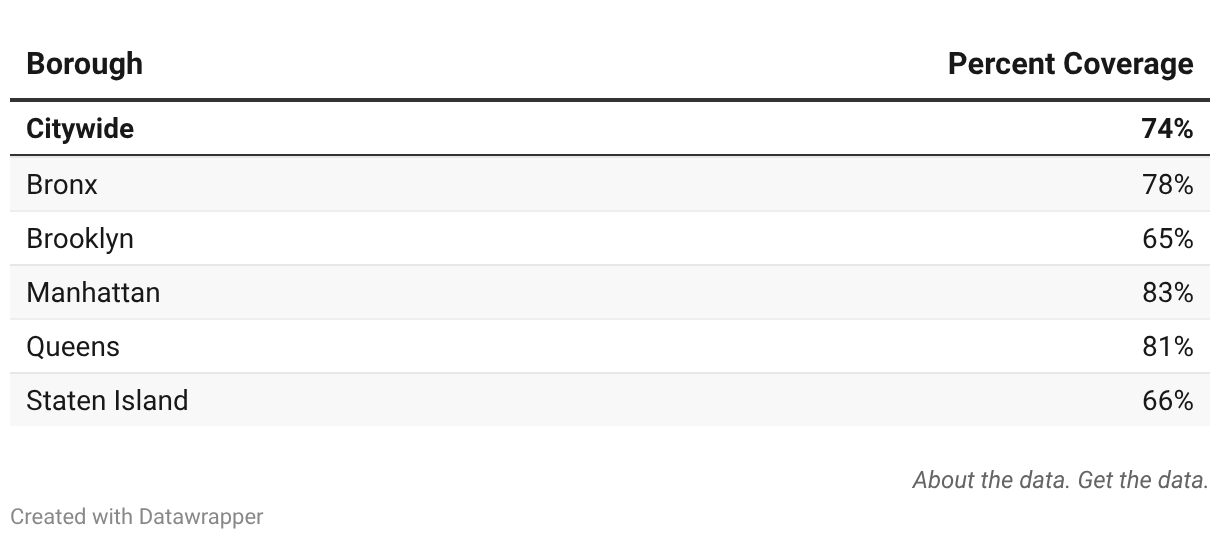
As of December 31, 2024, 78% of NYC children ages 24 to 35 months had received at least four DTaP vaccine doses by their second birthday.
Go to: Trends Over Time | Race/Ethnicity | ZIP Code
Trends Over Time
This chart shows the percent of NYC children ages 24 to 35 months who received at least four DTaP vaccine doses by their second birthday, by year.
Vaccination by Race/Ethnicity
This chart shows the percent of NYC children ages 24 to 35 months who received at least four DTaP vaccine doses by their second birthday, by race/ethnicity.
Vaccination by ZIP Code
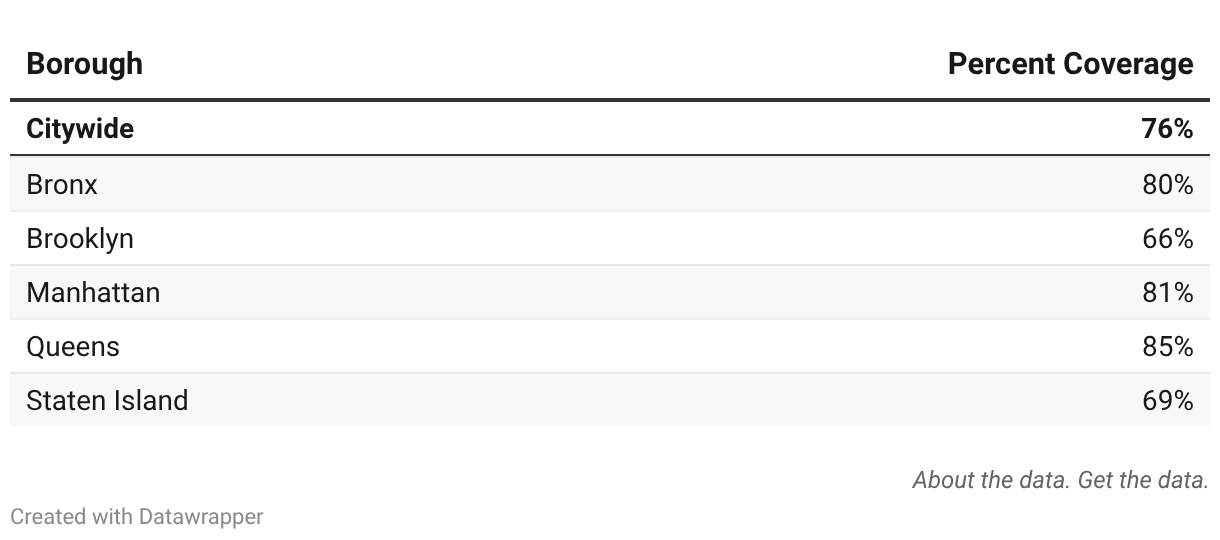
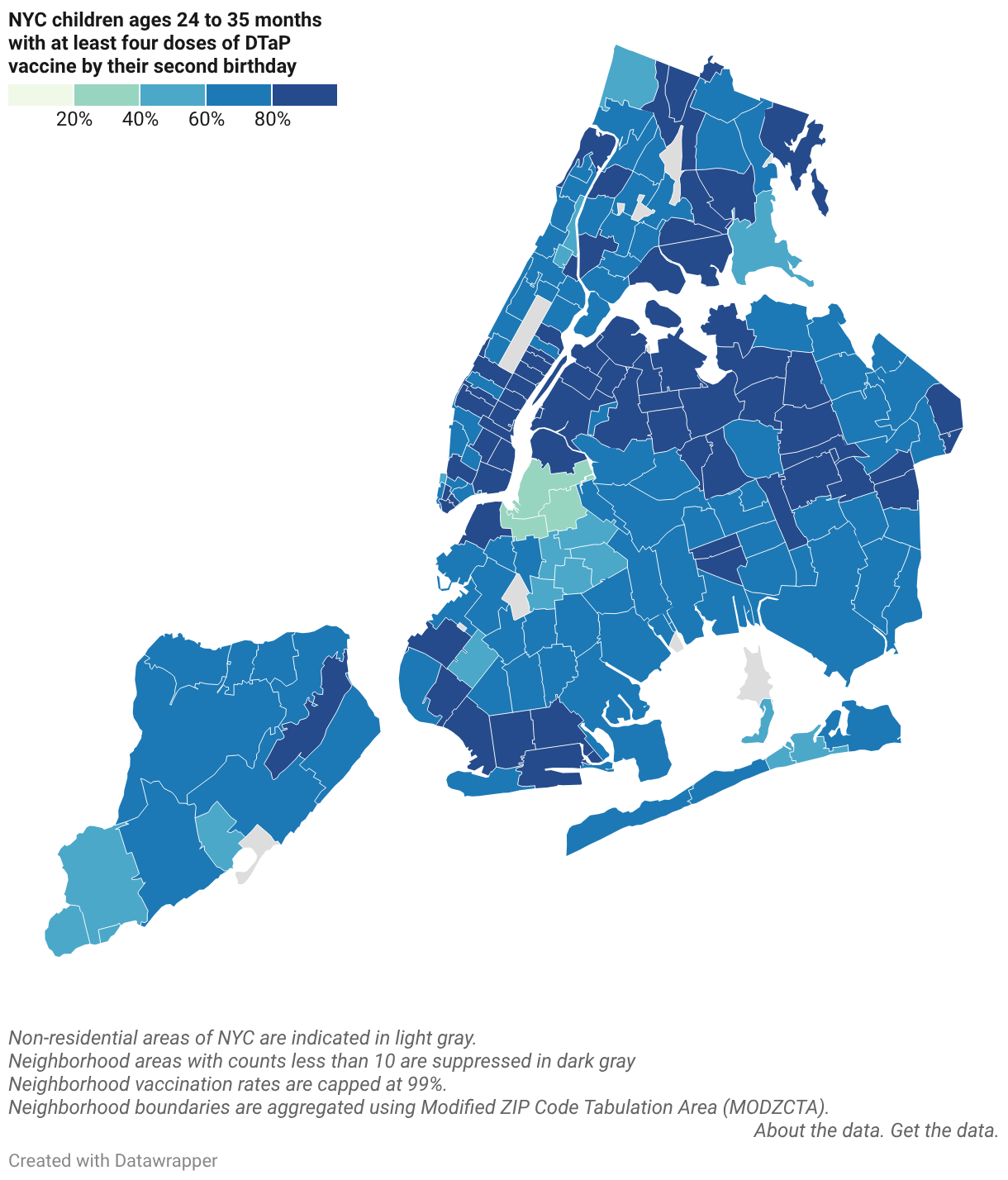
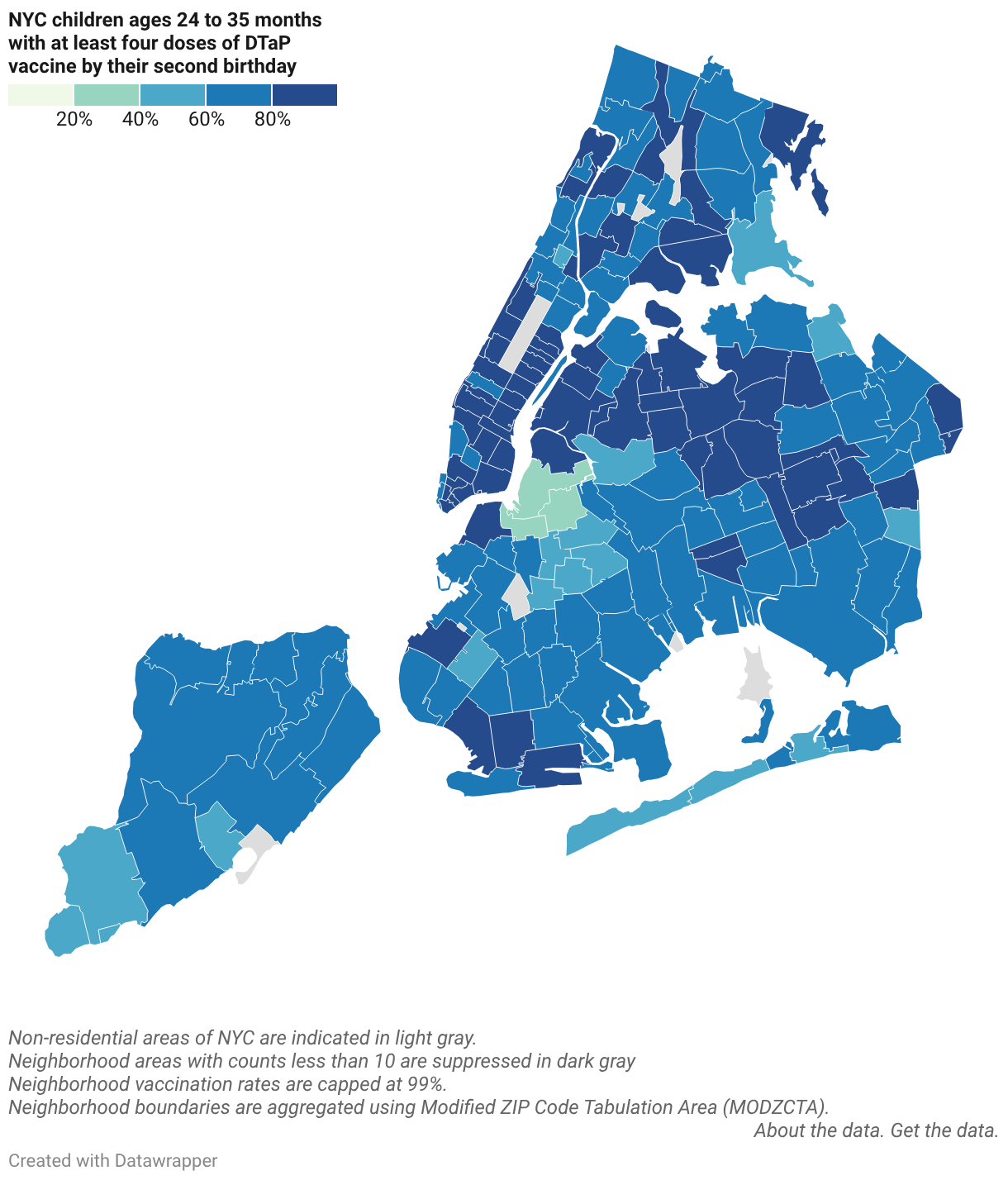
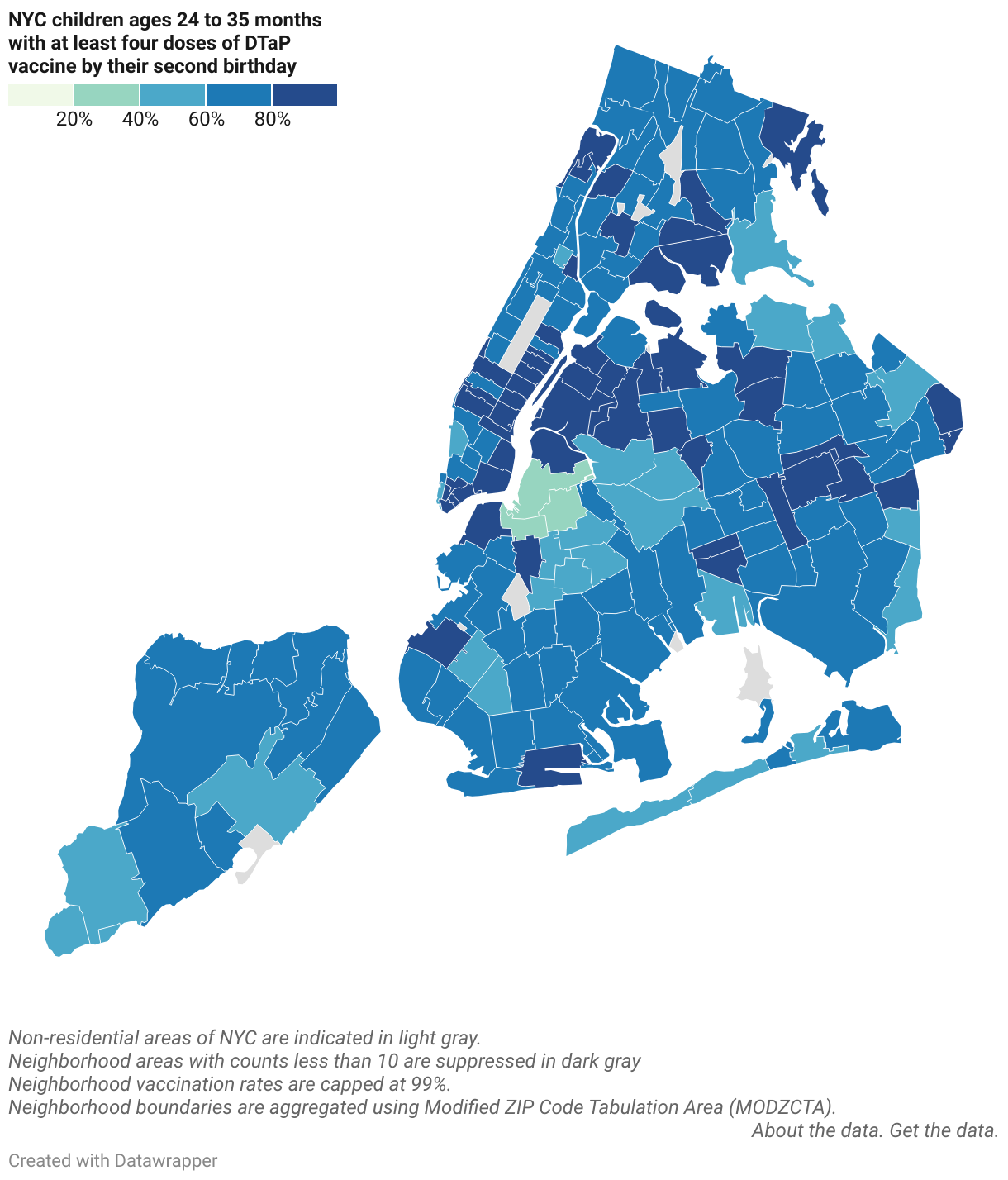
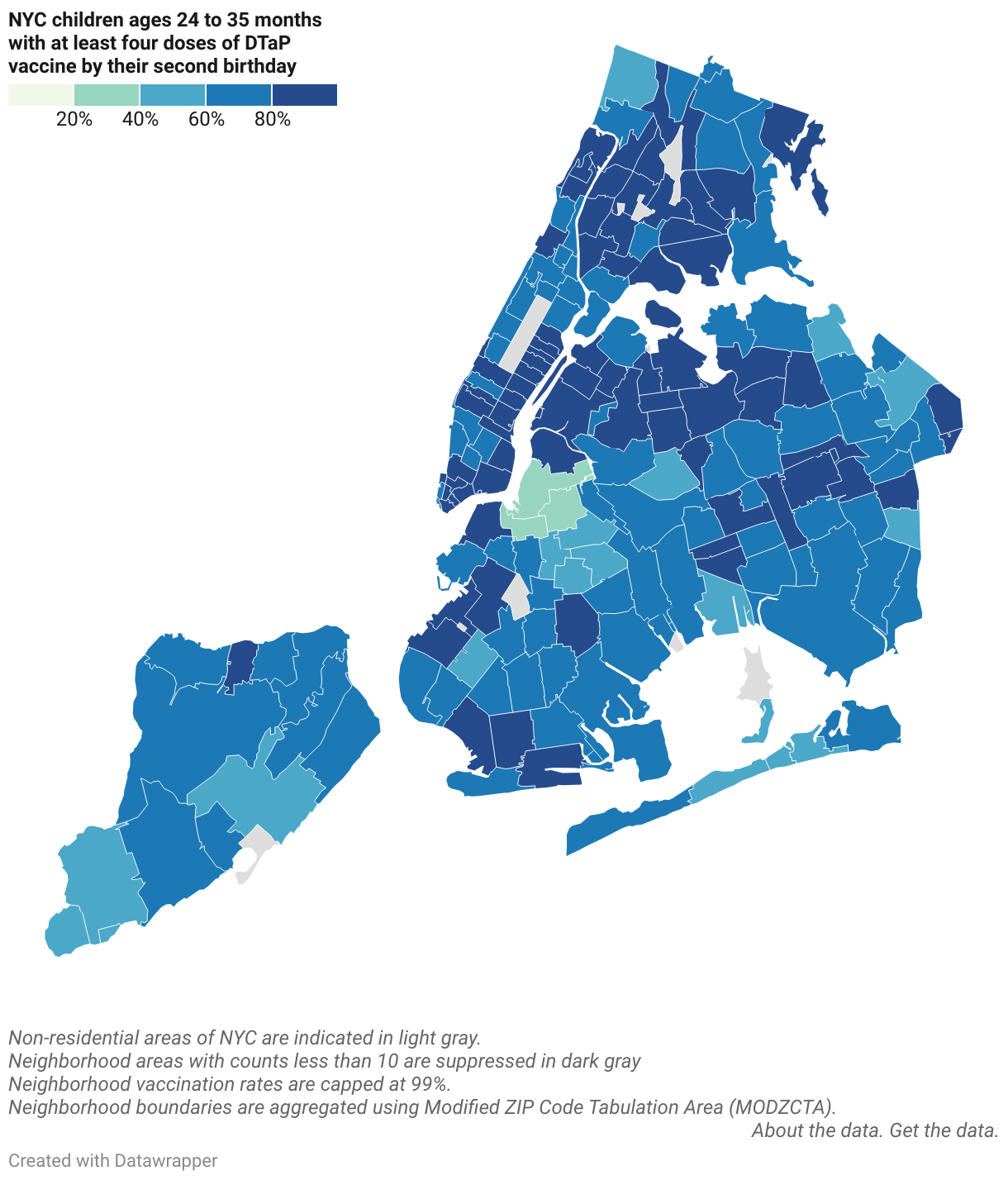
This map shows the percent of NYC children ages 24 to 35 months who received at least four DTaP vaccine doses by their second birthday, by ZIP code. DTaP Vaccination Coverage as of December 31, 2024

DTaP Vaccination Coverage as of June 30, 2024
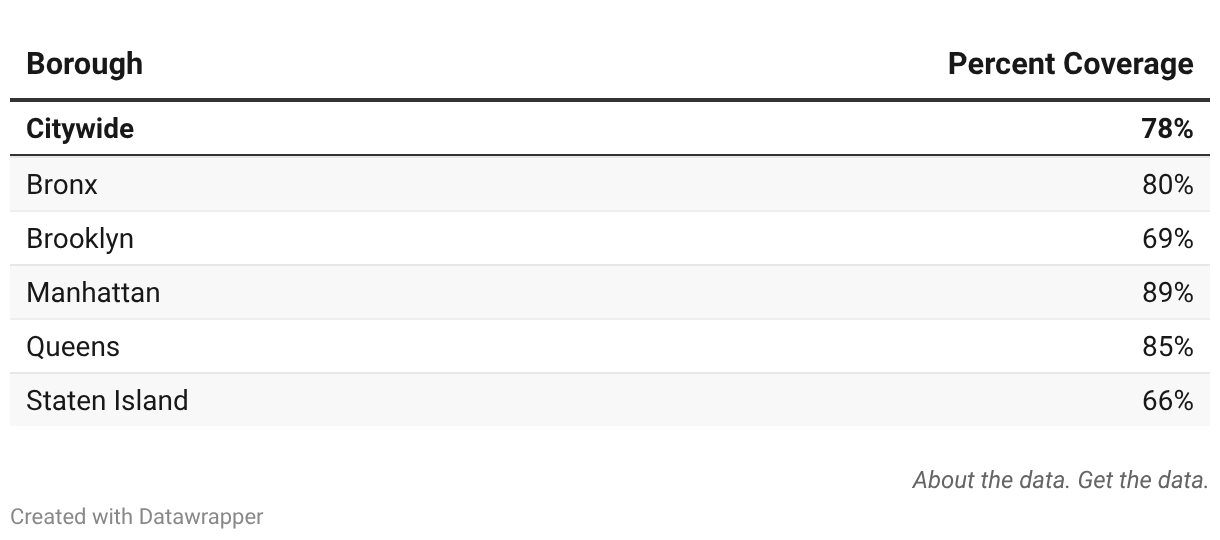
DTaP Vaccination Coverage as of December 31, 2023

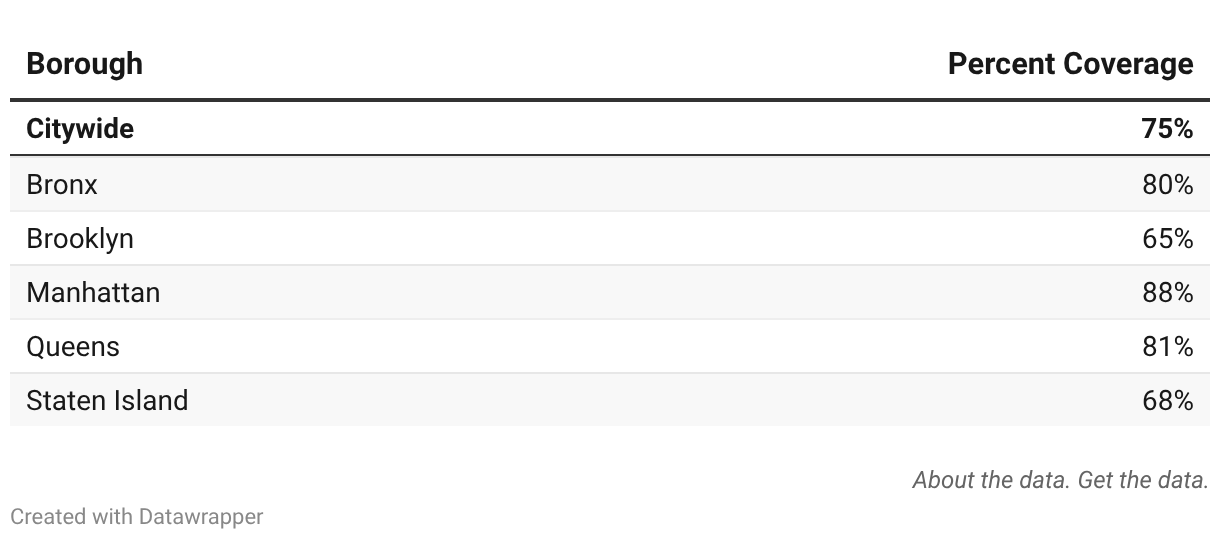
DTaP Vaccination Coverage as of June 30, 2023
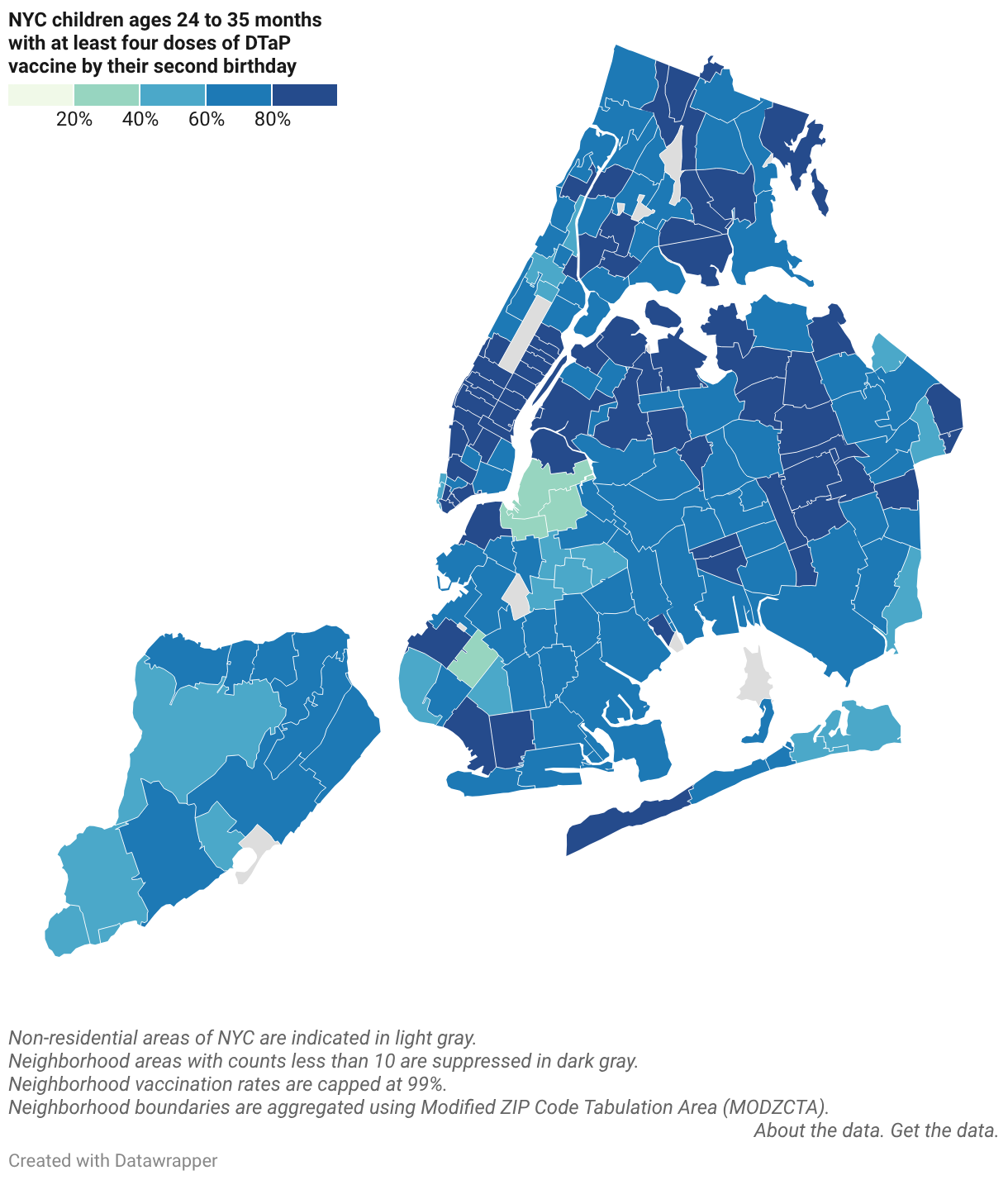
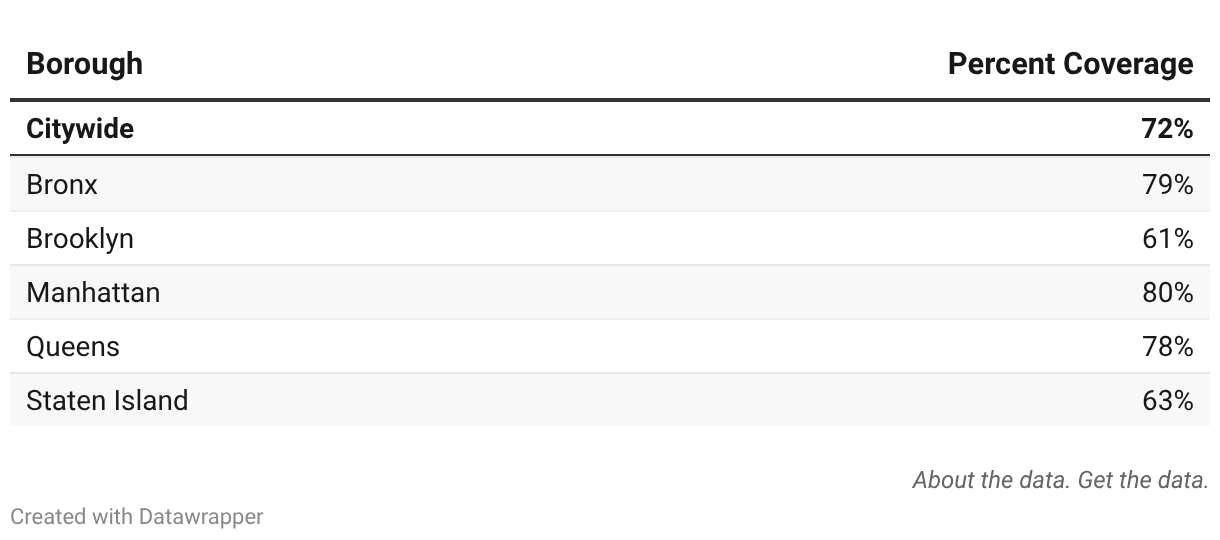
DTaP Vaccination Coverage as of December 31, 2022
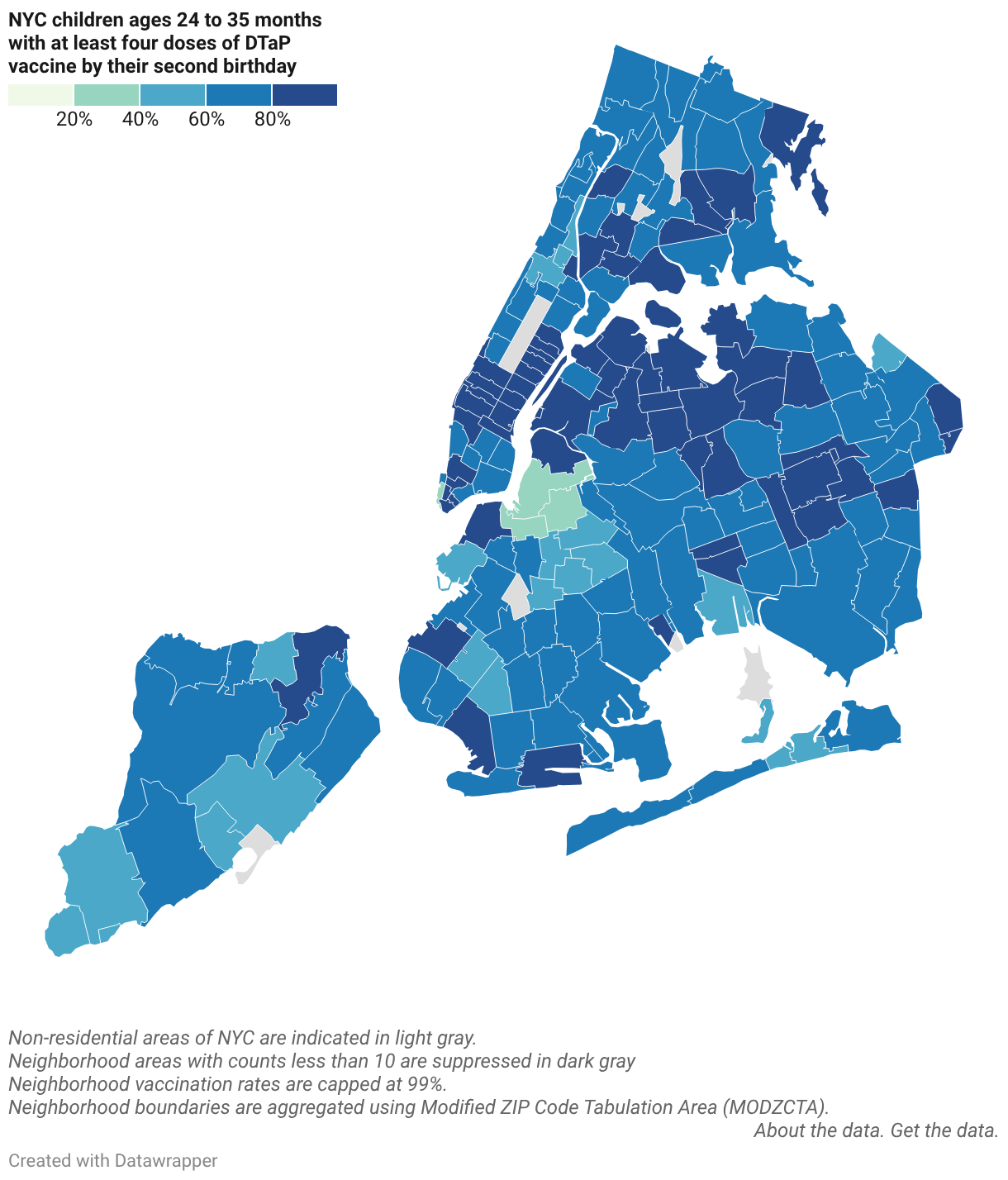

DTaP Vaccination Coverage as of June 30, 2022

DTaP Vaccination Coverage as of December 31, 2021

DTaP Vaccination Coverage as of June 30, 2021
DTaP Vaccination Coverage as of December 31, 2020

DTaP Vaccination Coverage as of June 30, 2020

Poliovirus (Polio) Vaccine
Inactivated polio vaccine (IPV) is a vaccine that protects against polio infection. IPV is the only polio vaccine that has been used in the United States since 2000. Four doses of IPV are recommended at the following ages:2 months 4 months 6 to 18 months 4 to 6 years
This page shows vaccination coverage for 2-year-olds (ages 24 to 35 months) who received at least three IPV doses by their second birthday.
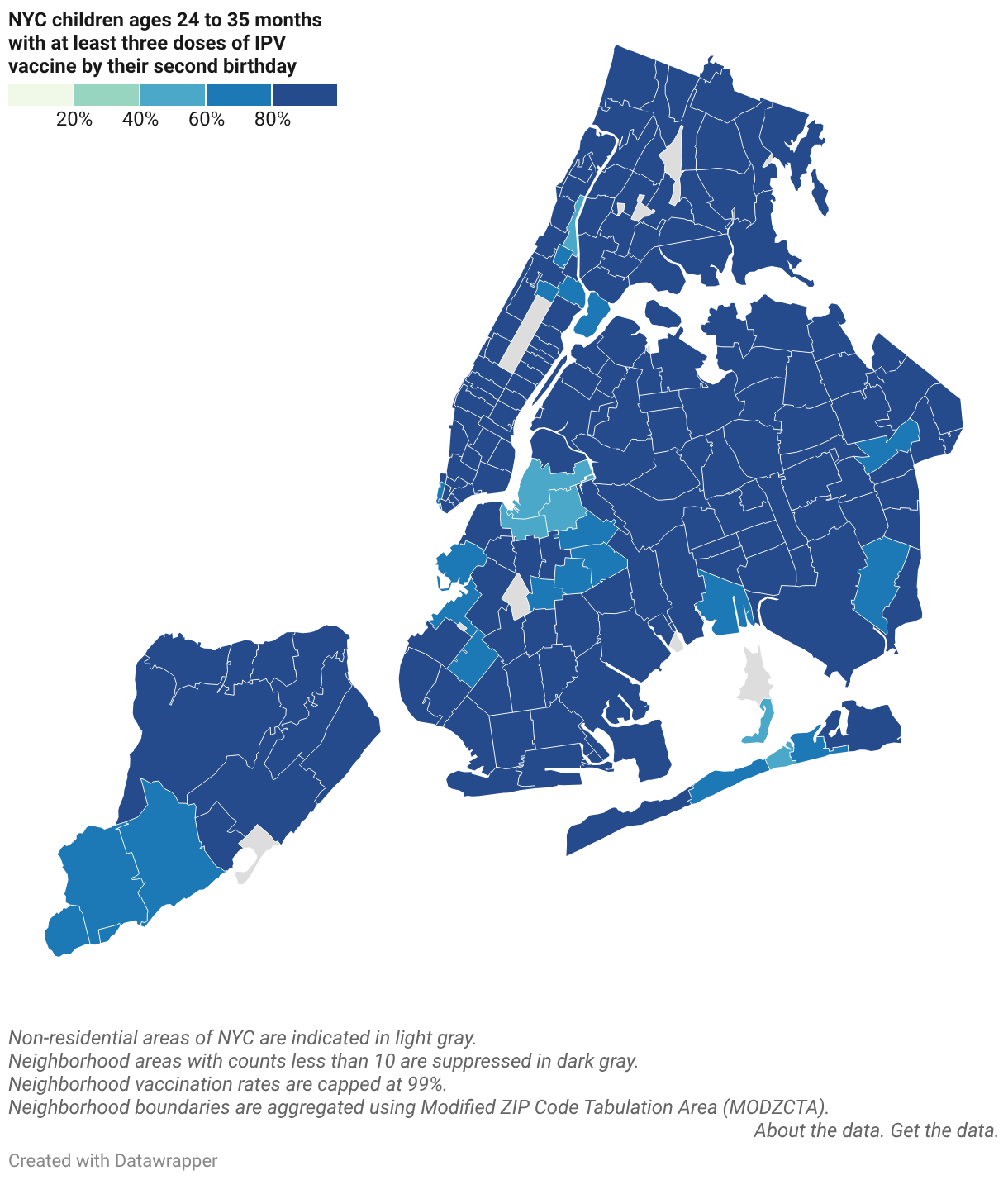
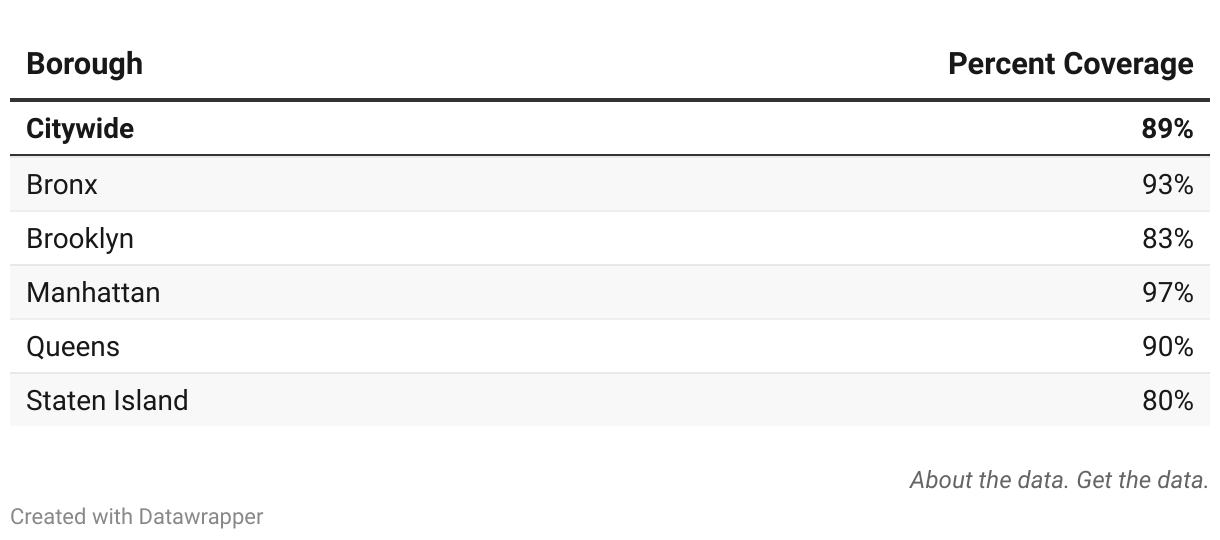
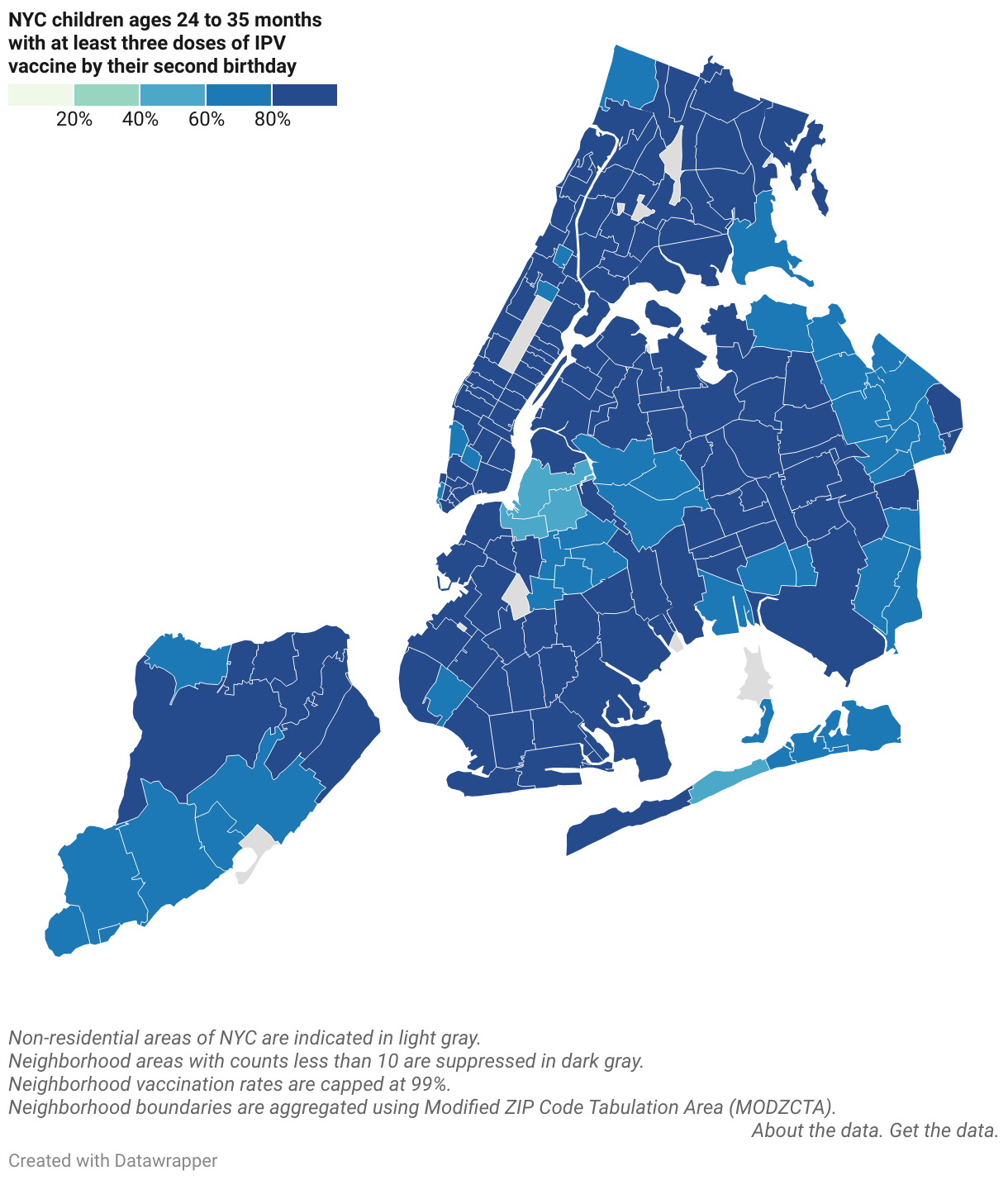
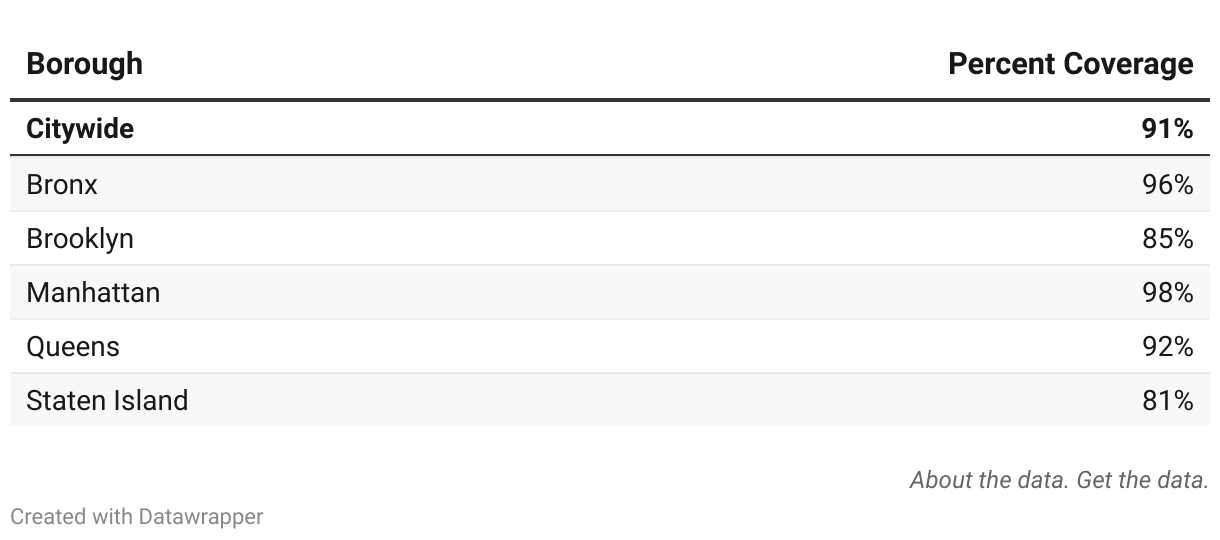
As of December 31, 2024, 96% of NYC children ages 24 to 35 months had received at least three IPV doses by their second birthday.
Go to: Trends Over Time | Race/Ethnicity | ZIP Code
Trends Over Time
This chart shows the percent of NYC children ages 24 to 35 months who received at least three IPV doses by their second birthday, by year.
Vaccination by Race/Ethnicity
This chart shows the percent of NYC children ages 24 to 35 months who received at least three IPV doses by their second birthday, by race/ethnicity.
Vaccination by ZIP Code
This chart shows the percent of NYC children ages 24 to 35 months who received at least three IPV doses by their second birthday, by ZIP code. Polio Vaccination Coverage as of December 31, 2024

Polio Vaccination Coverage as of June 30, 2024
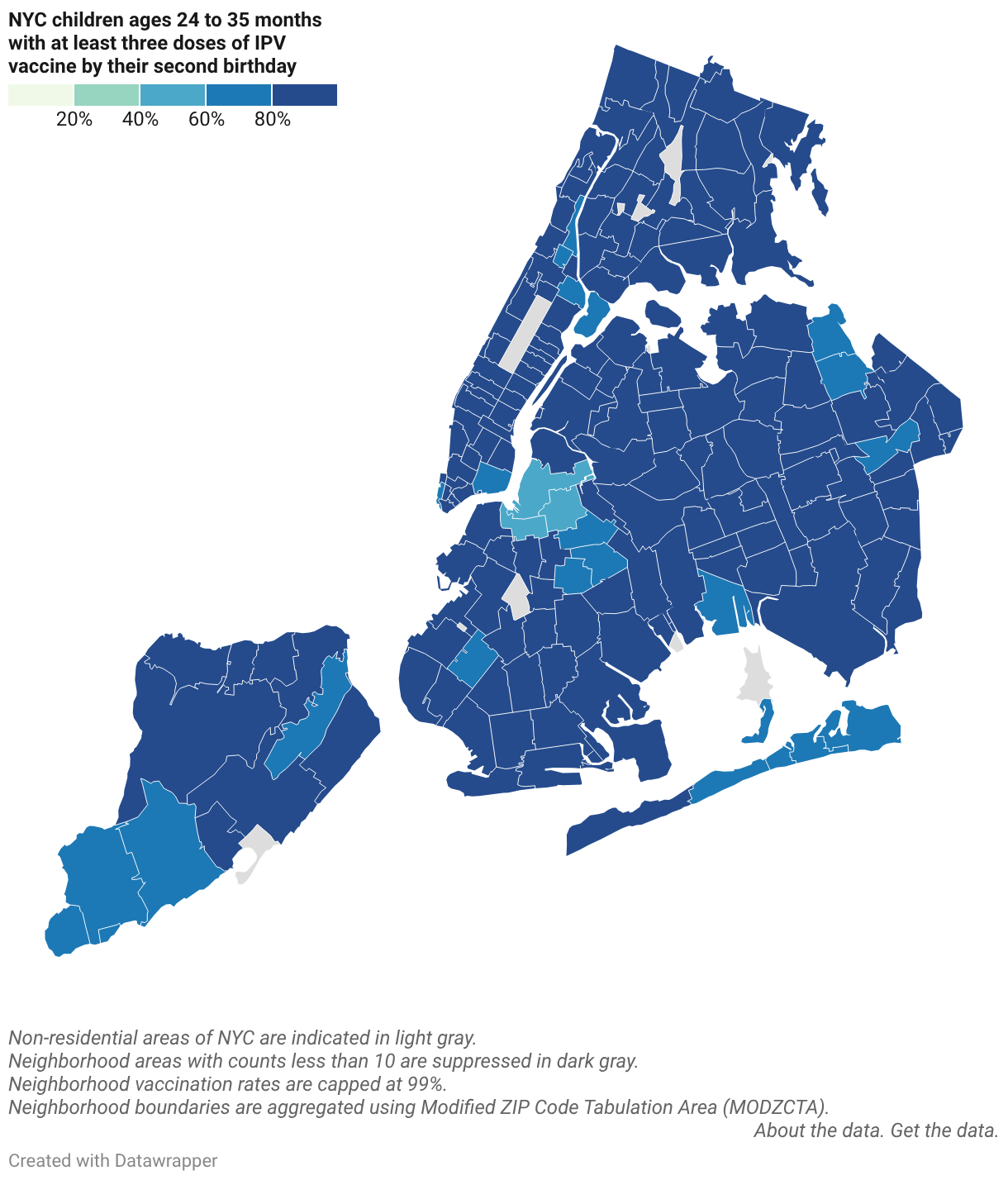
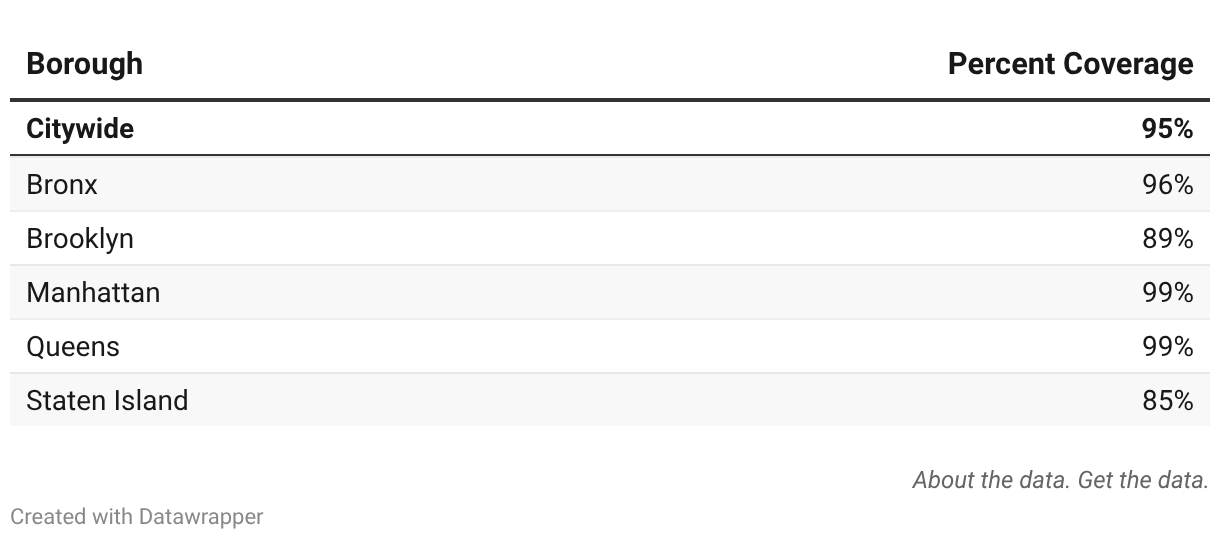
Polio Vaccination Coverage as of December 31, 2023

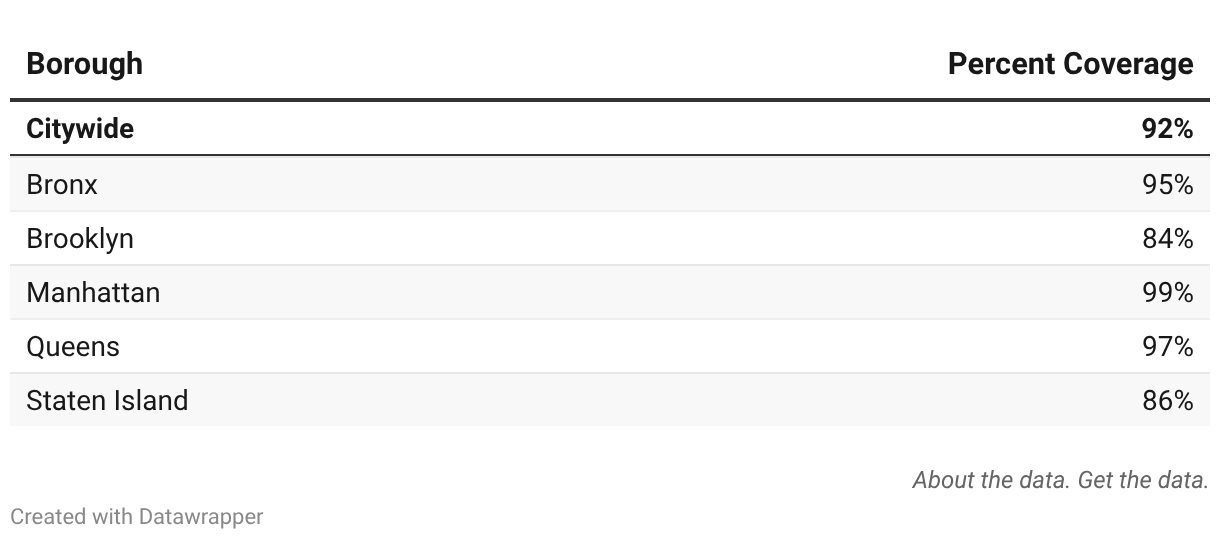
Polio Vaccination Coverage as of June 30, 2023
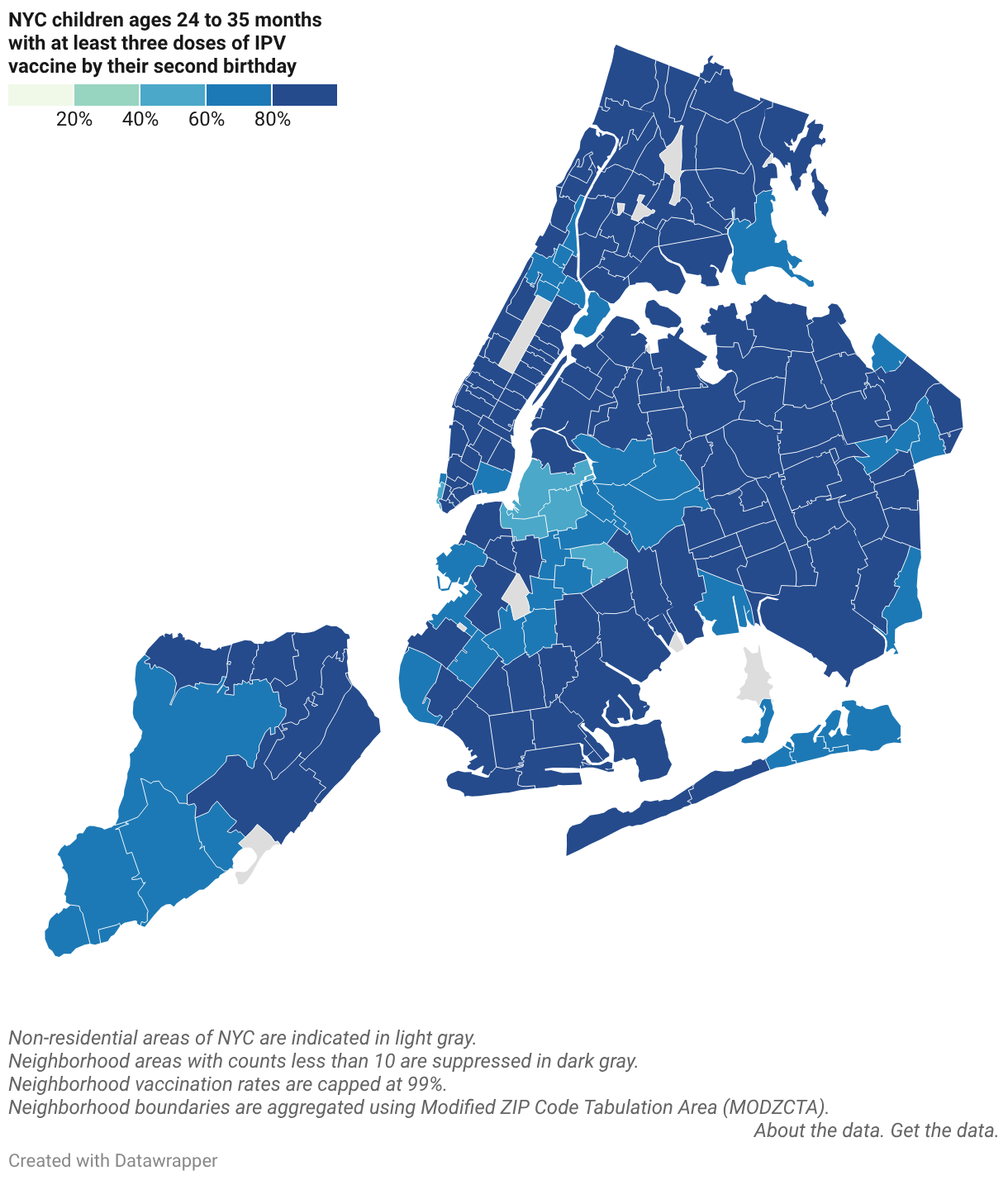

Polio Vaccination Coverage as of December 31, 2022
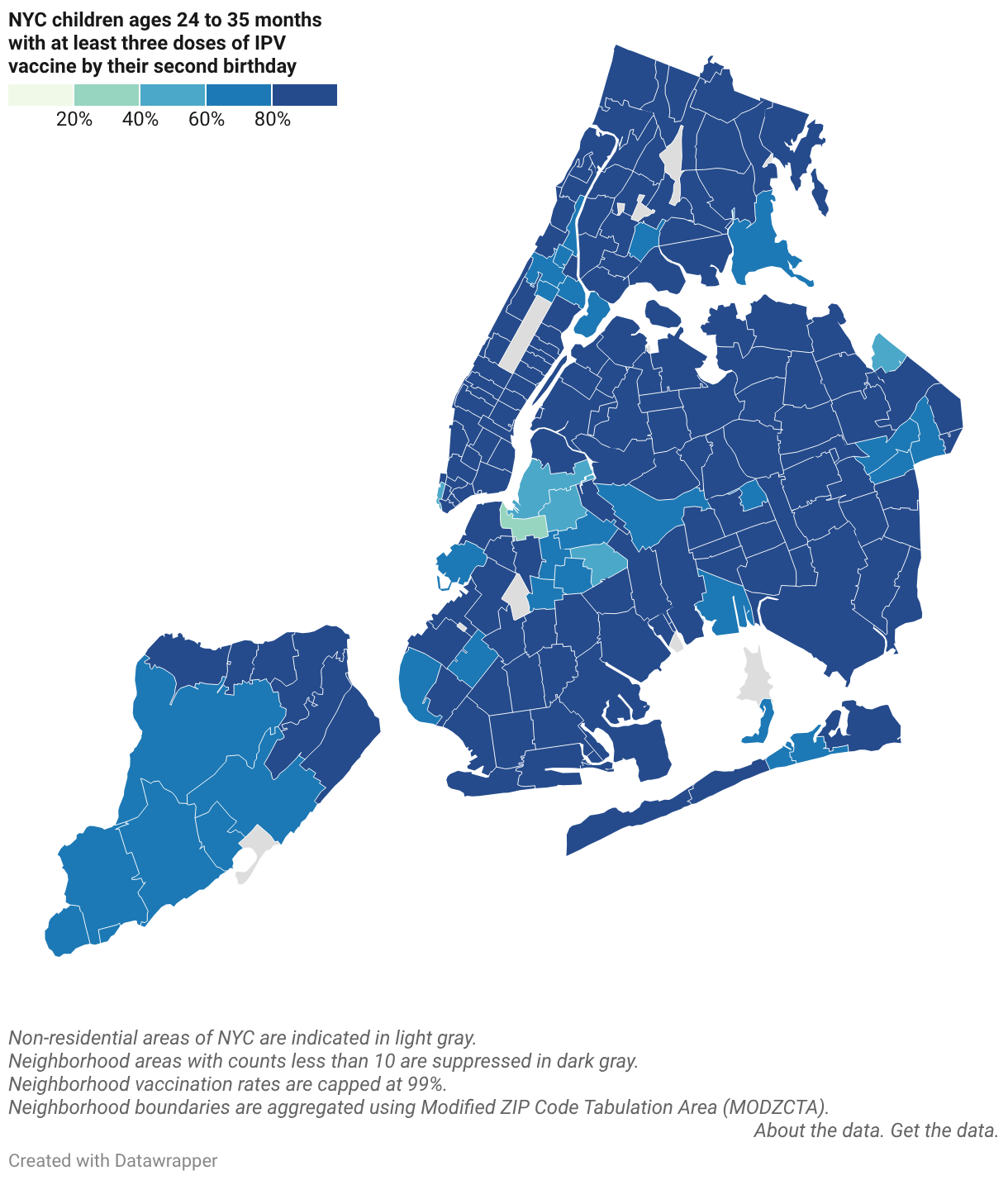
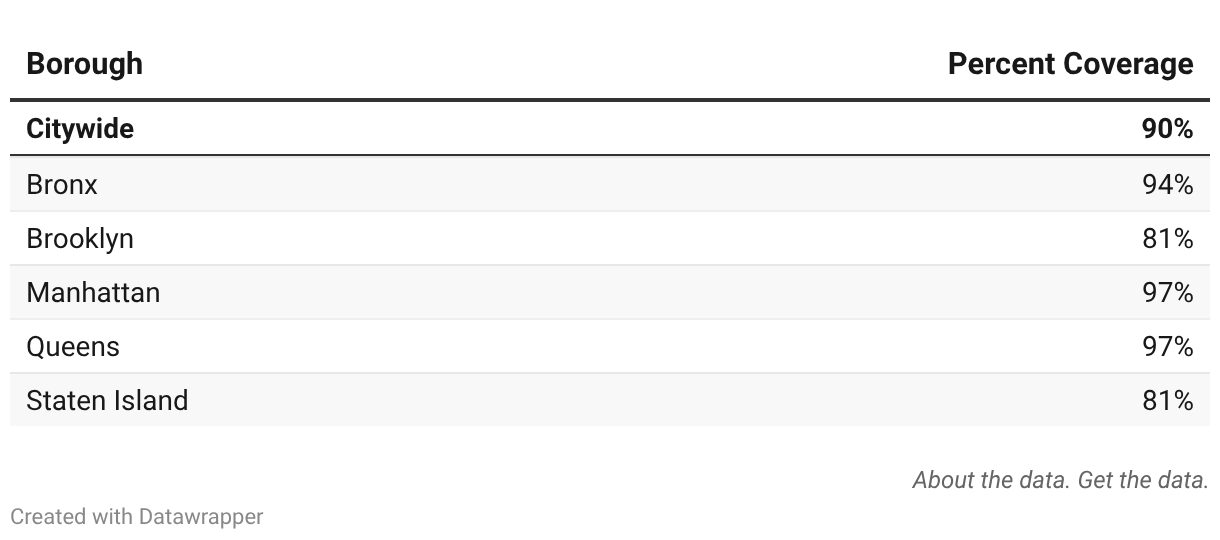
Polio Vaccination Coverage as of June 30, 2022
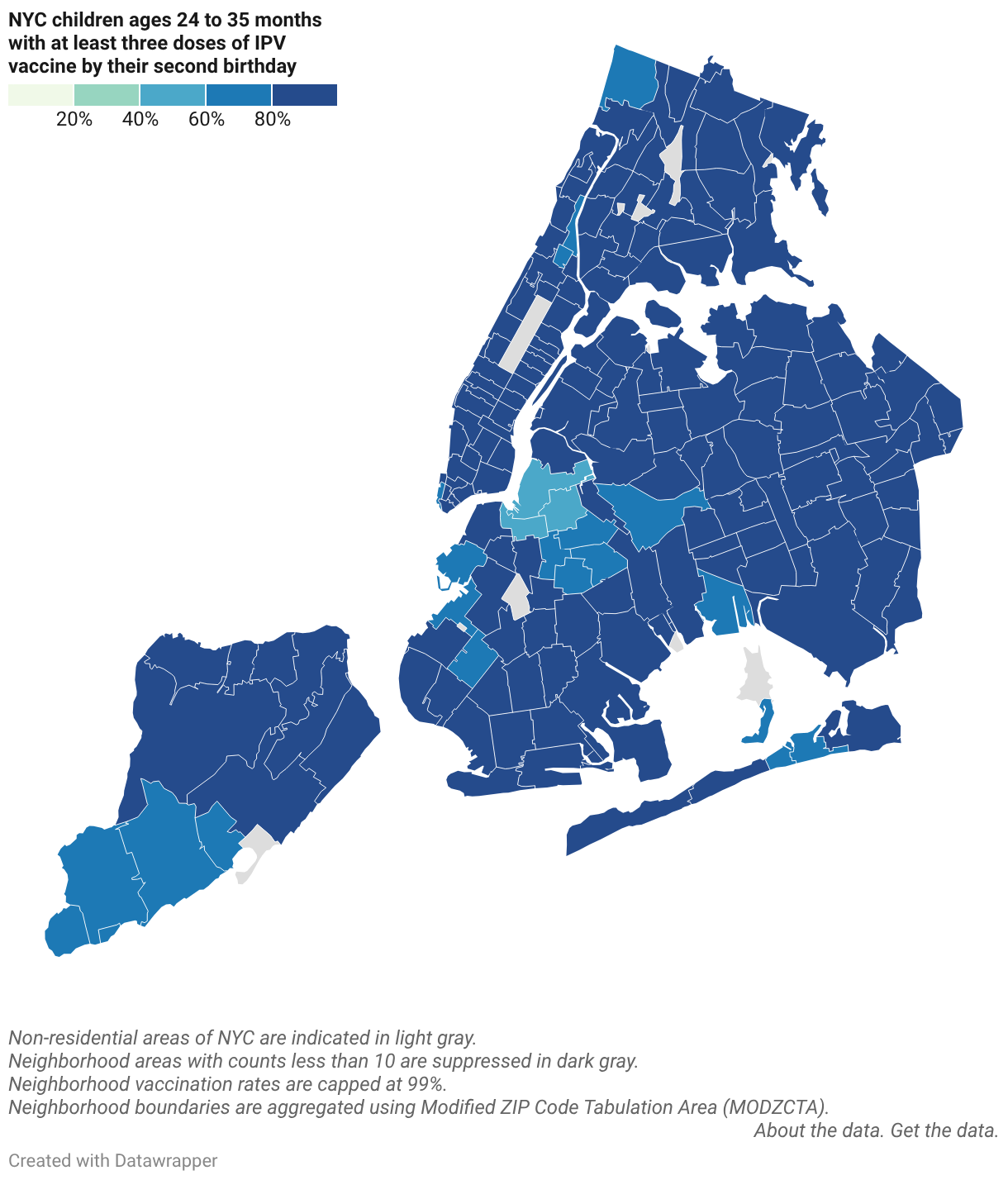
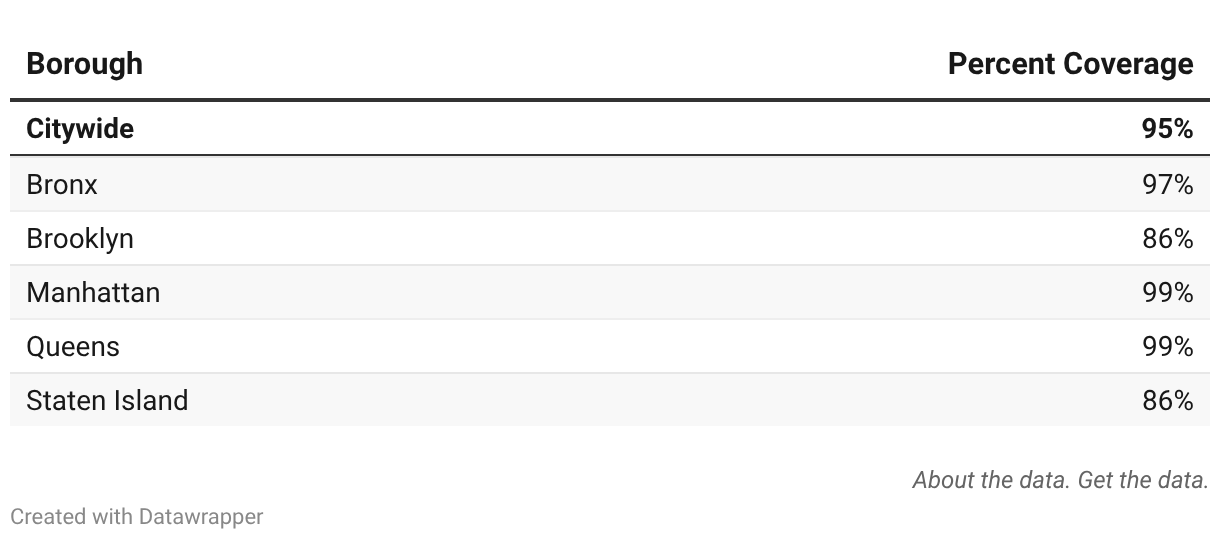
Polio Vaccination Coverage as of December 31, 2021
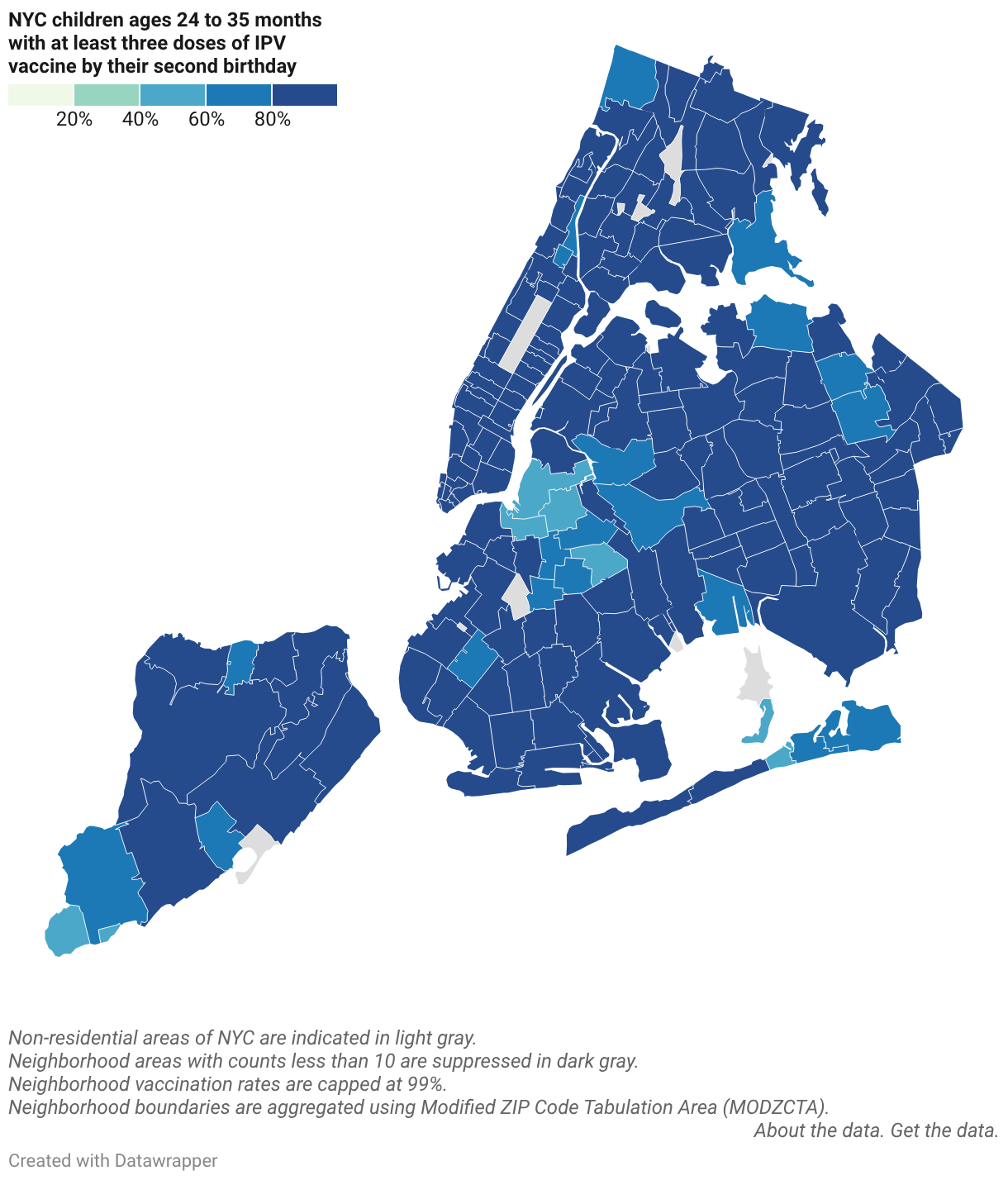

Polio Vaccination Coverage as of June 30, 2021
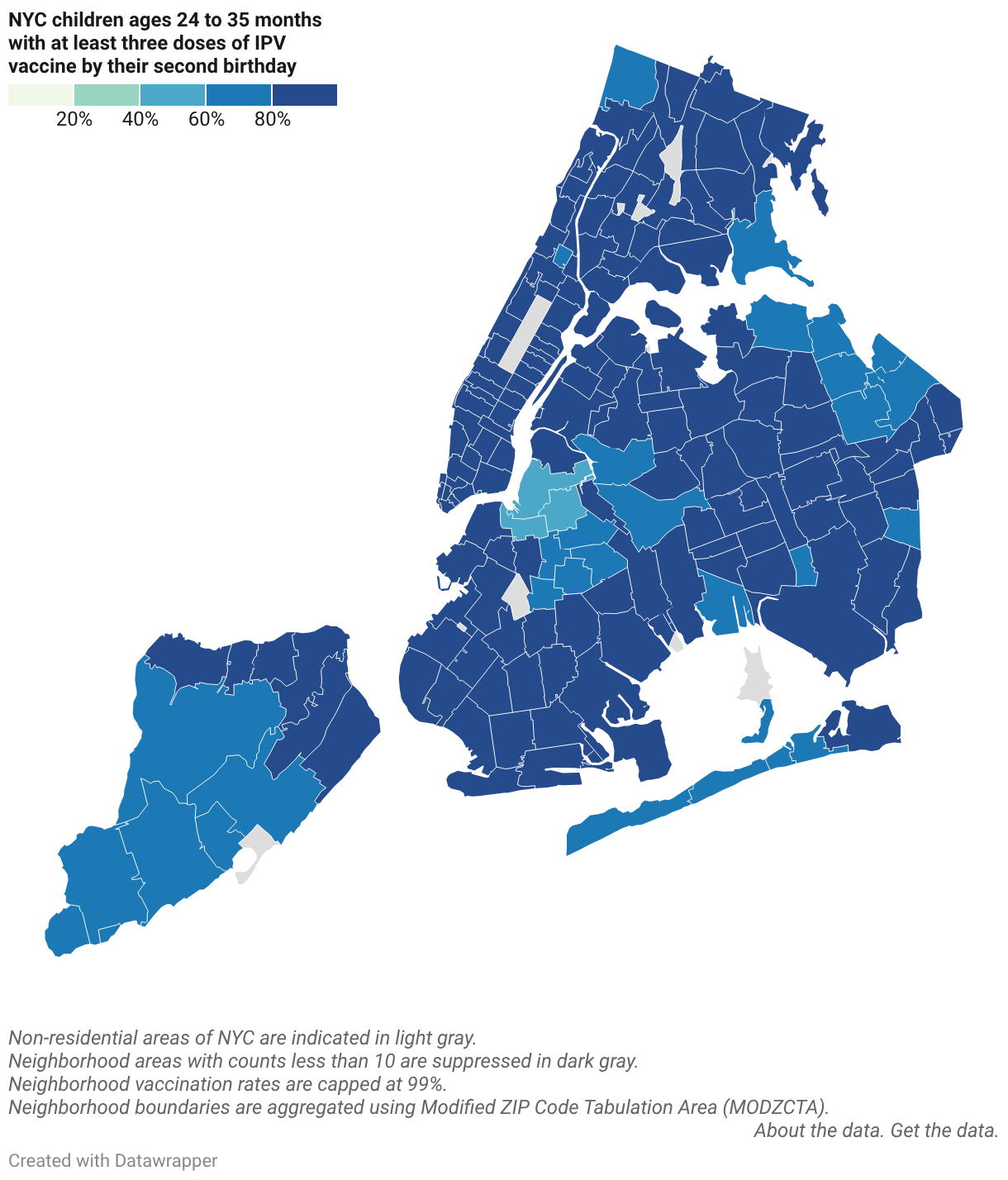
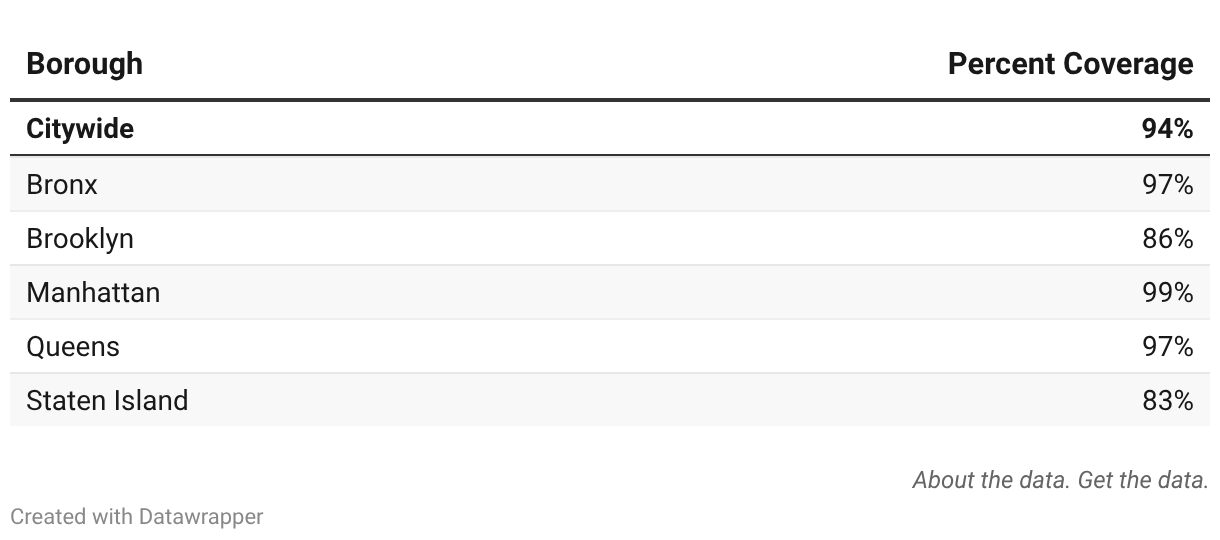
Polio Vaccination Coverage as of December 31, 2020
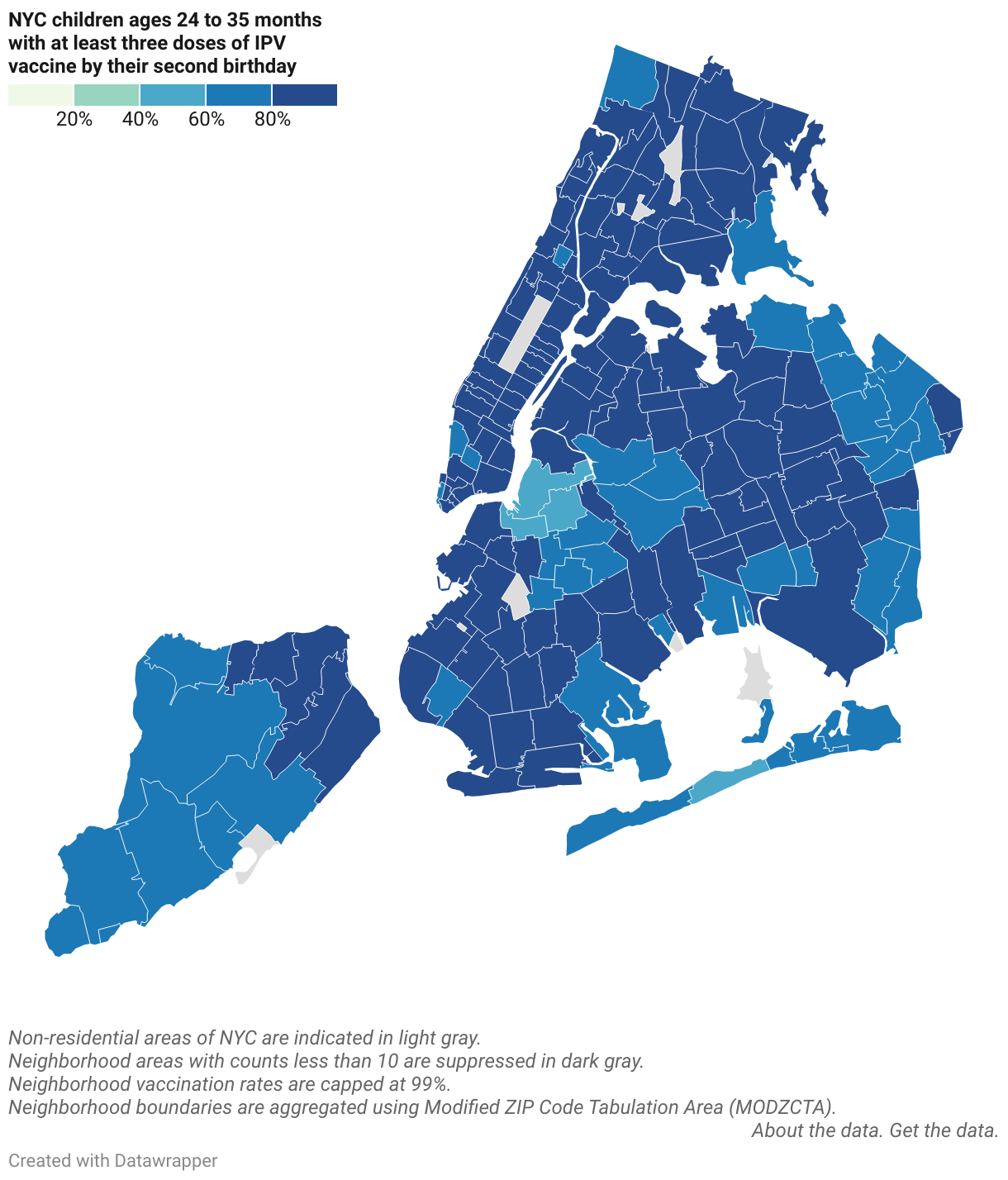
Polio Vaccination Coverage as of June 30, 2020
Measles Mumps Rubella (MMR) Vaccine
MMR vaccine is a combination vaccine that protects against measles, mumps and rubella infections. MMR vaccine is recommended at the following ages:12 to 15 months 4 to 6 years
This page shows vaccination coverage for 2-year-olds (ages 24 to 35 months) who received at least one MMR dose by their second birthday.
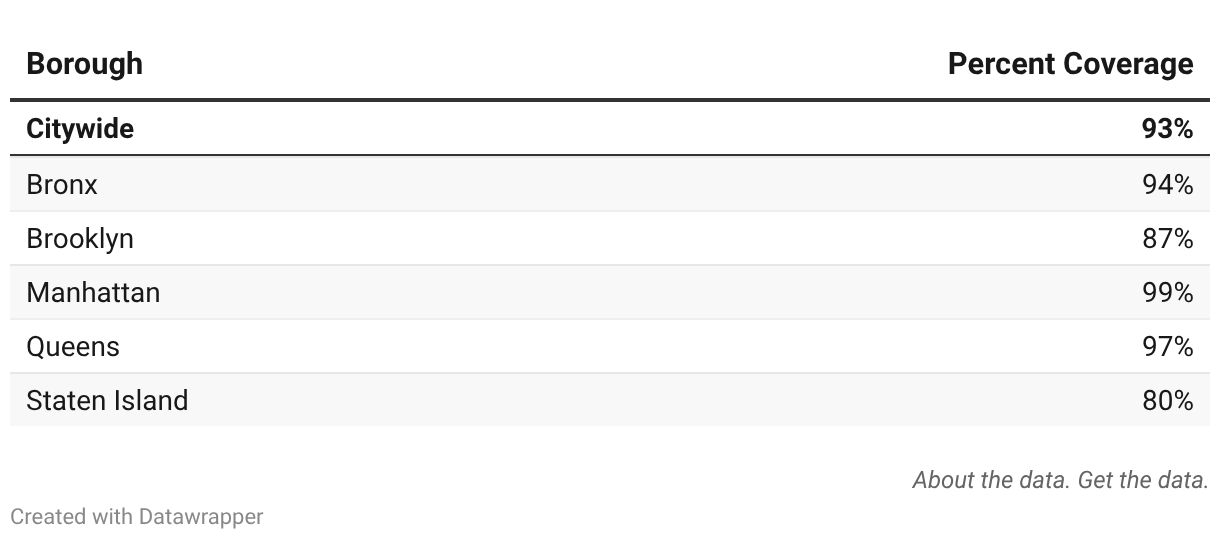
As of December 31, 2024, 95% of NYC children ages 24 to 35 months had received at least one MMR dose by their second birthday.
Go to: Trends Over Time | Race/Ethnicity | ZIP Code
Trends Over Time
This chart shows the percent of NYC children ages 24 to 35 months who received at least one MMR dose by their second birthday, by year.
Vaccination by Race/Ethnicity
This chart shows the percent of NYC children ages 24 to 35 months who received at least one MMR dose by their second birthday, by race/ethnicity.
Vaccination by ZIP Code
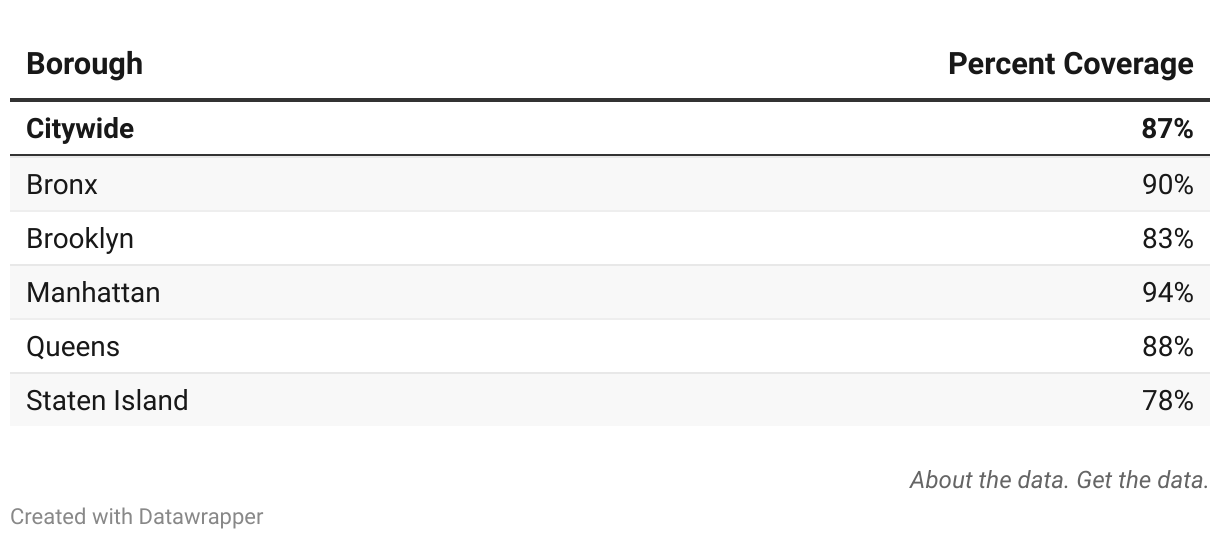
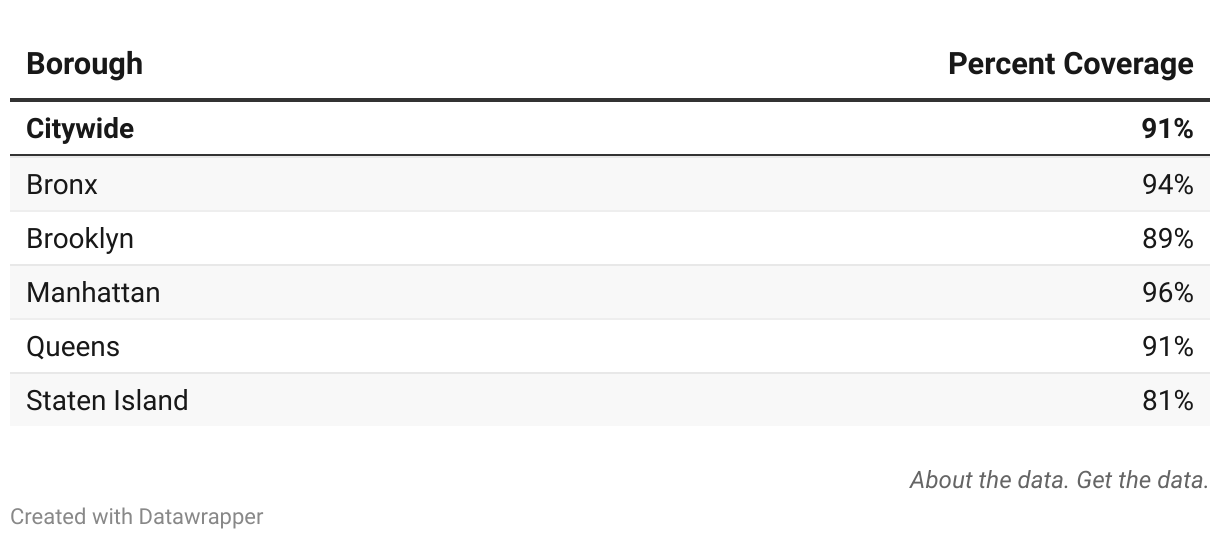
This chart shows the percent of NYC children ages 24 to 35 months who received at least one MMR dose by their second birthday, by ZIP code. MMR Vaccination Coverage as of December 31, 2024

MMR Vaccination Coverage as of June 30, 2024
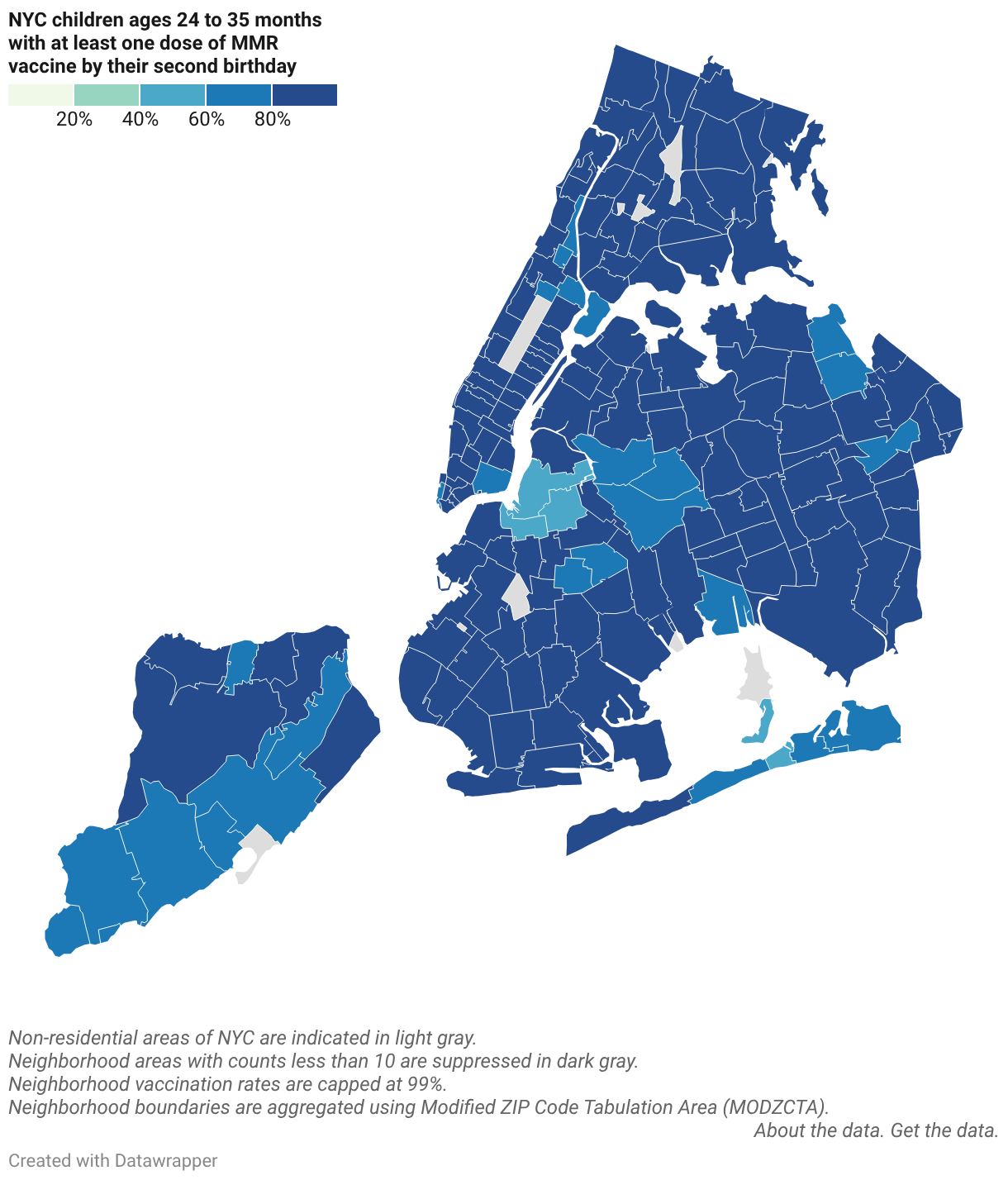
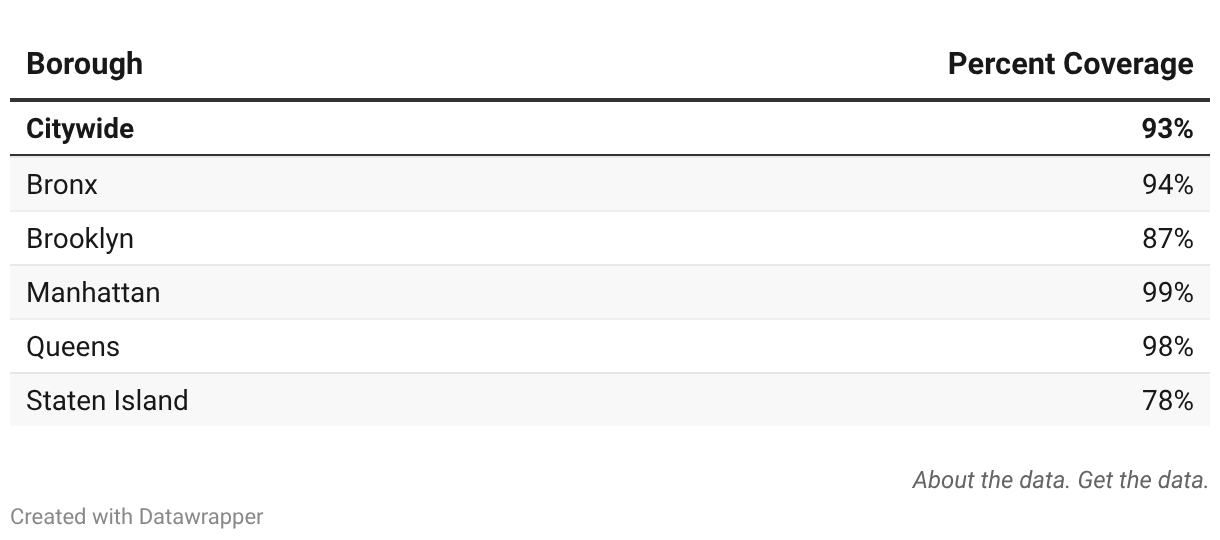
MMR Vaccination Coverage as of December 31, 2023
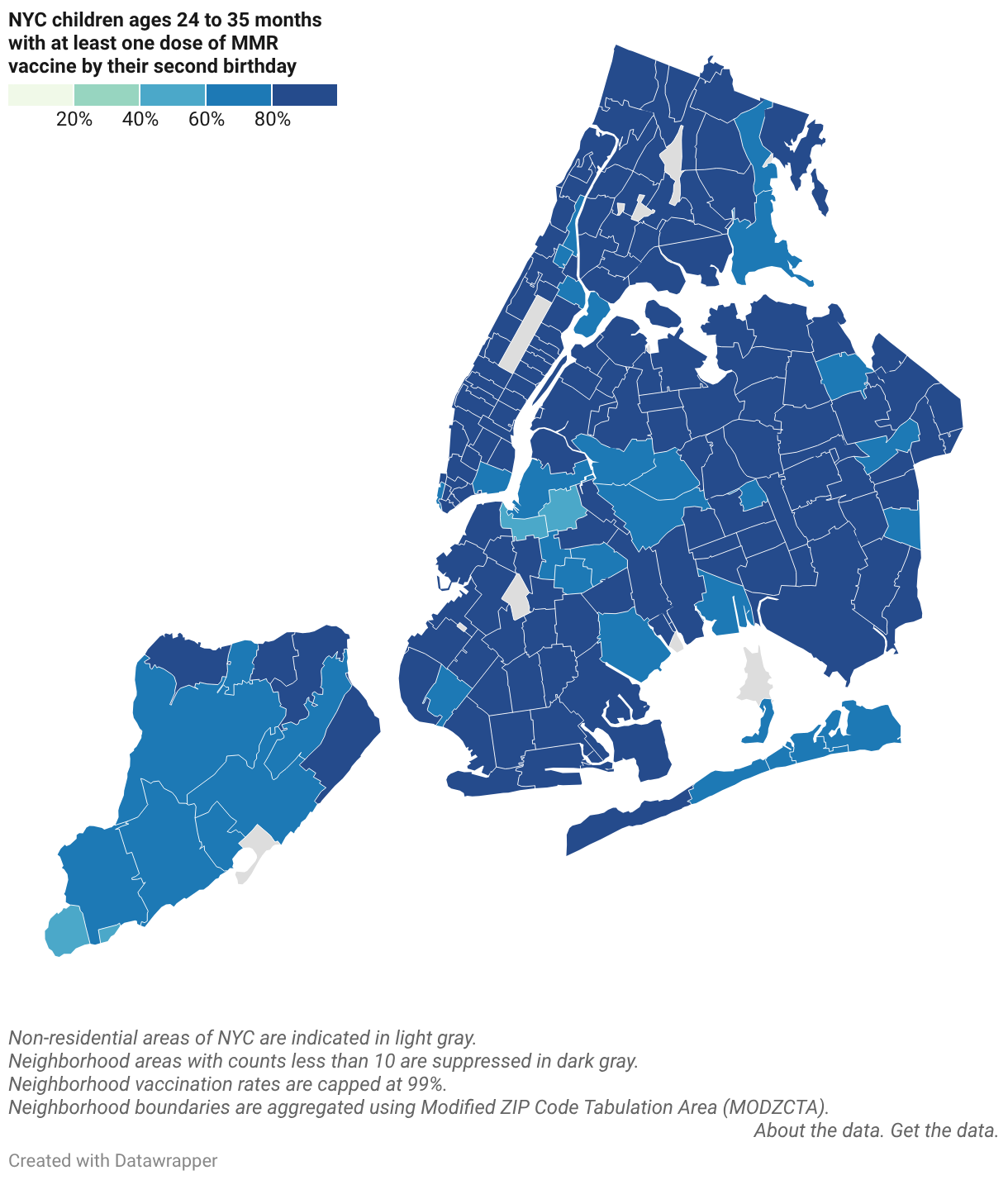
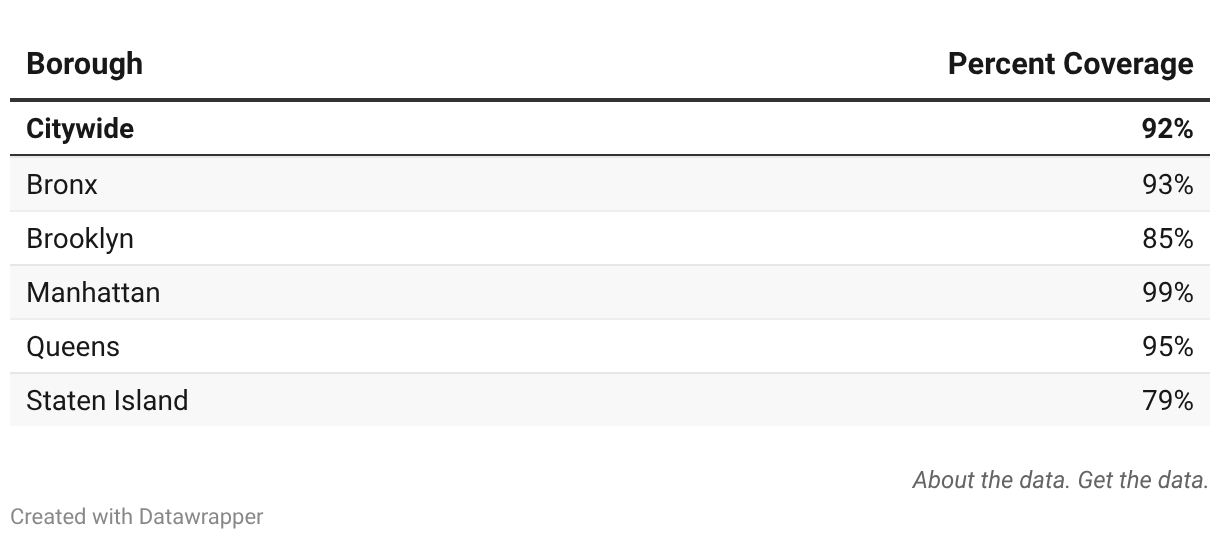
MMR Vaccination Coverage as of June 30, 2023
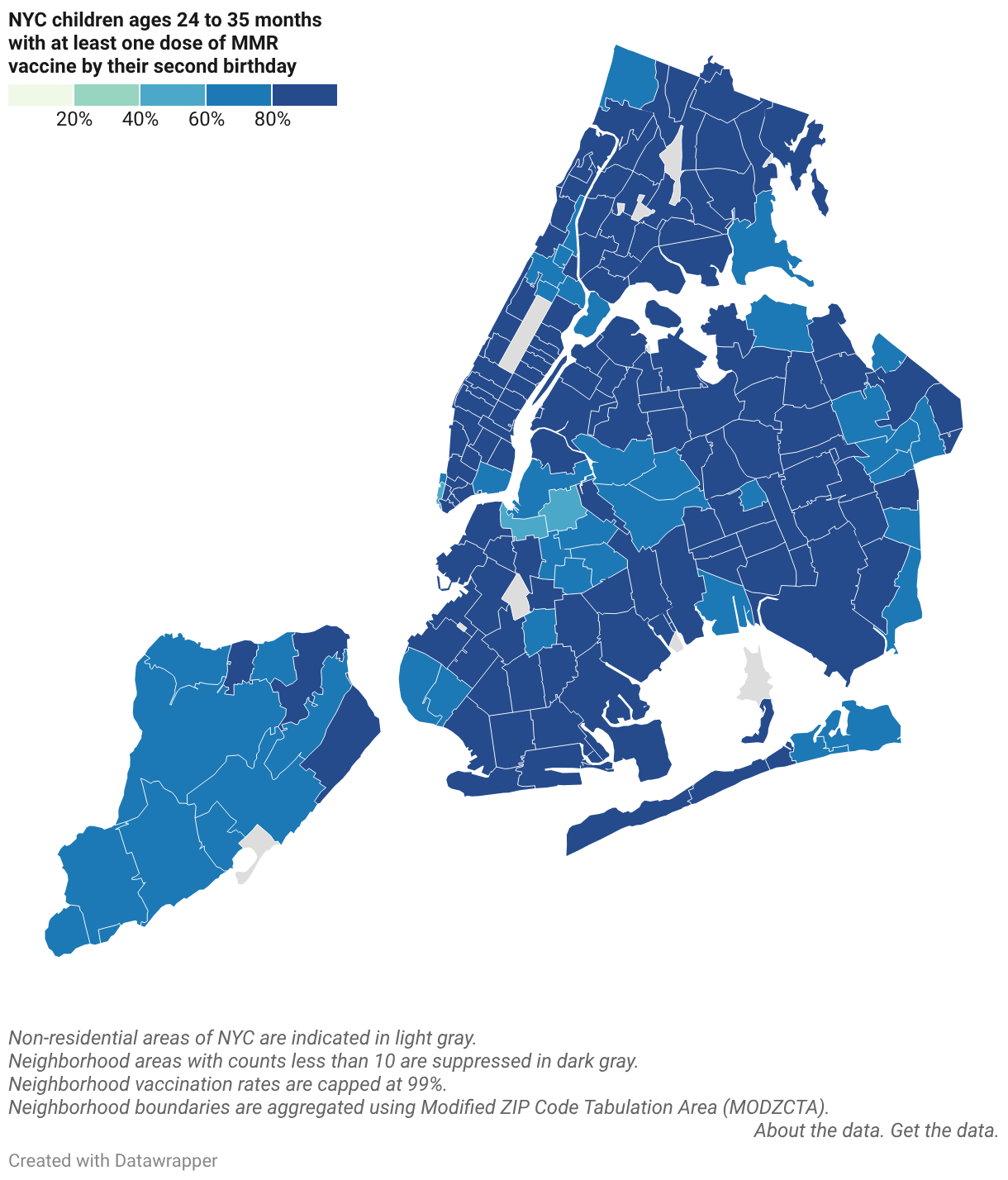

MMR Vaccination Coverage as of December 31, 2022
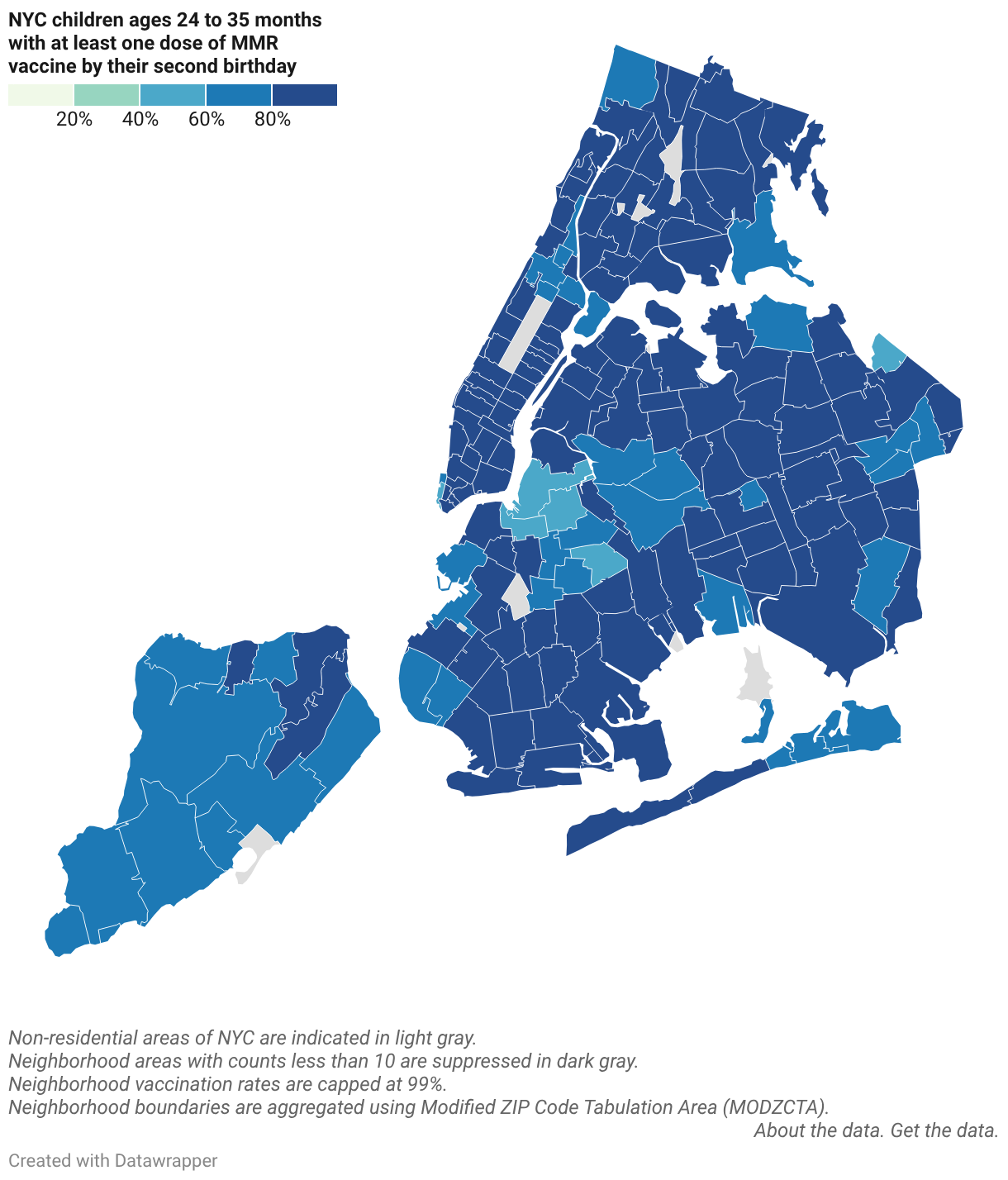
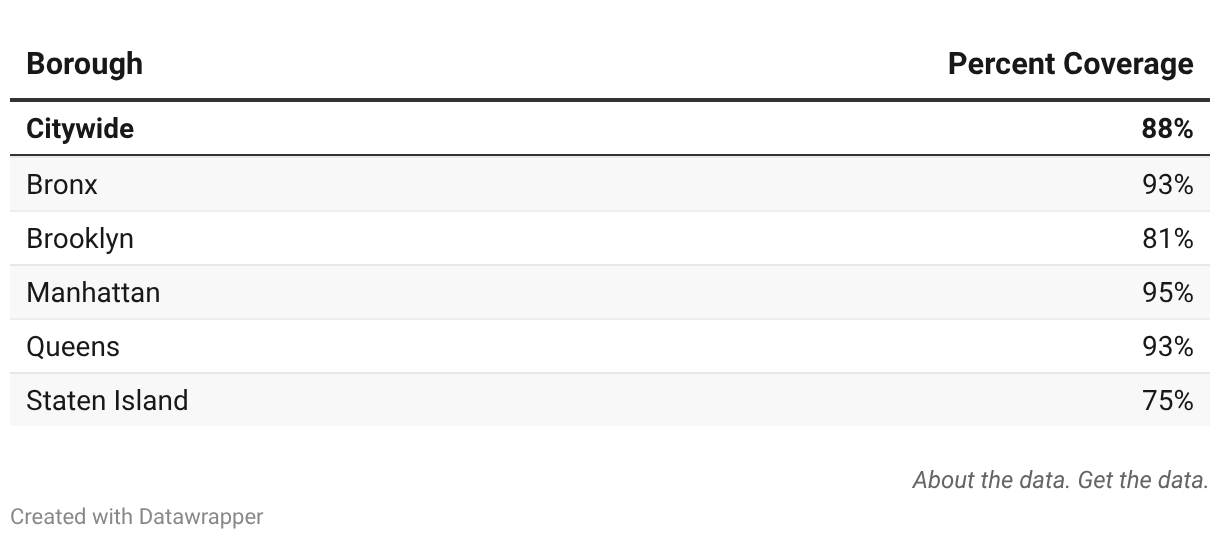
MMR Vaccination Coverage as of June 30, 2022


MMR Vaccination Coverage as of December 31, 2021
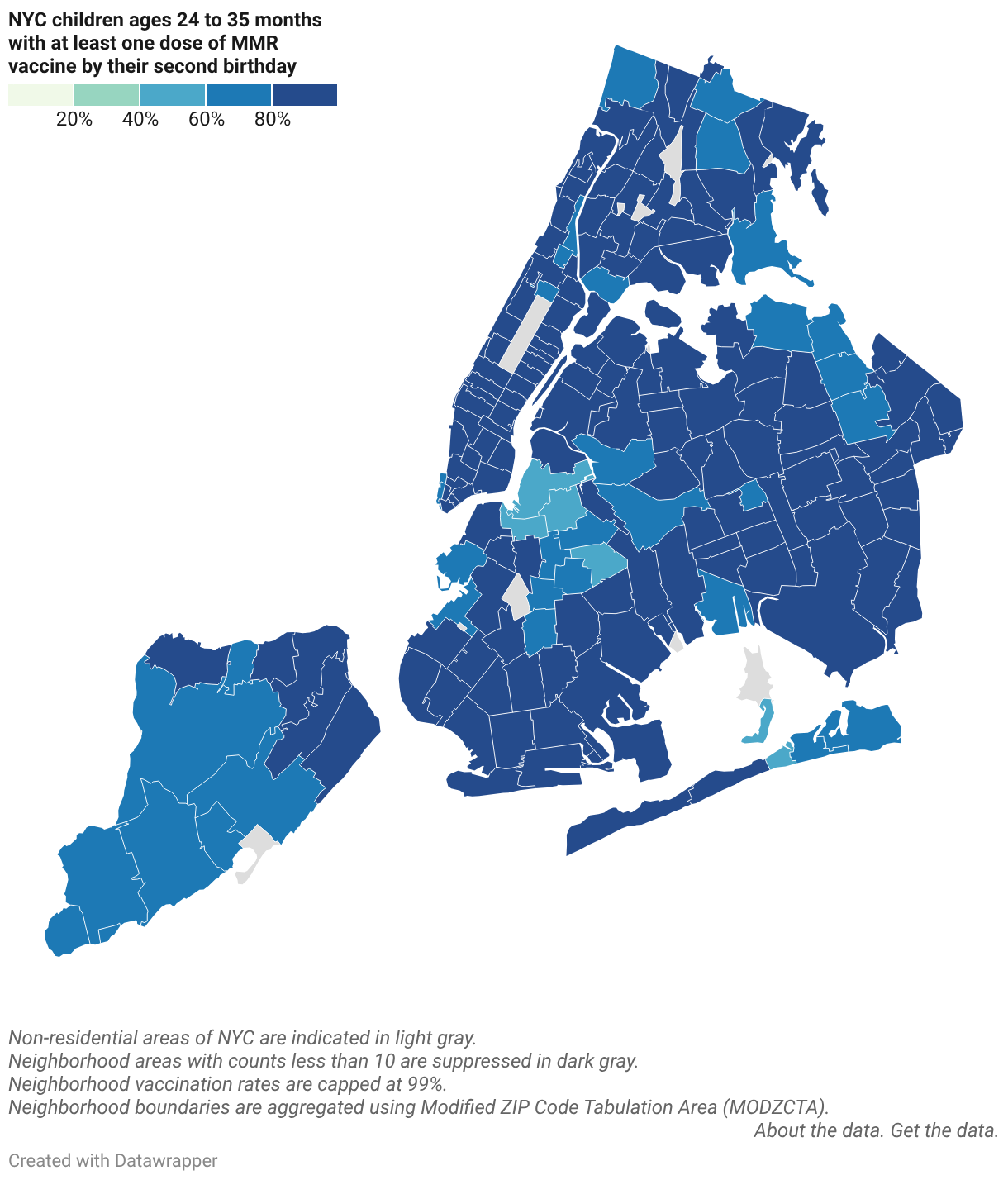
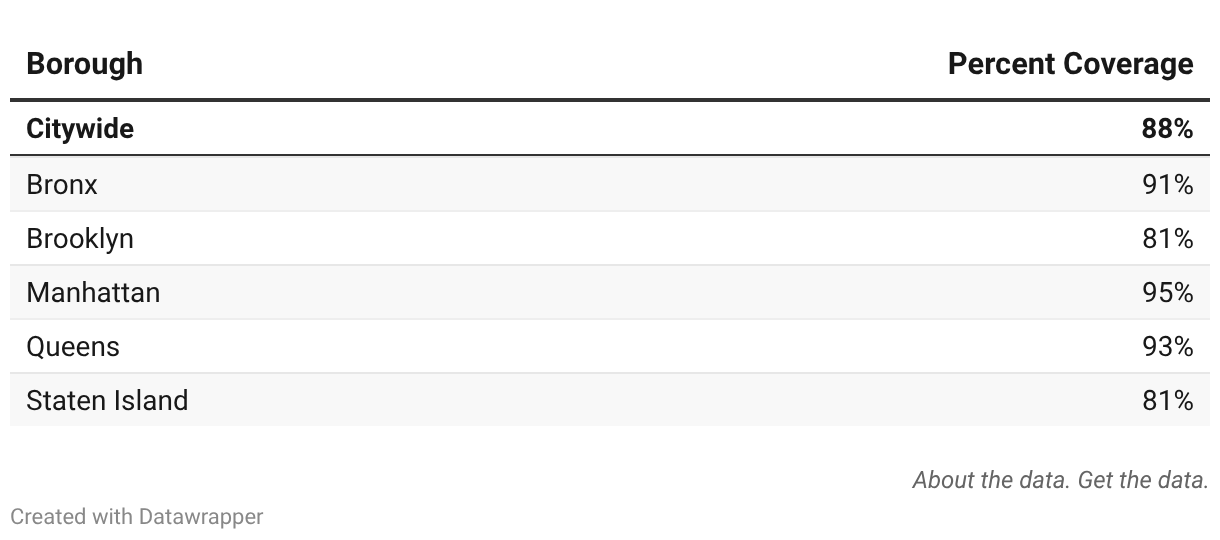
MMR Vaccination Coverage as of June 30, 2021
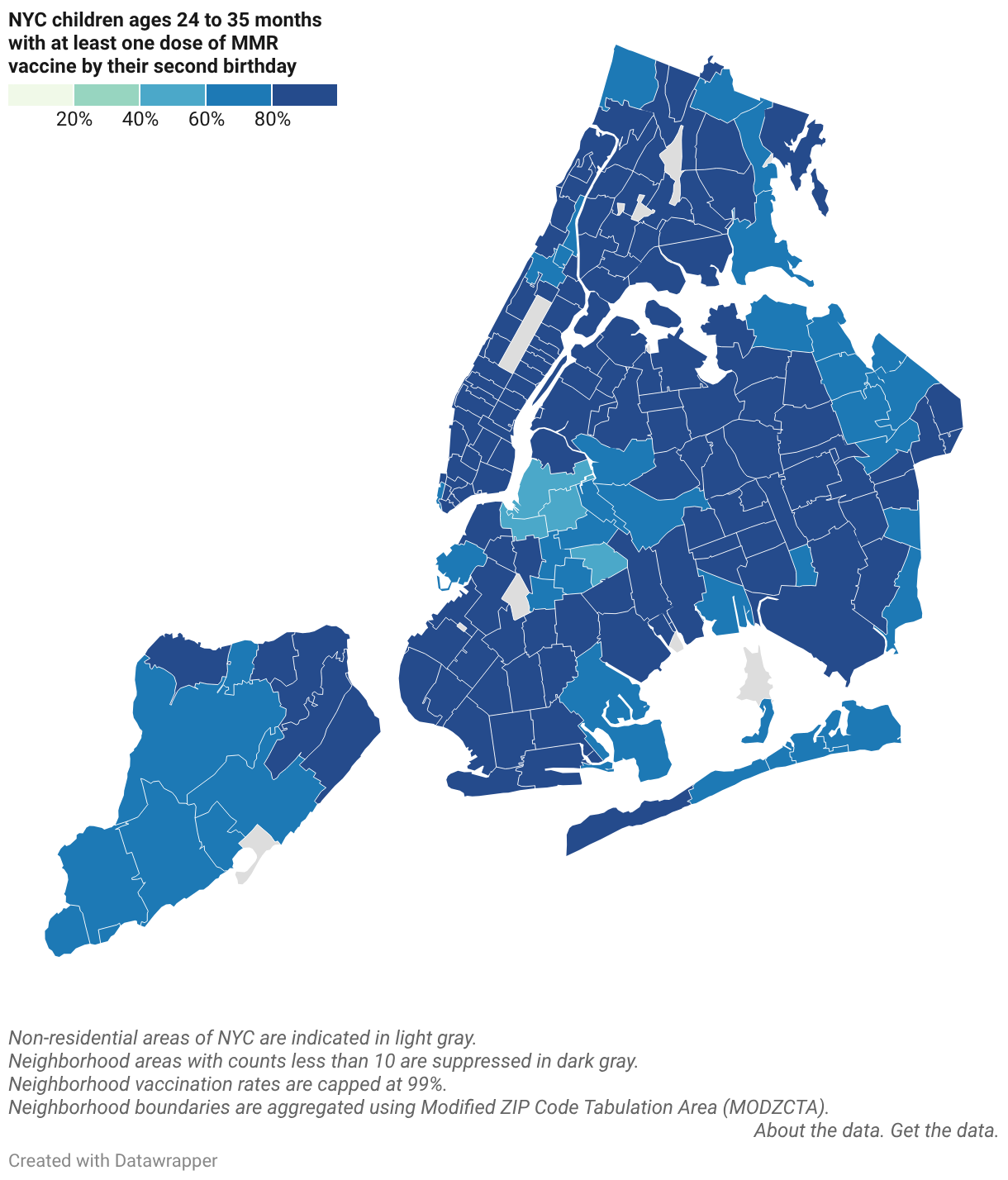
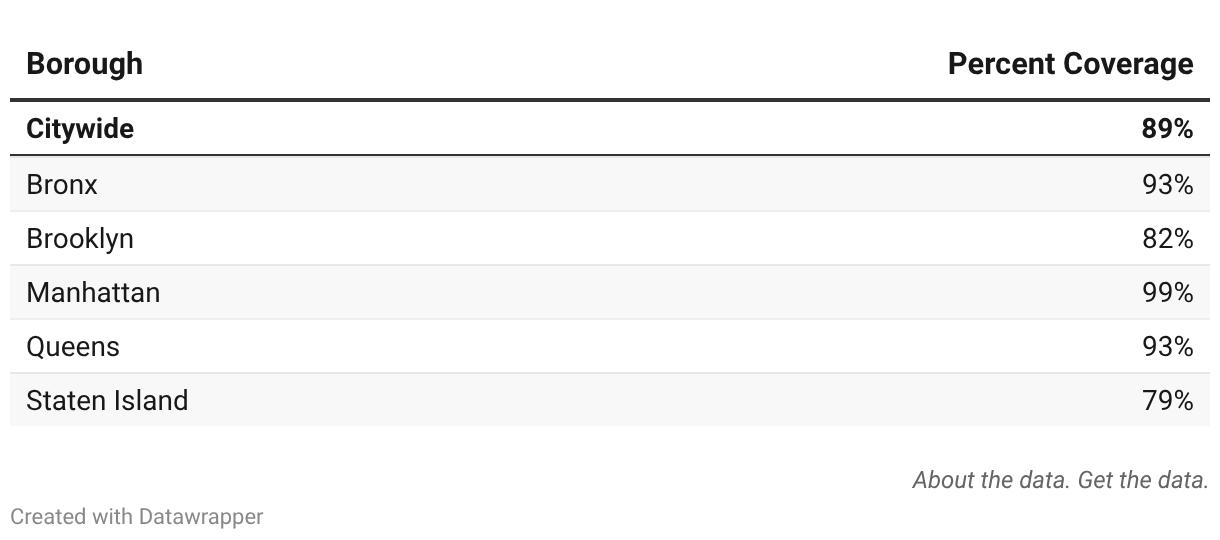
MMR Vaccination Coverage as of December 31, 2020
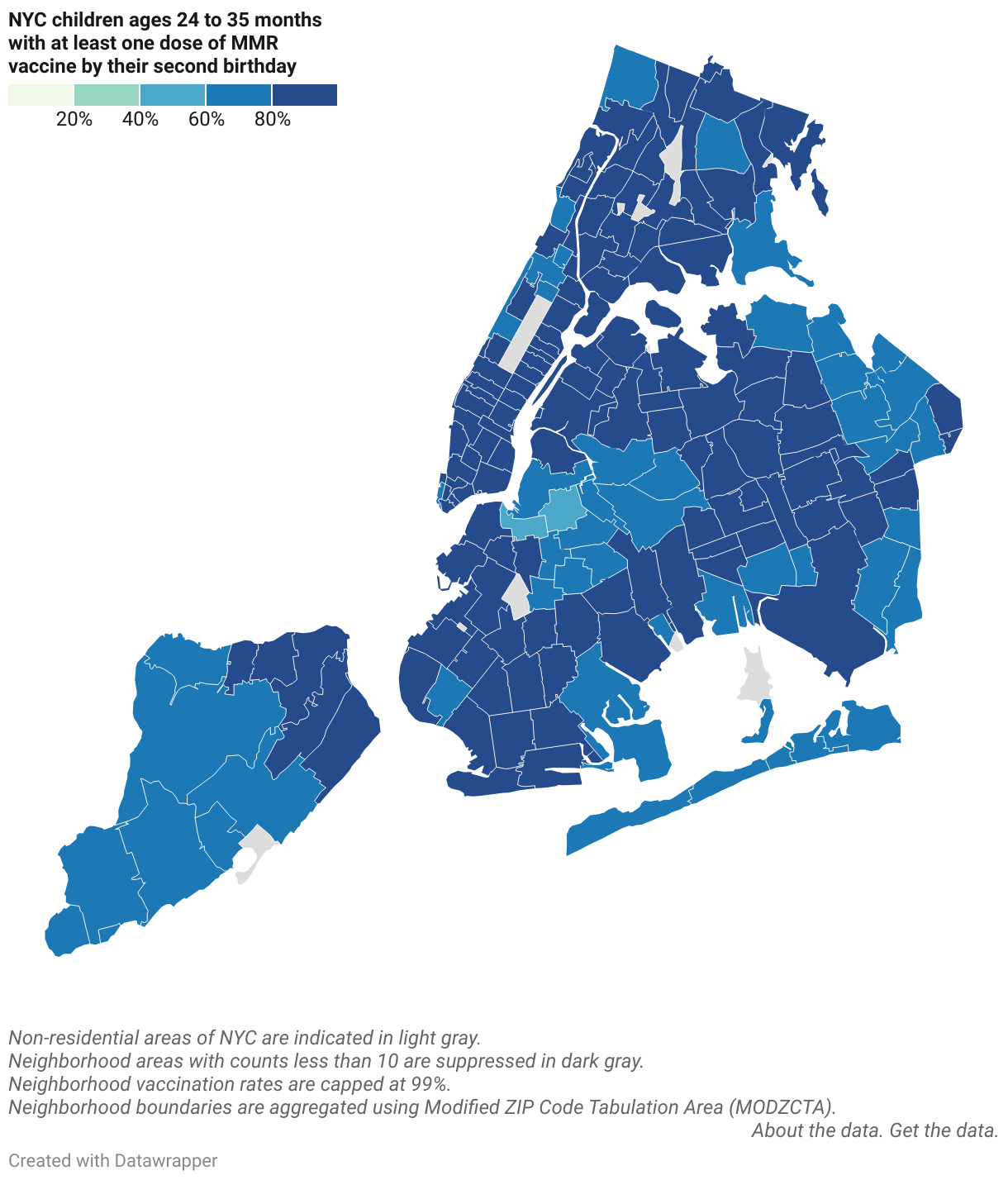
MMR Vaccination Coverage as of June 30, 2020

Haemophilus Influenzae Type B (Hib) Vaccine
Haemophilus influenzae type b (Hib) vaccine protects against infection with the type b strain of Haemophilus influenzae bacteria. Hib vaccine is recommended as either a three- or four-dose series for infants. The number of doses in the series depends on the vaccine product type.The three-dose series is recommended at the following ages:
The four-dose series is recommended at the following ages:2 months 4 months 12 to 15 months
2 months 4 months 6 months 12 to 15 months
This page shows vaccination coverage for 2-year-olds (ages 24 to 35 months) who completed the Hib vaccine series by their second birthday.
As of December 31, 2024, 77% of NYC children ages 24 to 35 months had completed the Hib vaccine series by their second birthday.
Go to: Trends Over Time | Race/Ethnicity | ZIP Code
Trends Over Time
This chart shows the percent of NYC children ages 24 to 35 months who completed the Hib vaccine series by their second birthday, by year.
Vaccination by Race/Ethnicity
This chart shows the percent of NYC children ages 24 to 35 months who completed the Hib vaccine series by their second birthday, by race/ethnicity.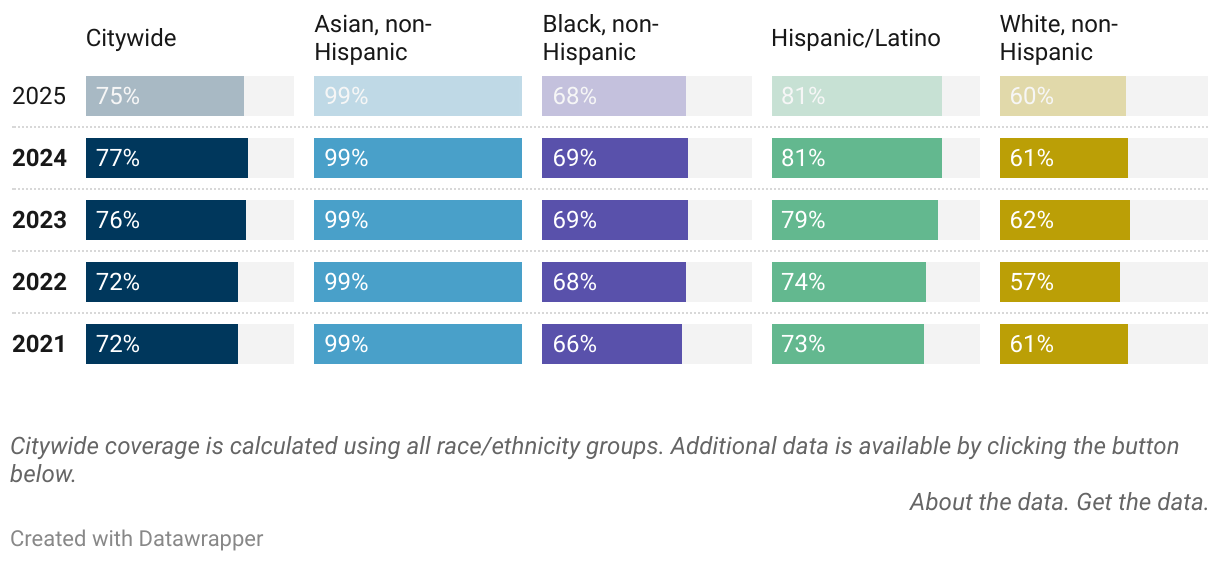
Vaccination by ZIP Code
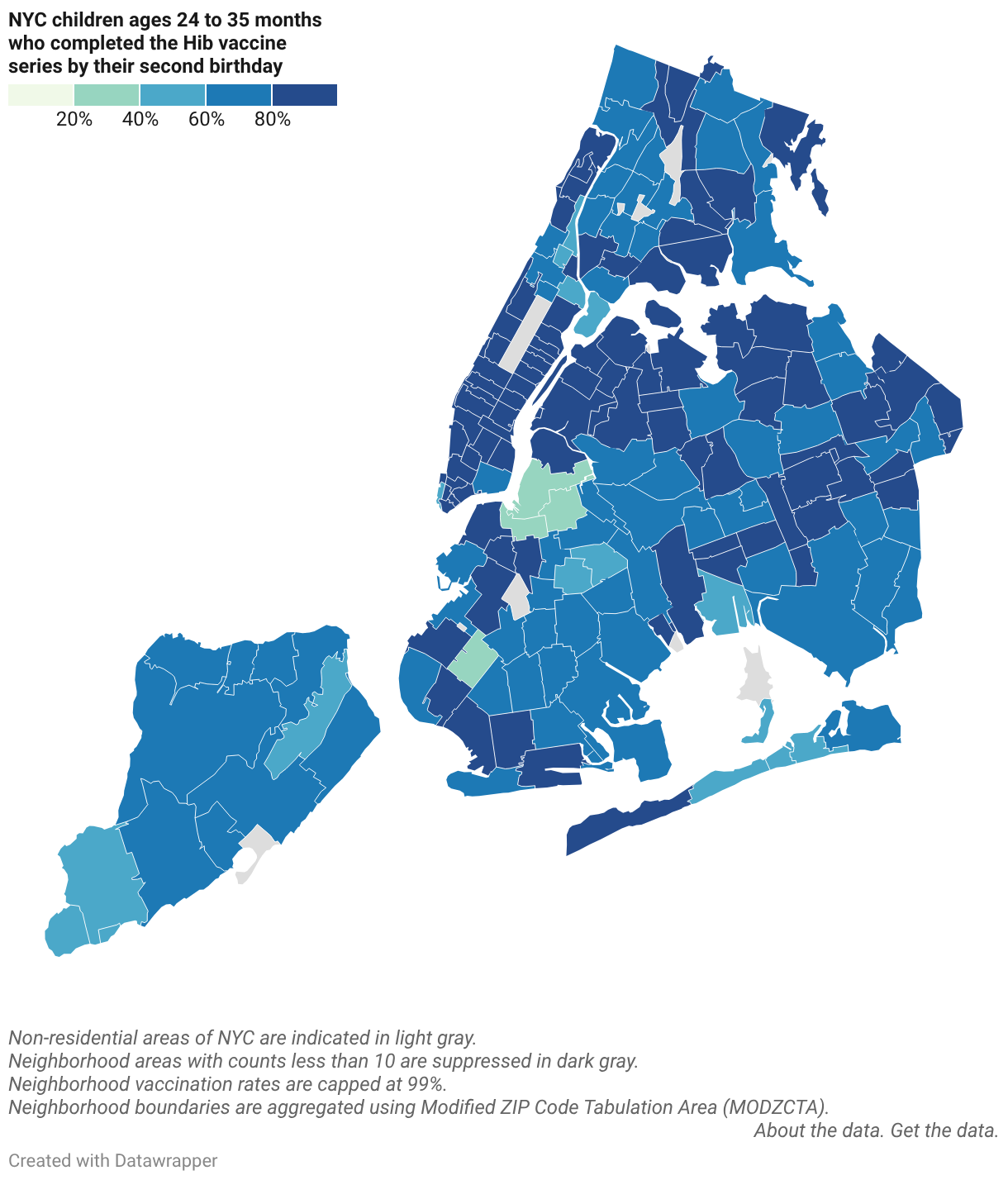
This chart shows the percent of NYC children ages 24 to 35 months who completed the Hib vaccine series their second birthday, by ZIP code. Hib Vaccination Coverage as of December 31, 2024


Hib Vaccination Coverage as of June 30, 2024
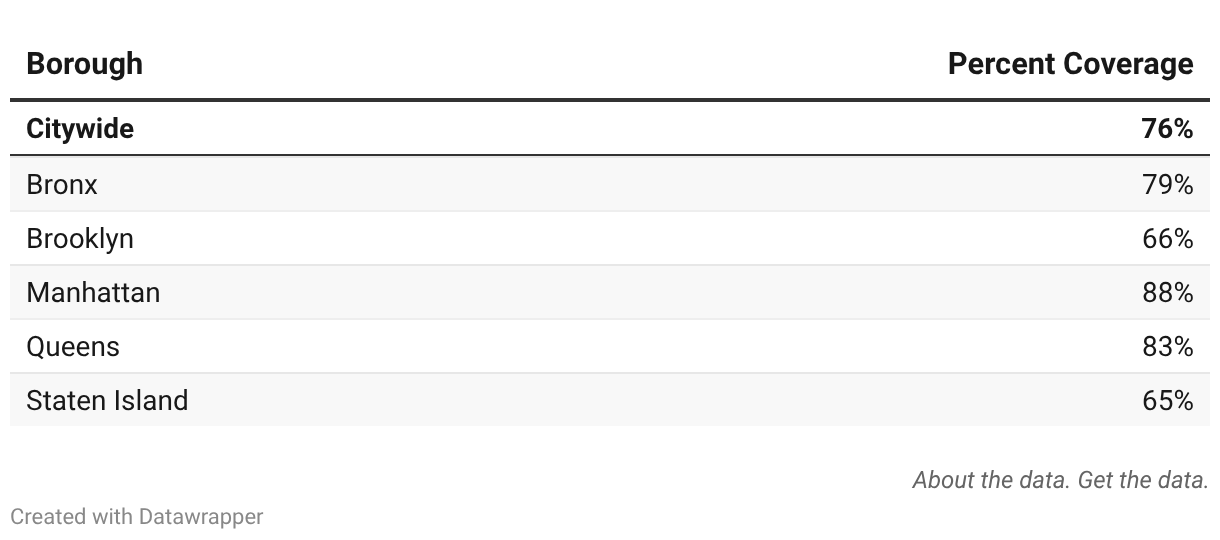
Hib Vaccination Coverage as of December 31, 2023
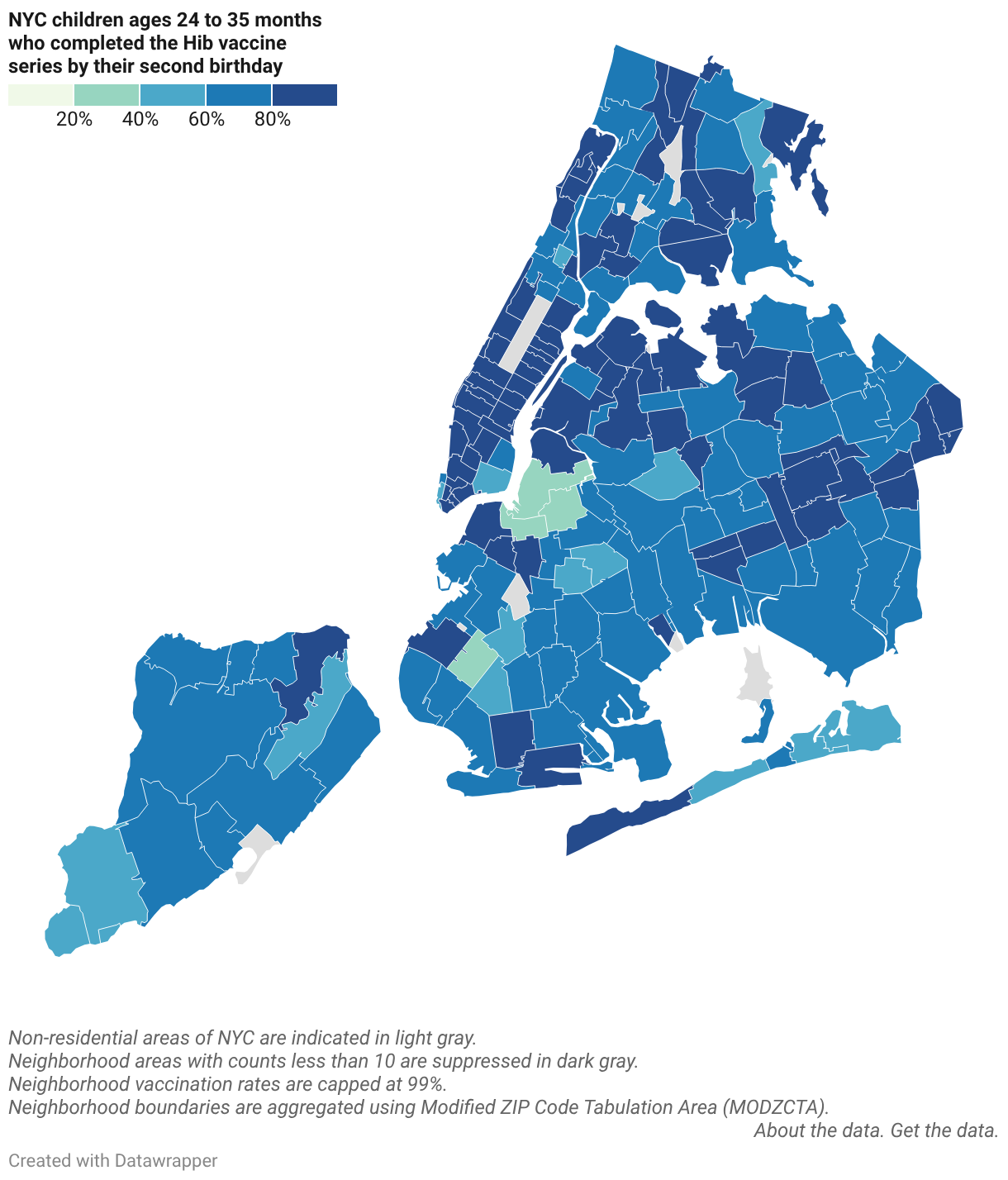
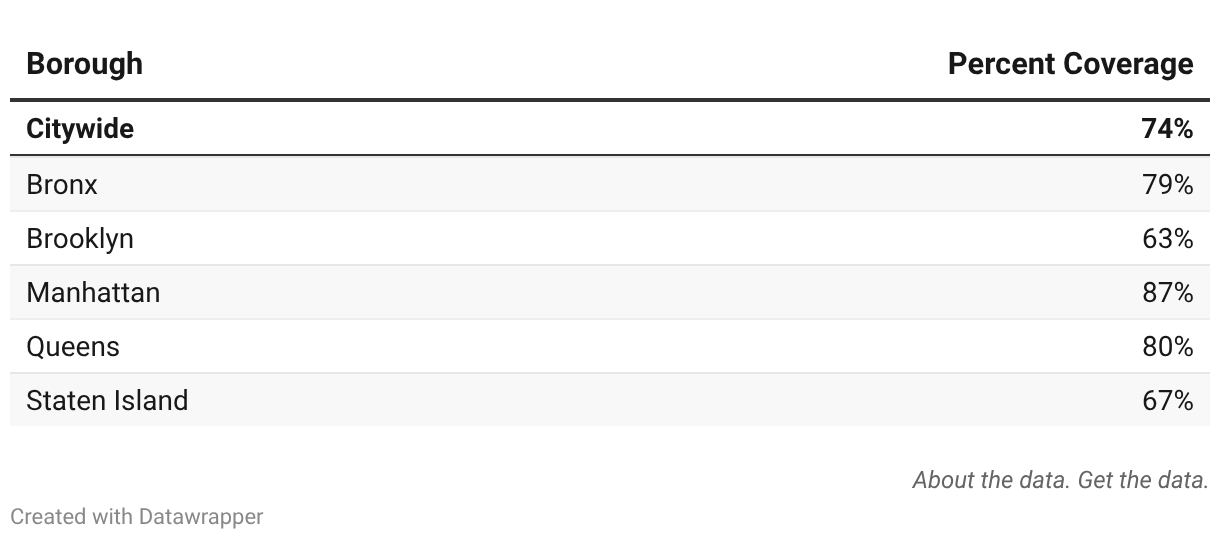
Hib Vaccination Coverage as of June 30, 2023
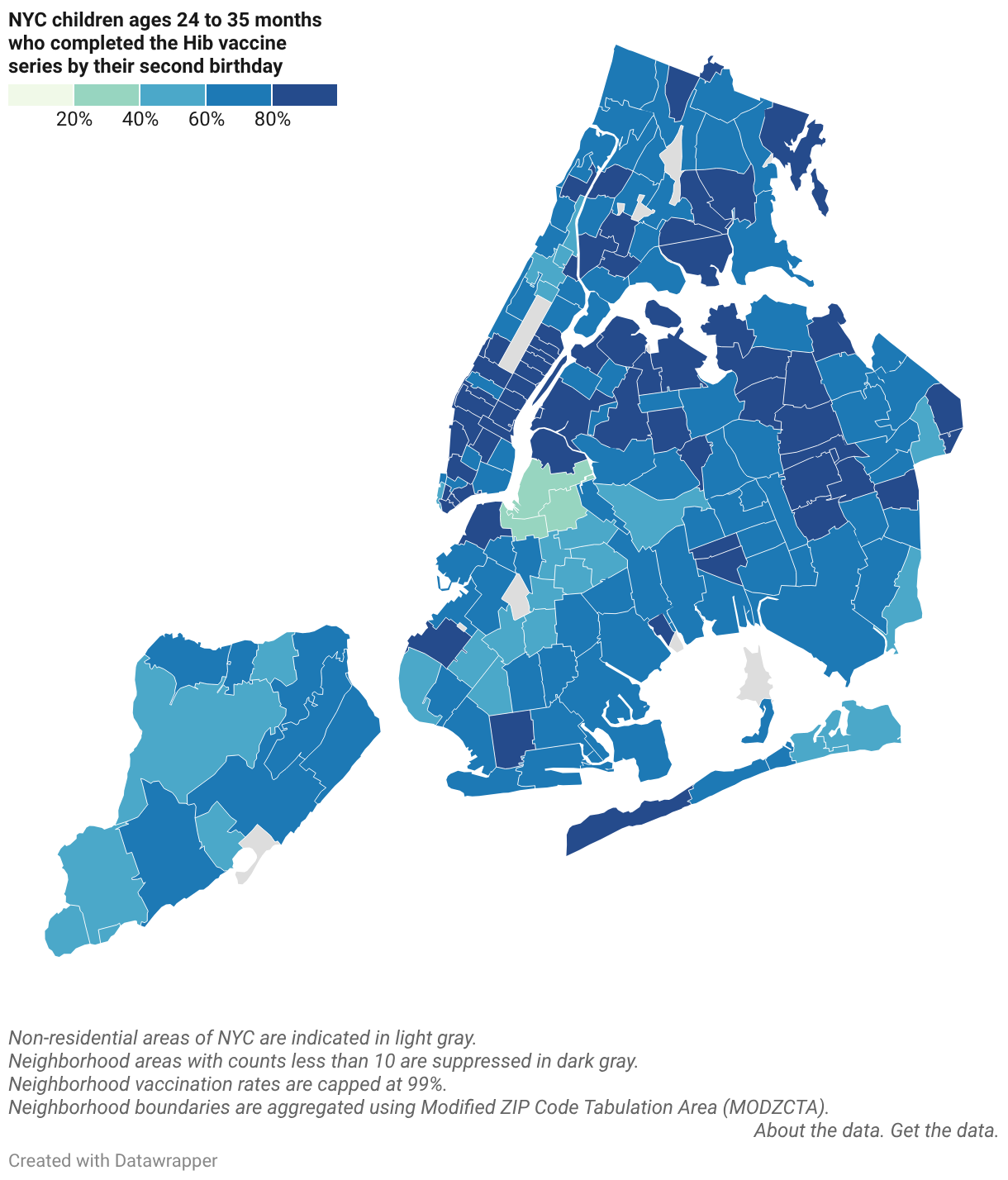
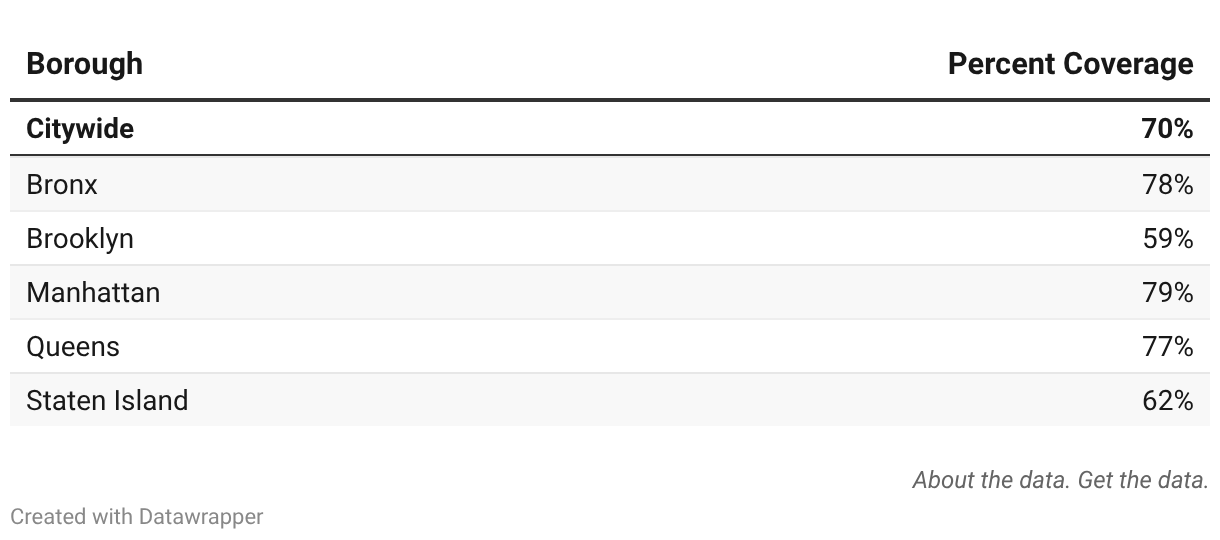
Hib Vaccination Coverage as of December 31, 2022
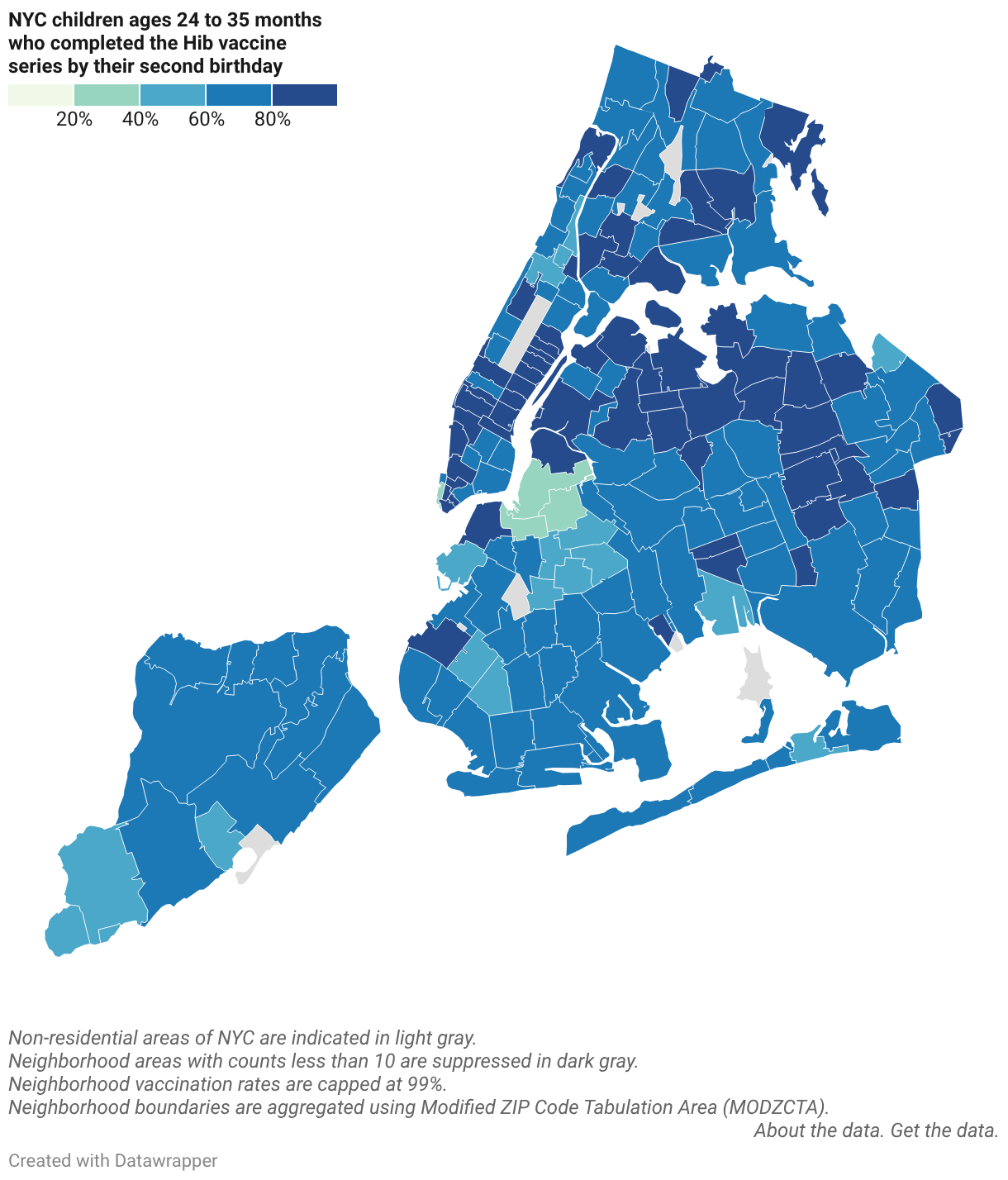
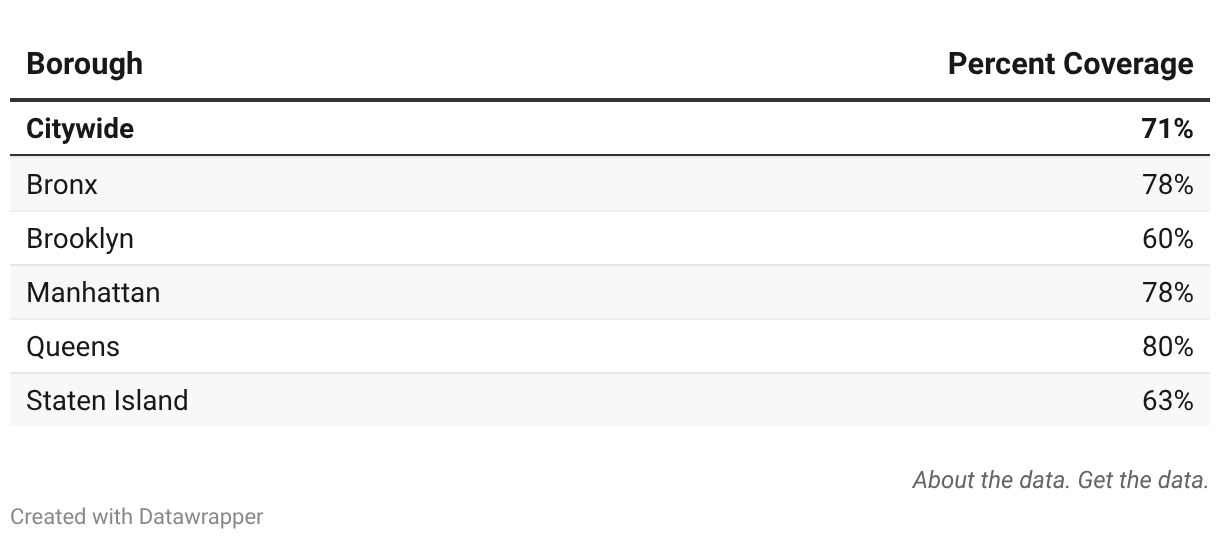
Hib Vaccination Coverage as of June 30, 2022
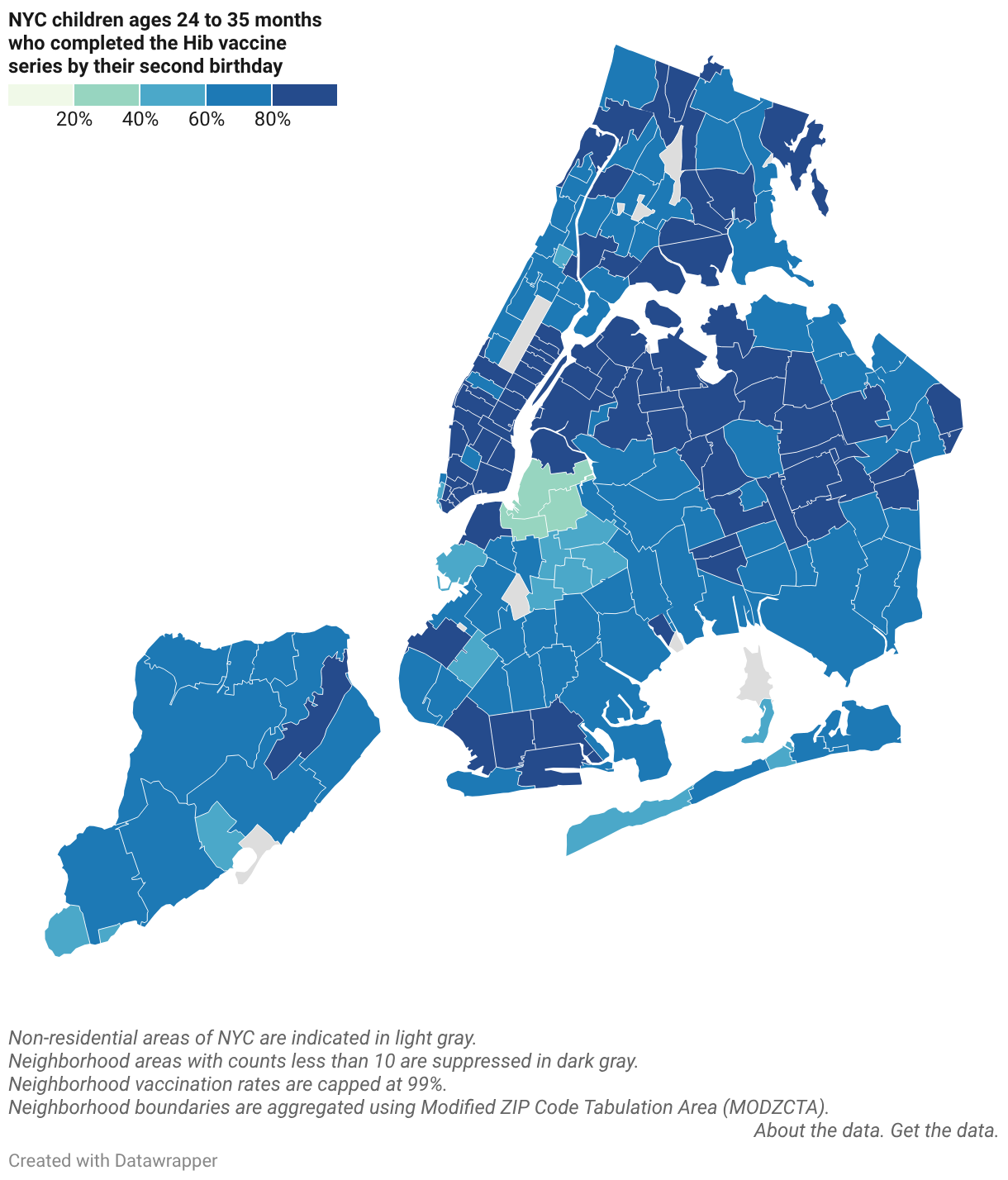

Hib Vaccination Coverage as of December 31, 2021
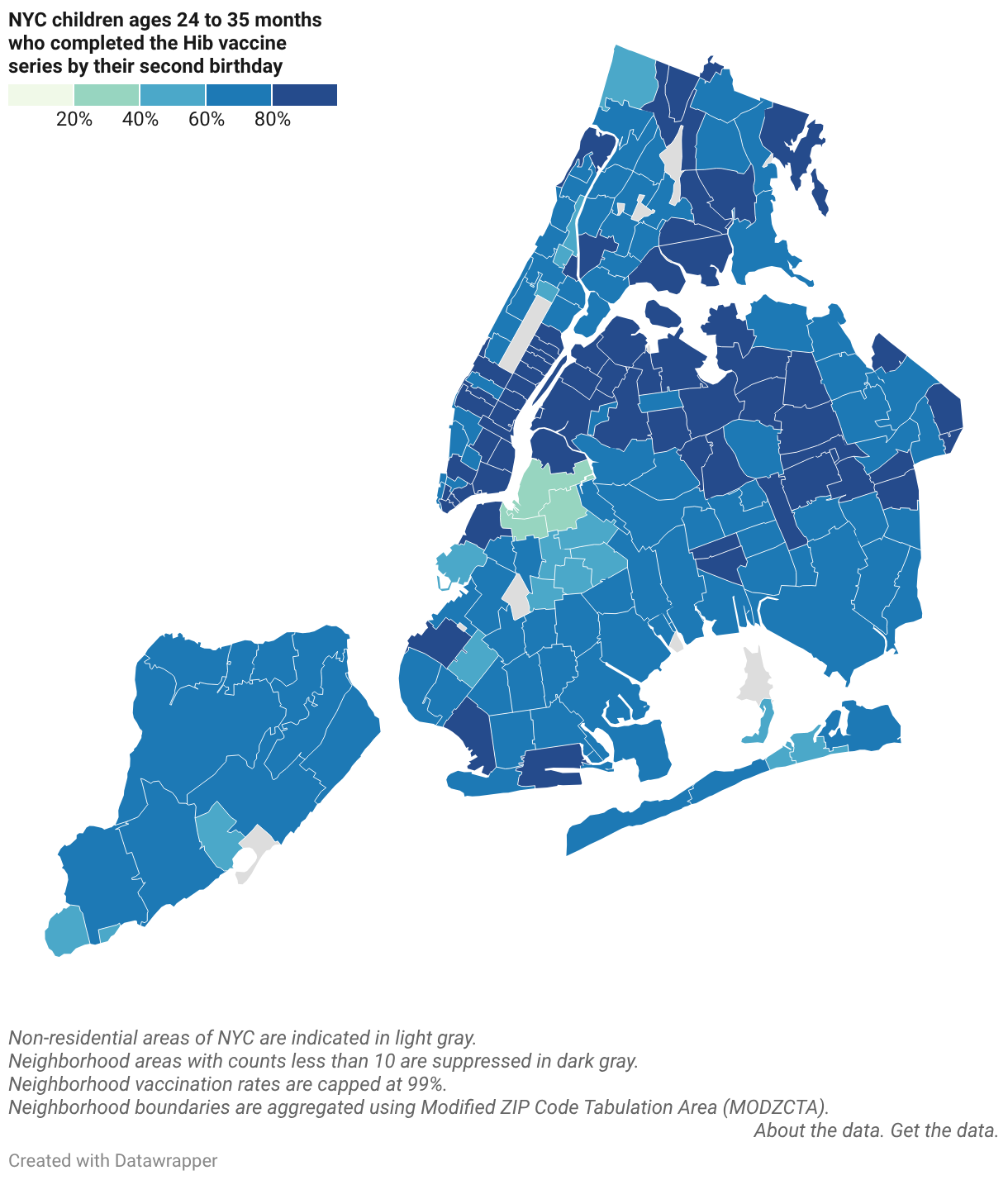
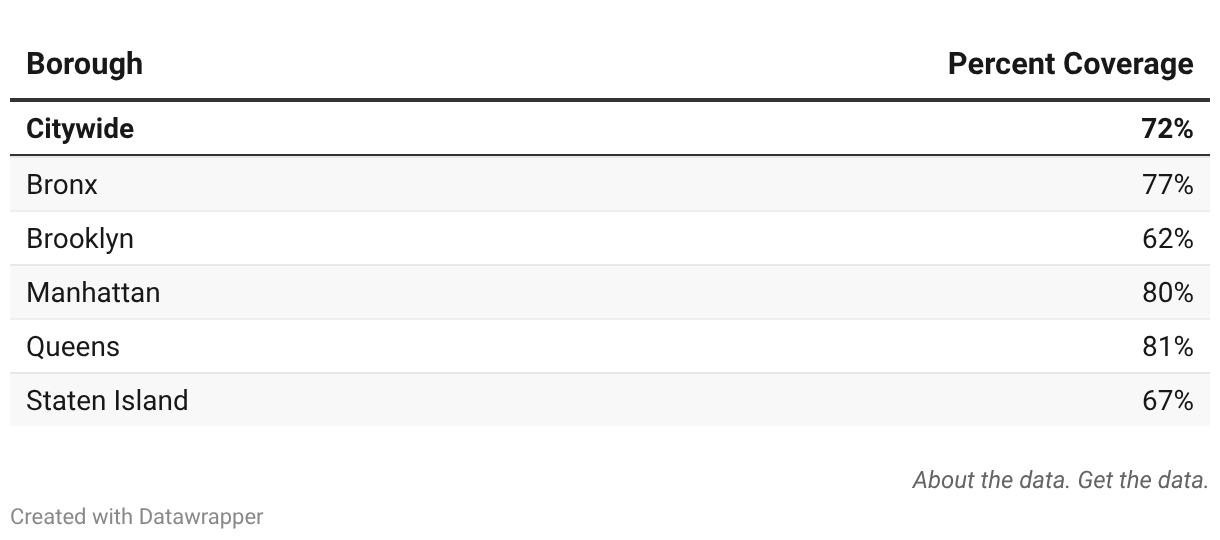
Hib Vaccination Coverage as of June 30, 2021
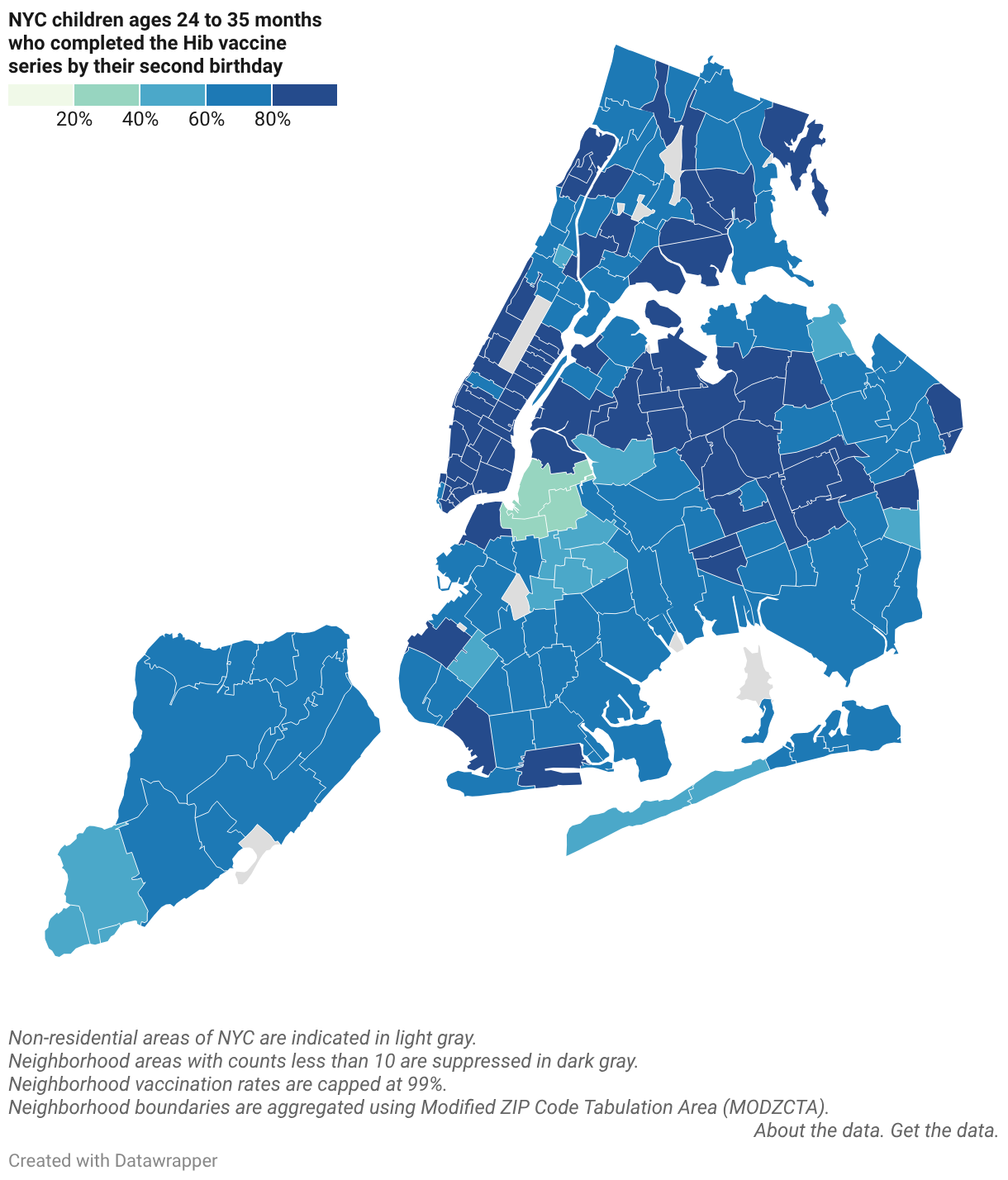
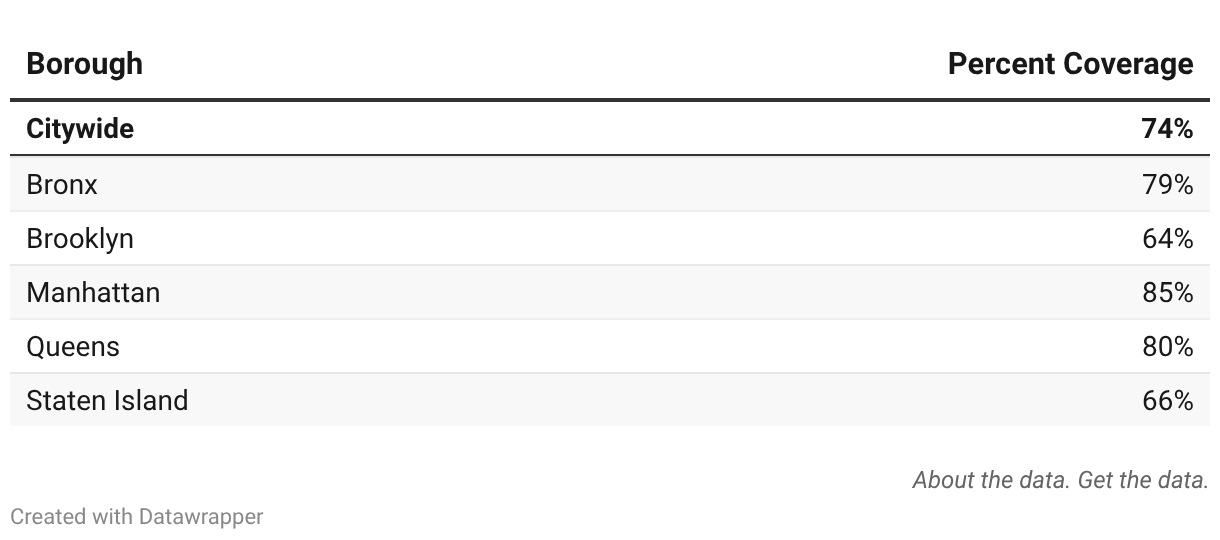
Hib Vaccination Coverage as of December 31, 2020
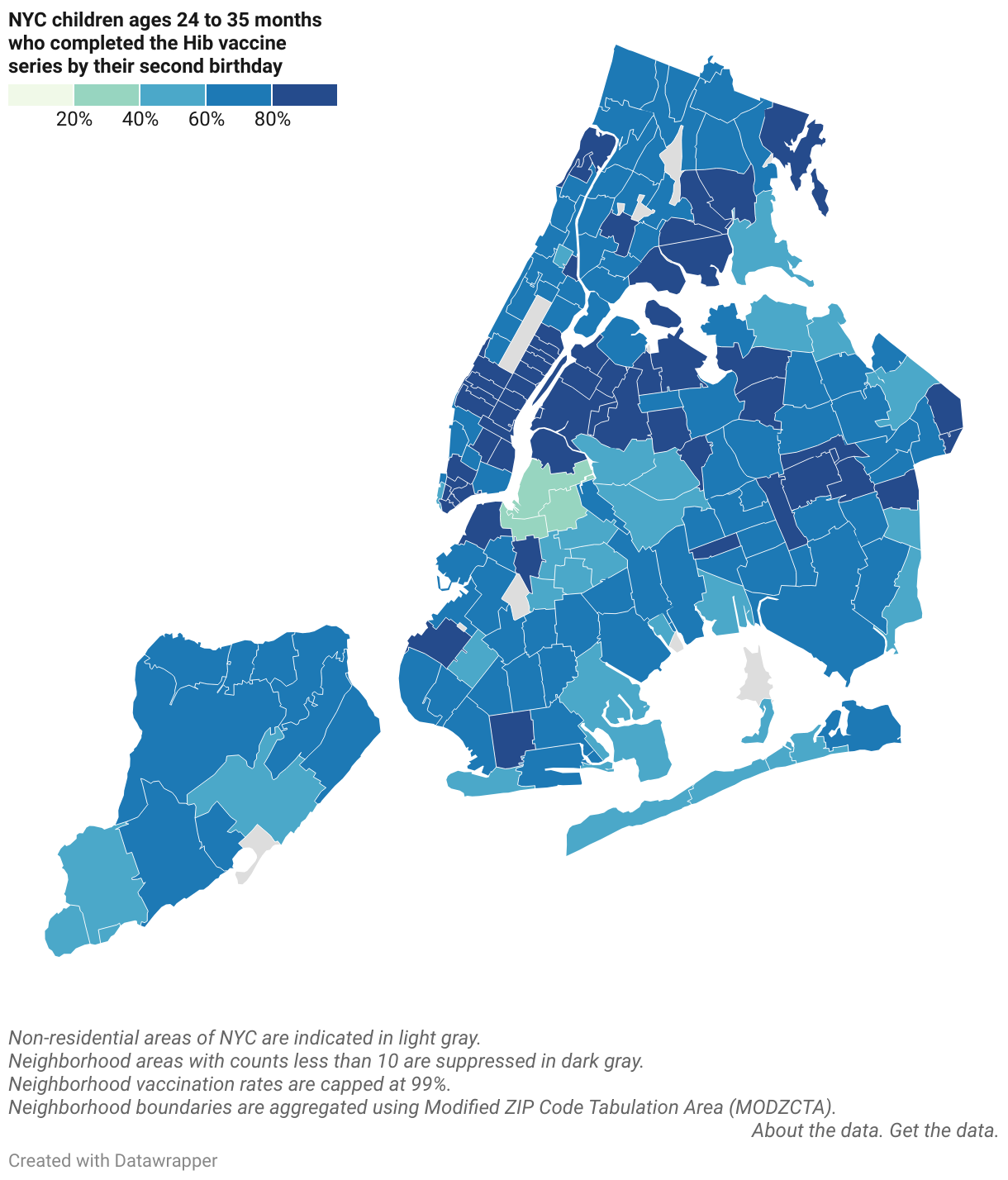
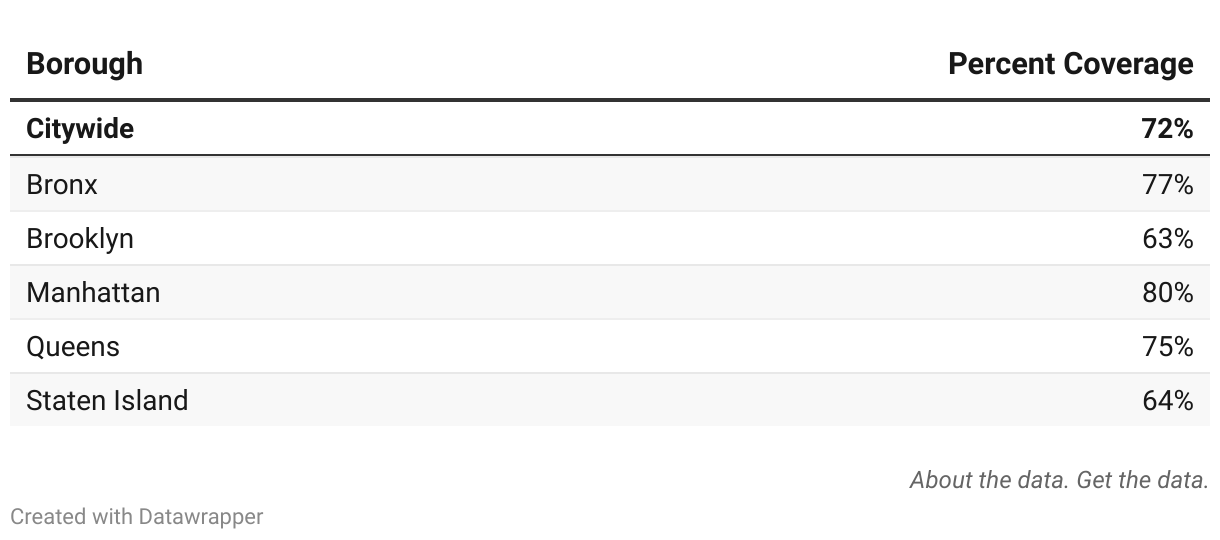
Hib Vaccination Coverage as of June 30, 2020
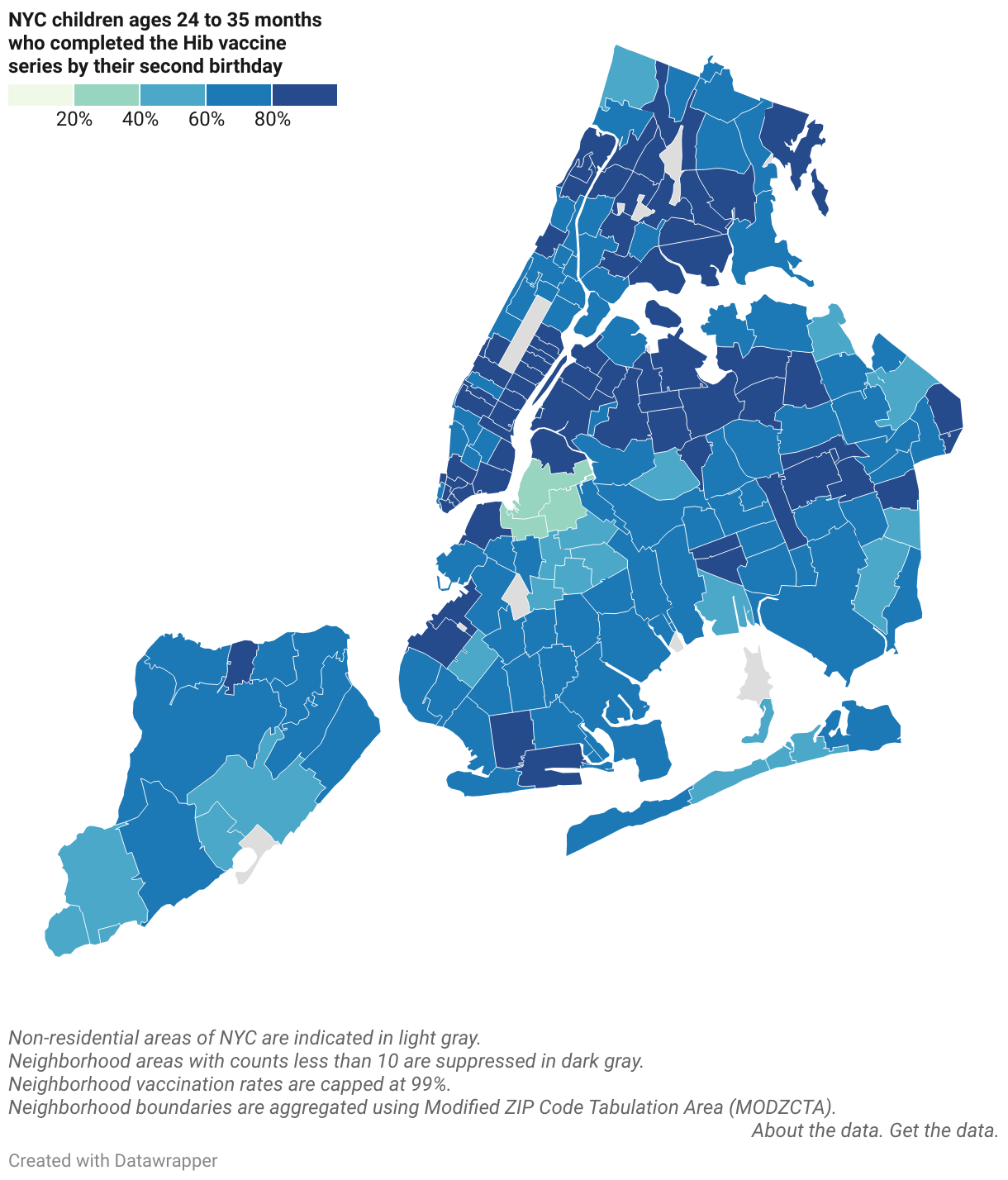
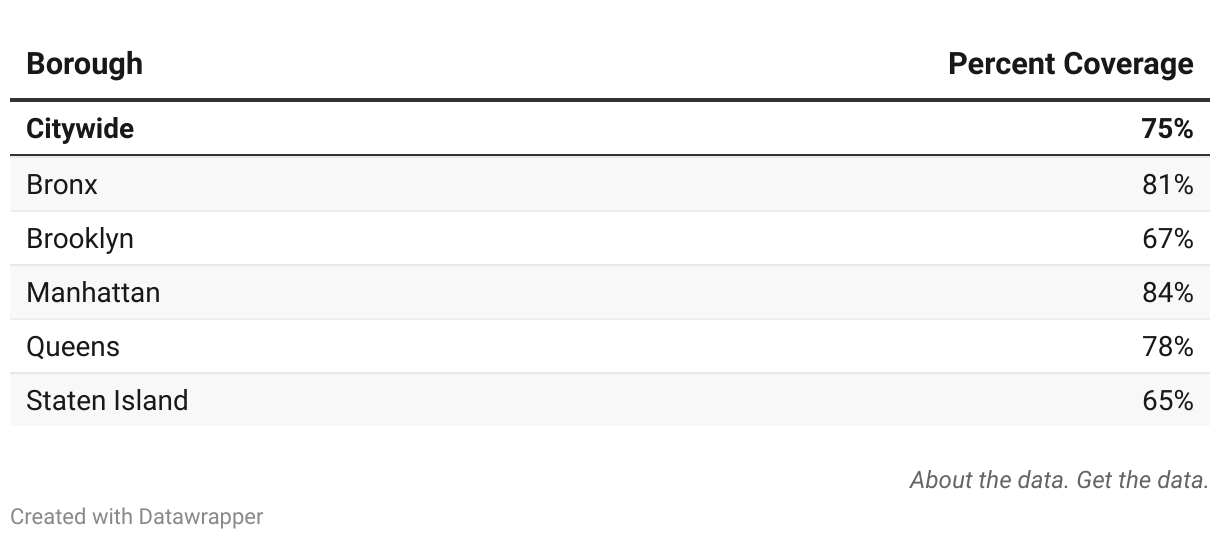
Hepatitis B (HepB) Vaccine
The Hepatitis B (HepB) vaccine protects against hepatitis B infection. HepB vaccine is recommended at the following ages:At birth 1 to 2 months 6 to 18 months
This page shows vaccination coverage for 2-year-olds (ages 24 to 35 months) who completed the HepB vaccine series by their second birthday.
As of December 31, 2024, 94% of NYC children ages 24 to 35 months had completed the HepB vaccine series by their second birthday.
Go to: Trends Over Time | Race/Ethnicity | ZIP Code
Trends Over Time
This chart shows the percent of NYC children ages 24 to 35 months who completed the HepB vaccine series by their second birthday, by year.
Vaccination by Race/Ethnicity
This chart shows the percent of NYC children ages 24 to 35 months who completed the HepB vaccine series by their second birthday, by race/ethnicity.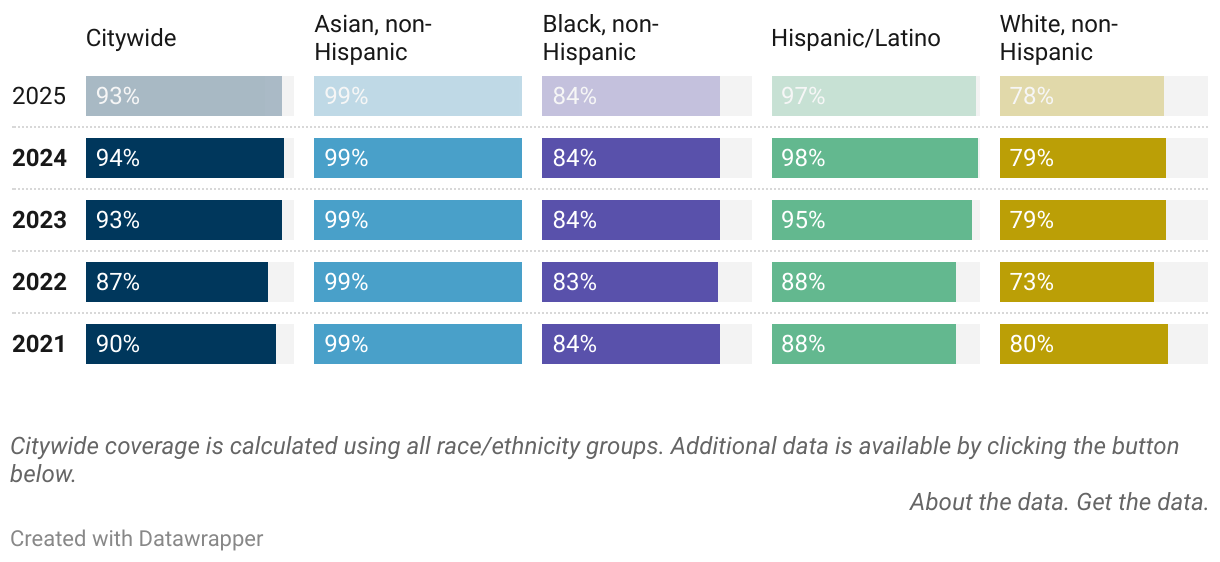
Vaccination by ZIP Code
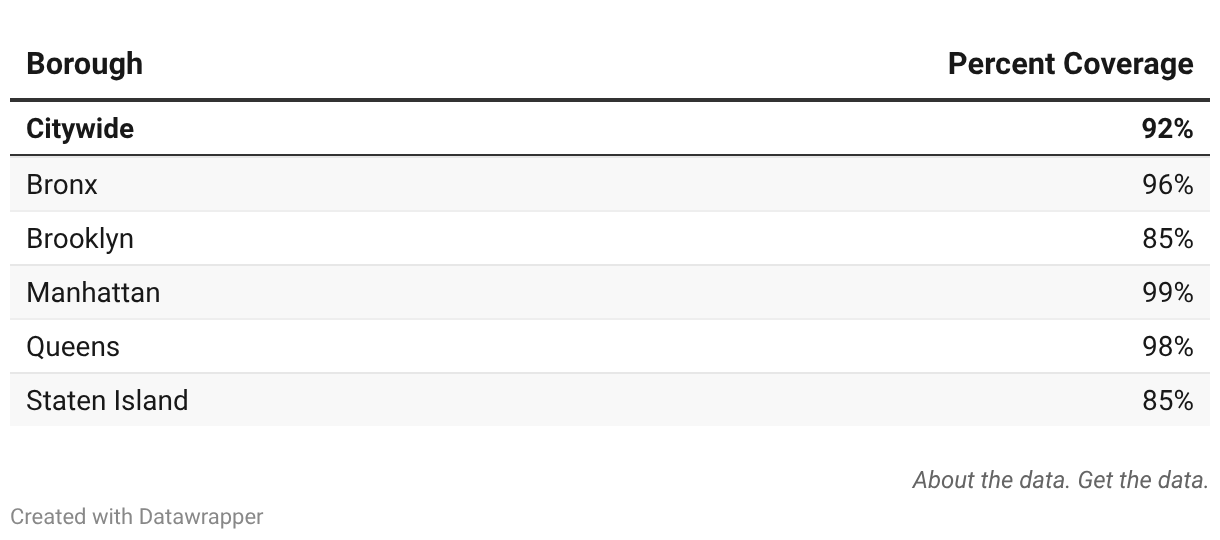
This chart shows the percent of NYC children ages 24 to 35 months who completed the HepB vaccine series by their second birthday, by ZIP code. HepB Vaccination Coverage as of December 31, 2024

HepB Vaccination Coverage as of June 30, 2024

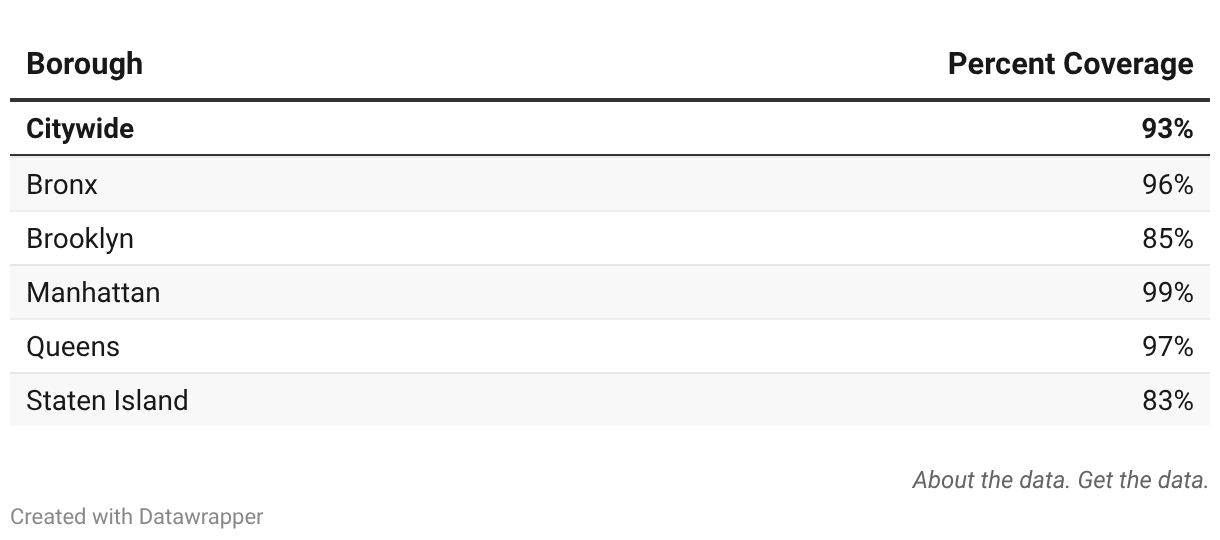
HepB Vaccination Coverage as of December 31, 2023


HepB Vaccination Coverage as of June 30, 2023


HepB Vaccination Coverage as of December 31, 2022

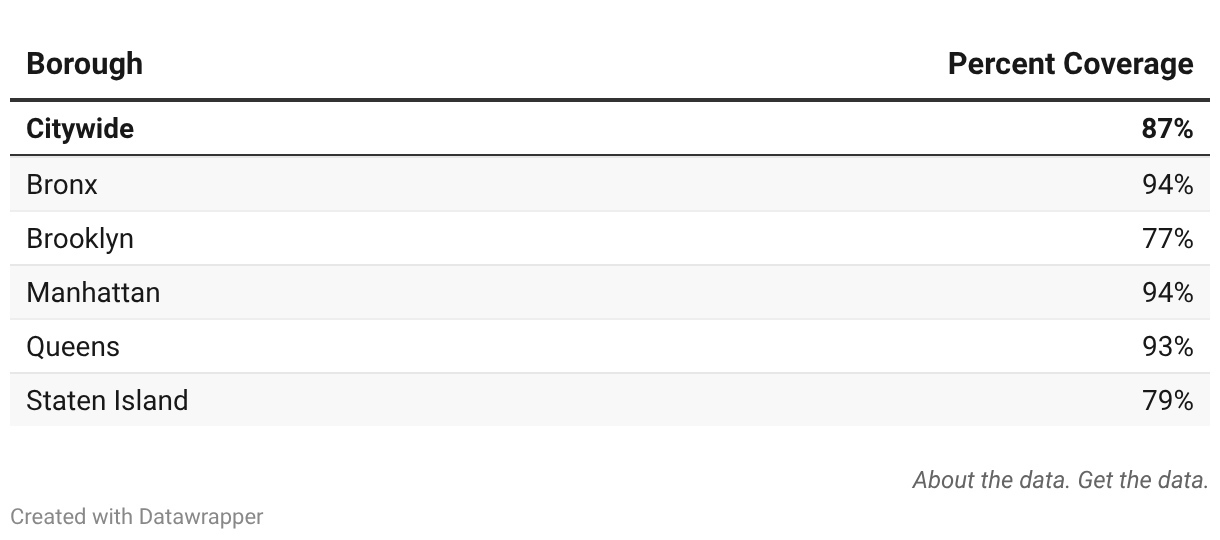
HepB Vaccination Coverage as of June 30, 2022

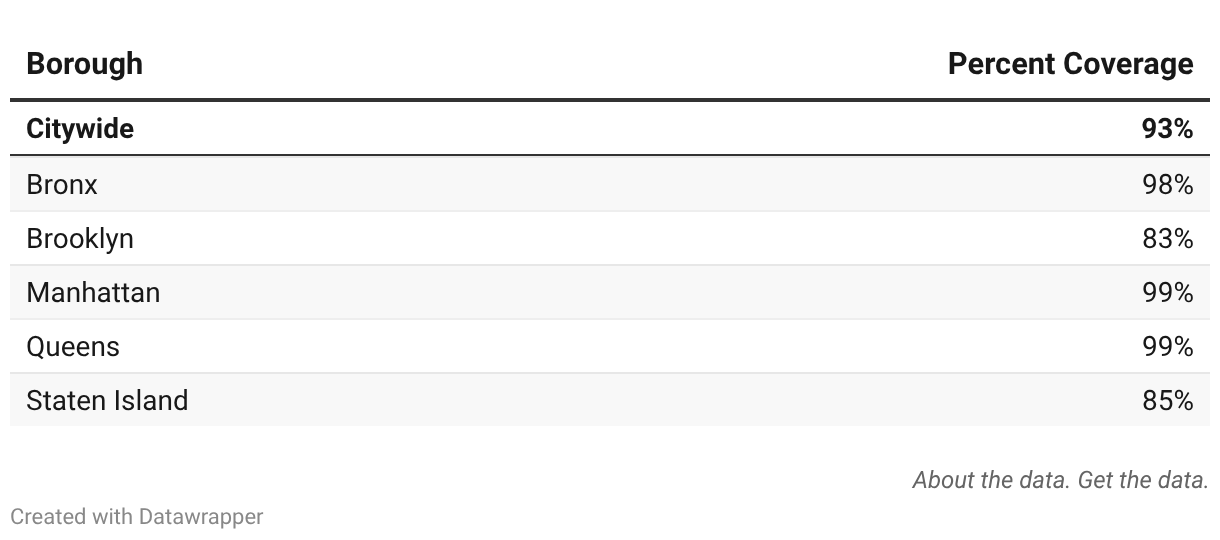
HepB Vaccination Coverage as of December 31, 2021
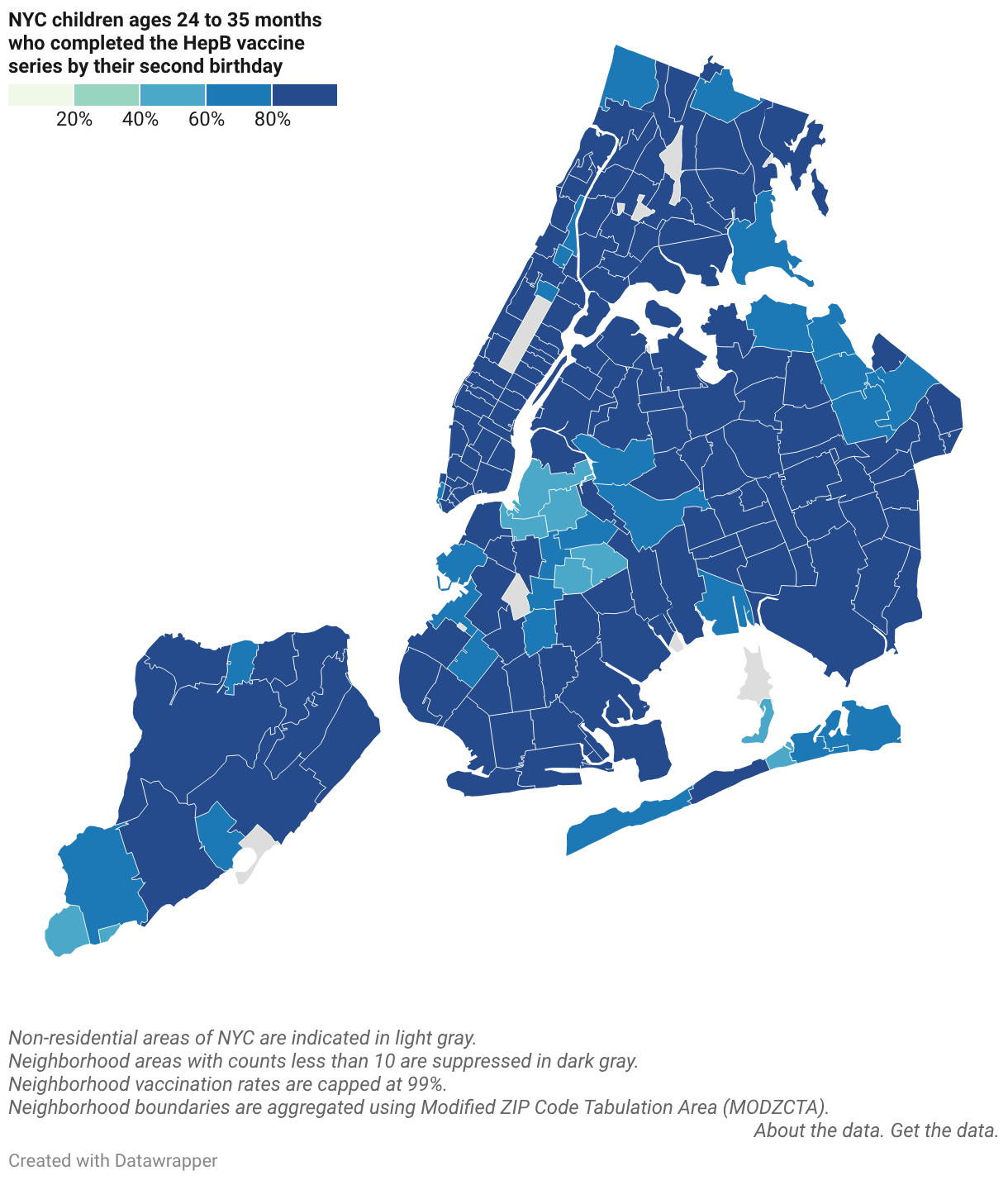
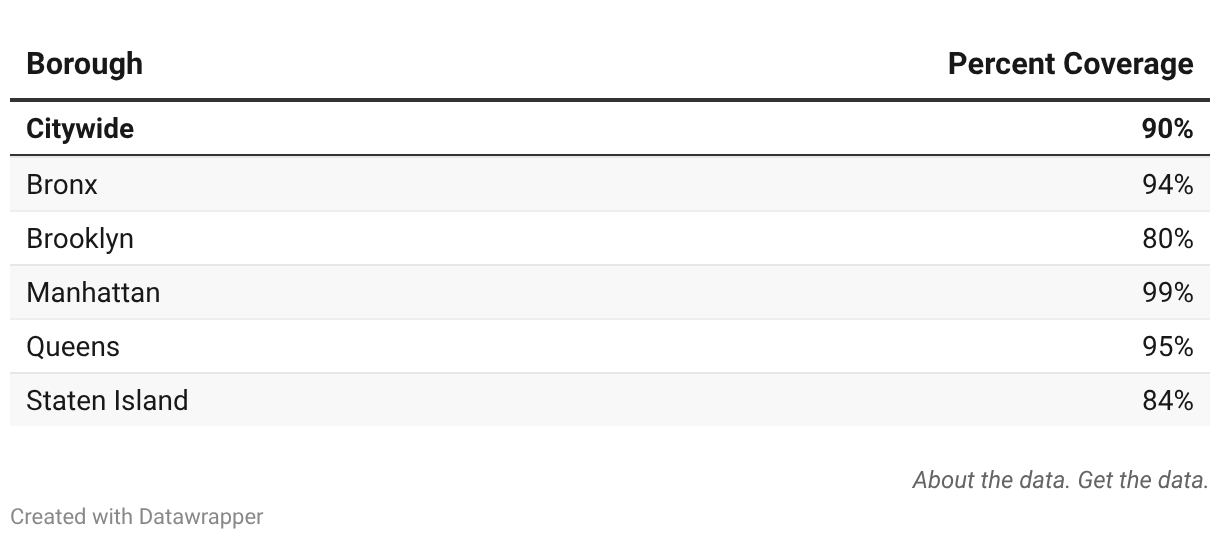
HepB Vaccination Coverage as of June 30, 2021
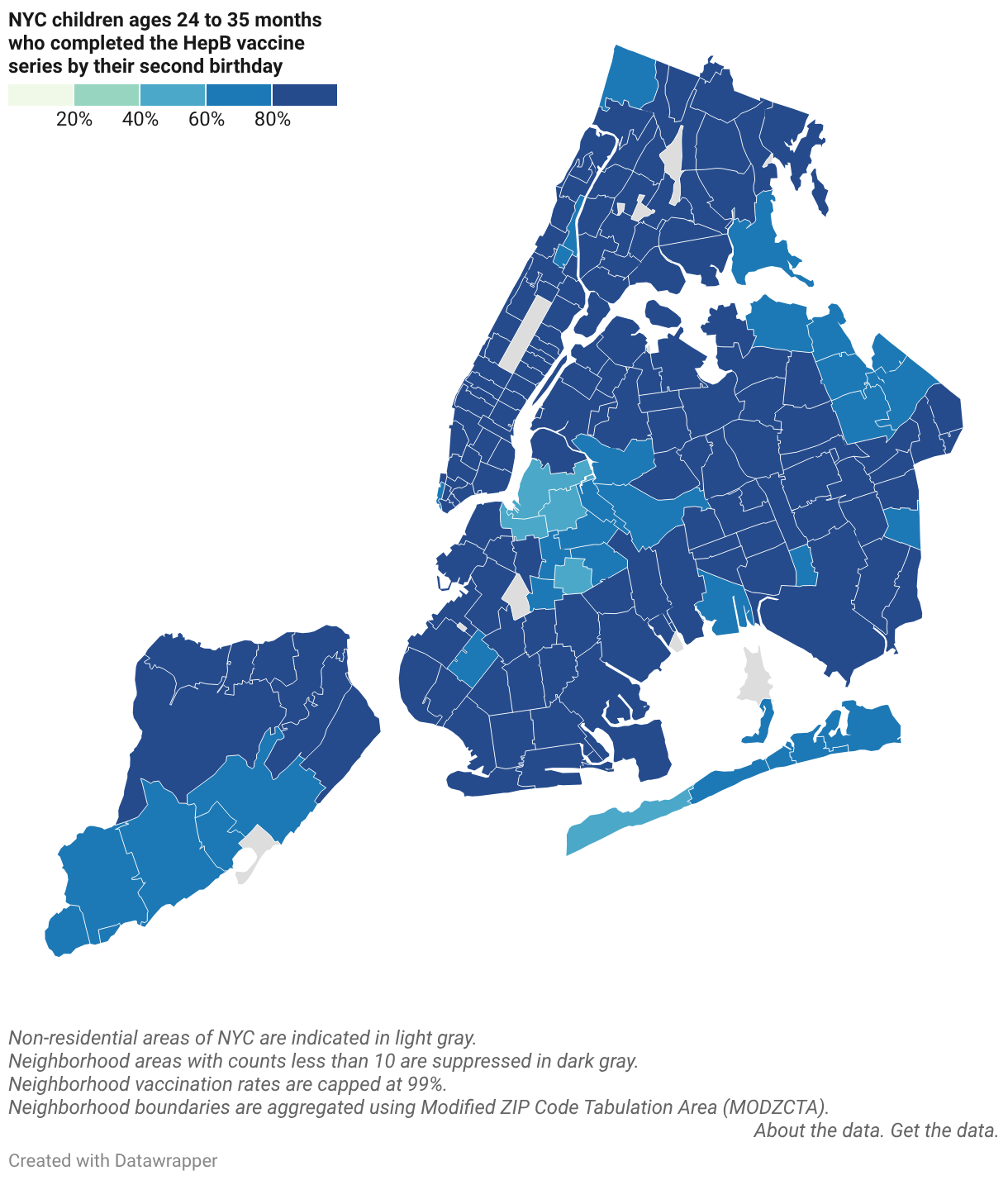
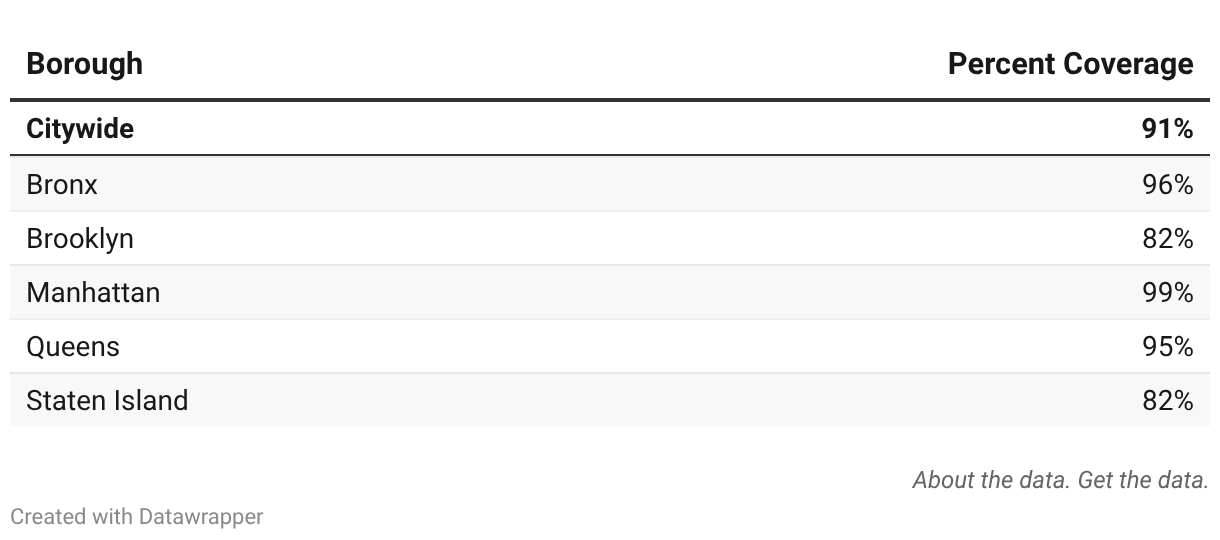
HepB Vaccination Coverage as of December 31, 2020


HepB Vaccination Coverage as of June 30, 2020


Varicella (Chickenpox) Vaccine
Varicella vaccine protects against varicella infection (also known as chickenpox). Varicella vaccine is recommended at the following ages:12 to 15 months 4 to 6 years
This page shows vaccination coverage for 2-year-olds (24 to 35 months) who received at least one varicella dose by their second birthday.
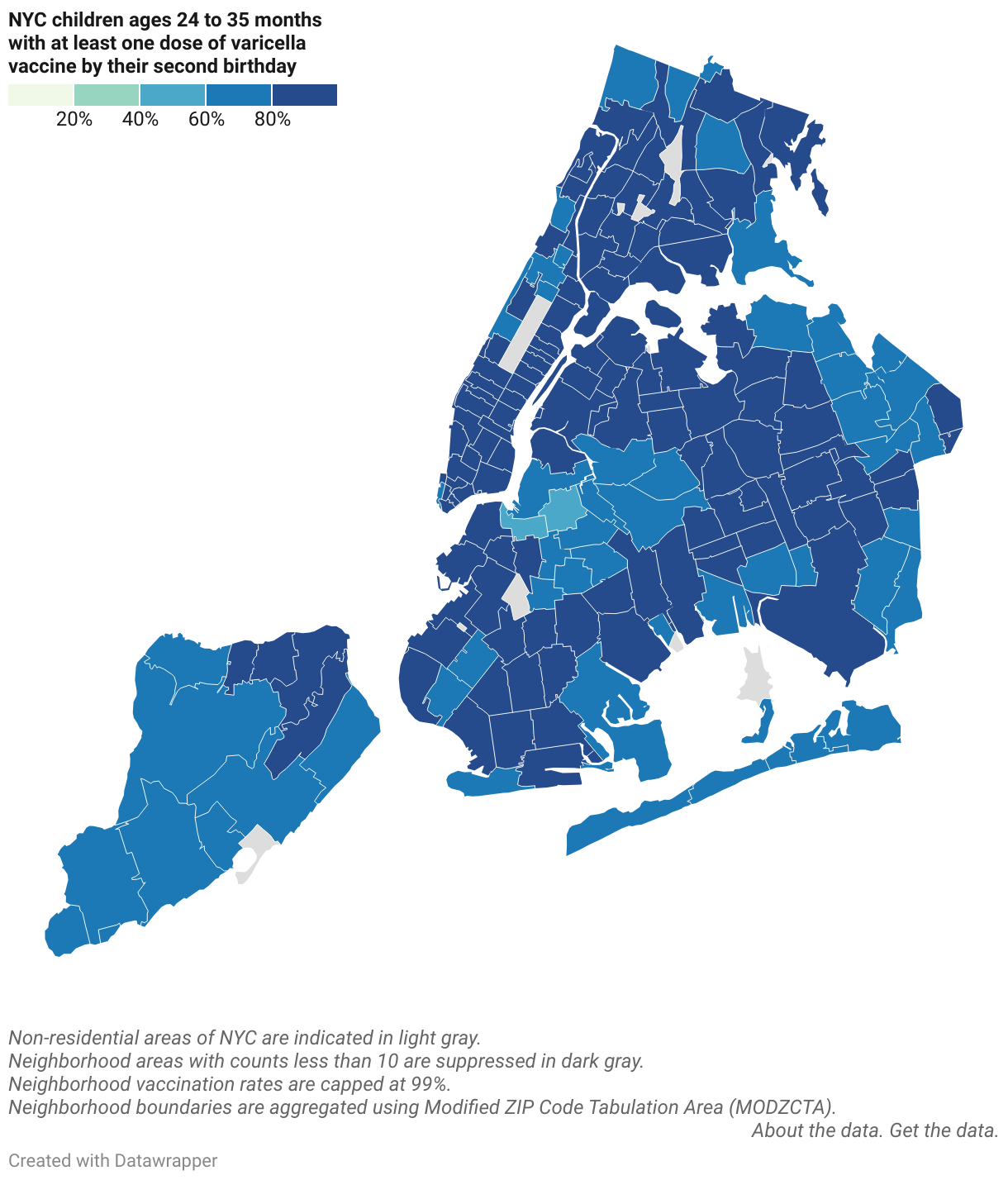
As of December 31, 2024, 94% of NYC children ages 24 to 35 months had received at least one varicella dose by their second birthday.
Go to: Trends Over Time | Race/Ethnicity | ZIP Code
Trends Over Time
This chart shows the percent of NYC children ages 24 to 35 months who received at least one varicella dose by their second birthday, by year.
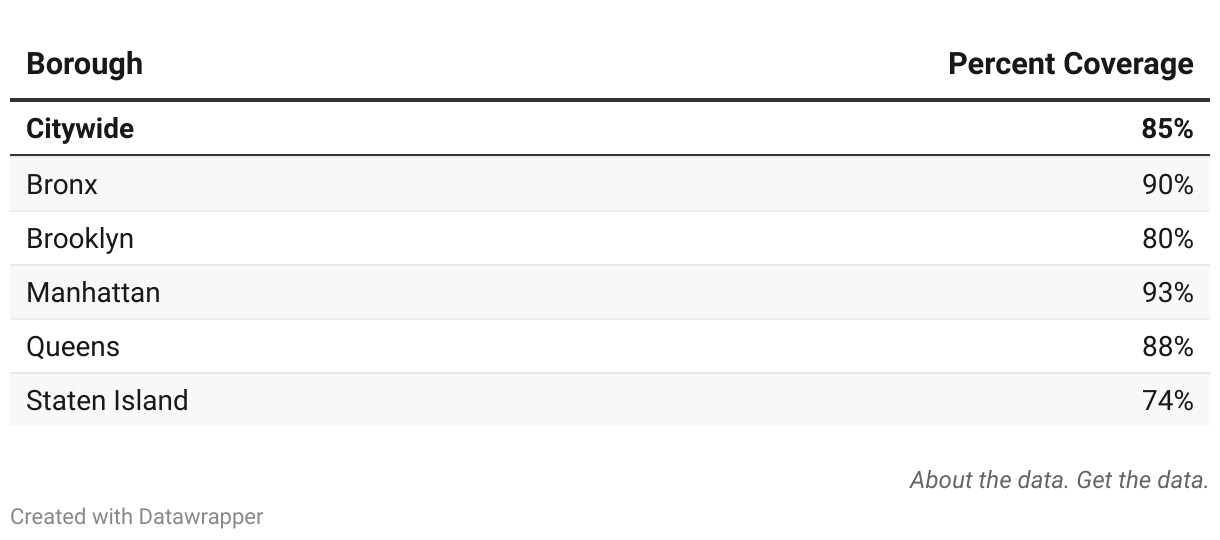
Vaccination by Race/Ethnicity
This chart shows the percent of NYC children ages 24 to 35 months who received at least one varicella dose by their second birthday, by race/ethnicity.
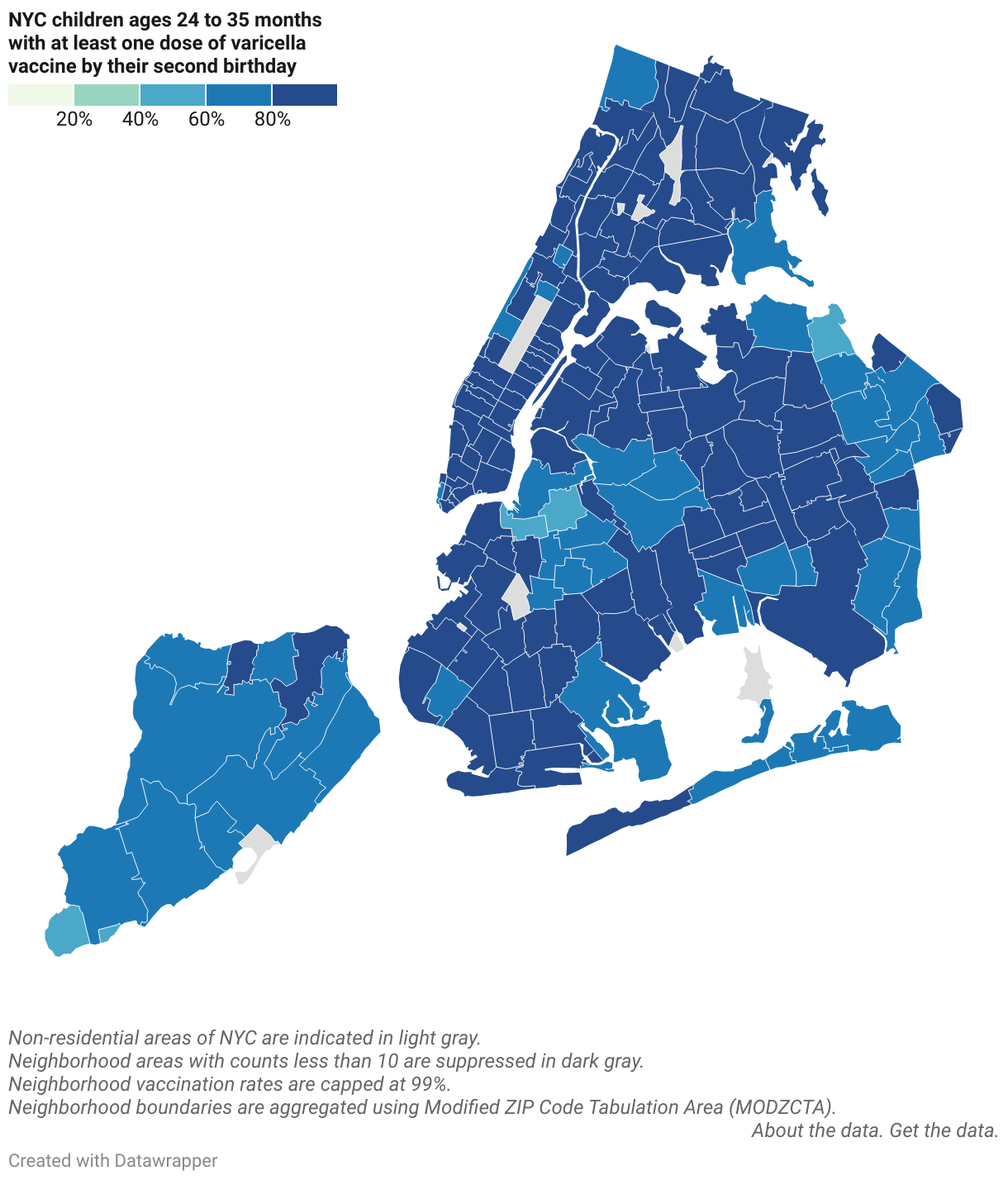
Vaccination by ZIP Code
This chart shows the percent of NYC children ages 24 to 35 months who received at least one varicella dose by their second birthday, by ZIP code. Varicella Vaccination Coverage as of December 31, 2024
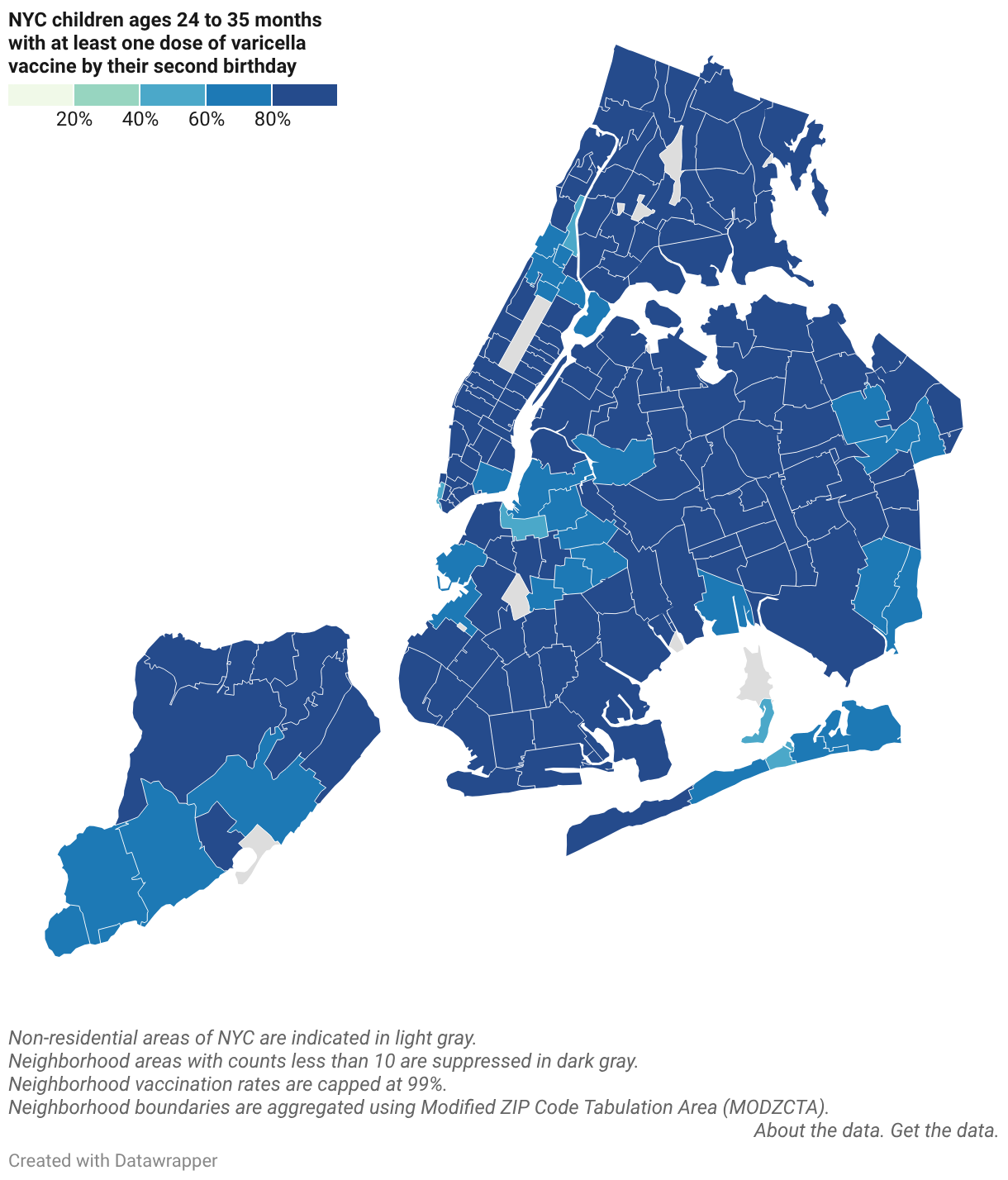
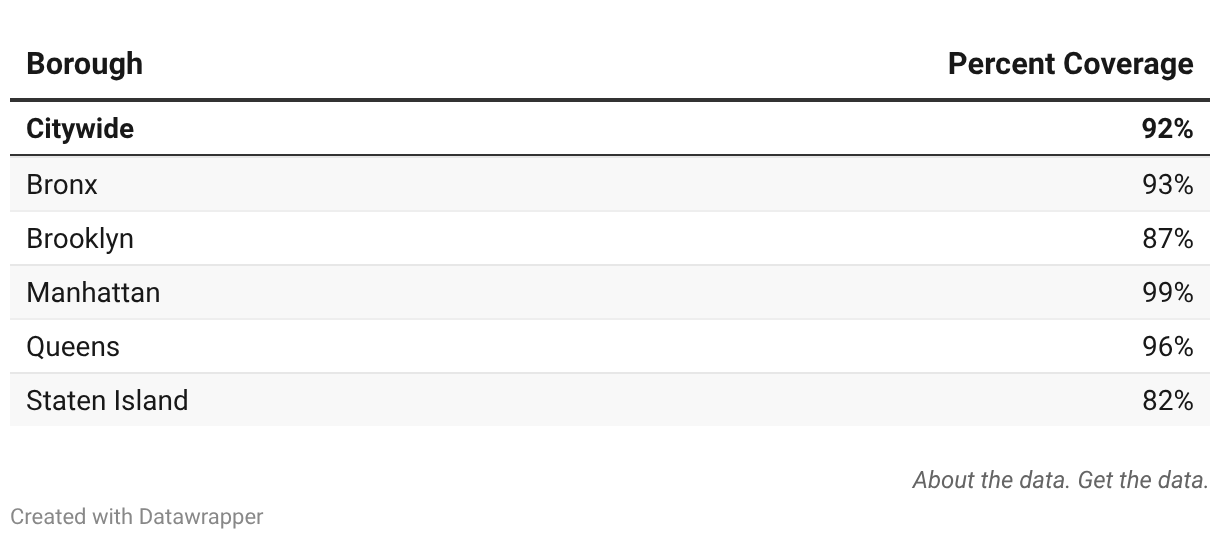
Varicella Vaccination Coverage as of June 30, 2024
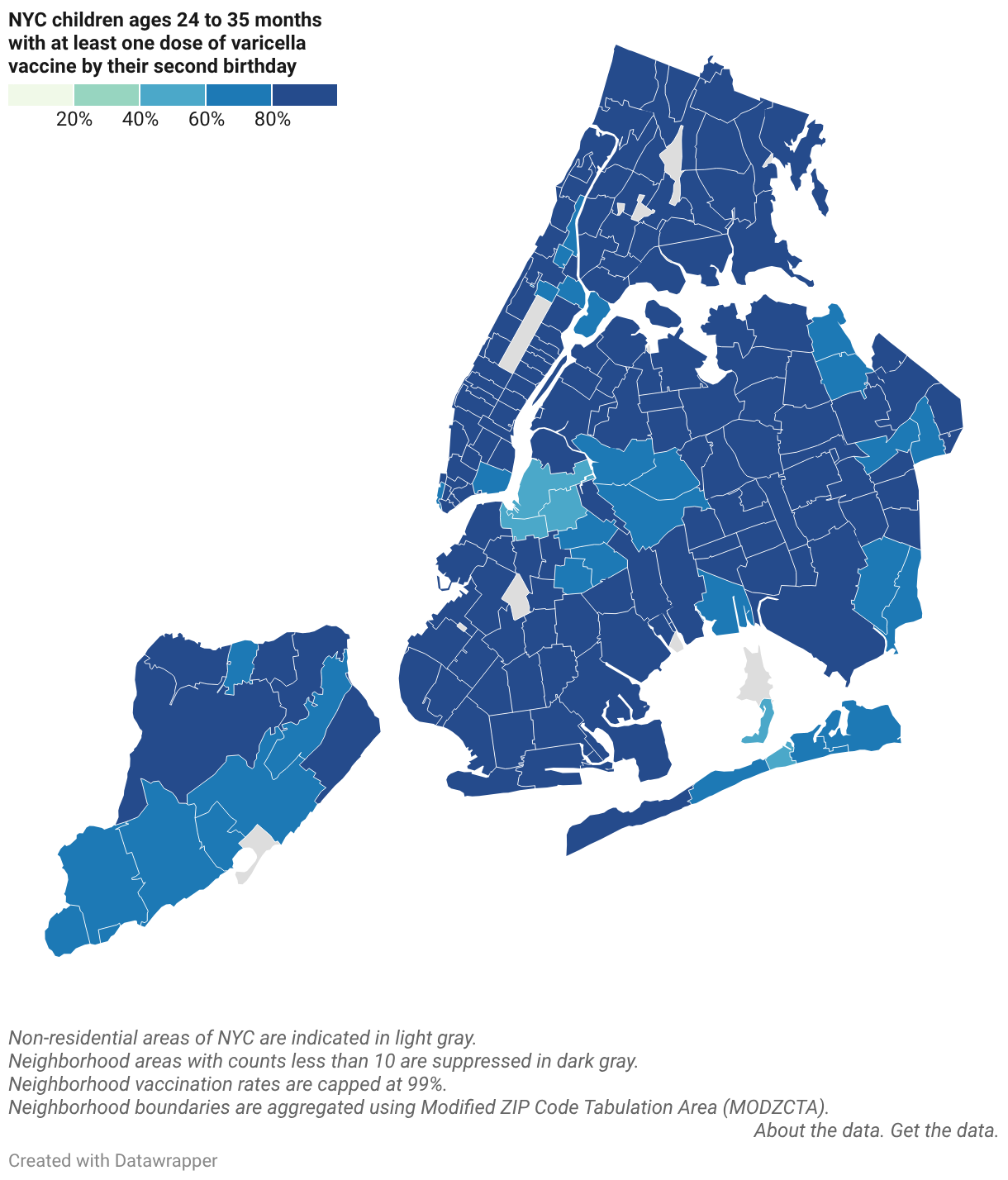
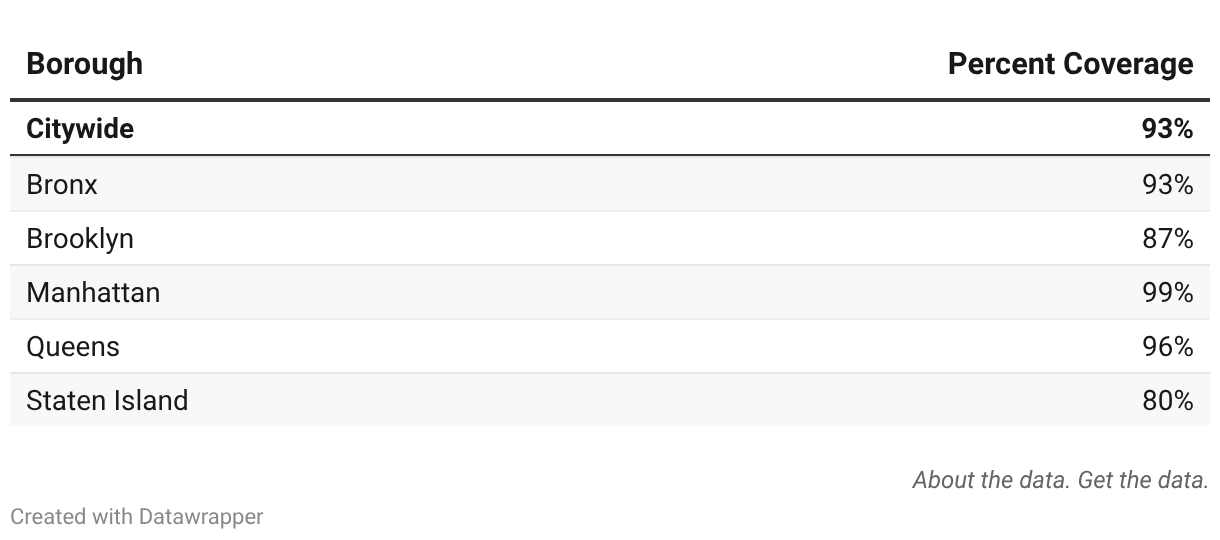
Varicella Vaccination Coverage as of December 31, 2023


Varicella Vaccination Coverage as of June 30, 2023
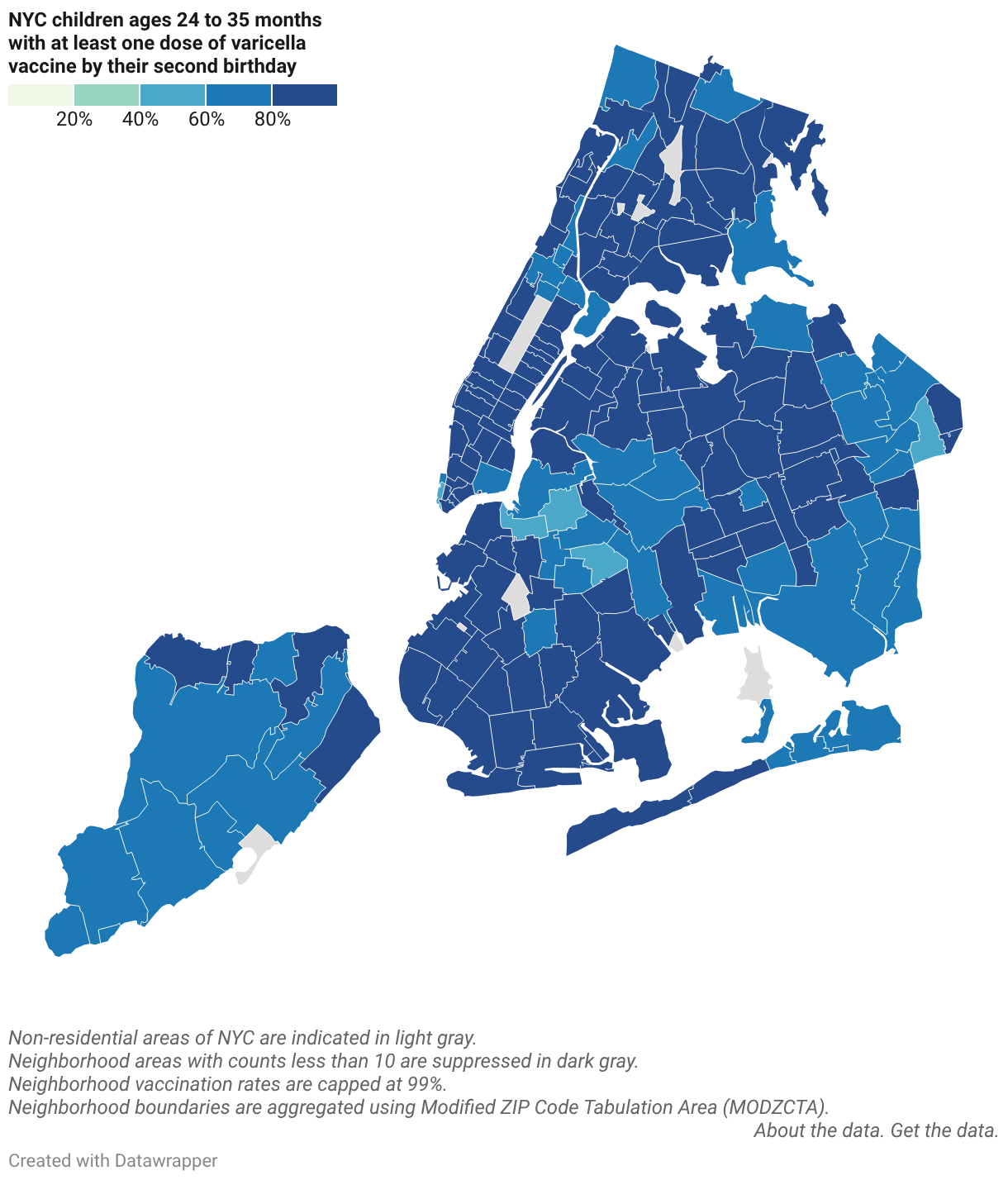

Varicella Vaccination Coverage as of December 31, 2022
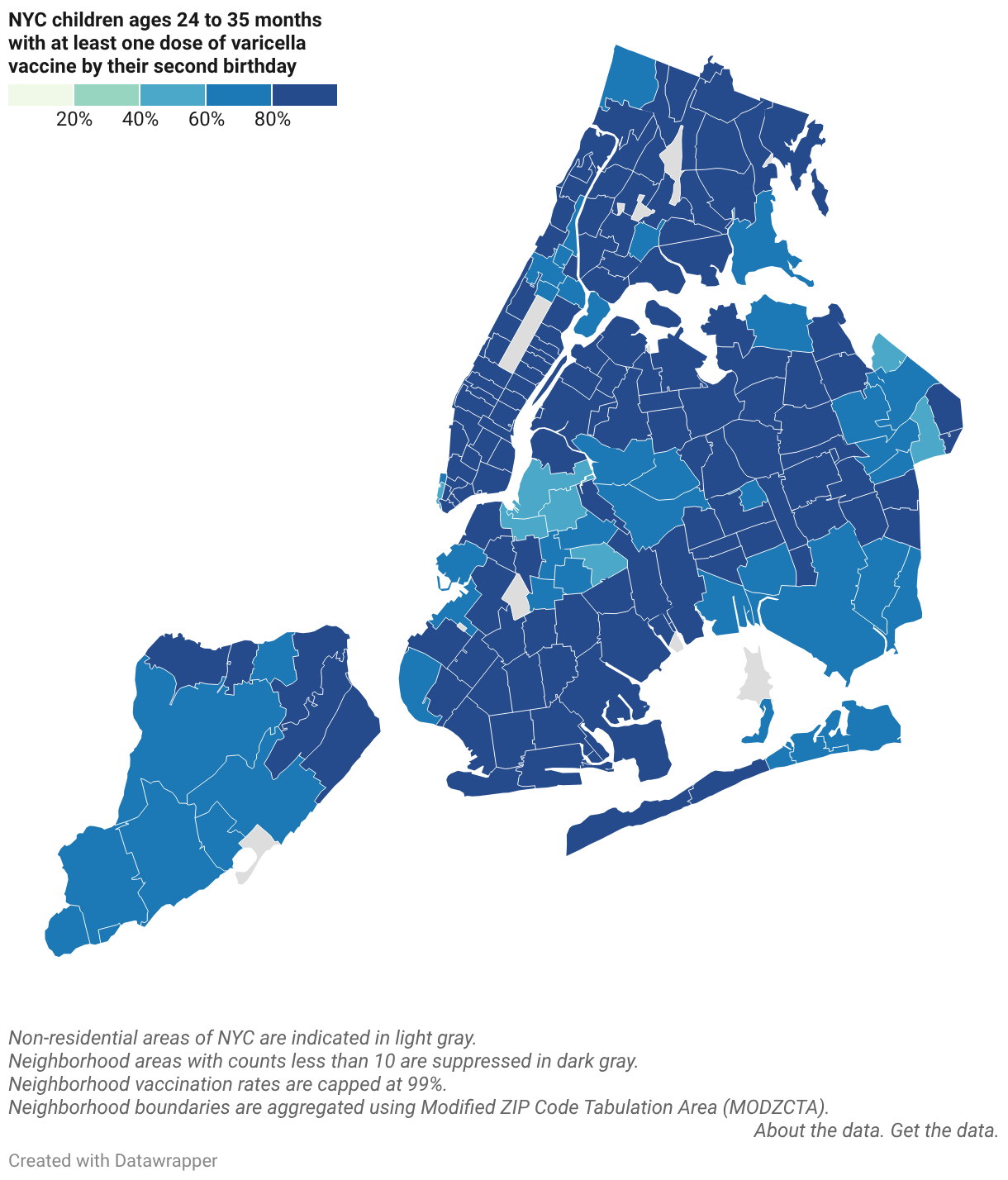
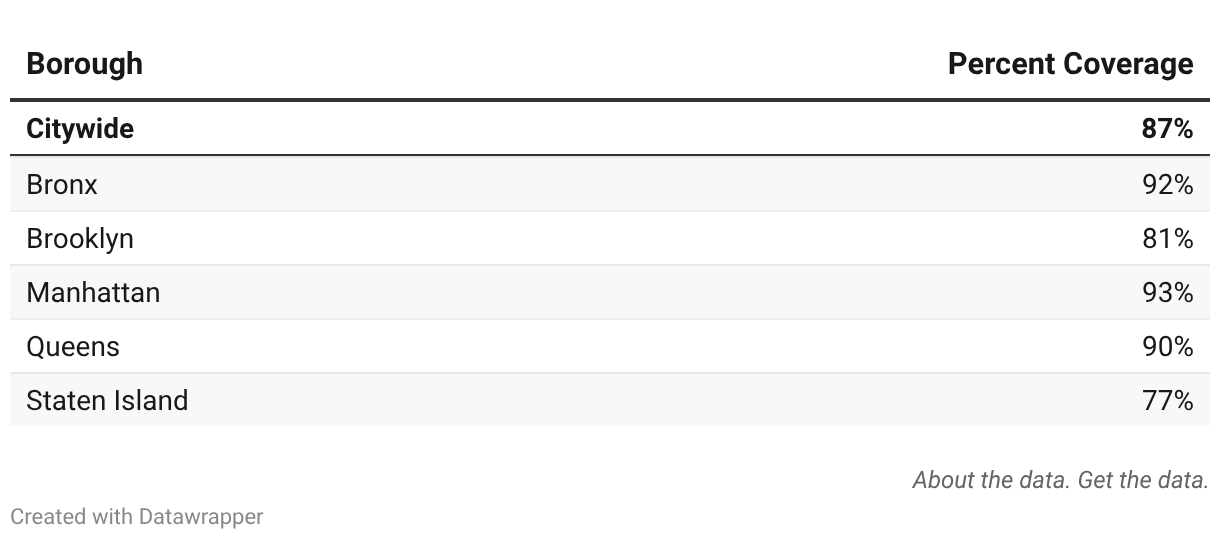
Varicella Vaccination Coverage as of June 30, 2022
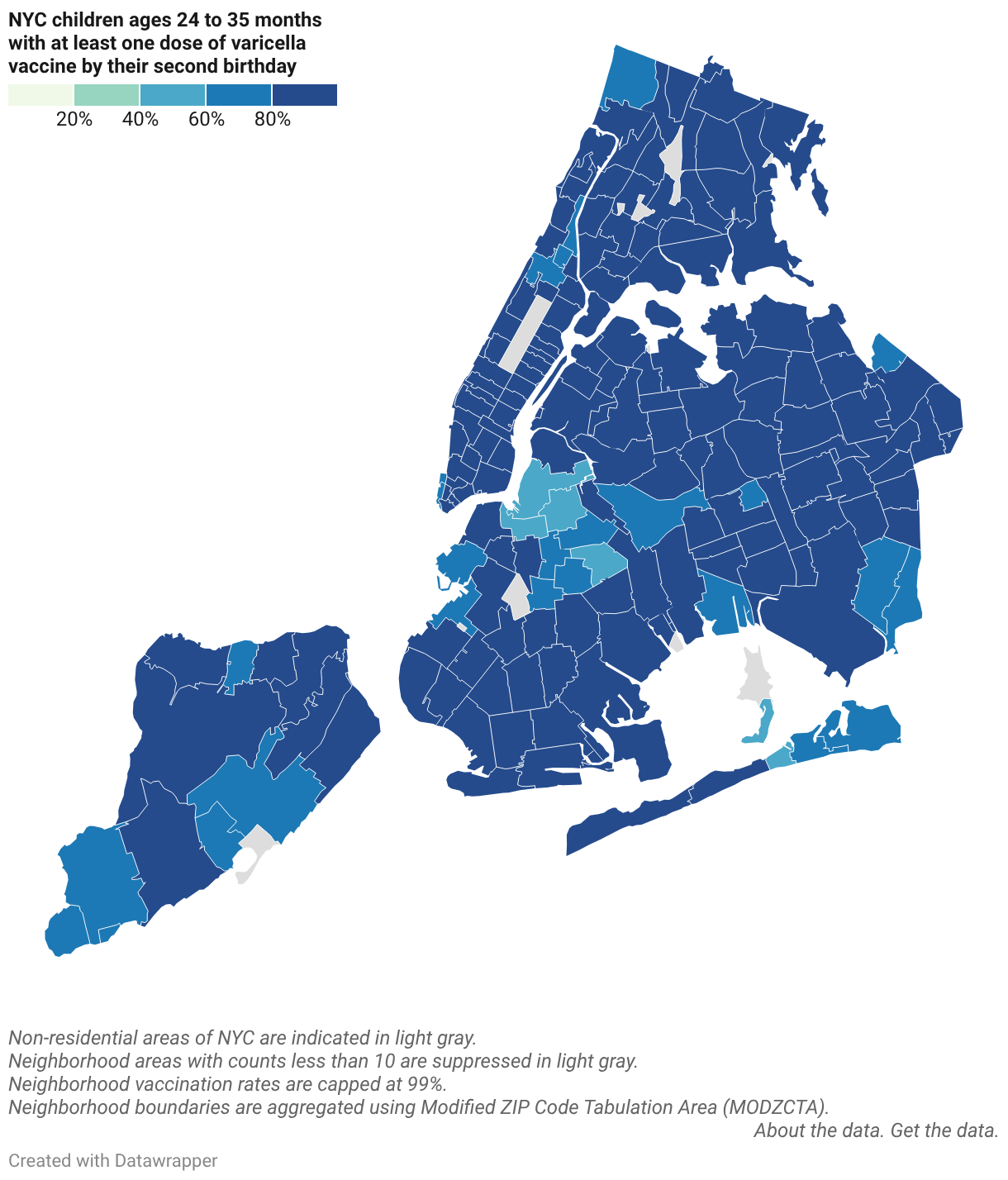
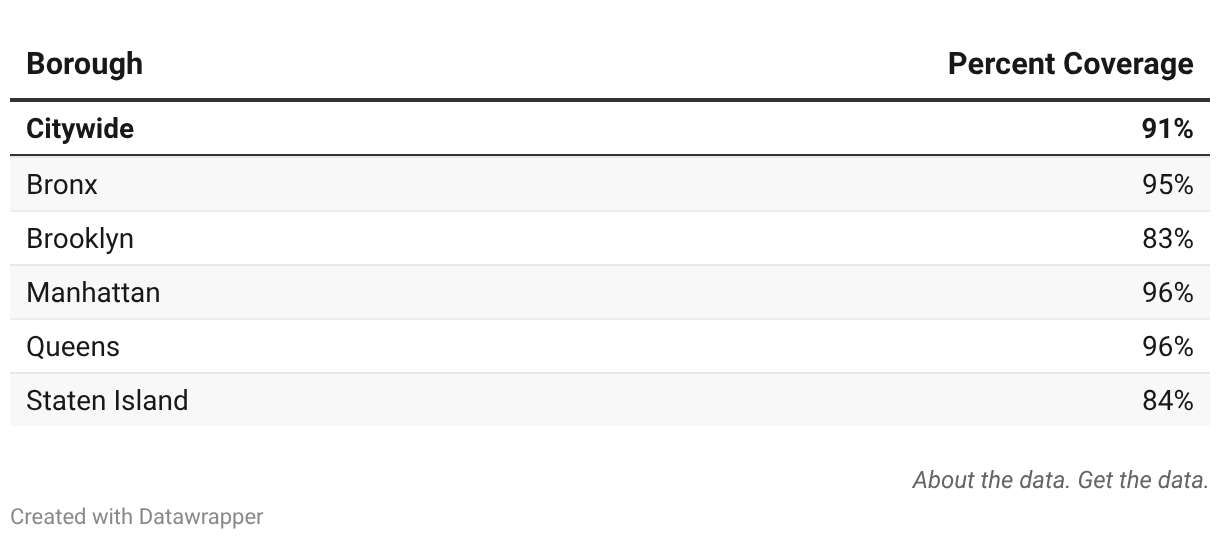
Varicella Vaccination Coverage as of December 31, 2021

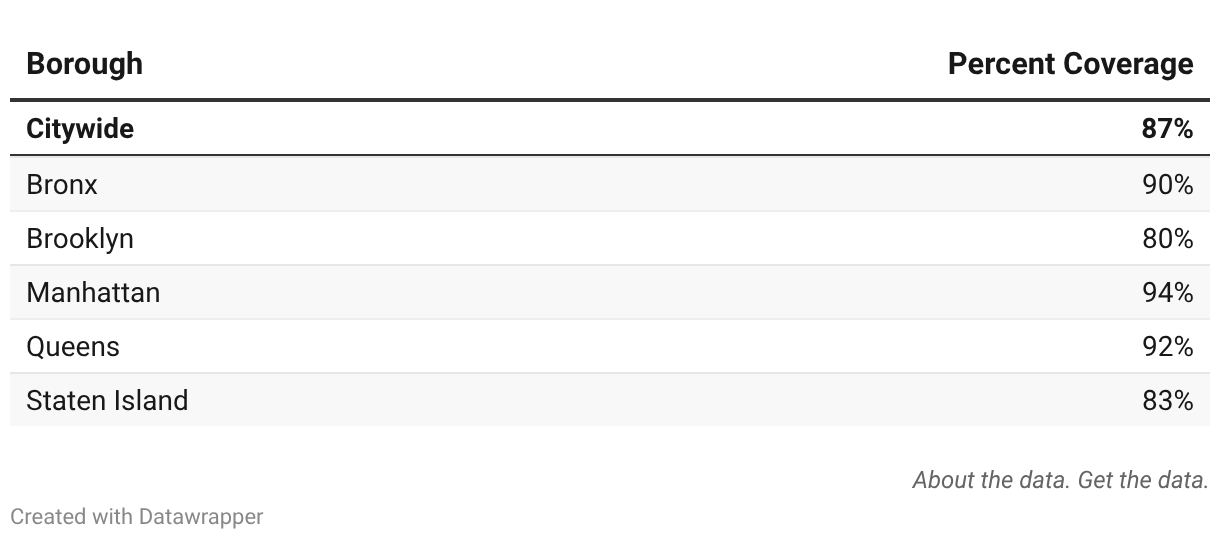
Varicella Vaccination Coverage as of June 30, 2021

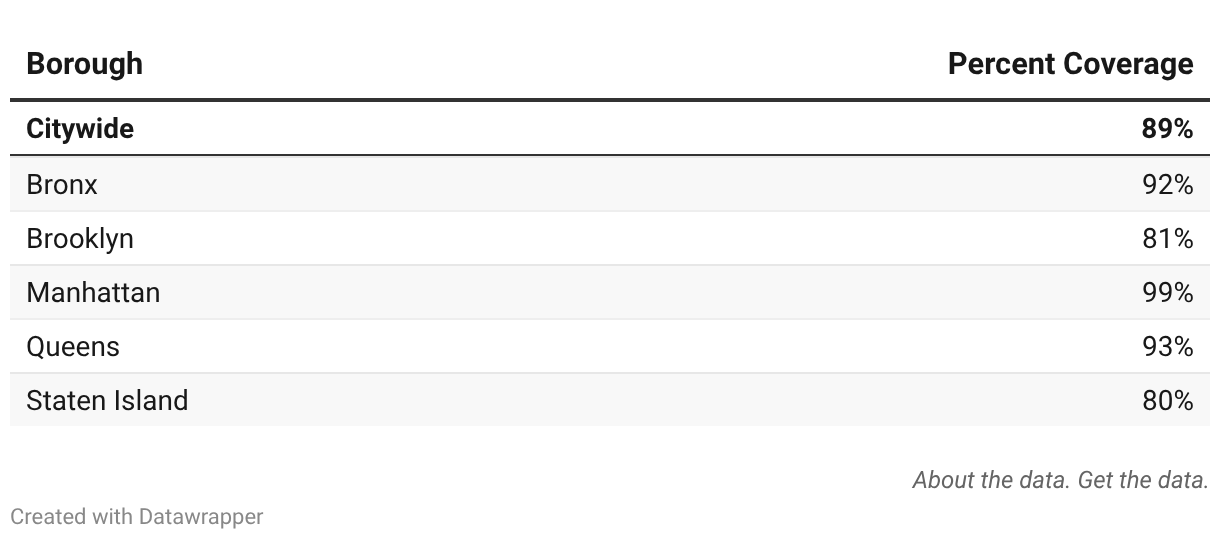
Varicella Vaccination Coverage as of December 31, 2020
Varicella Vaccination Coverage as of June 30, 2020

Pneumococcal Conjugate Vaccine (PCV)
Pneumococcal conjugate vaccine (PCV) is a vaccine that protects against pneumococcal disease. PCV vaccination is recommended at the following ages:2 months 4 months 6 months 12 to 15 months
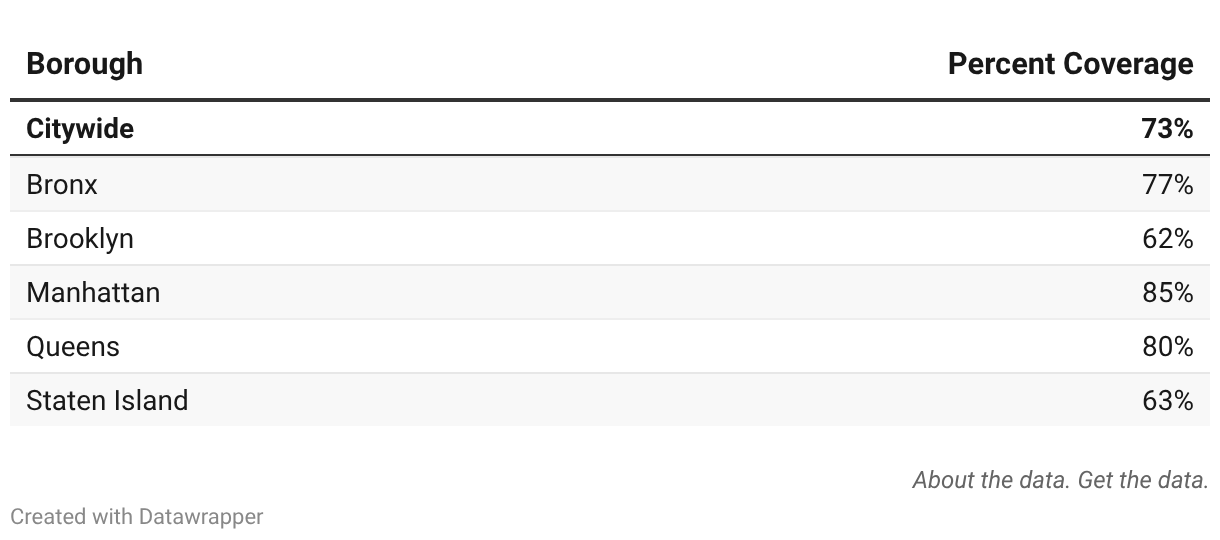
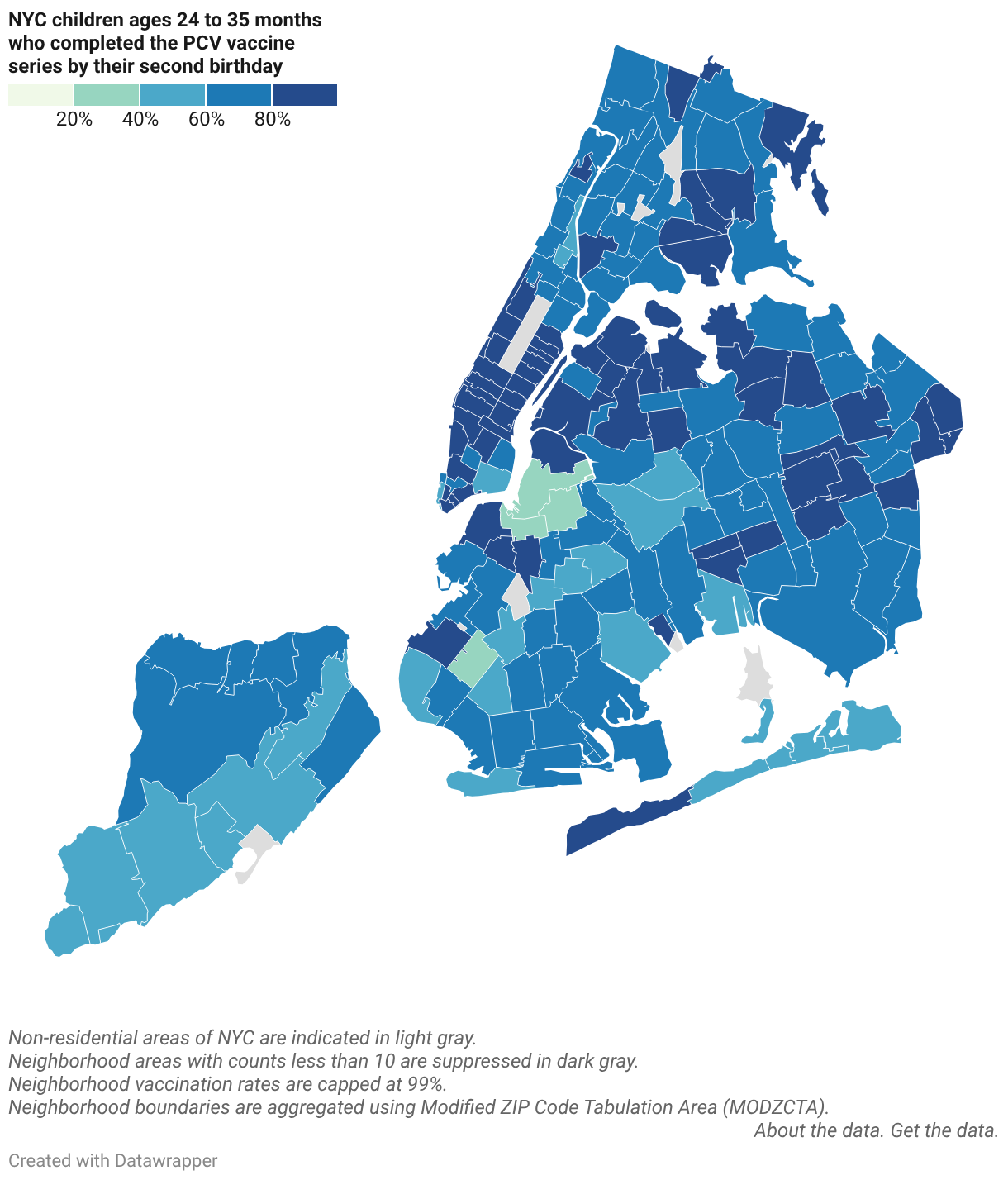
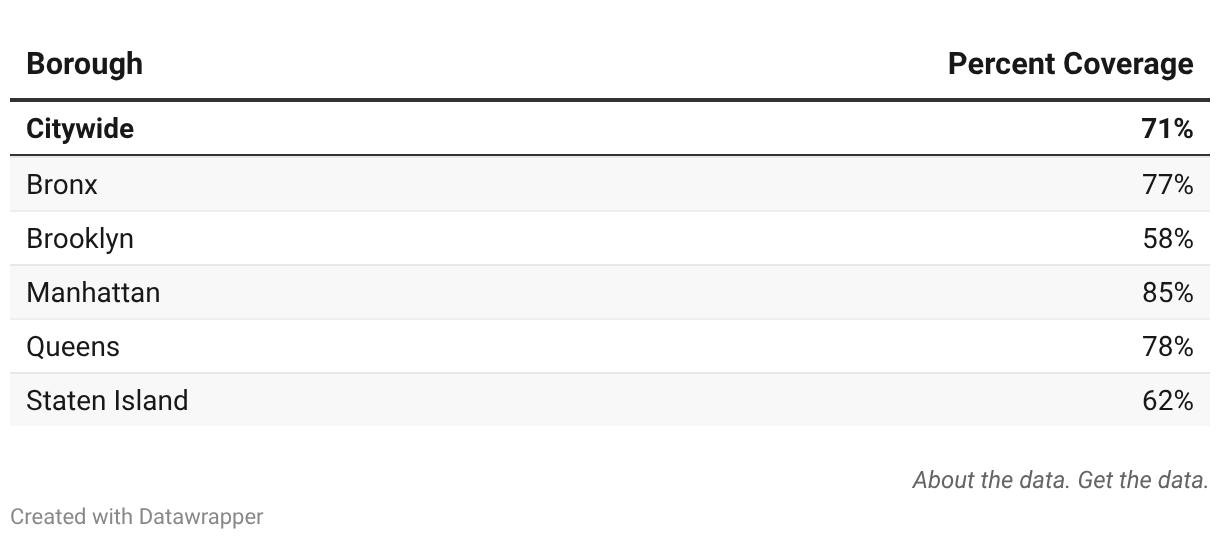
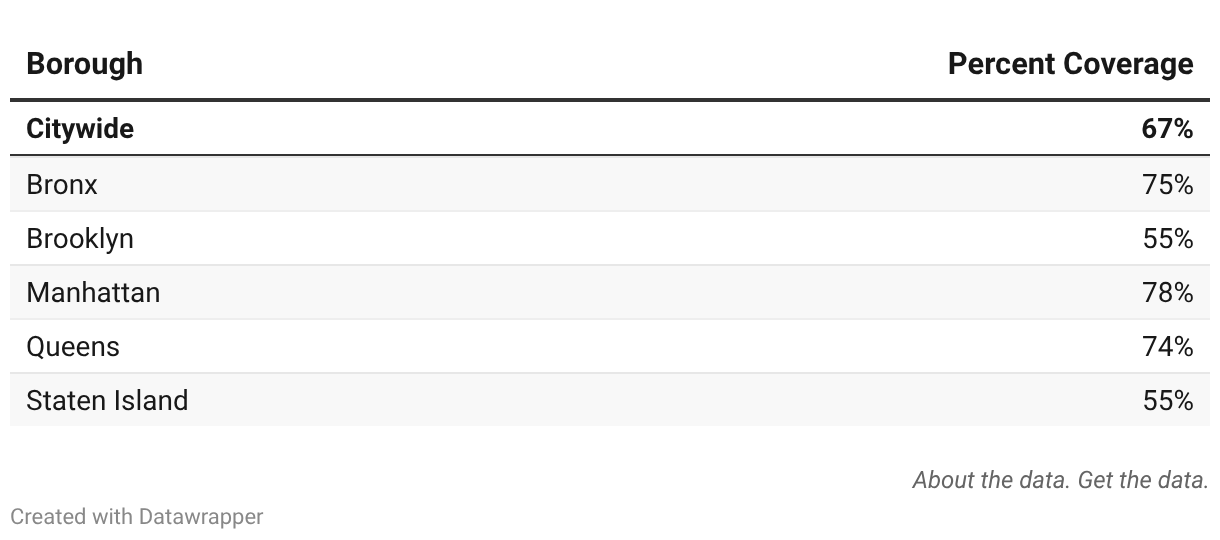
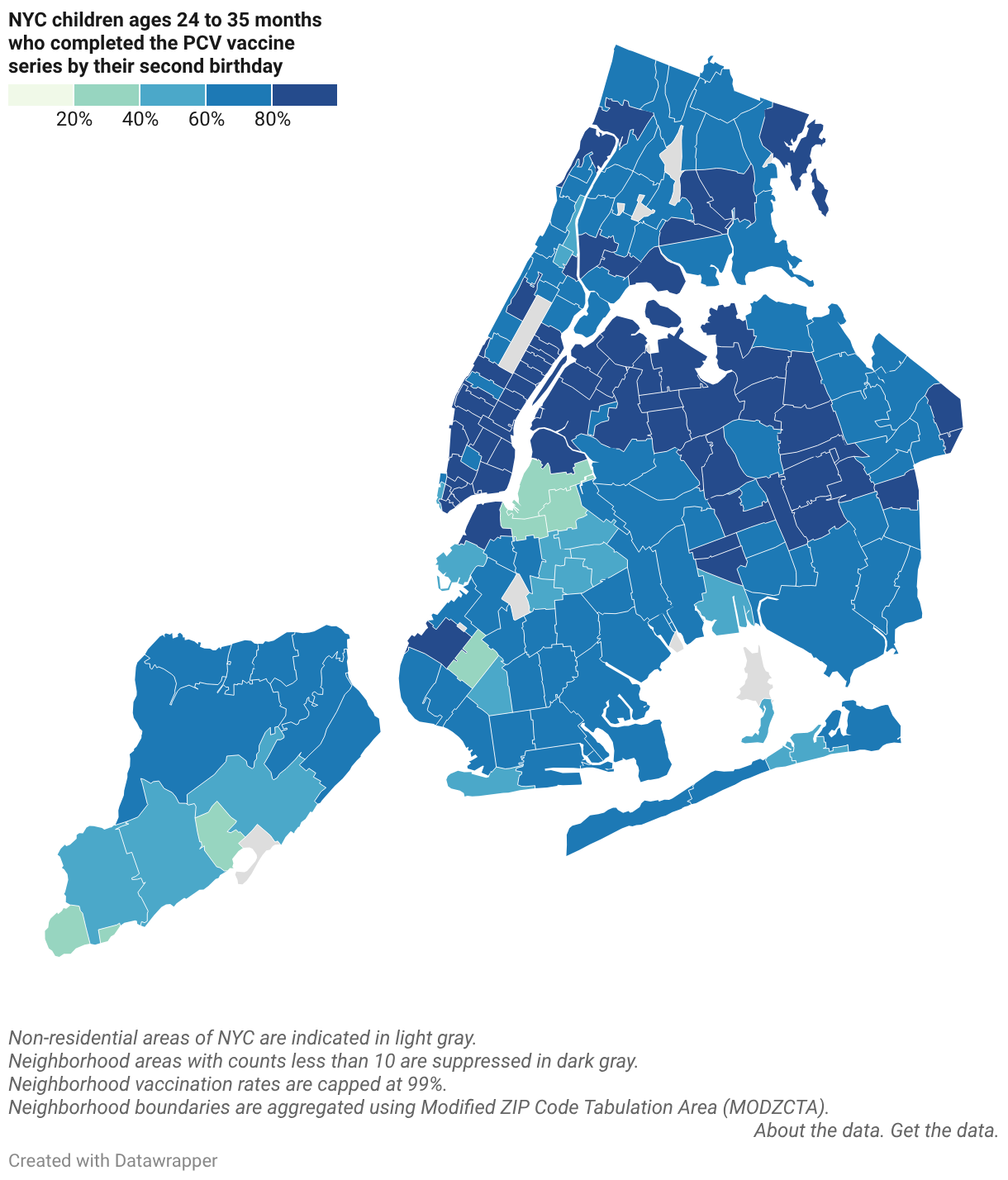
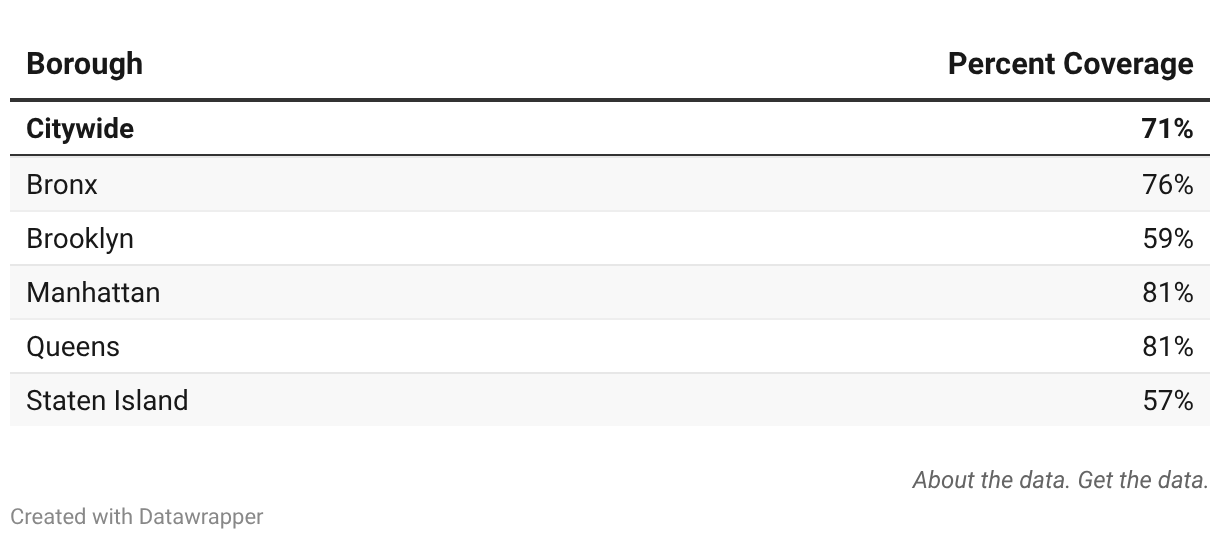
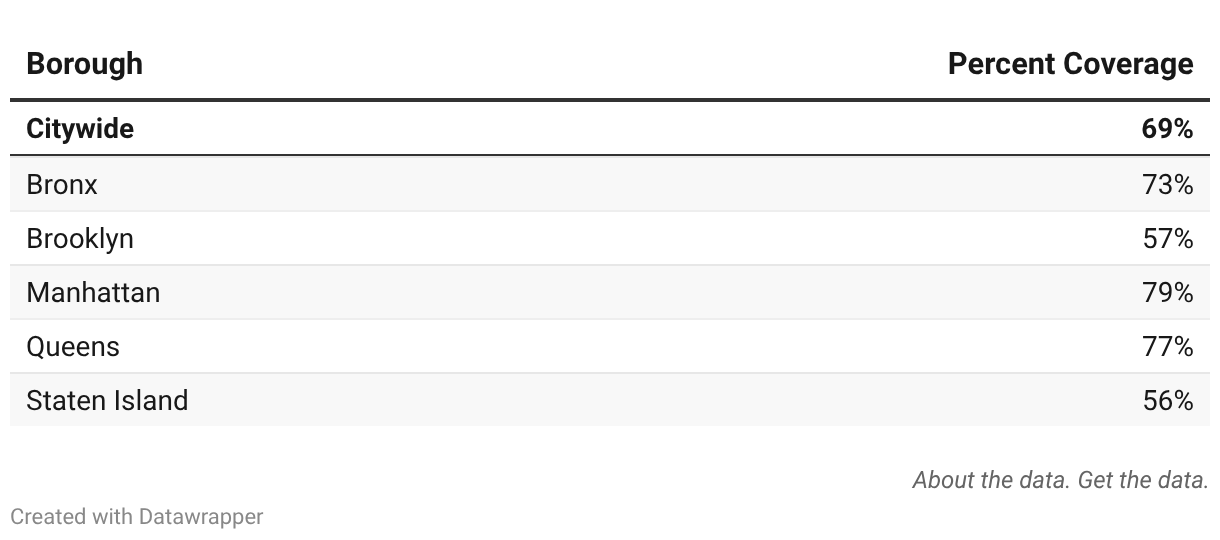
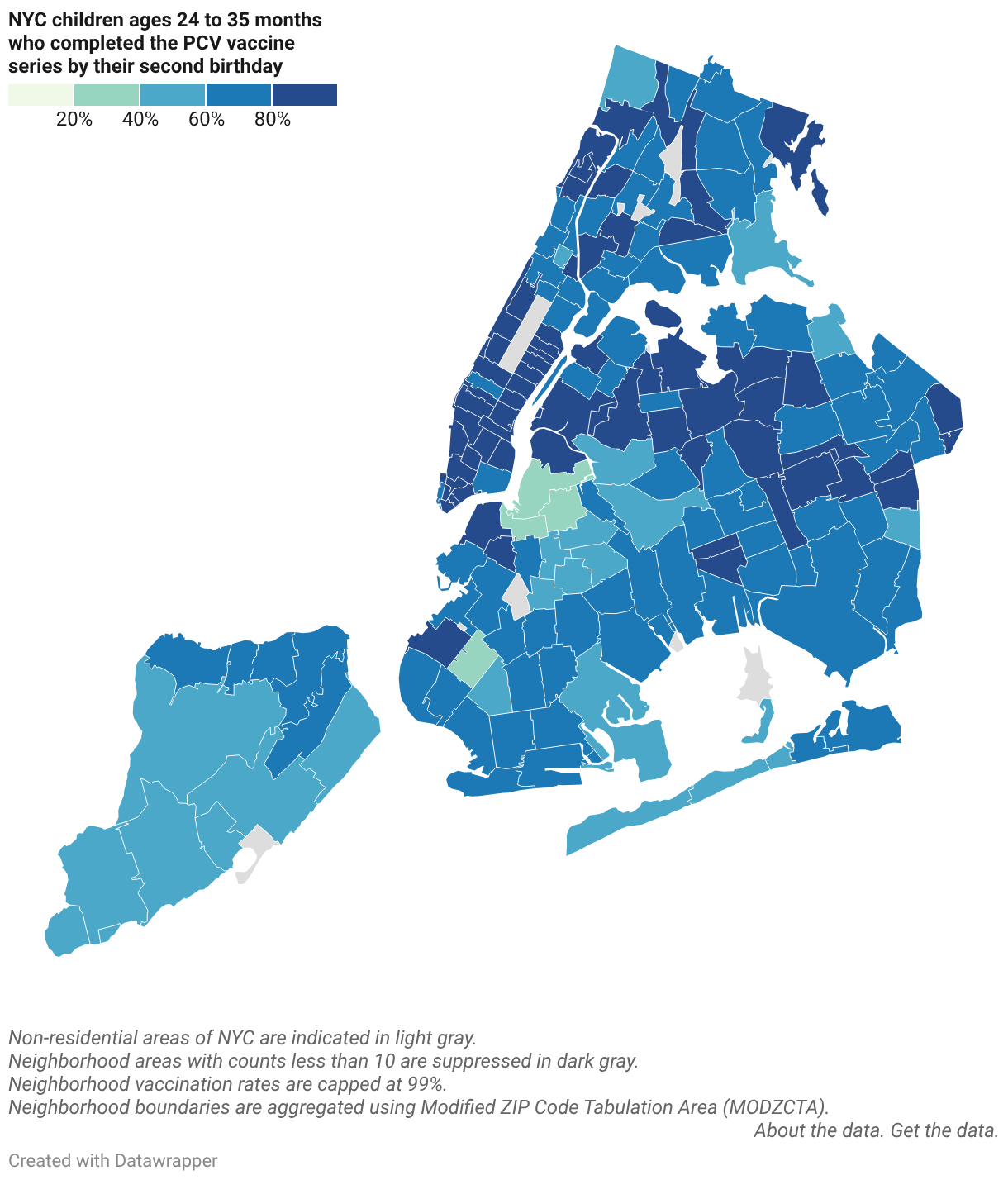
This page shows vaccination coverage for 2-year-olds (ages 24 to 35 months) who completed the PCV vaccine series by their second birthday.
As of December 31, 2024, 73% of NYC children ages 24 to 35 months had completed the PCV vaccine series by their second birthday.
Go to: Trends Over Time | Race/Ethnicity | ZIP Code
Trends Over Time
This chart shows the percent of NYC children ages 24 to 35 months who completed the PCV vaccine series by their second birthday, by year.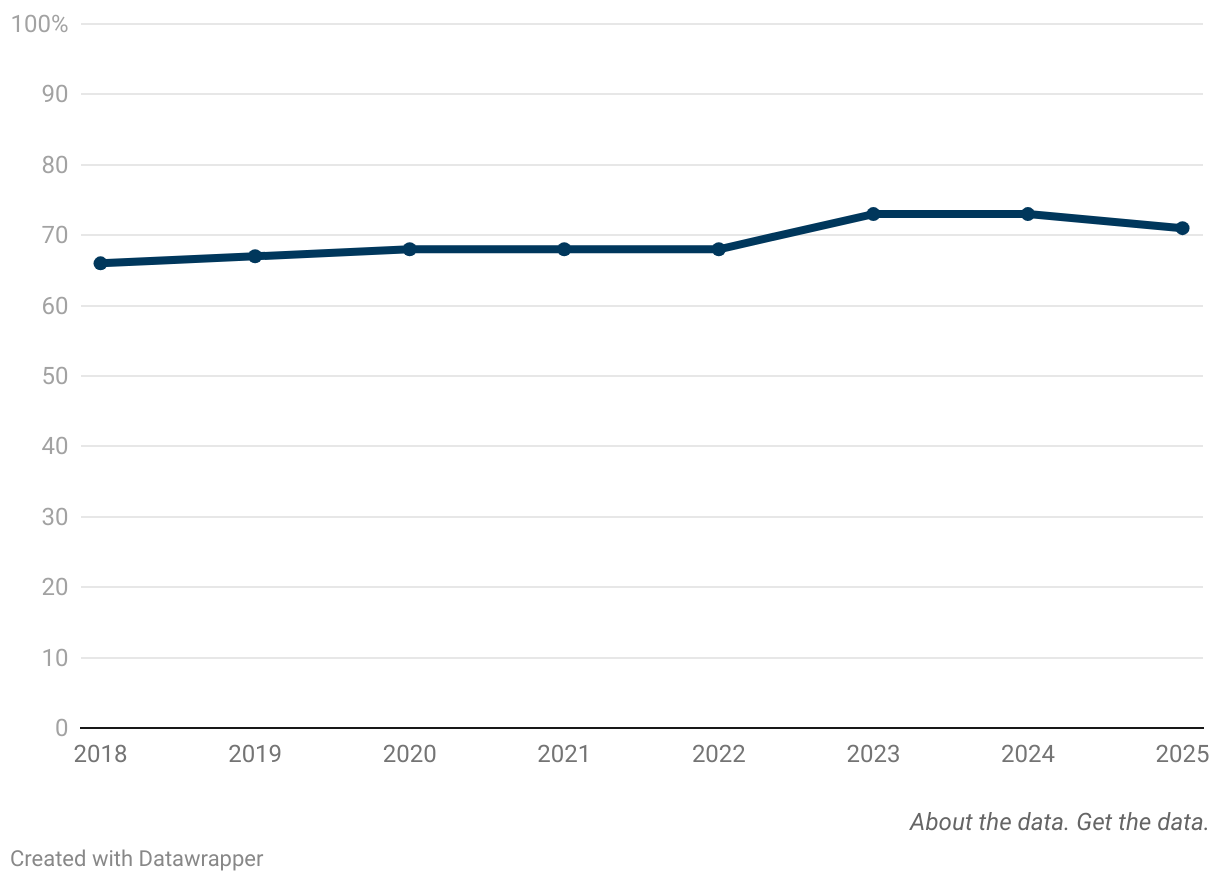
Vaccination by Race/Ethnicity
This chart shows the percent of NYC children ages 24 to 35 months who completed the PCV vaccine series by their second birthday, by race/ethnicity.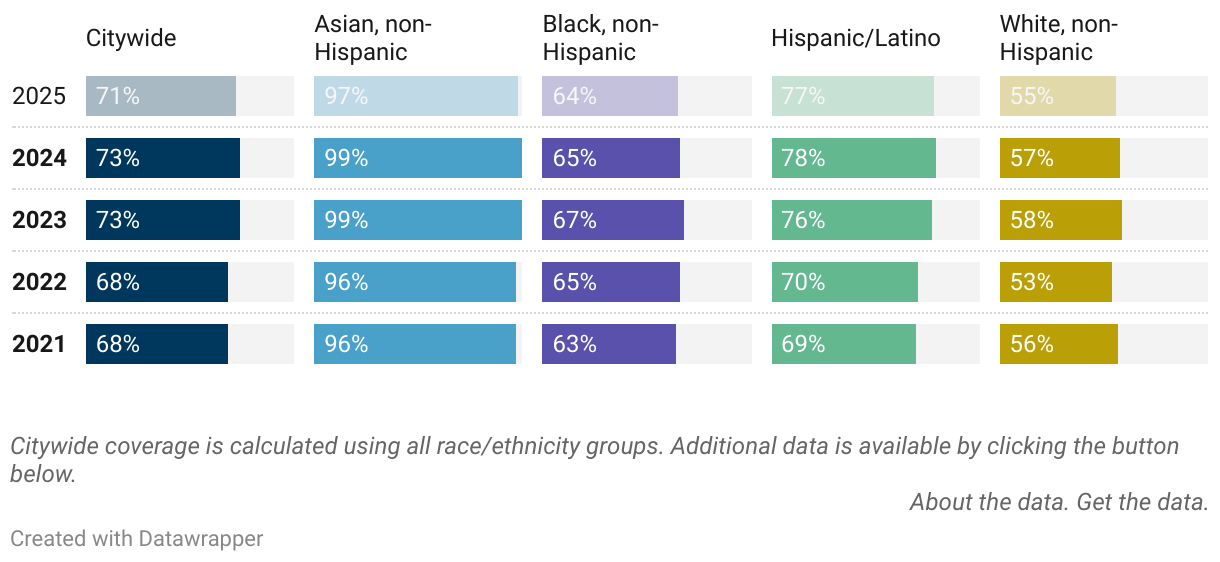
Vaccination by ZIP Code
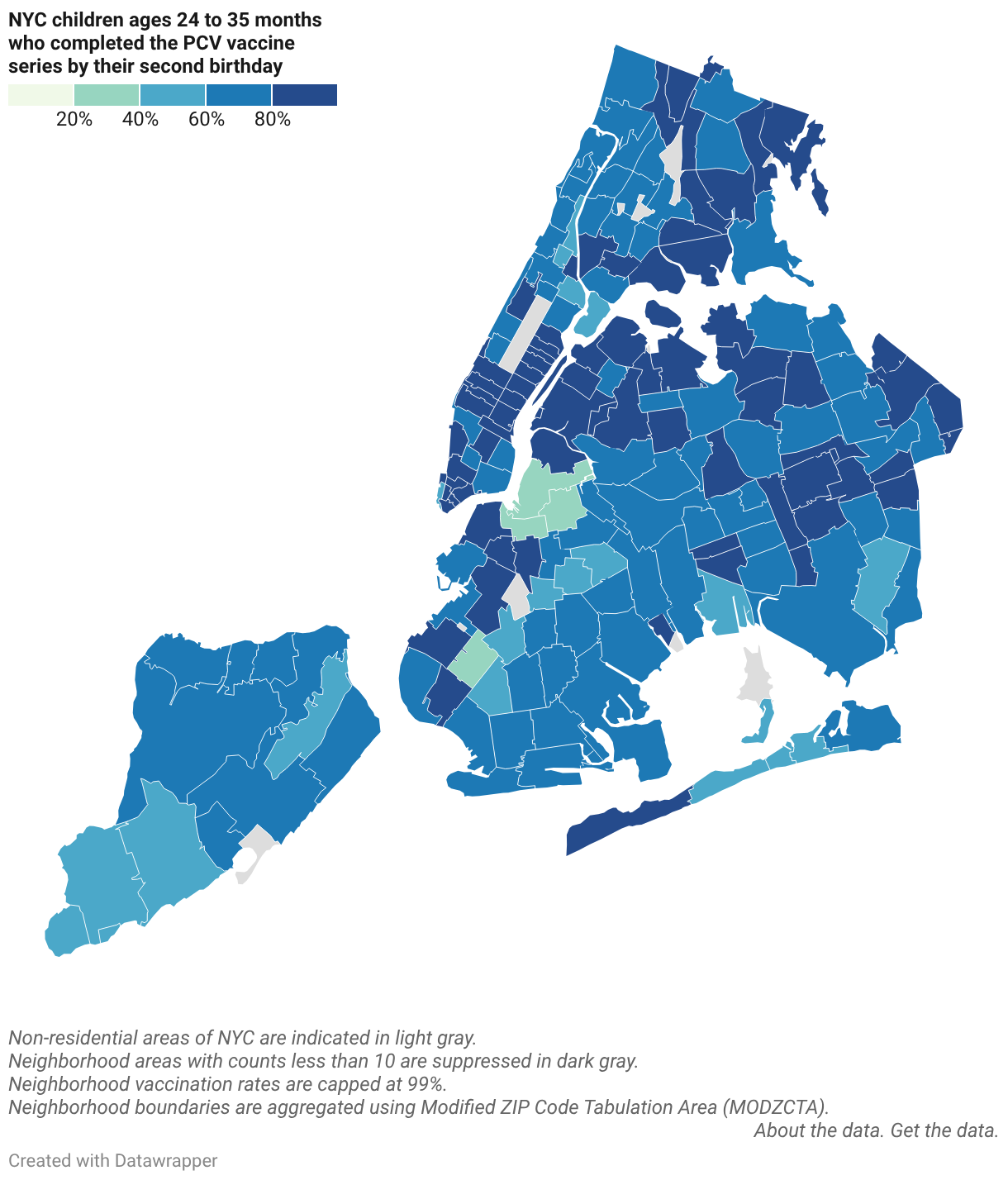
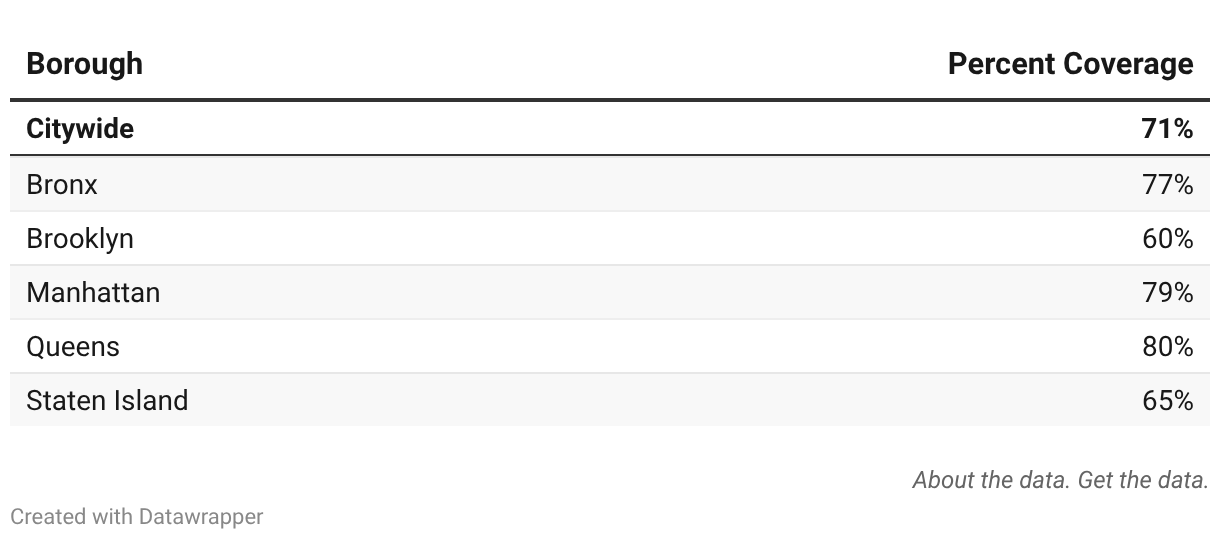
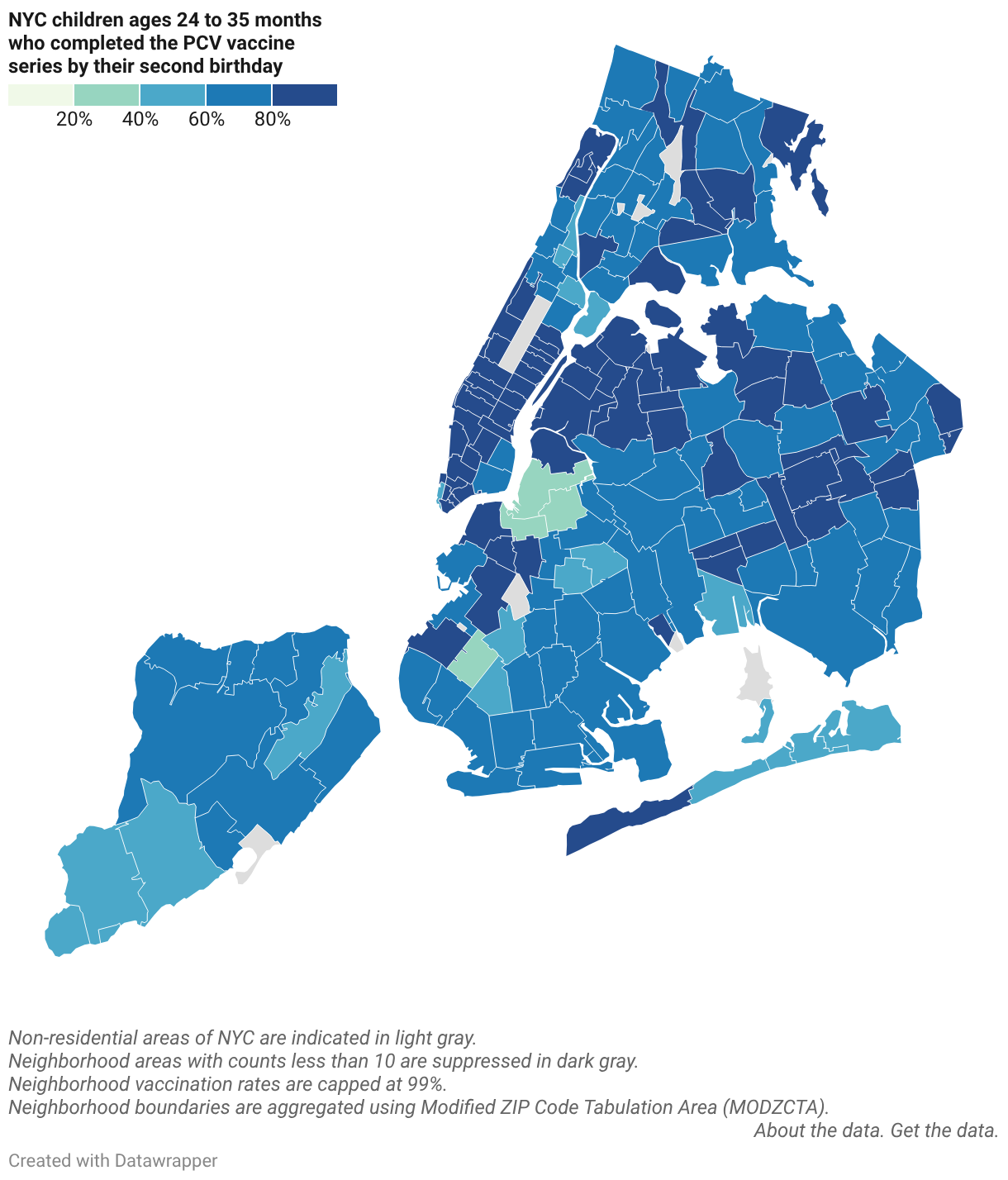
This chart shows the percent of NYC children ages 24 to 35 months who completed the PCV vaccine series by their second birthday, by ZIP code. PCV Vaccination Coverage as of December 31, 2024
PCV Vaccination Coverage as of June 30, 2024
PCV Vaccination Coverage as of December 31, 2023
PCV Vaccination Coverage as of June 30, 2023

PCV Vaccination Coverage as of December 31, 2022


PCV Vaccination Coverage as of June 30, 2022
PCV Vaccination Coverage as of December 31, 2021

PCV Vaccination Coverage as of June 30, 2021
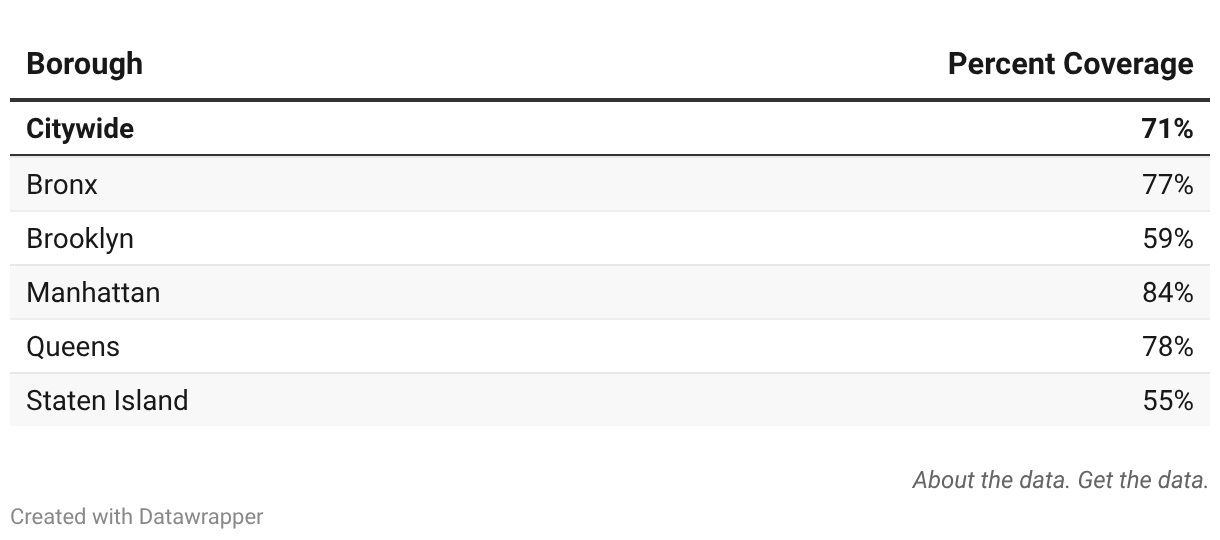
PCV Vaccination Coverage as of December 31, 2020
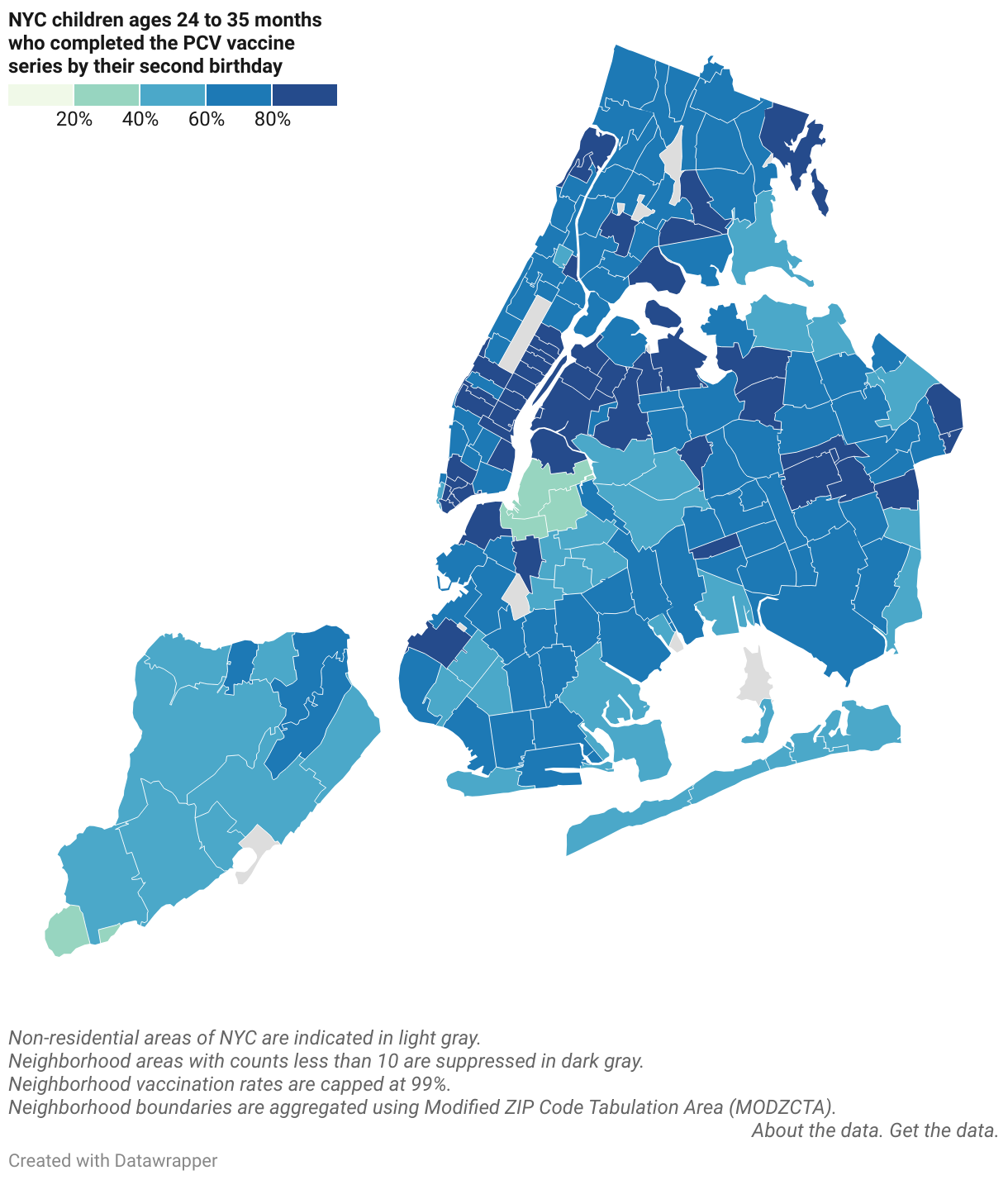

PCV Vaccination Coverage as of June 30, 2020
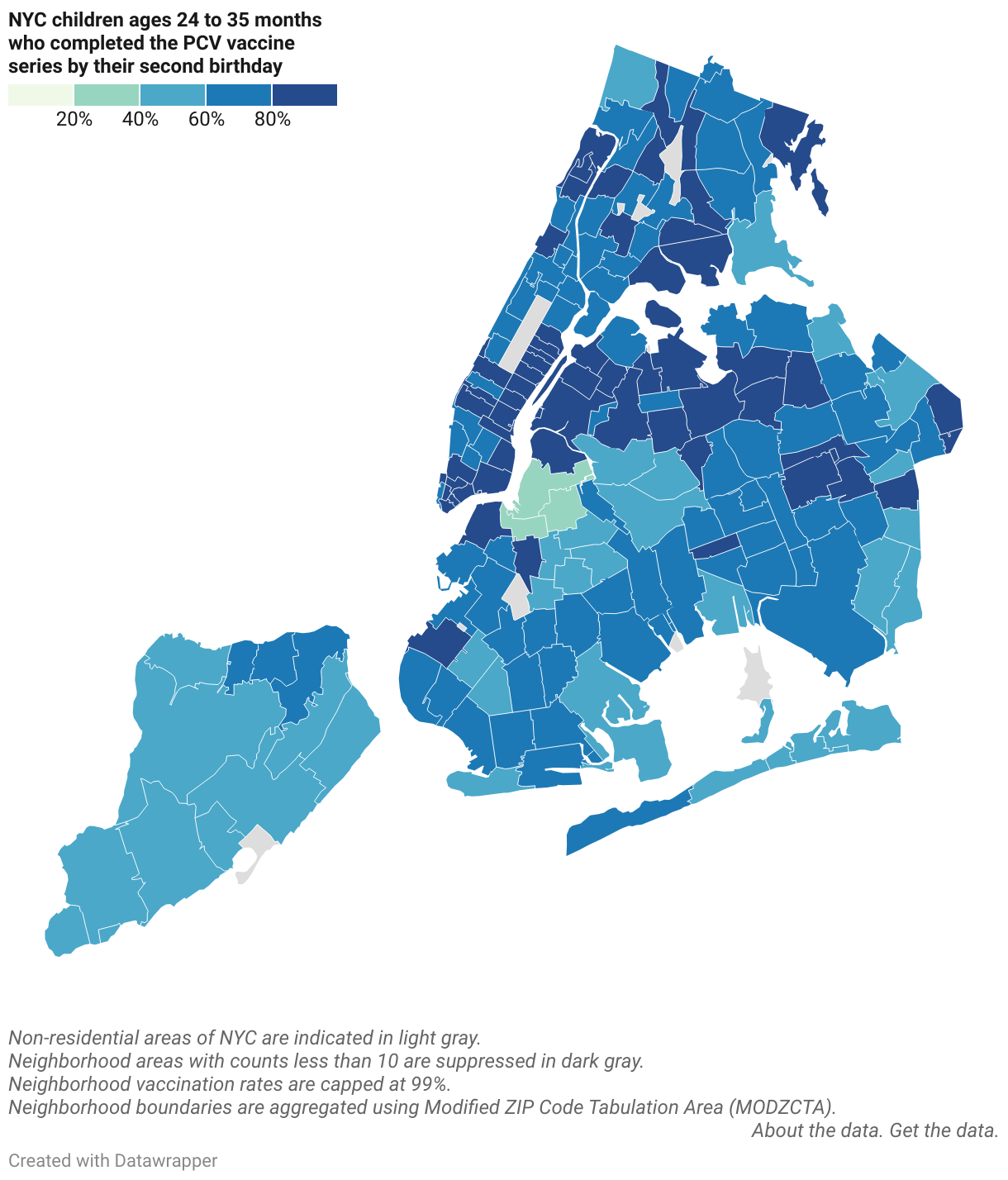

Human Papillomavirus (HPV) Vaccine
HPV vaccine is a vaccine that protects against nine strains of human papillomavirus, including the types that cause cancers of the cervical, oropharynx, anus, penis, vagina, and vulva, as well as genital warts. The NYC Health Department recommends starting the HPV vaccine series at age 9. Children who start the series younger than age 15 should receive two doses at least six months apart. Those who start at age 15 or older need three doses given over six months.This page shows vaccination coverage for 13- to 17-year-olds who completed the HPV vaccine series. Additionally, on-time vaccination coverage is shown for 13-year-olds who completed the HPV vaccine series by their 13th birthday.
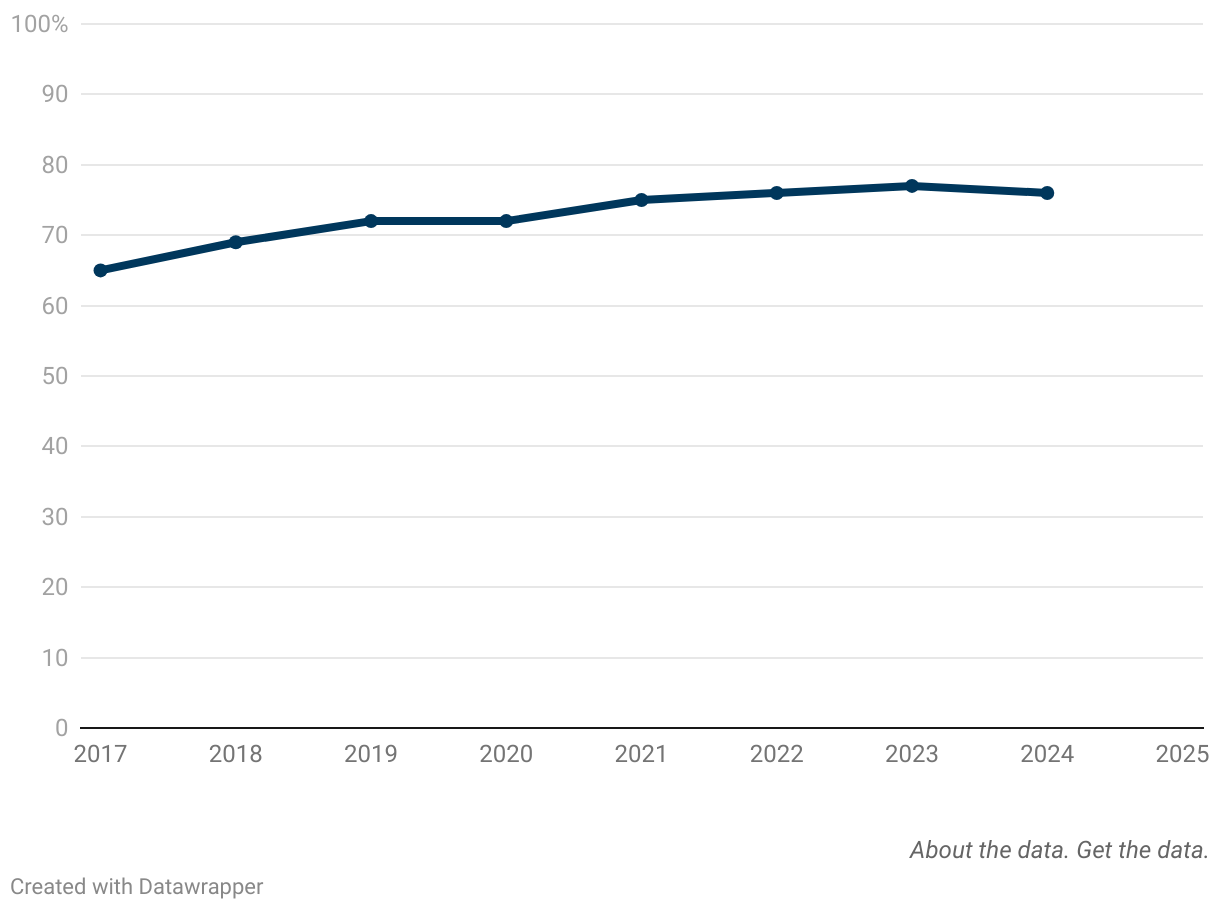
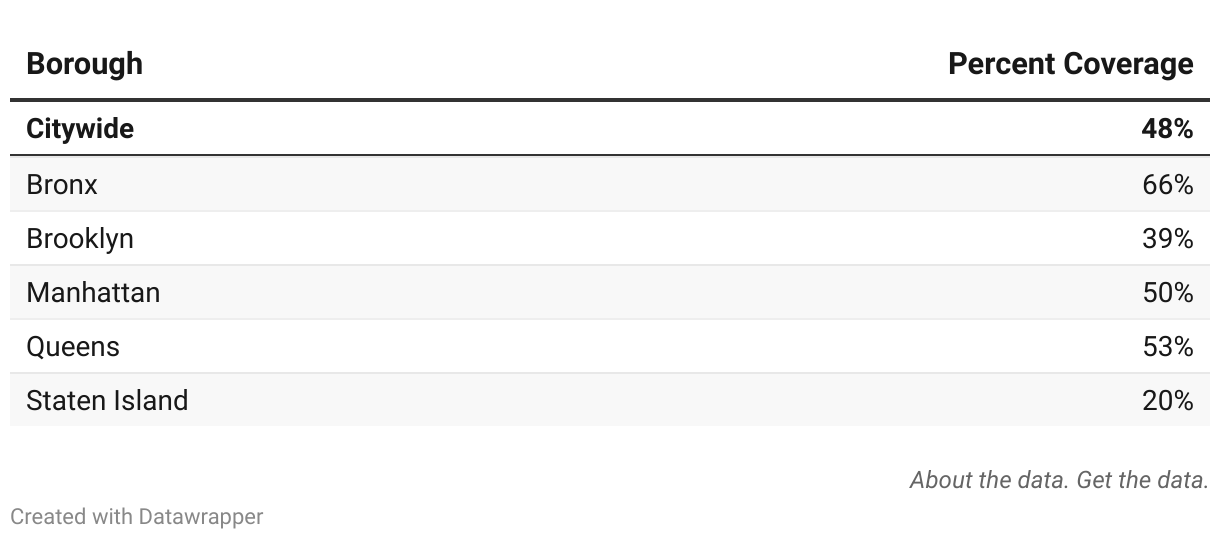
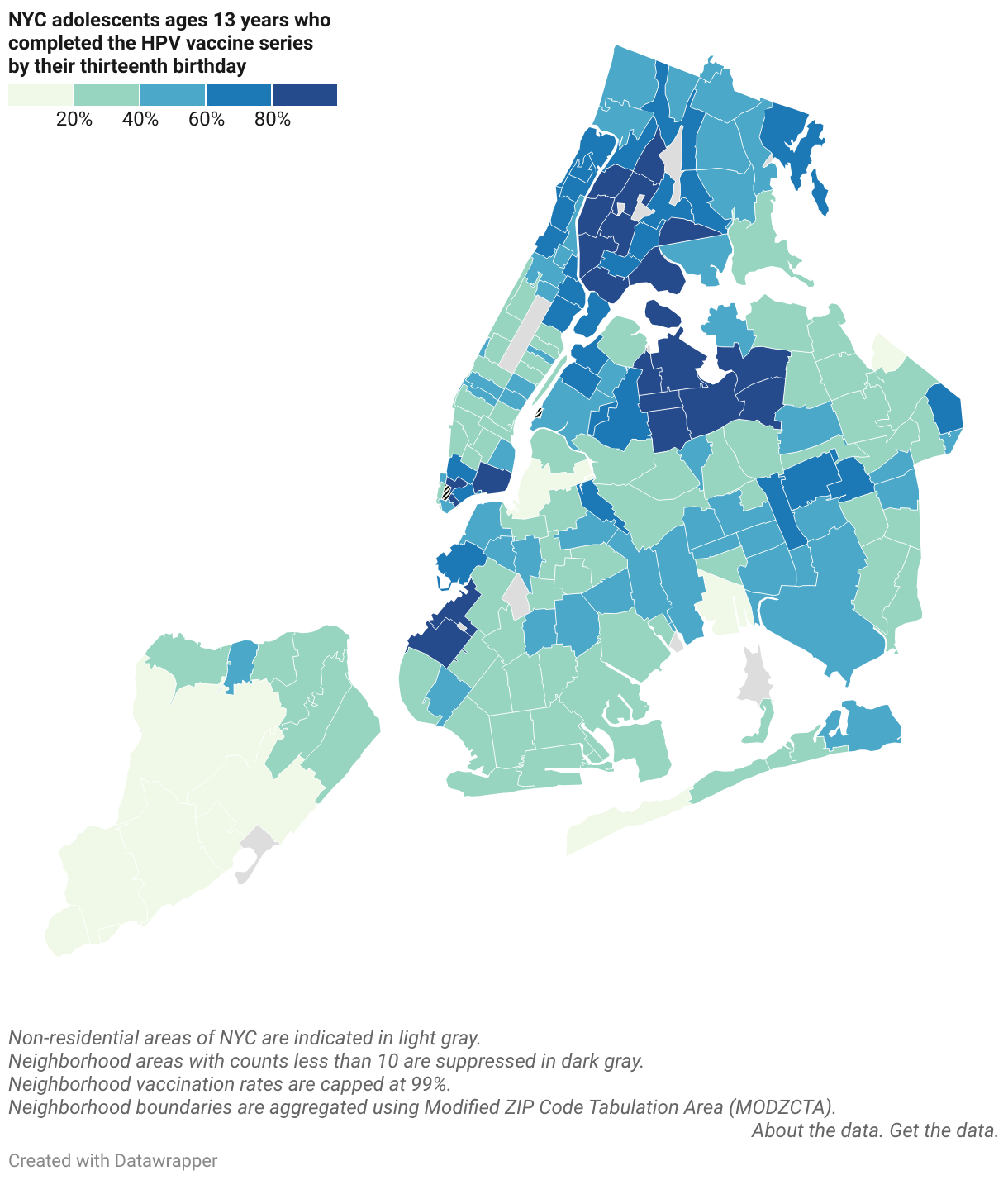
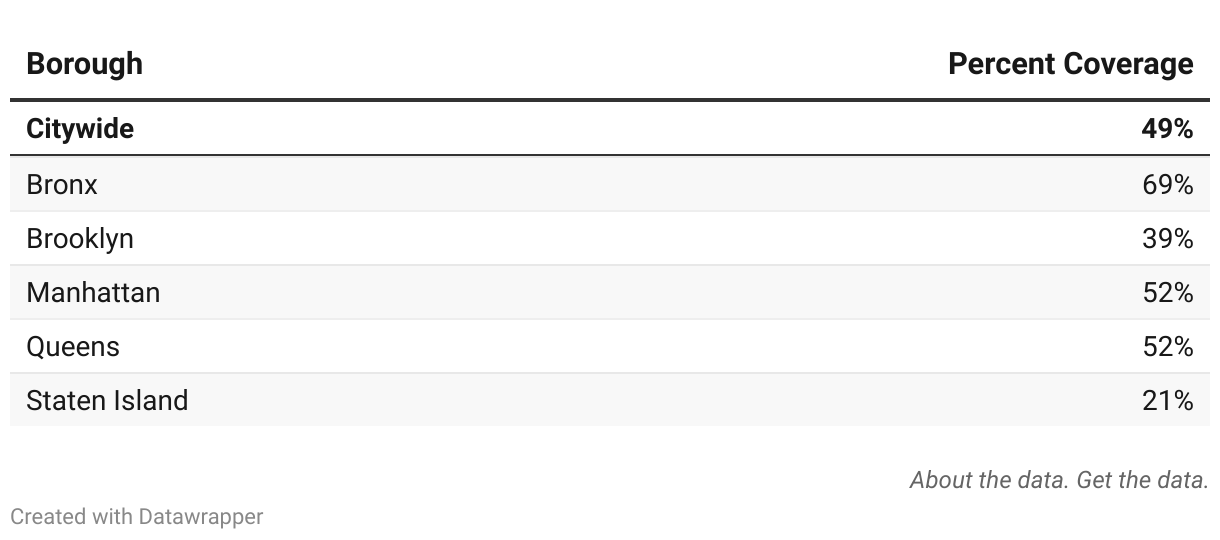
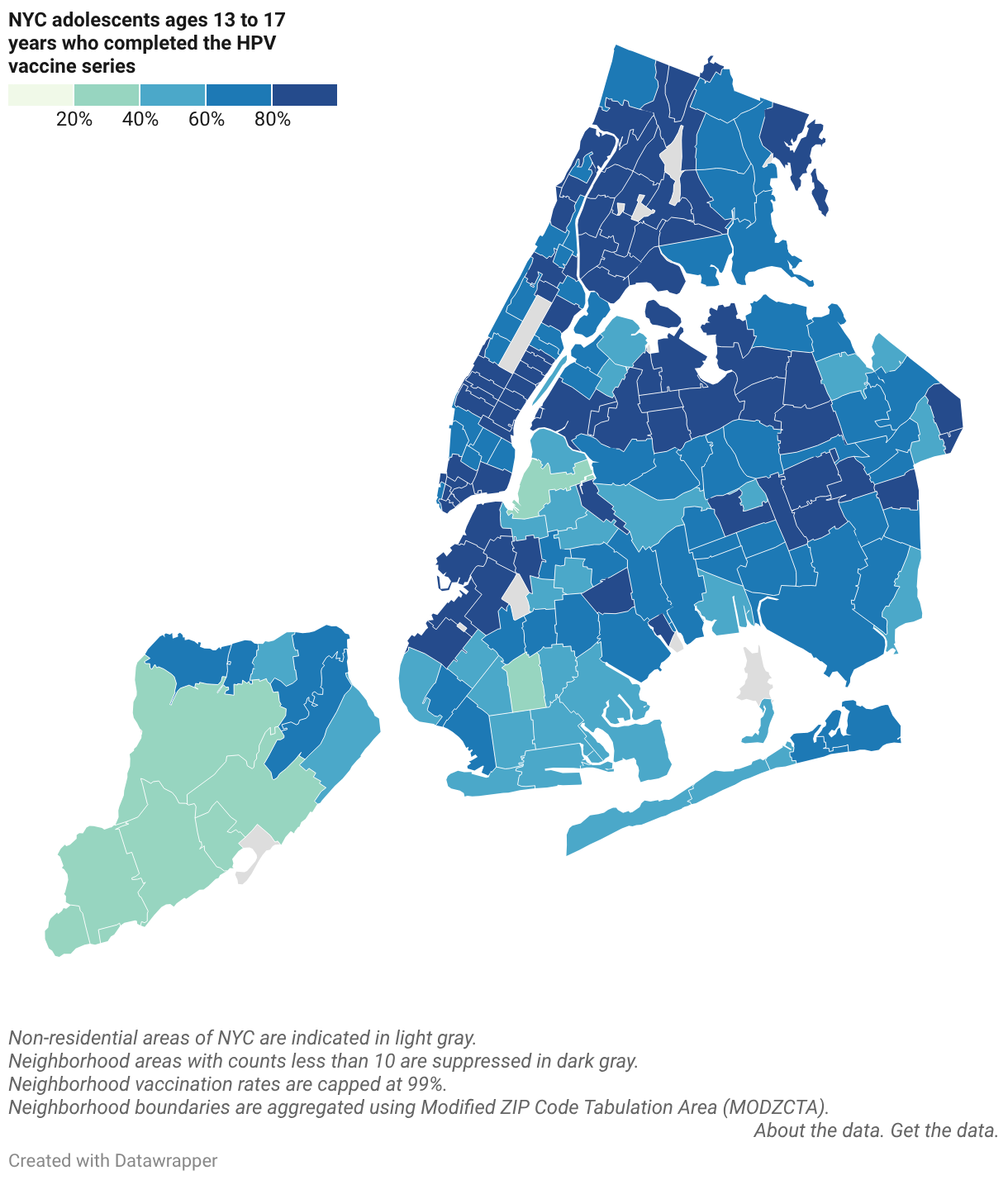
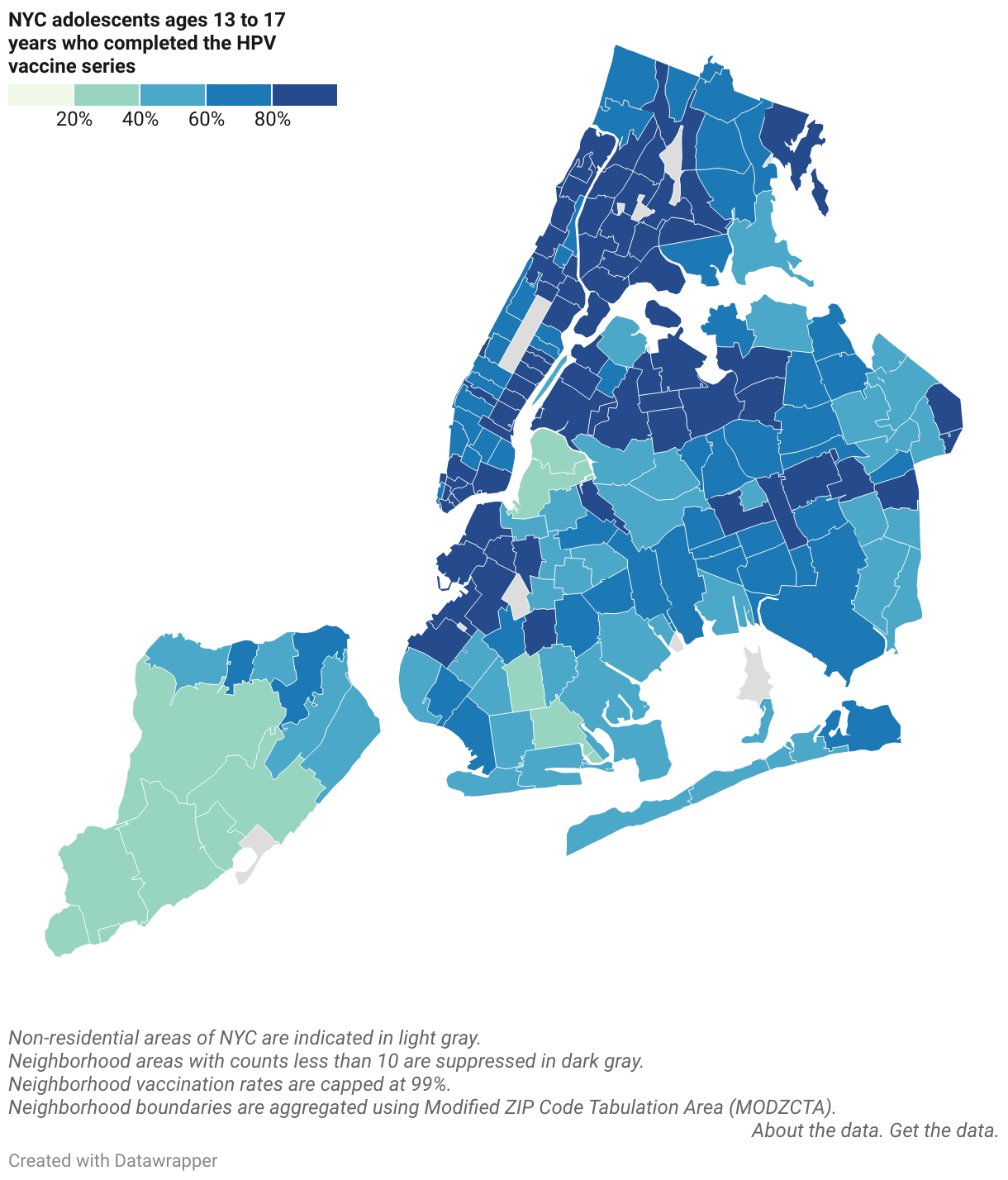
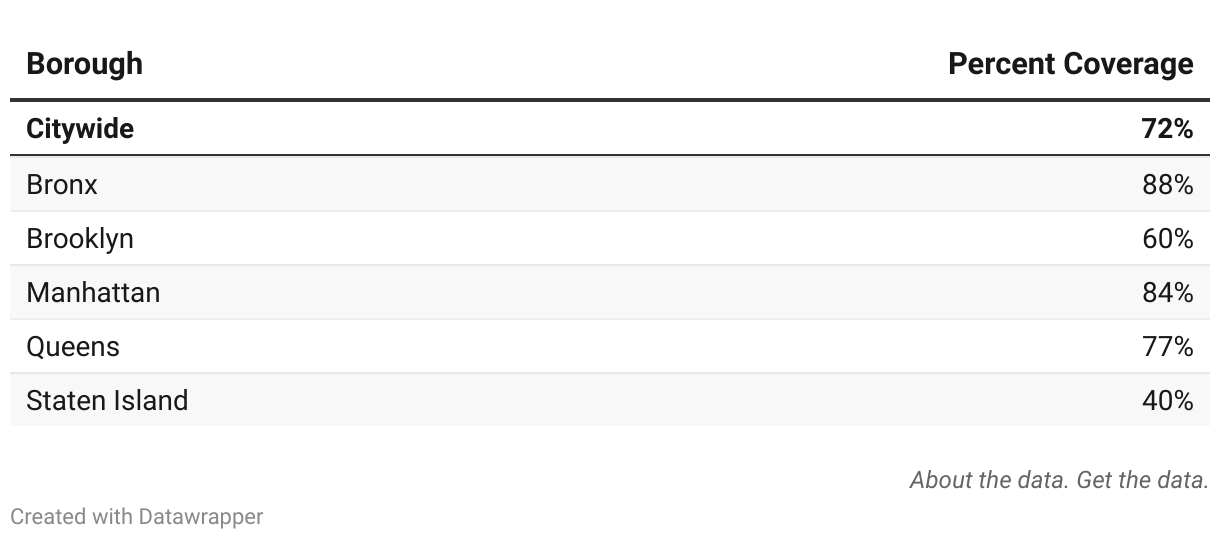
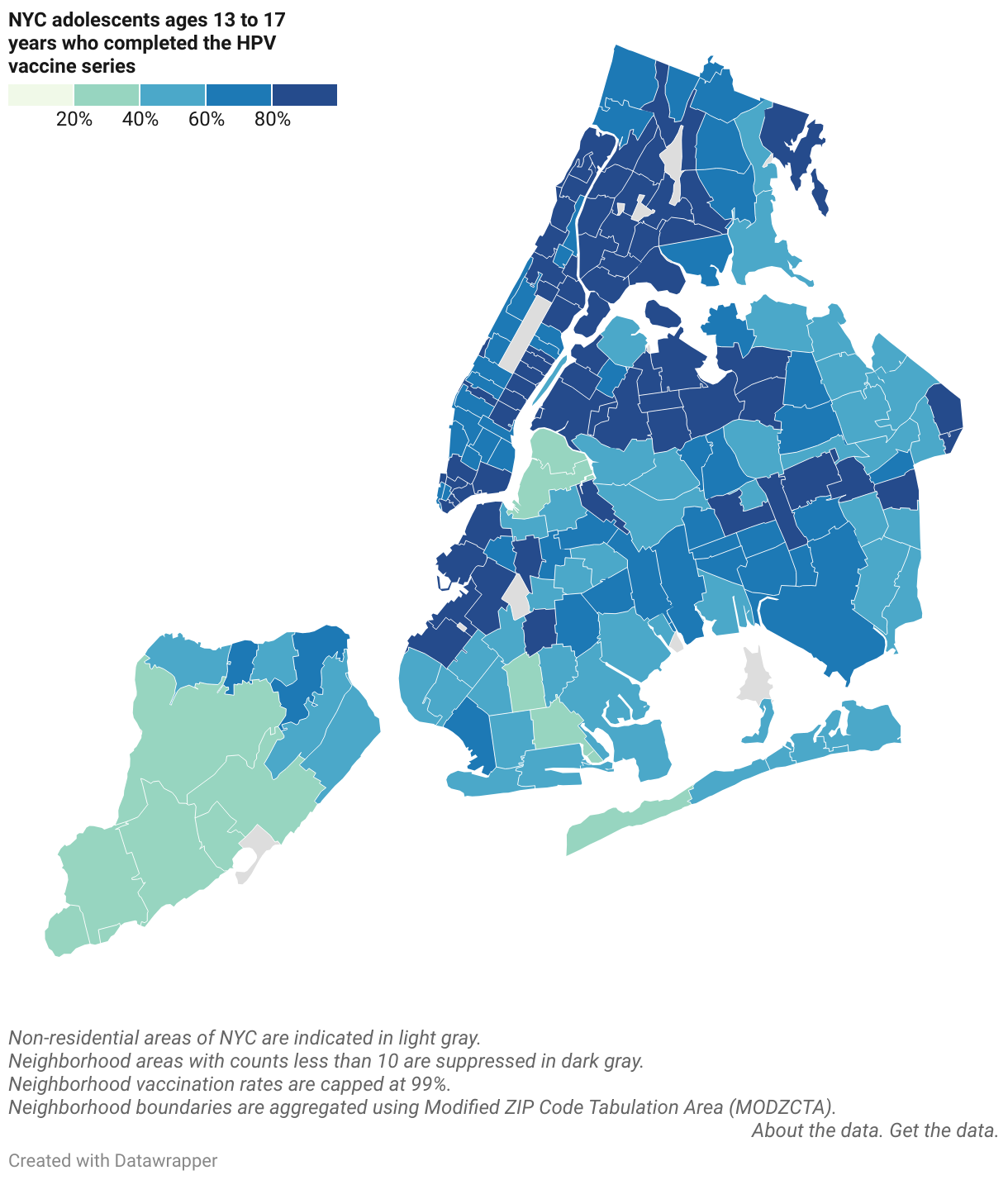
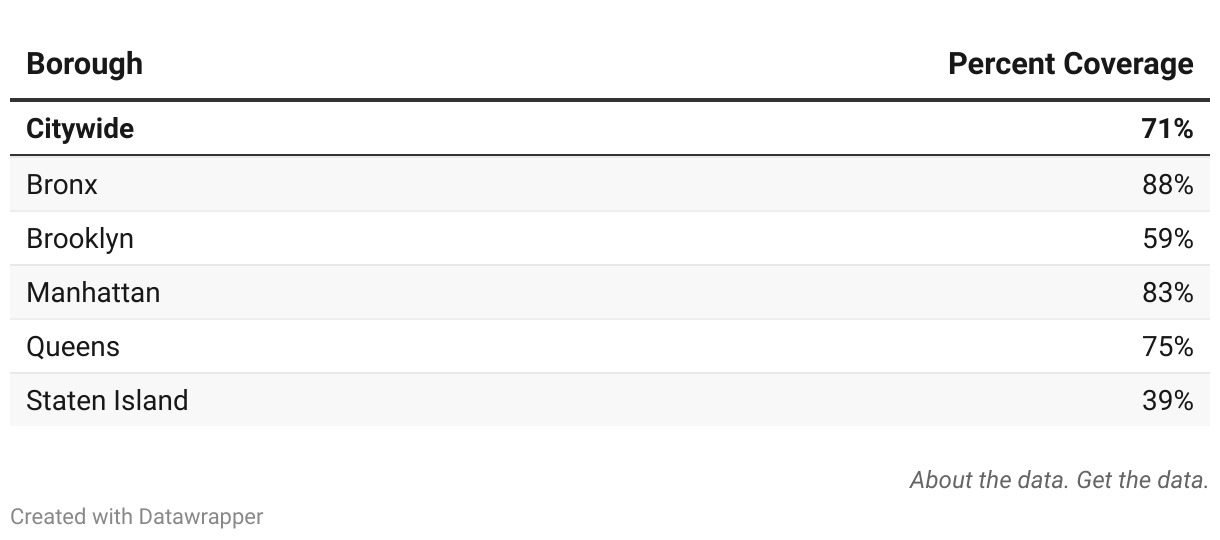
As of December 31, 2024, 76% of NYC adolescents between the ages of 13 and 17 years had completed the HPV vaccine series and 46% of NYC 13-year-olds had completed the HPV vaccine series by their 13th birthday.
Go to: Trends Over Time | Race/Ethnicity | ZIP Code
Trends Over Time
This chart shows the percent of NYC adolescents ages 13 to 17 years who completed the HPV vaccine series, by year.
Vaccination by Race/Ethnicity
This chart shows the percent of NYC adolescents ages 13 to 17 years who completed the HPV vaccine series, by race/ethnicity.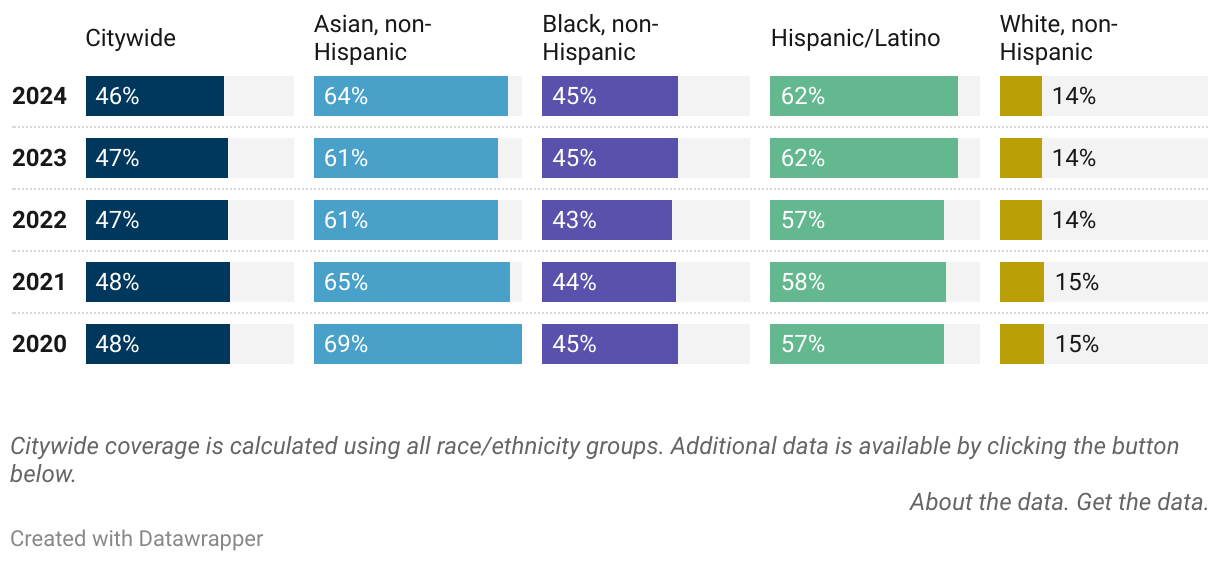

Vaccination by ZIP Code
This chart shows the percent of NYC adolescents ages 13 to 17 years who completed the HPV vaccine series, by ZIP code.HPV Vaccination Coverage as of December 31, 2024
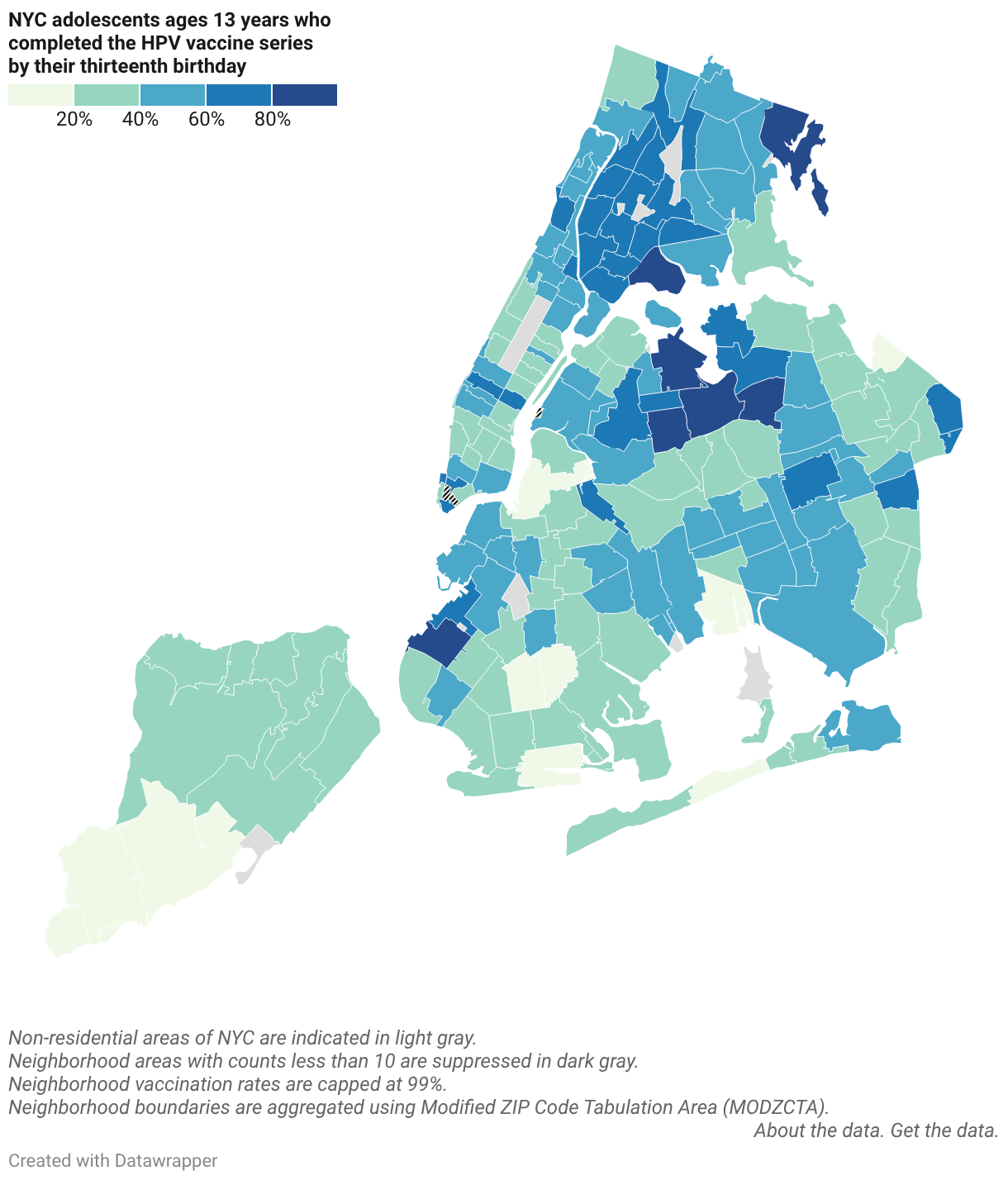

HPV Vaccination Coverage as of June 30, 2024


HPV Vaccination Coverage as of December 31, 2023

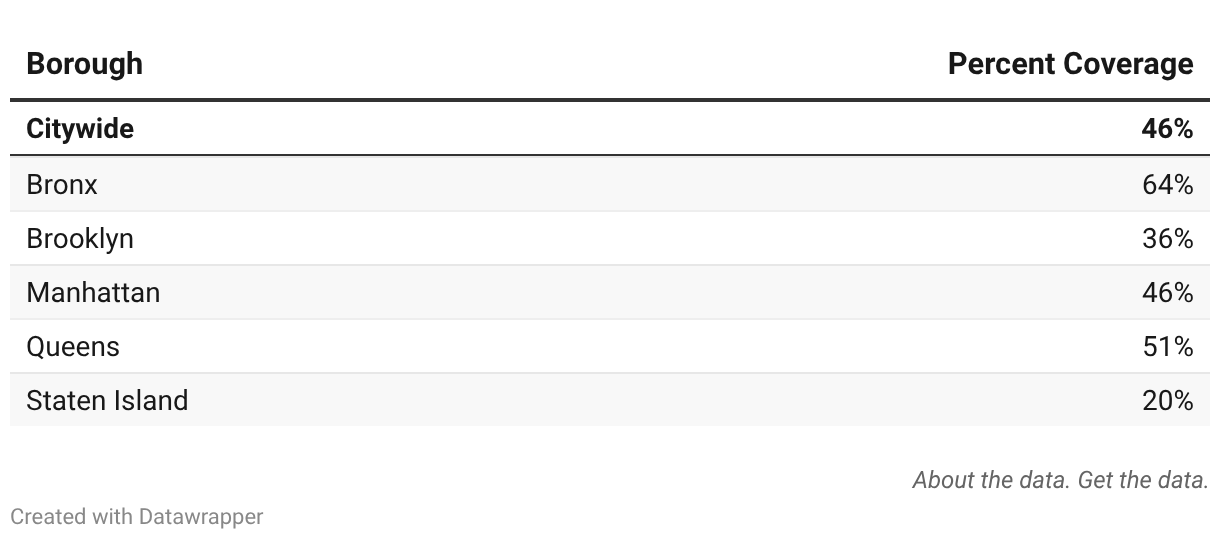
HPV Vaccination Coverage as of June 30, 2023
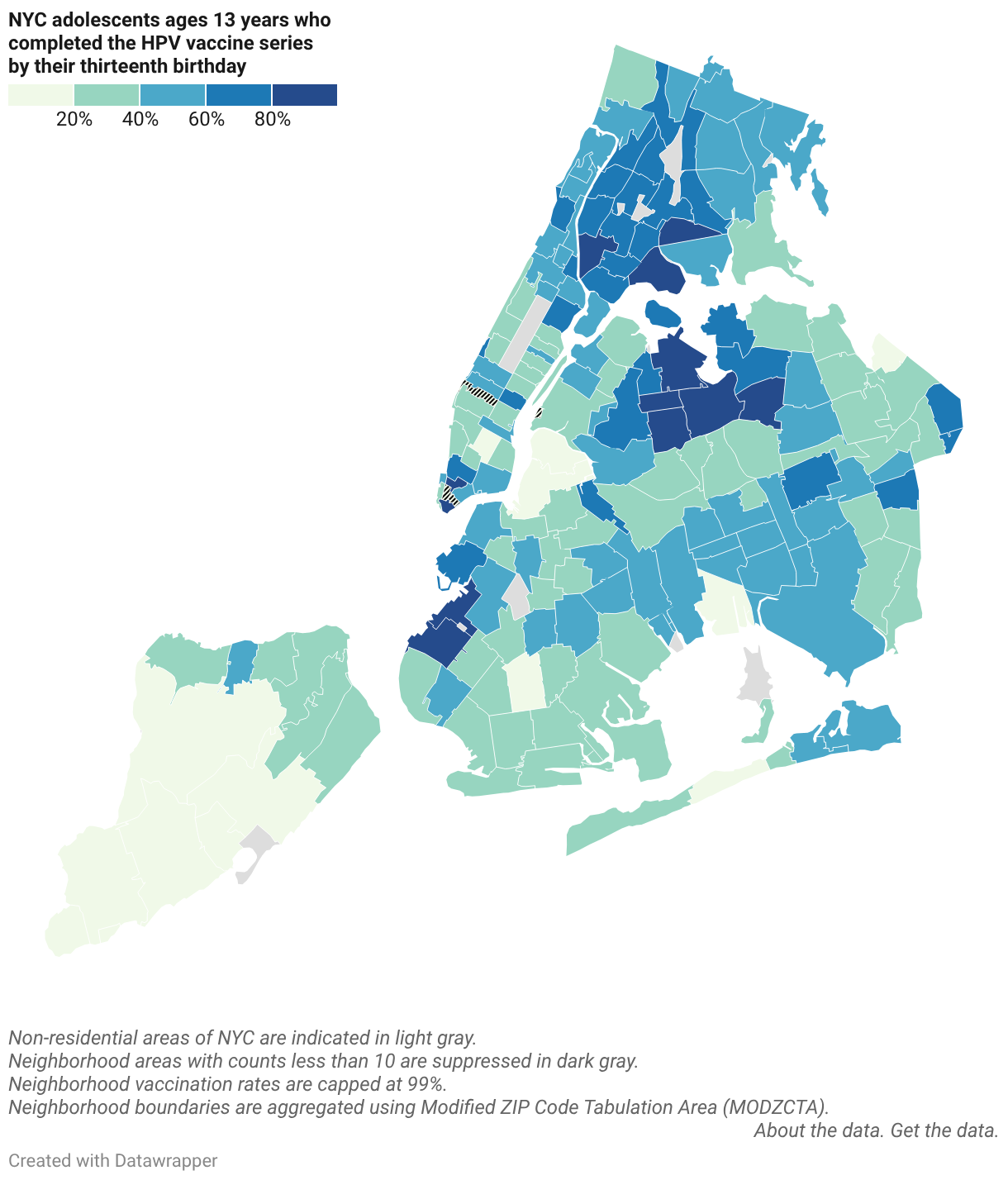
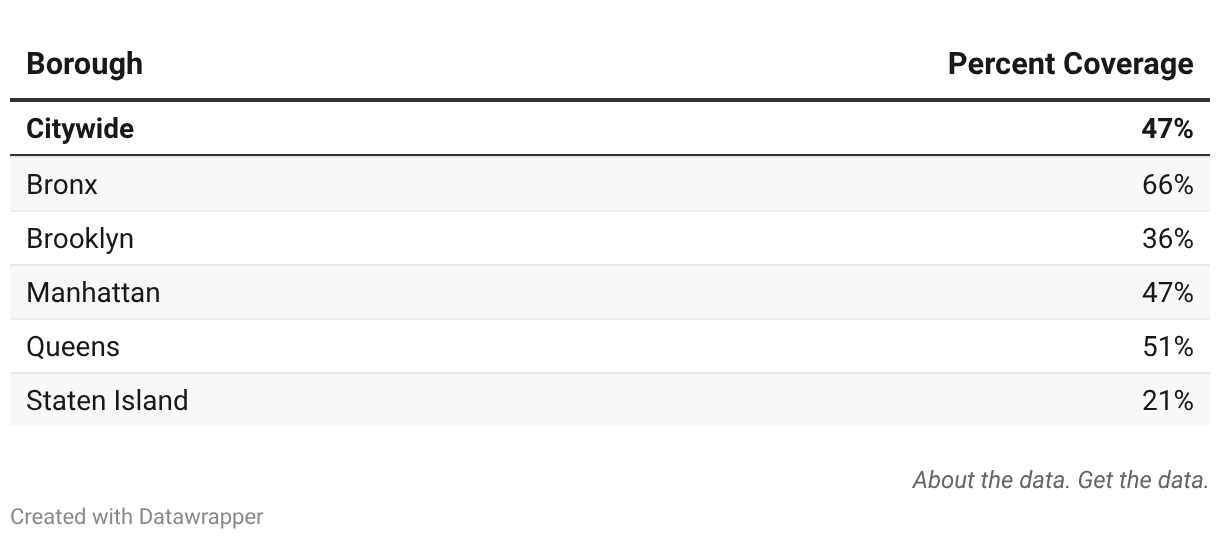
HPV Vaccination Coverage as of December 31, 2022

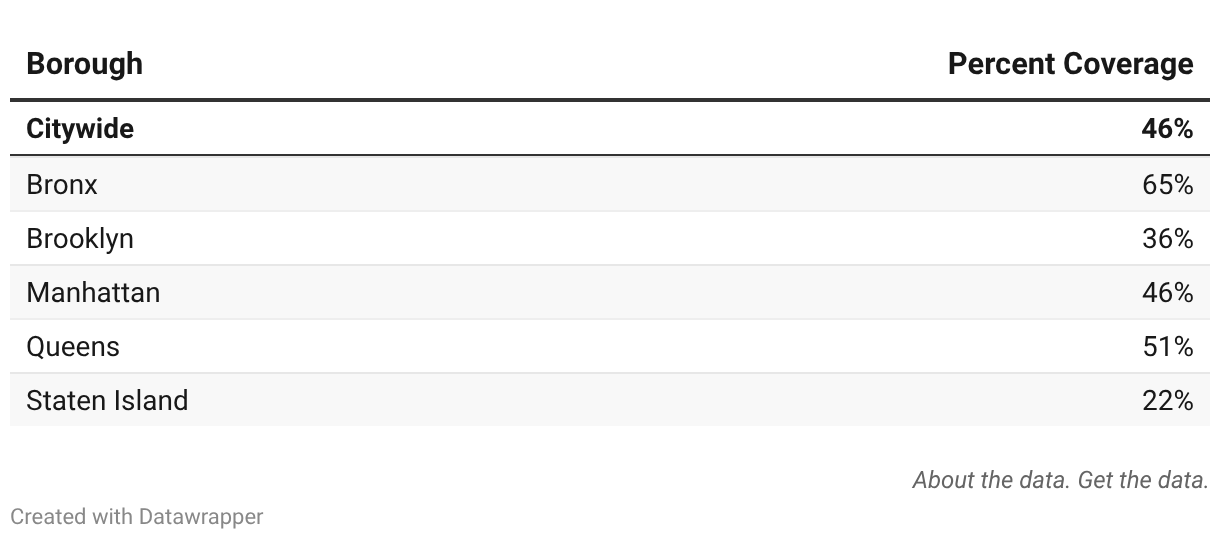
HPV Vaccination Coverage as of June 30, 2022
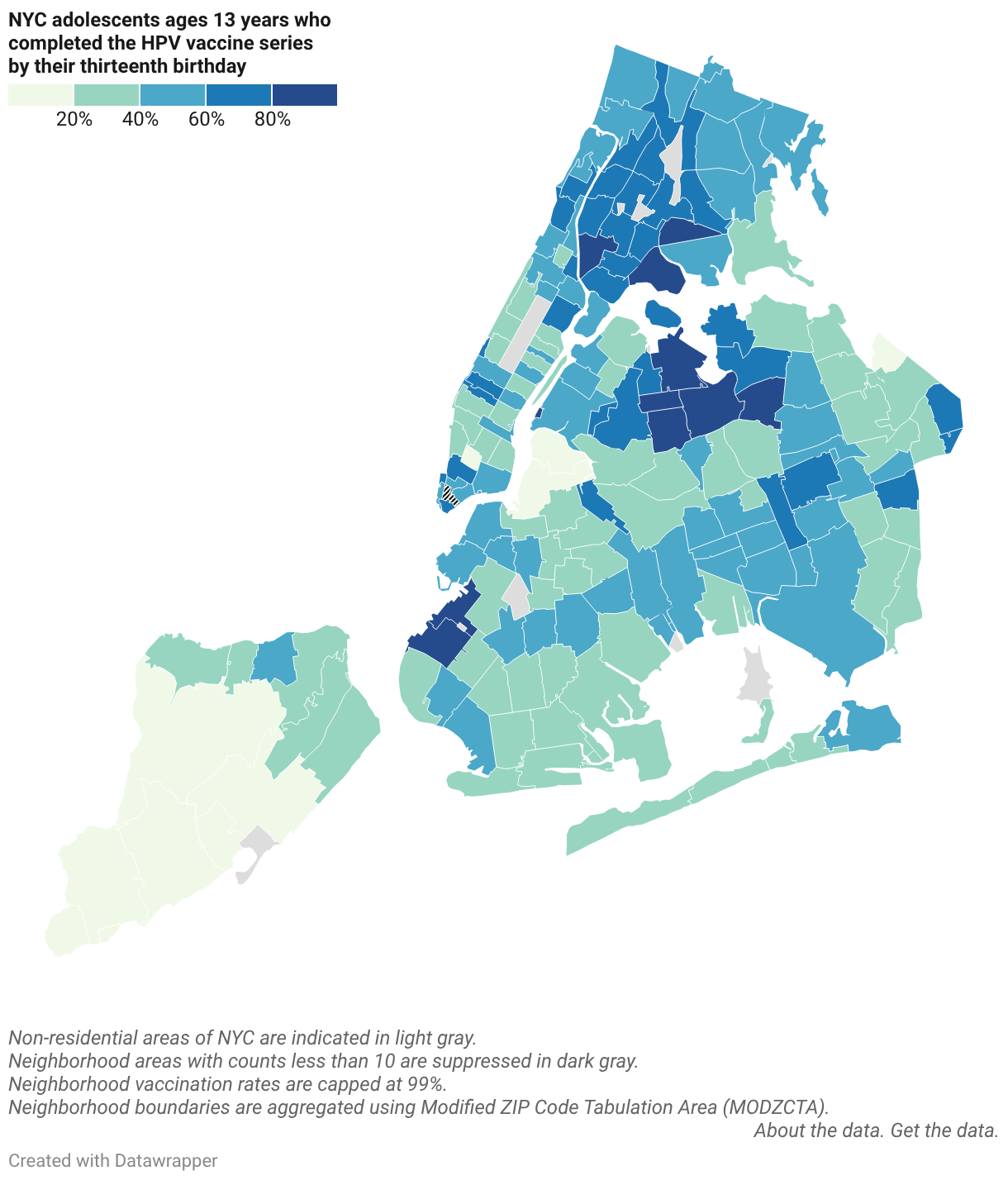
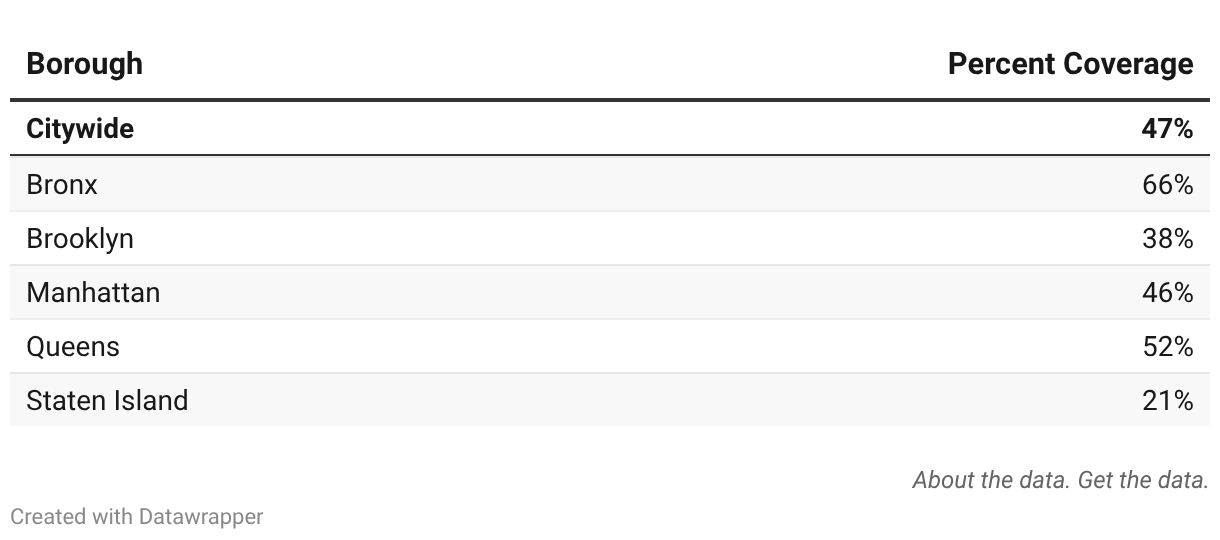
HPV Vaccination Coverage as of December 31, 2021
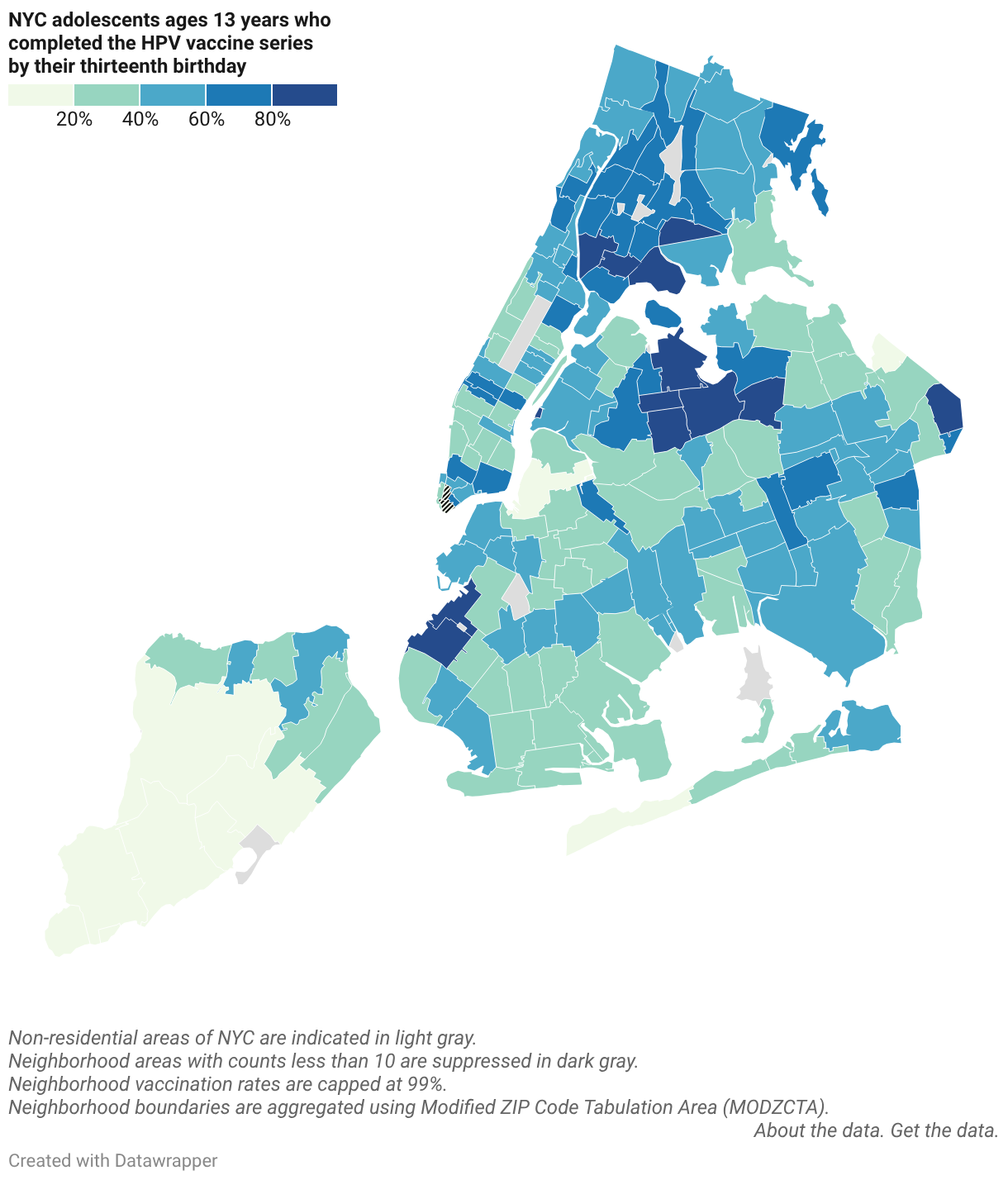

HPV Vaccination Coverage as of June 30, 2021
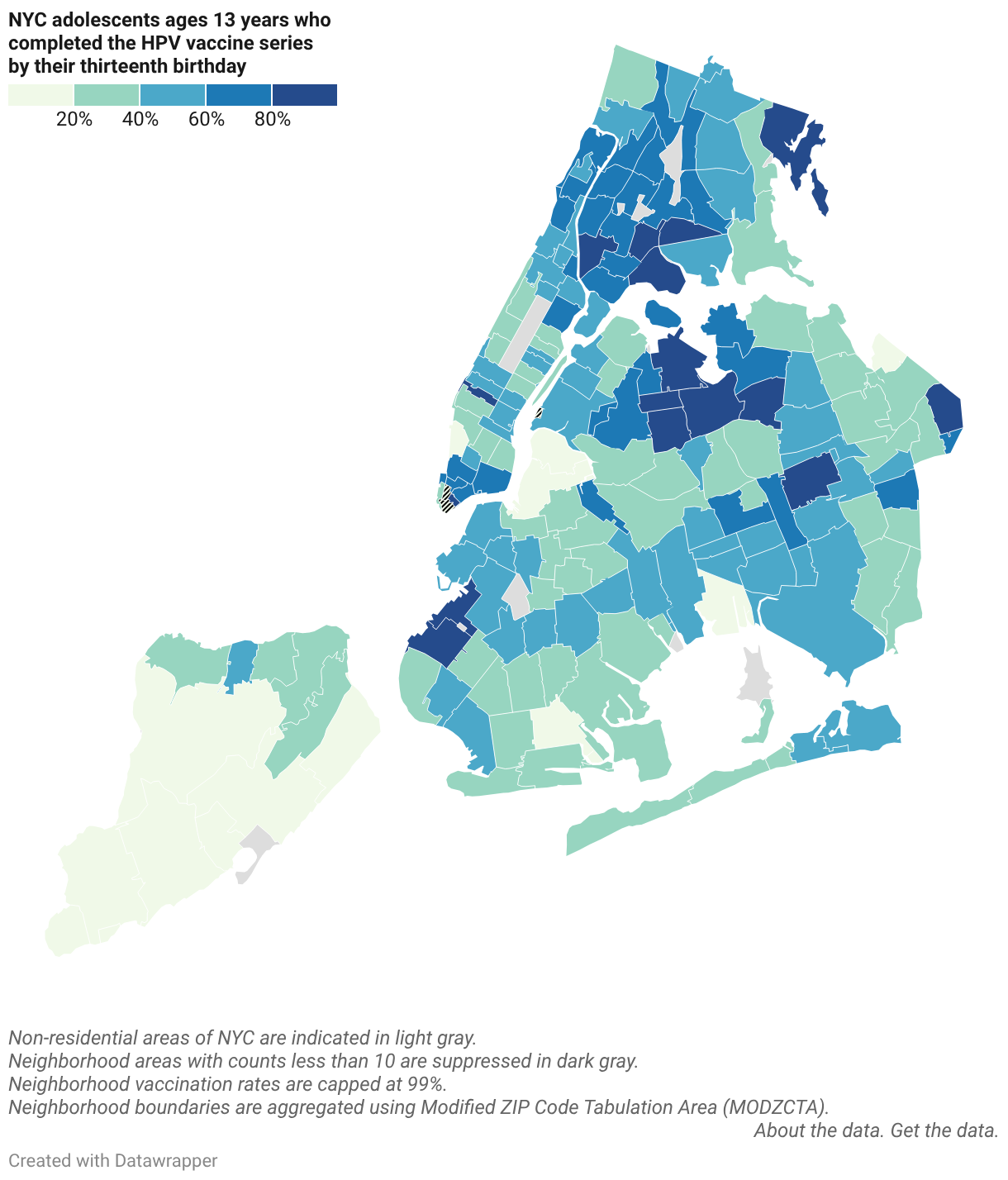
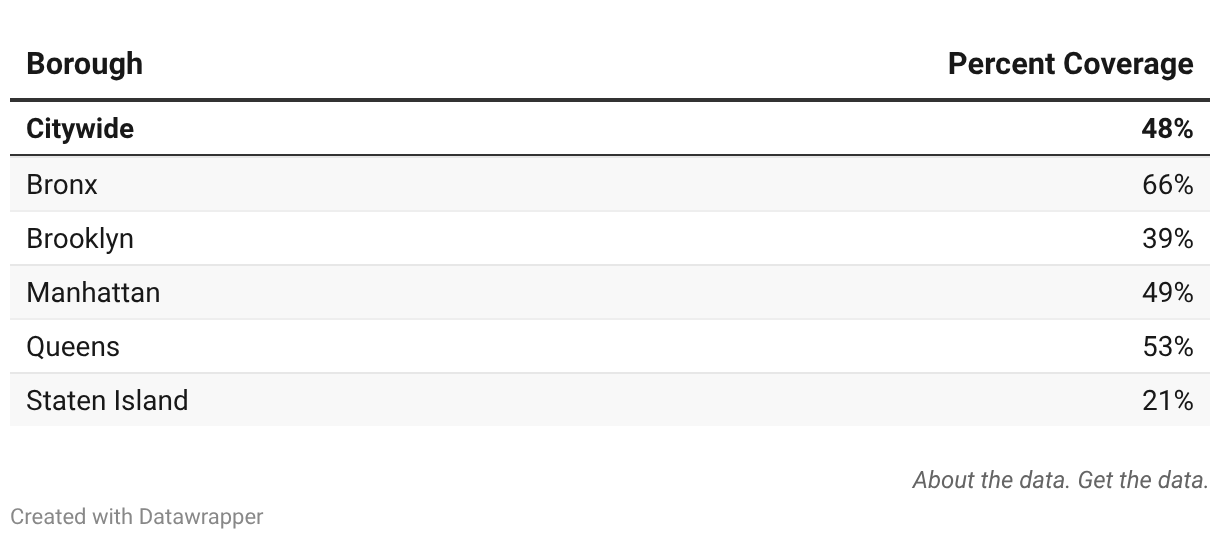
HPV Vaccination Coverage as of December 31, 2020
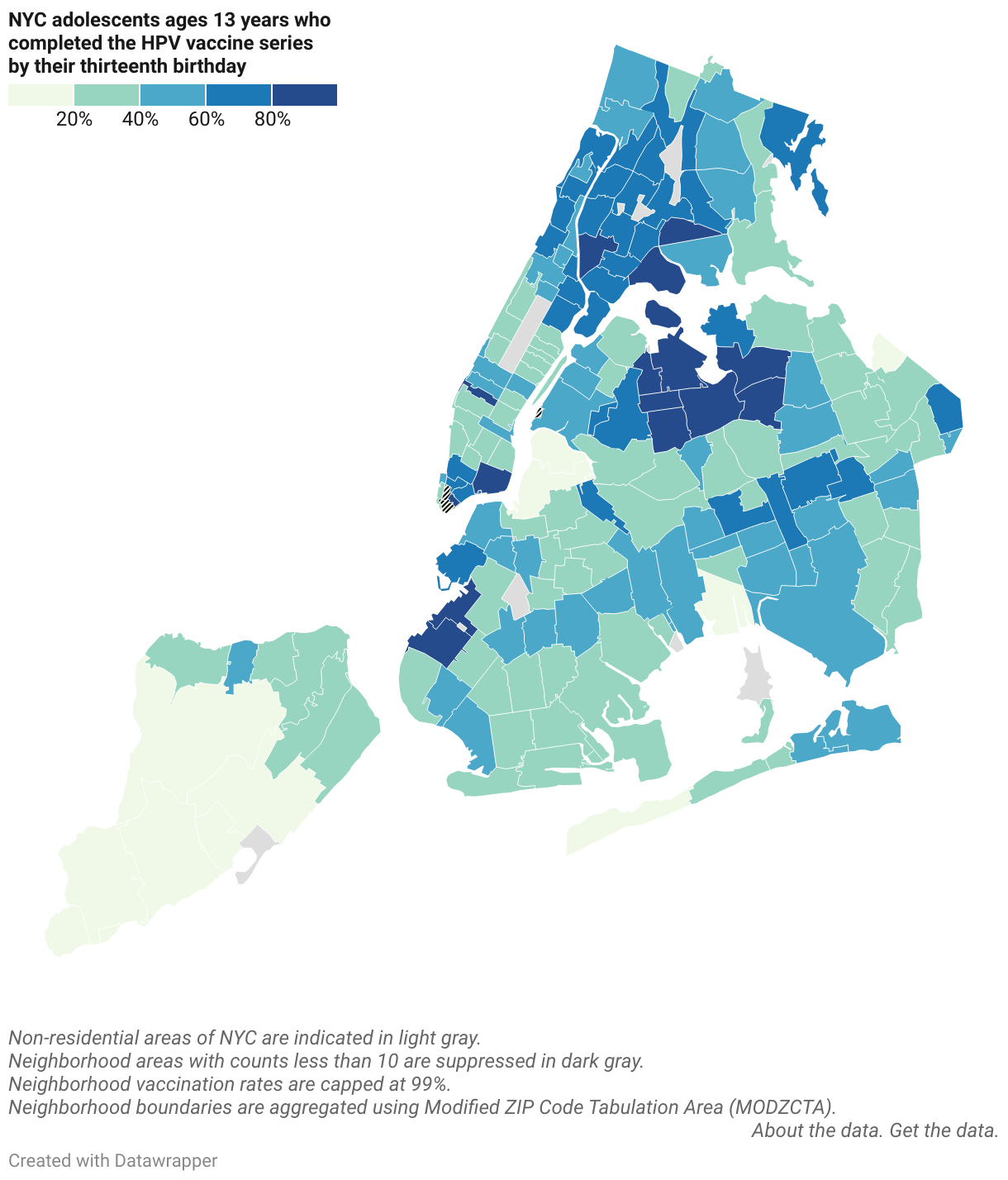
HPV Vaccination Coverage as of June 30, 2020
HPV Vaccination Coverage as of December 31, 2024

HPV Vaccination Coverage as of June 30, 2024
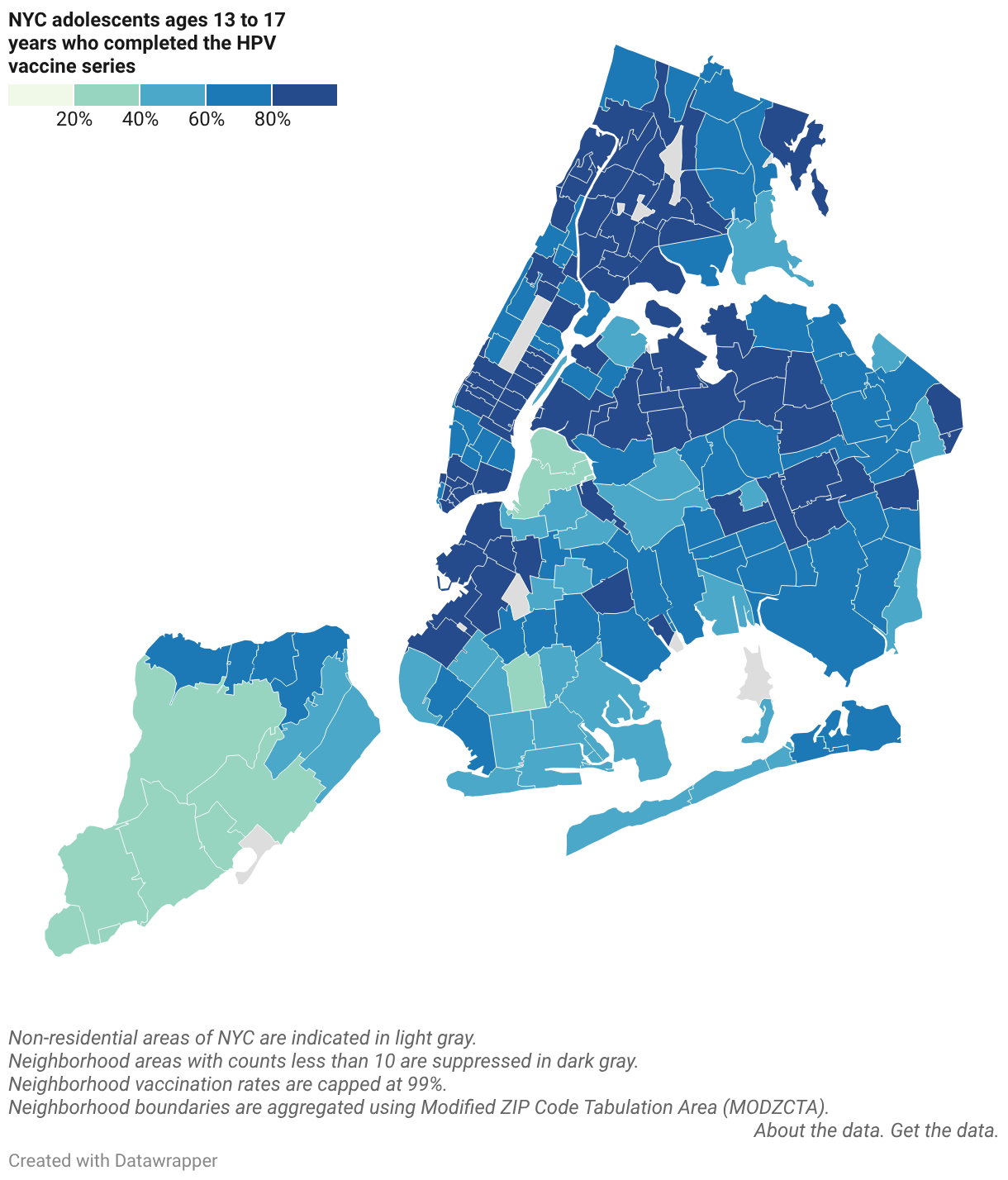

HPV Vaccination Coverage as of December 31, 2023

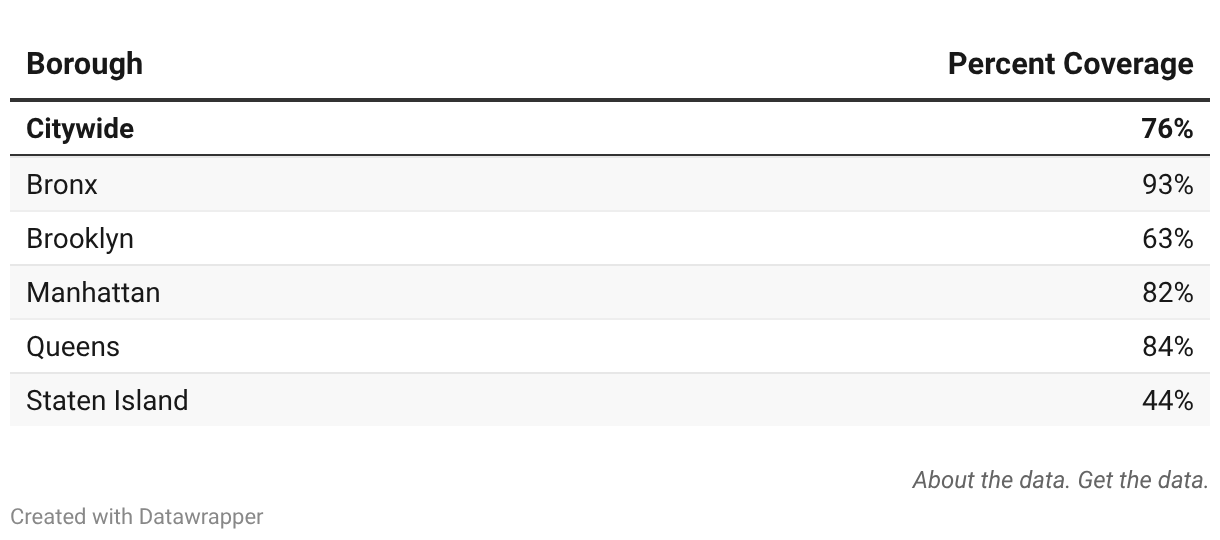
HPV Vaccination Coverage as of June 30, 2023
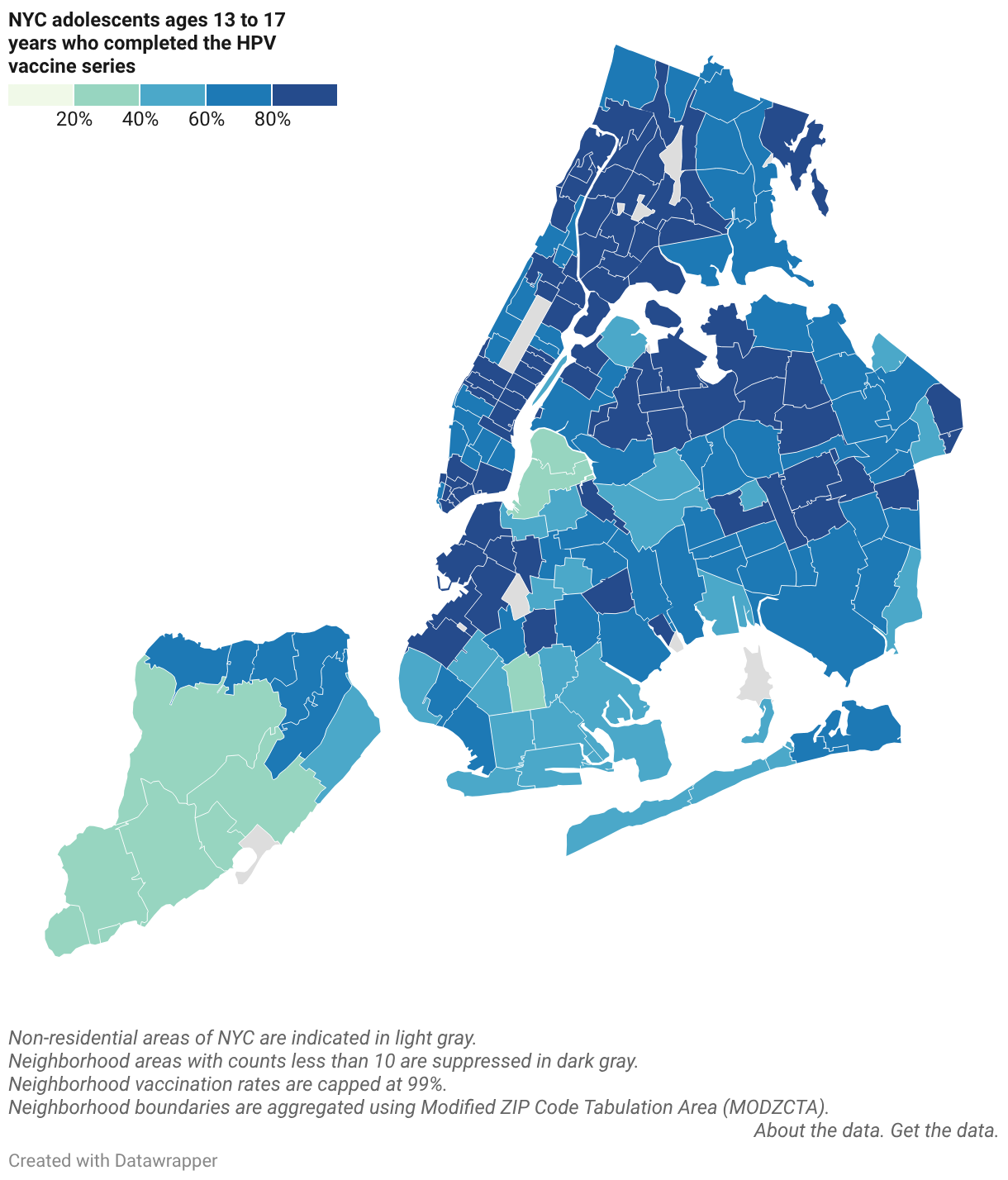
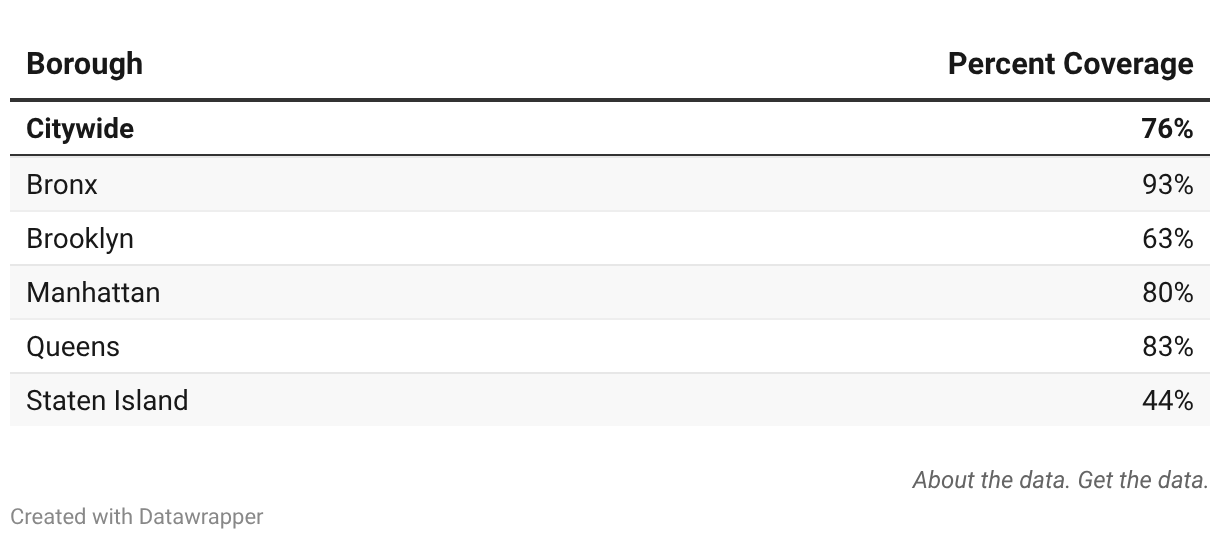
HPV Vaccination Coverage as of December 31, 2022
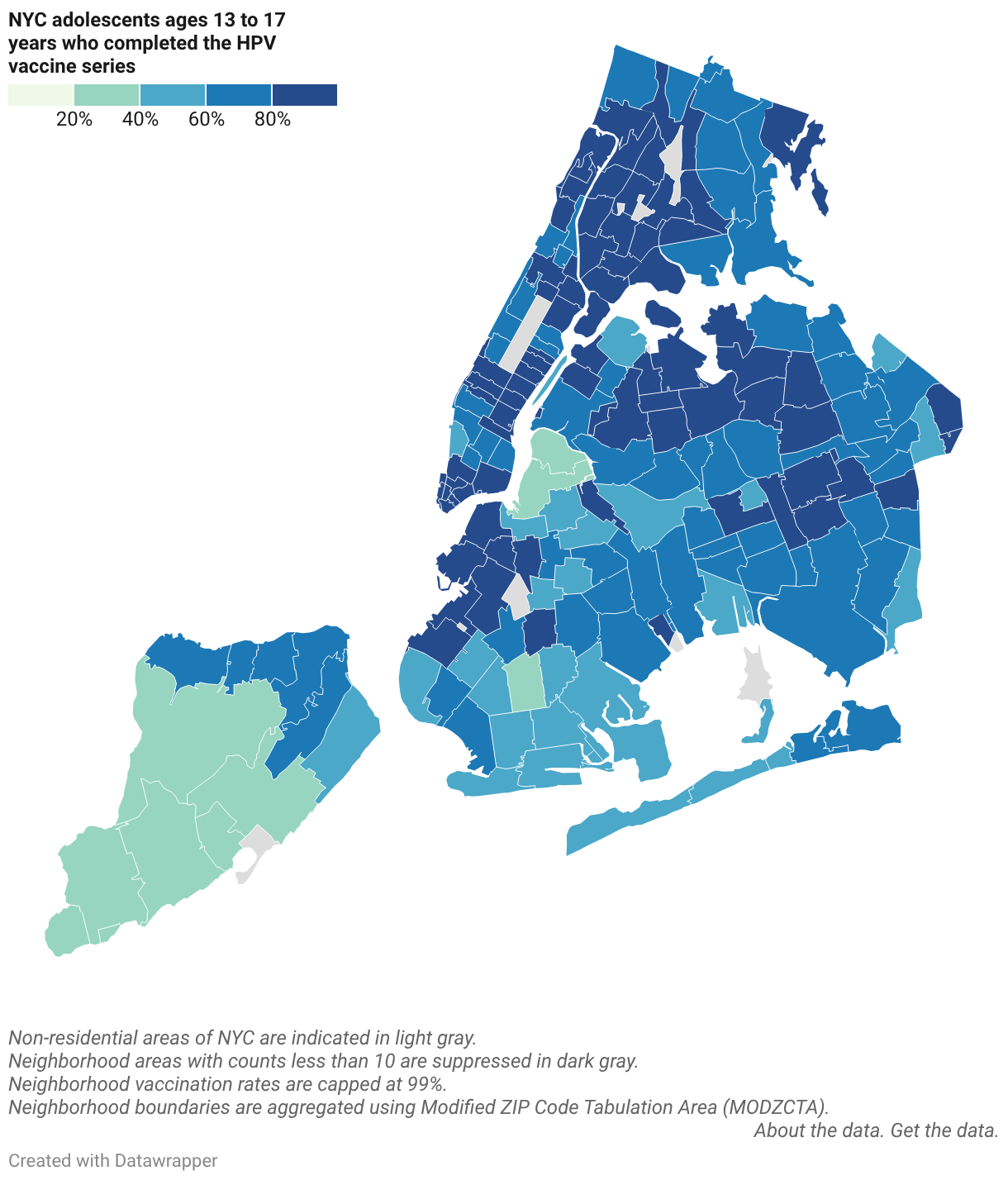

HPV Vaccination Coverage as of June 30, 2022


HPV Vaccination Coverage as of December 31, 2021
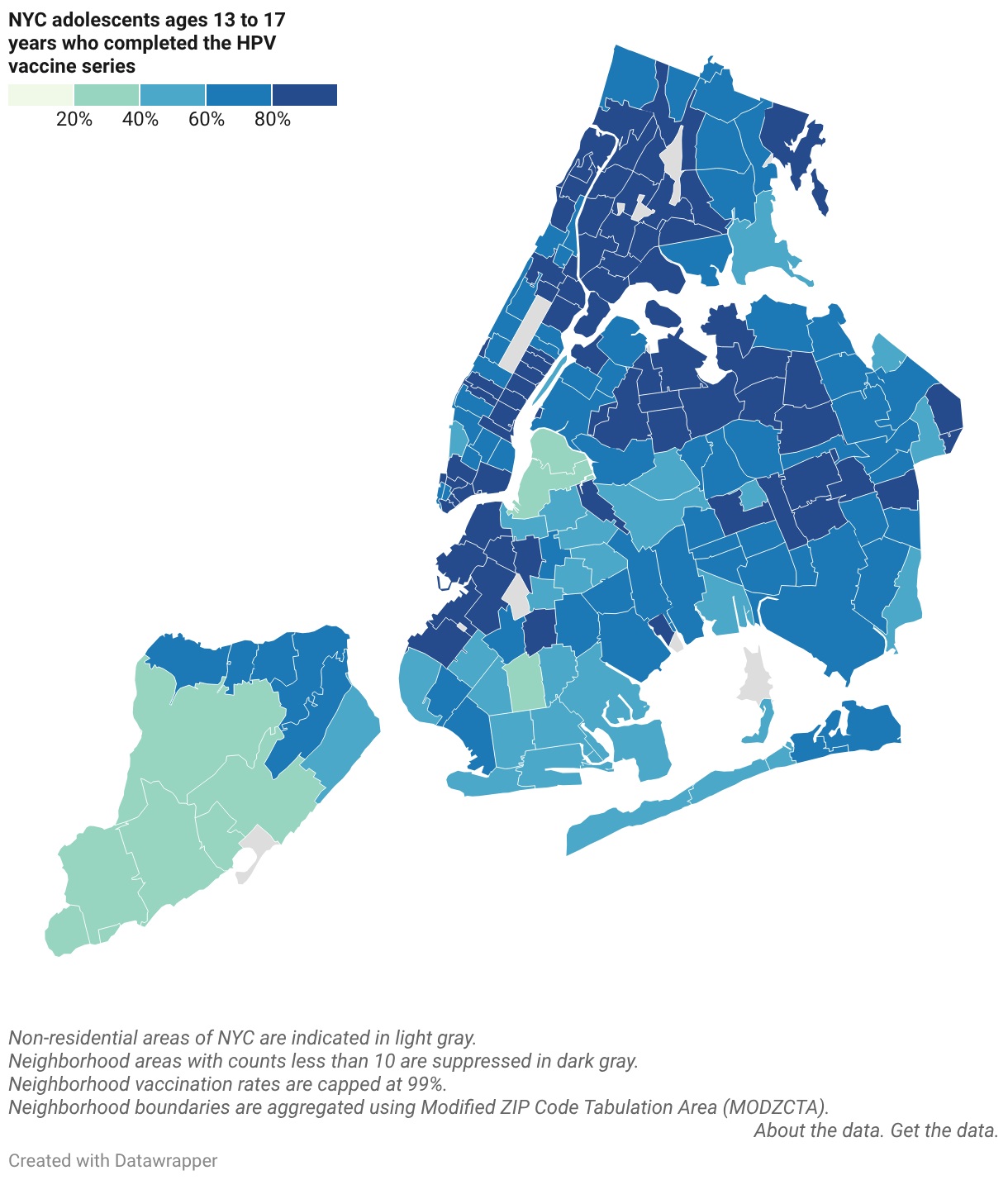

HPV Vaccination Coverage as of June 30, 2021
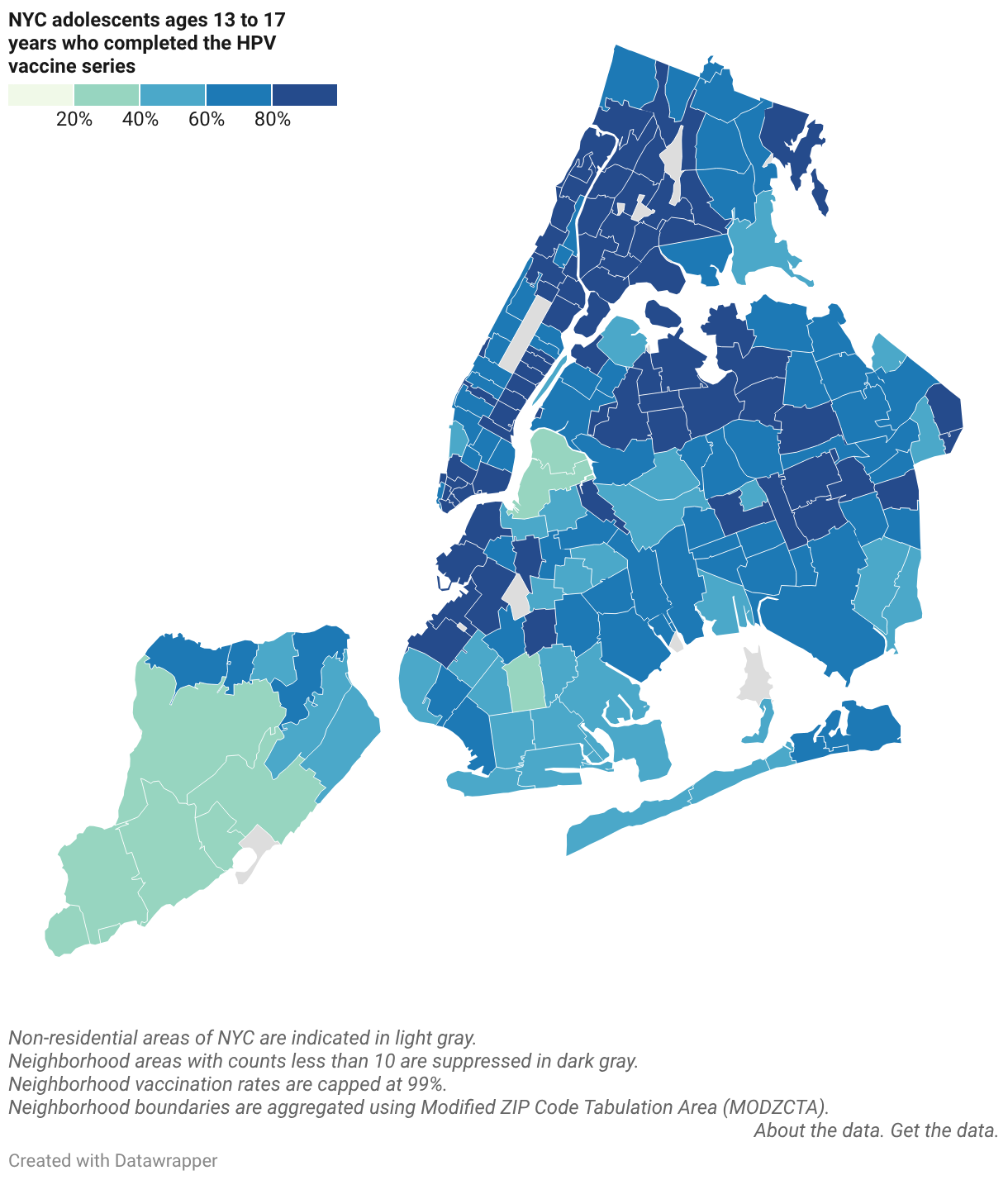
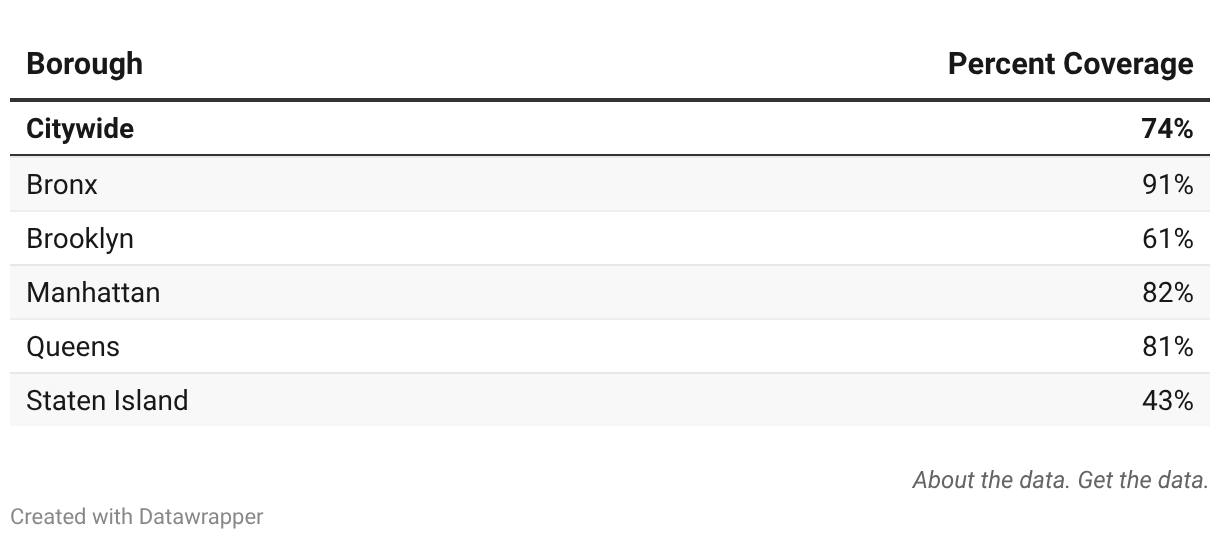
HPV Vaccination Coverage as of December 31, 2020
HPV Vaccination Coverage as of June 30, 2020
Influenza (Flu) Vaccine
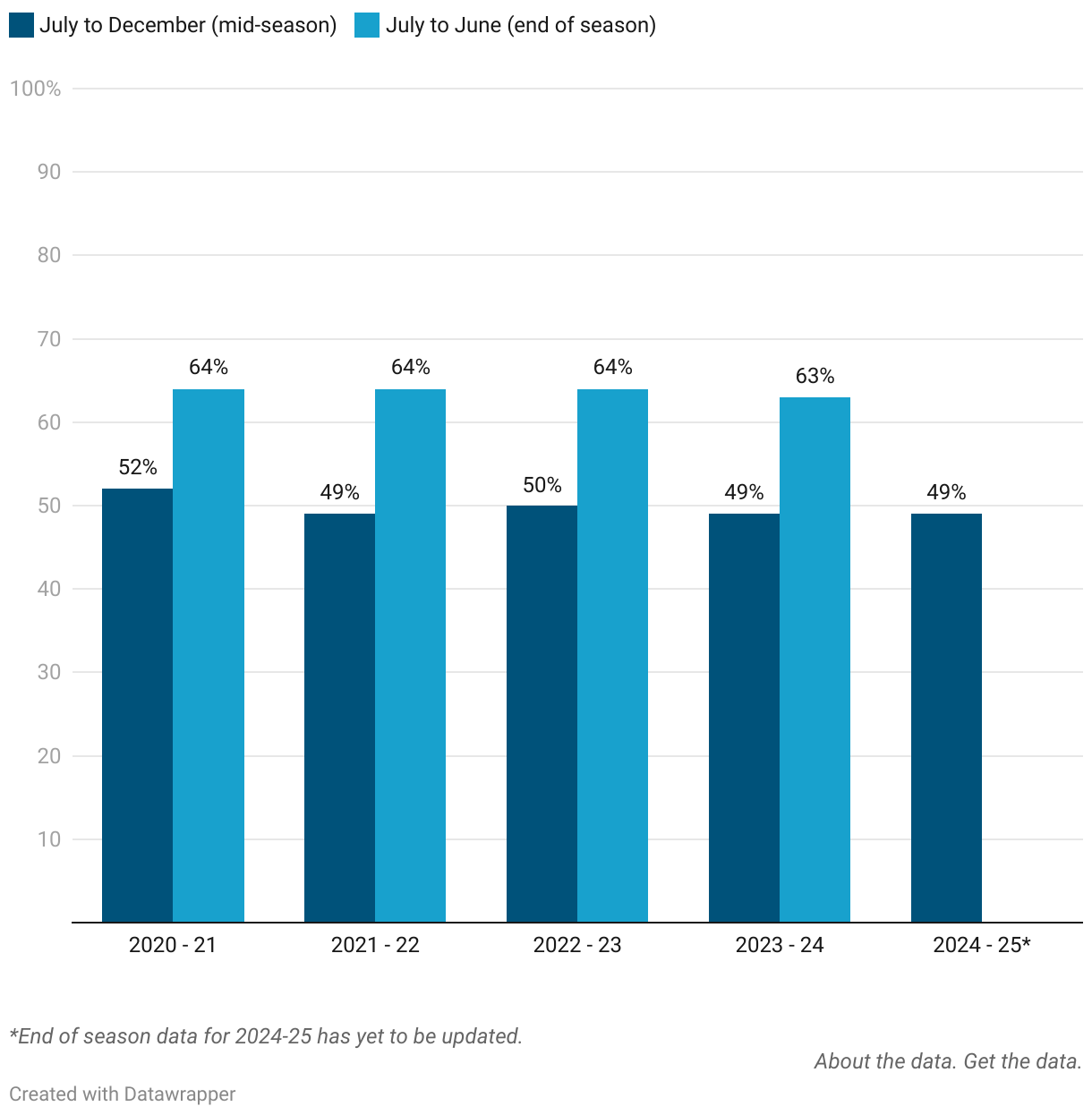
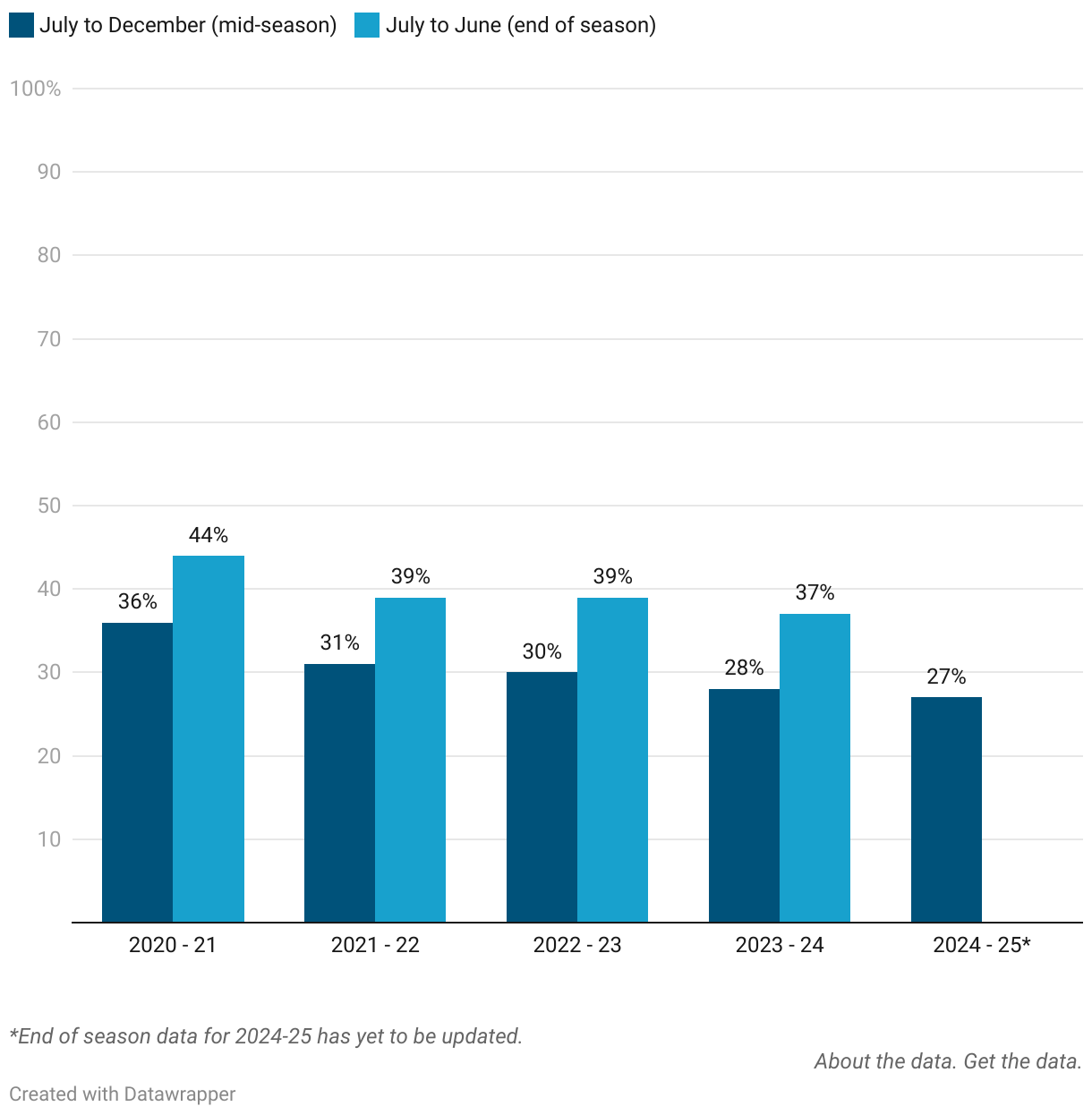
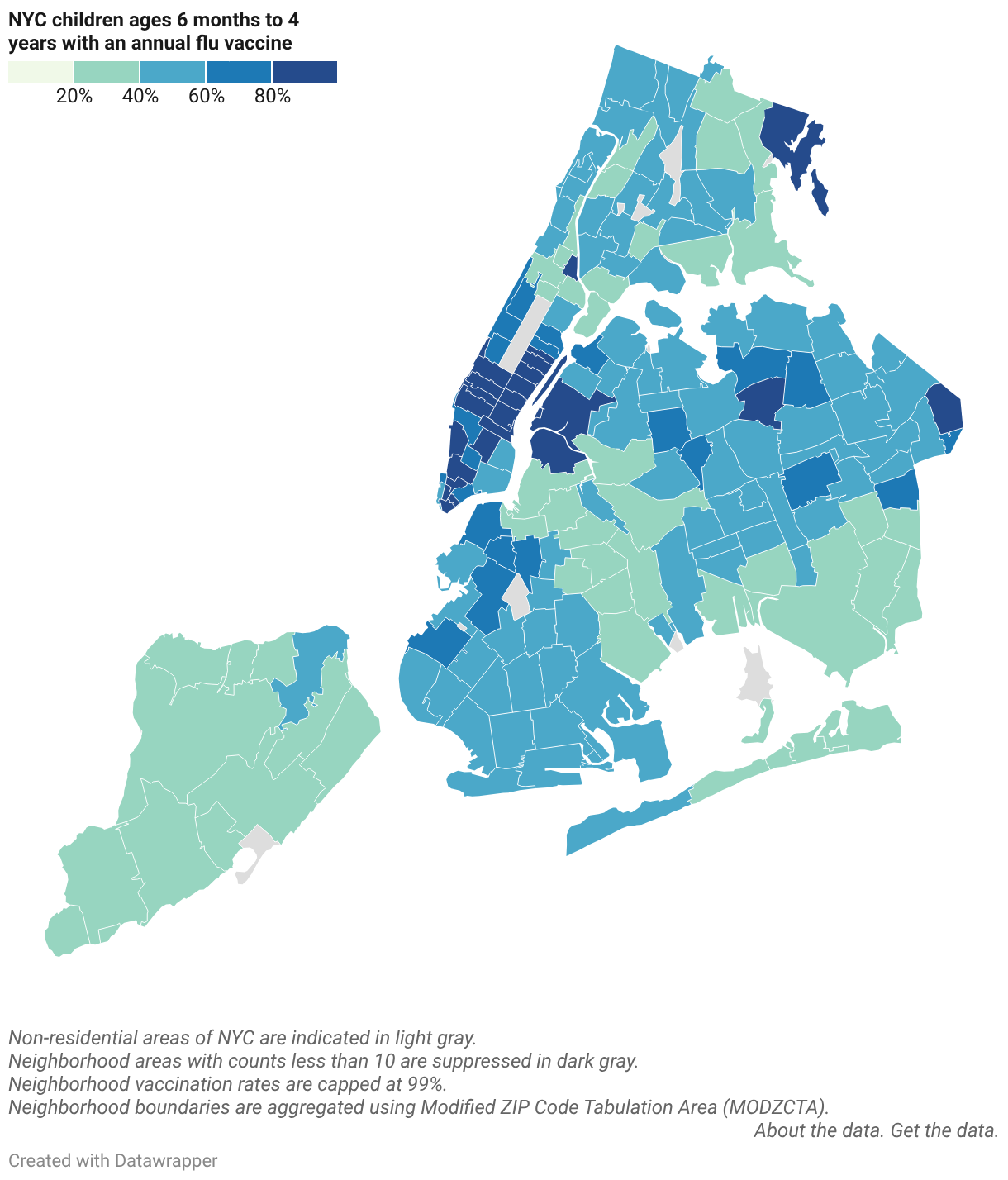
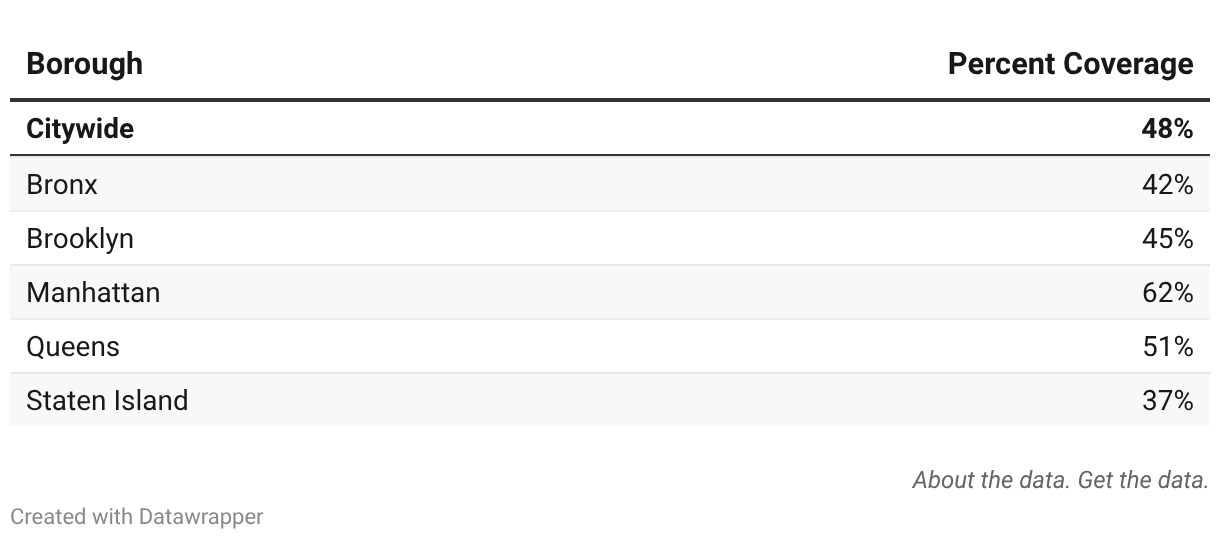
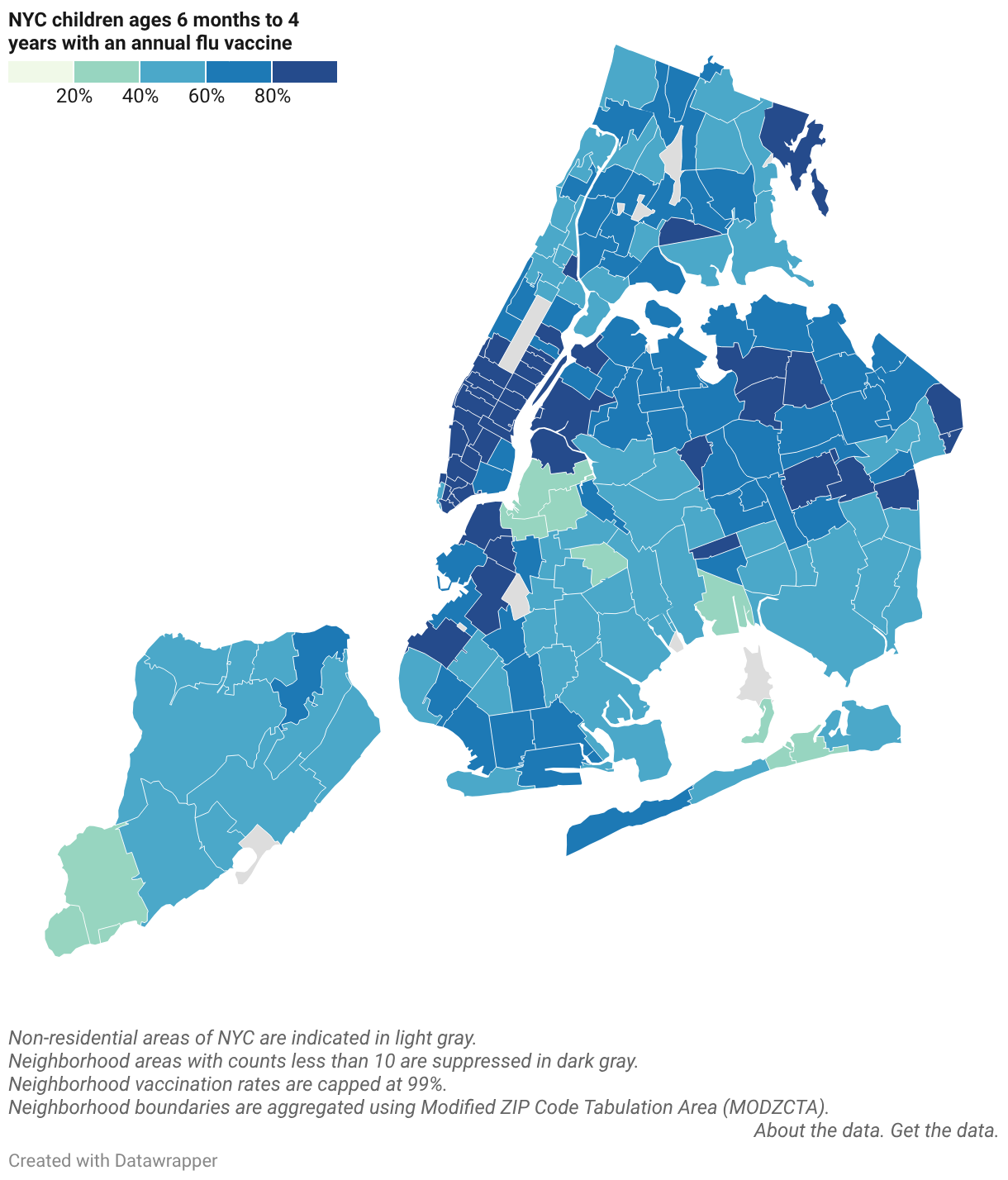
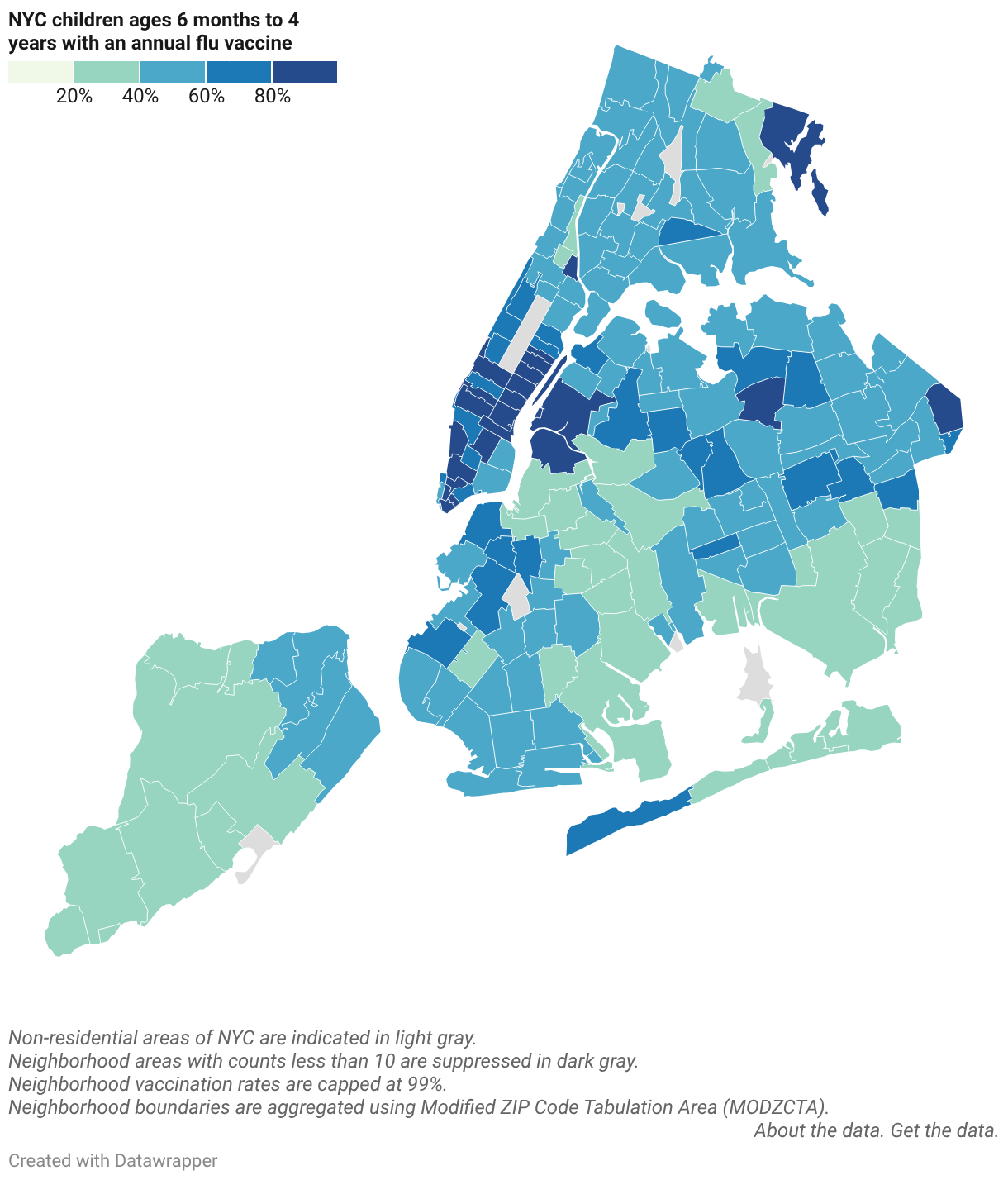
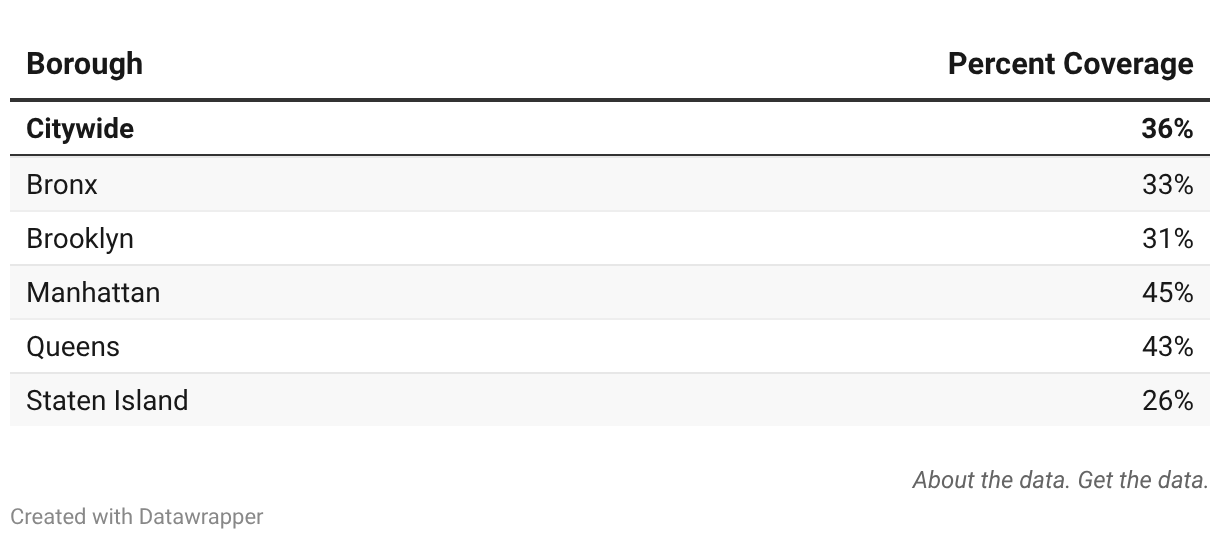
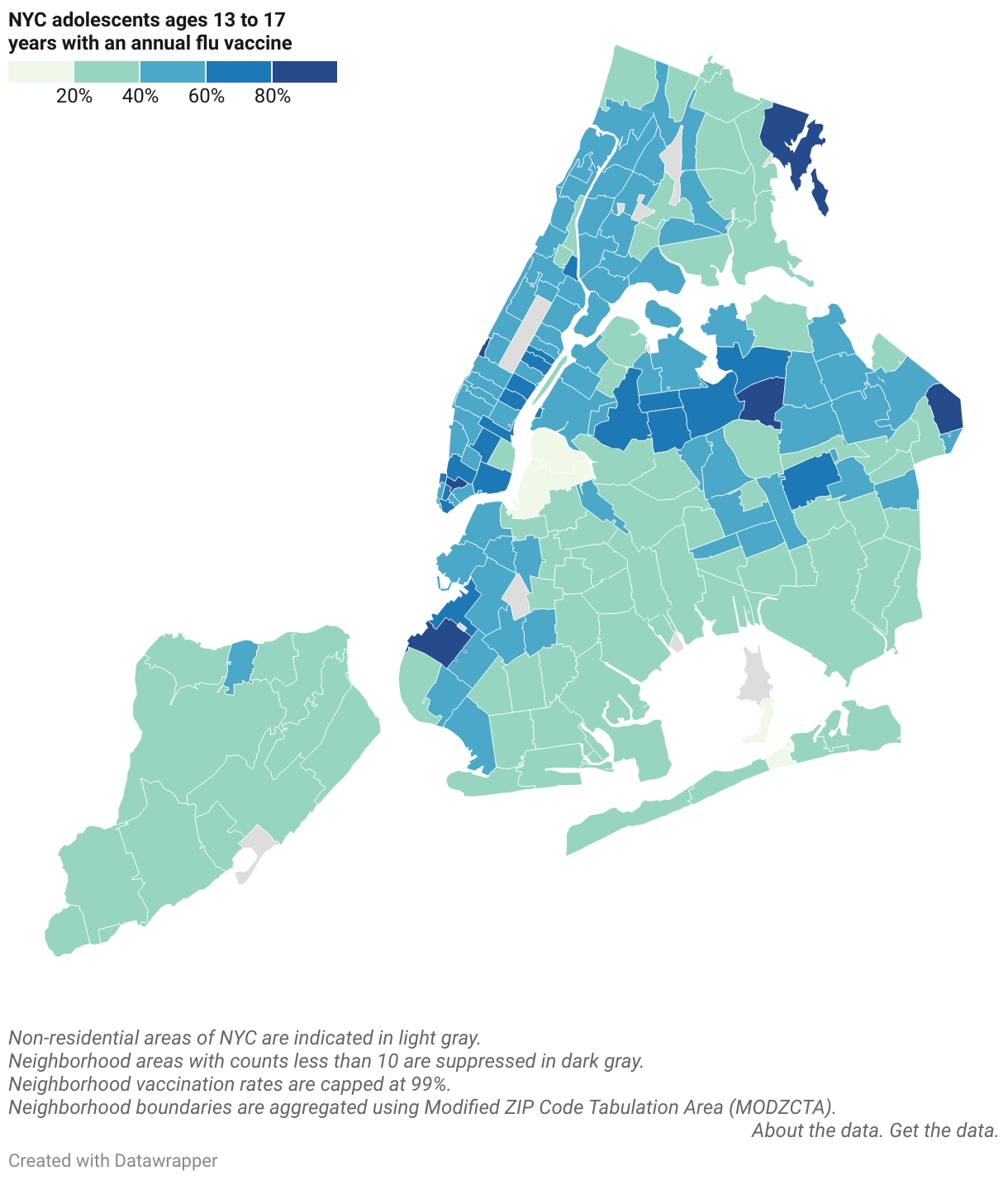
Influenza, also known as the flu, is caused by the influenza virus and most commonly circulates in the fall and winter months. An annual flu vaccine is recommended for everyone 6 months and older.This page shows flu vaccination coverage for 6-month to 4-year-olds, 5- to 12-year-olds, and 13- to 17-year-olds.
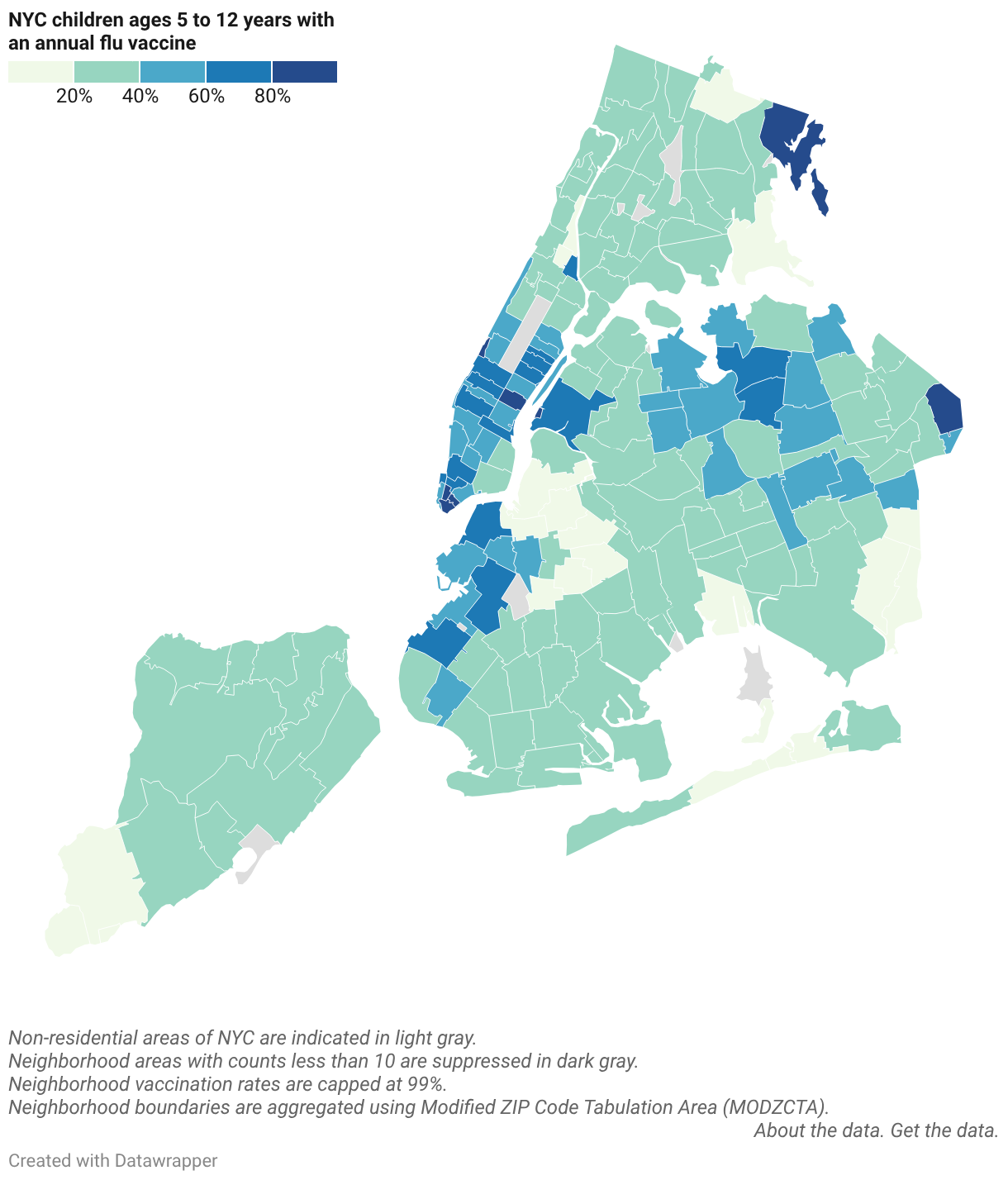
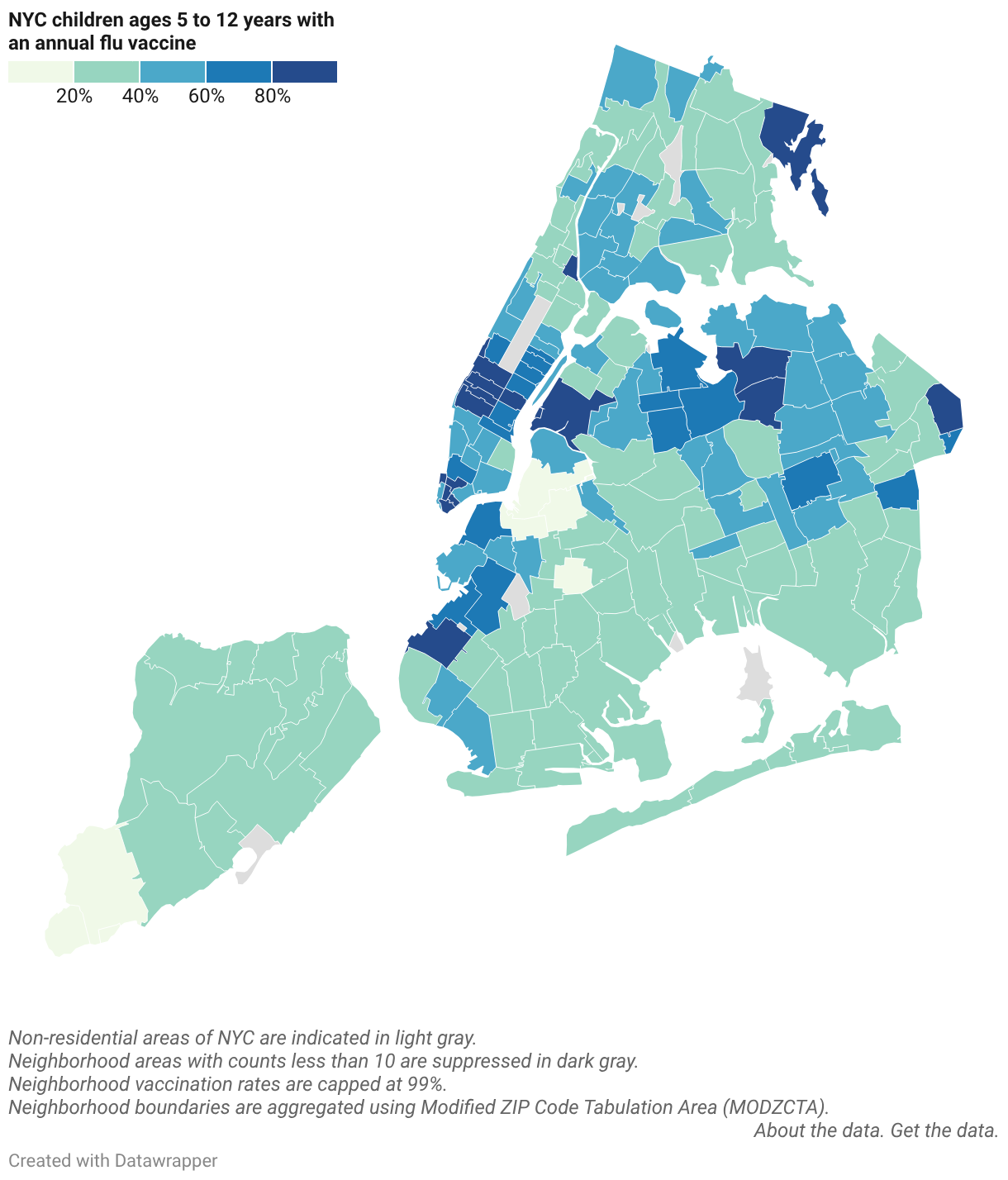
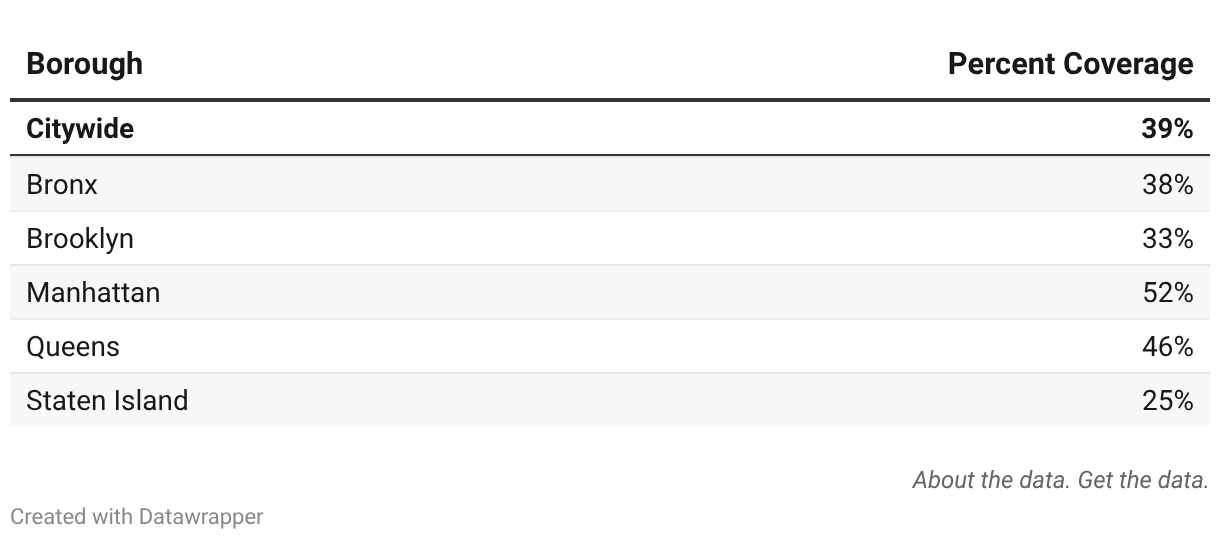
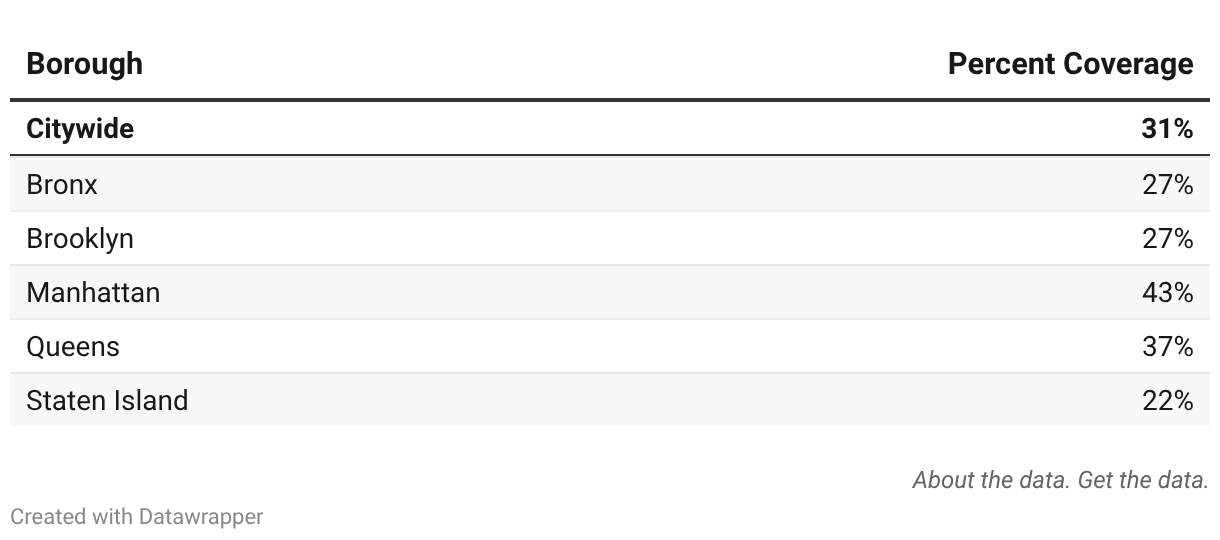
As of December 31, 2024, 34% of NYC children and adolescents ages 6 months to 17 years had received an annual flu vaccine during the 2024-25 influenza season. Influenza vaccination season on this page means the period from July 1 of a given year to June 30 of the following year.
Go to: Trends Over Time | Race/Ethnicity | ZIP Code
Trends Over Time
This chart shows the percent of NYC children and adolescents ages 6 months to 17 years who received an annual flu vaccine. Cumulative annual vaccination coverage is displayed for mid-season (from July 1 to December 31) and end of season (from July 1 to June 30) of a given influenza vaccination season.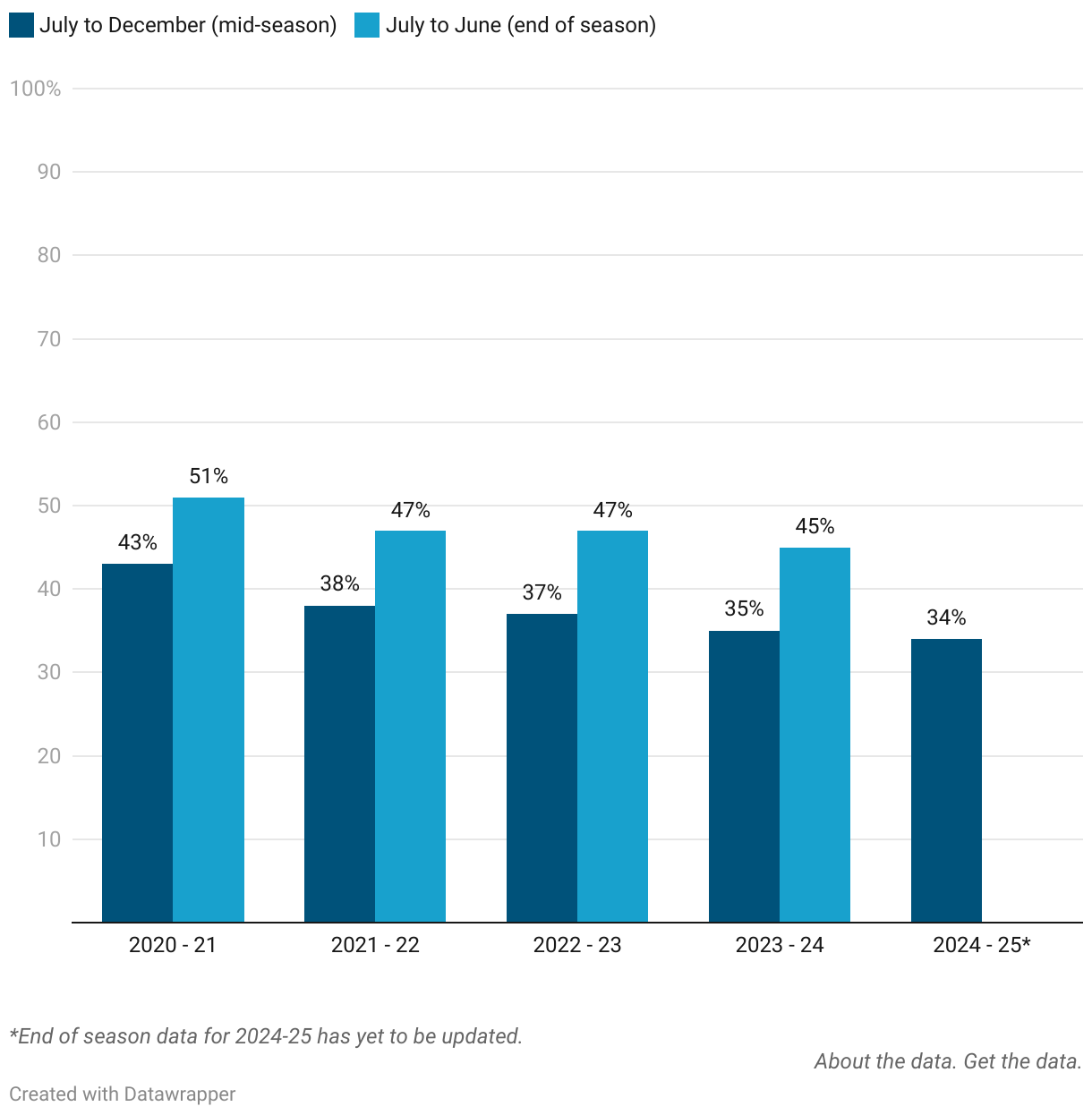

Vaccination by Race/Ethnicity
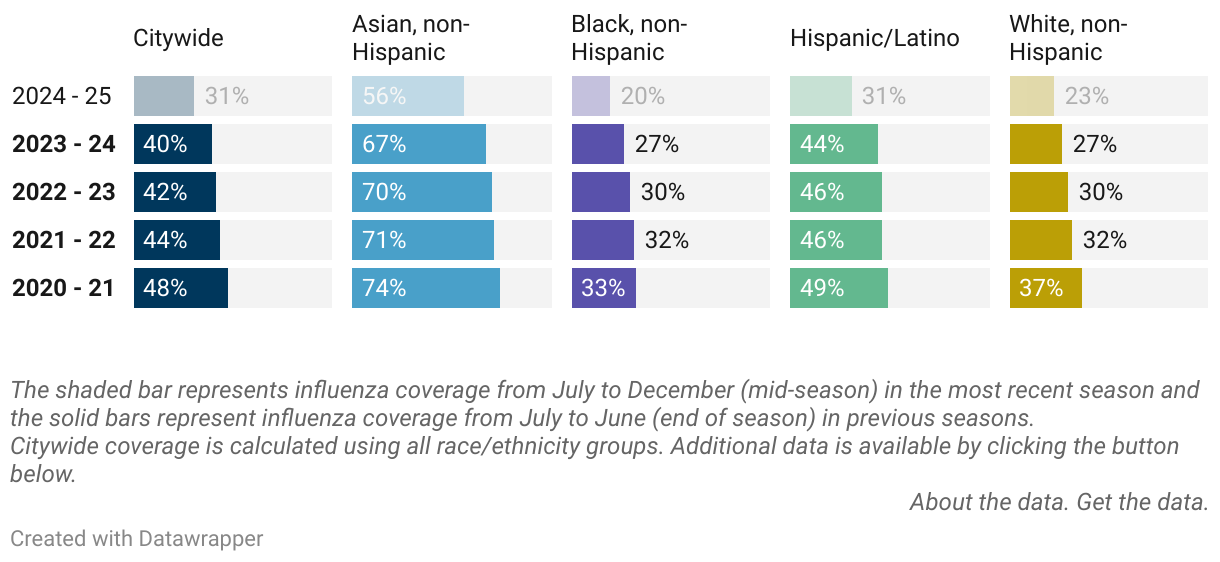
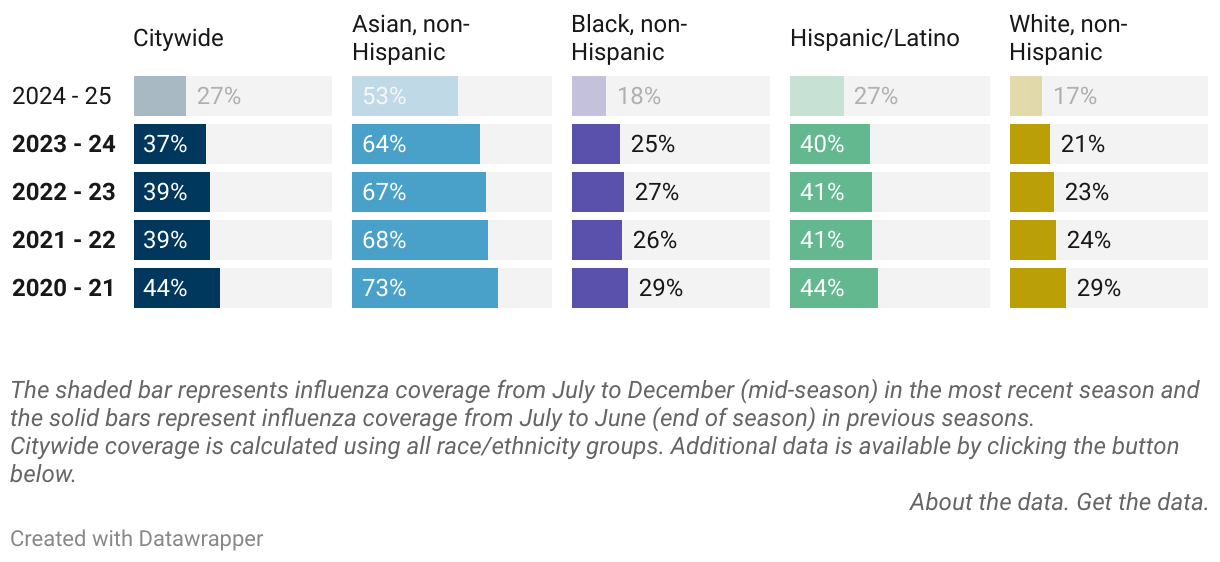
This chart shows the percent of NYC children and adolescents ages 6 months to 17 years who received an annual flu vaccine, by race/ethnicity.

Vaccination by ZIP Code
This chart shows the percent of NYC children and adolescents ages 6 months to 17 years who received an annual flu vaccine, by ZIP code.Influenza Vaccination Coverage as of December 31, 2024 (July 2024 to December 2024)


Influenza Vaccination Coverage as of June 30, 2024 (July 2023 to June 2024)

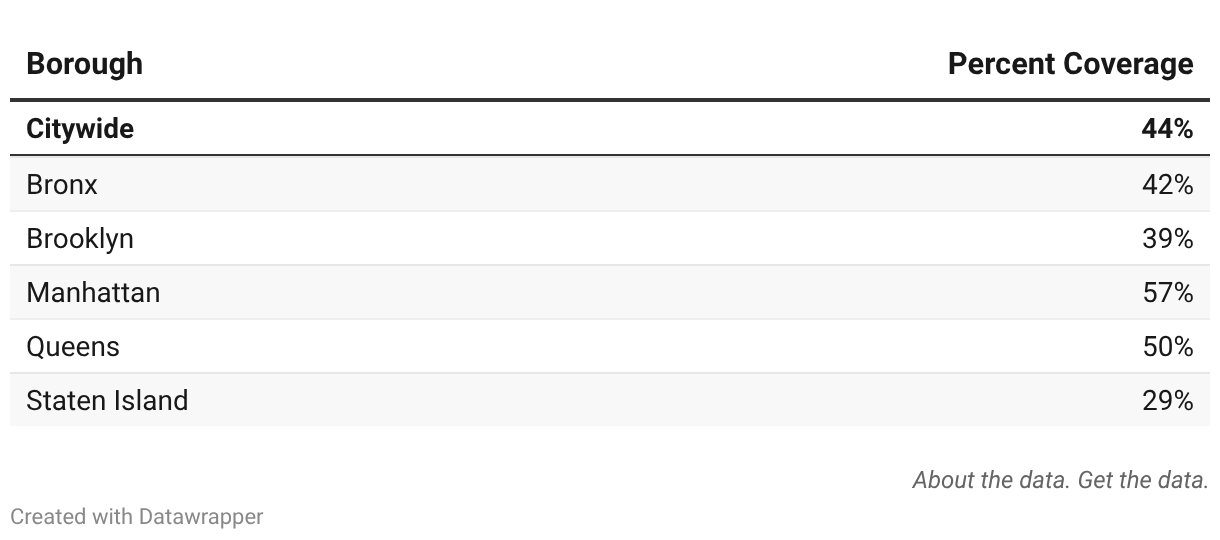
Influenza Vaccination Coverage as of December 31, 2023 (July 2023 to December 2023)


Influenza Vaccination Coverage as of June 30, 2023 (July 2022 to June 2023)

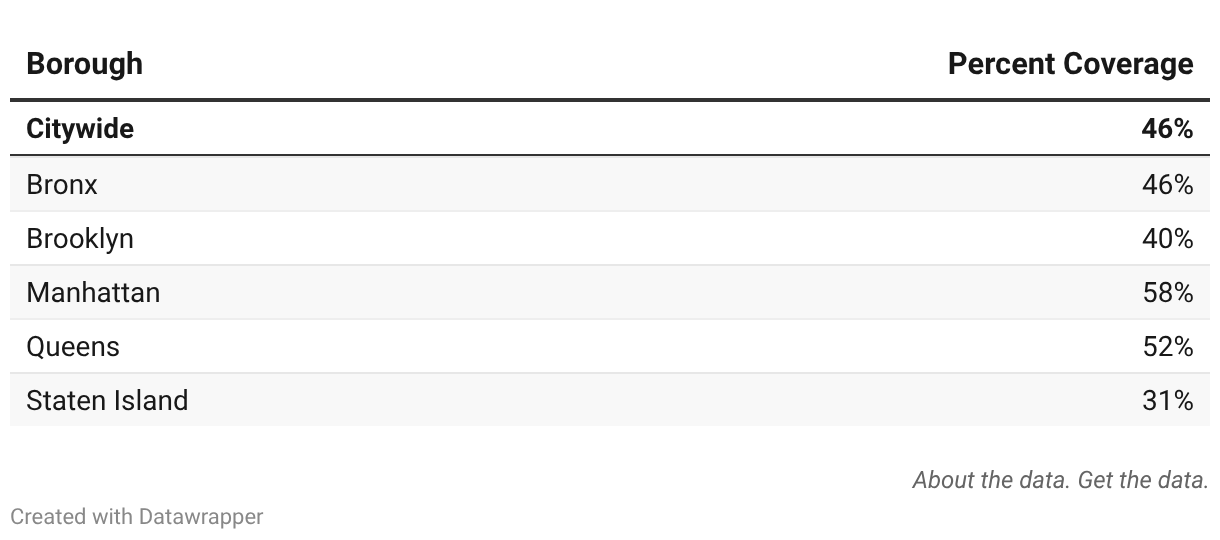
Influenza Vaccination Coverage as of December 31, 2022 (July 2022 to December 2022)
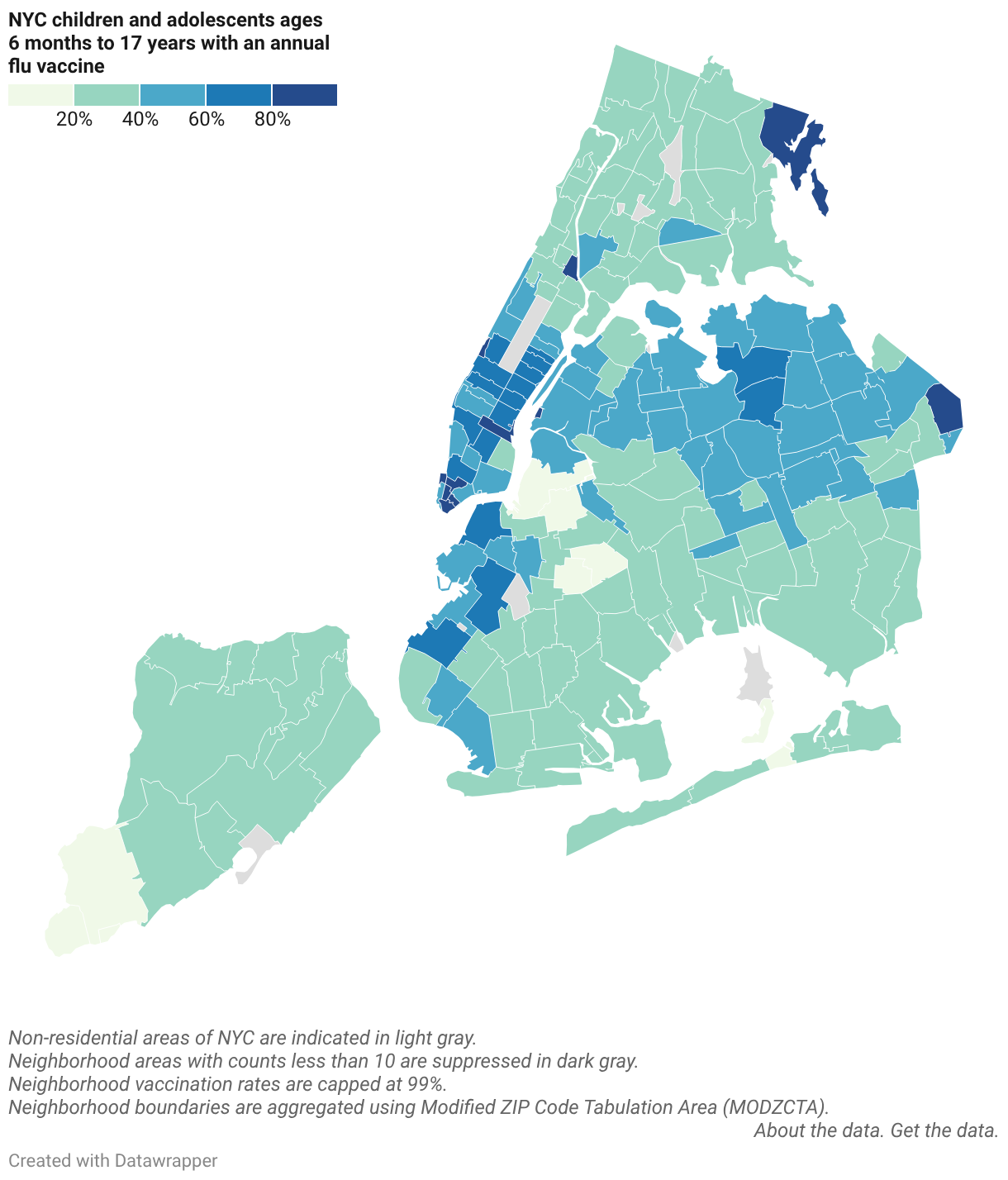

Influenza Vaccination Coverage as of June 30, 2022 (July 2021 to June 2022)

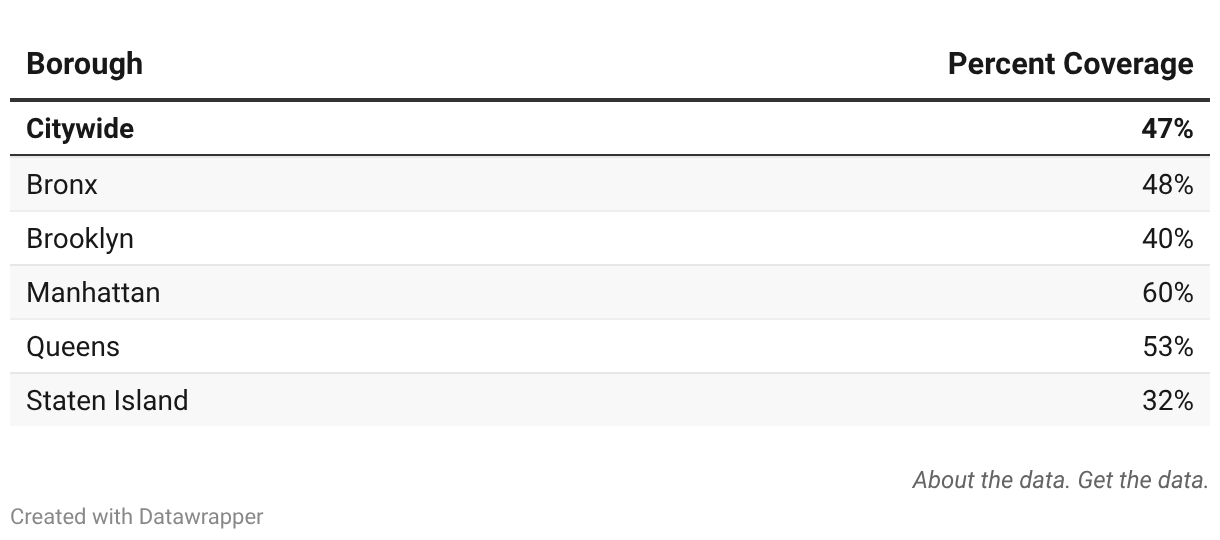
Influenza Vaccination Coverage as of December 31, 2021 (July 2021 to December 2021)
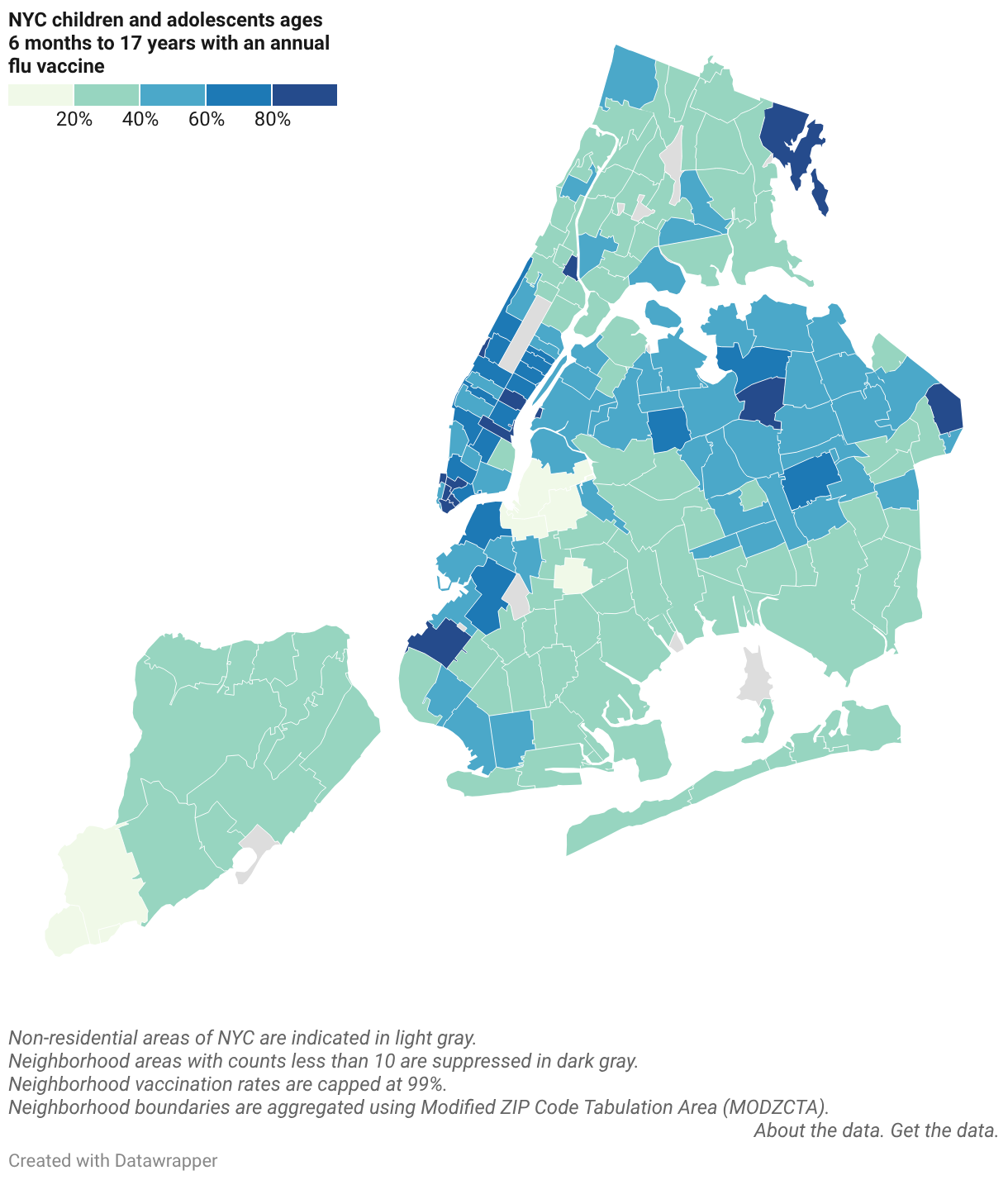
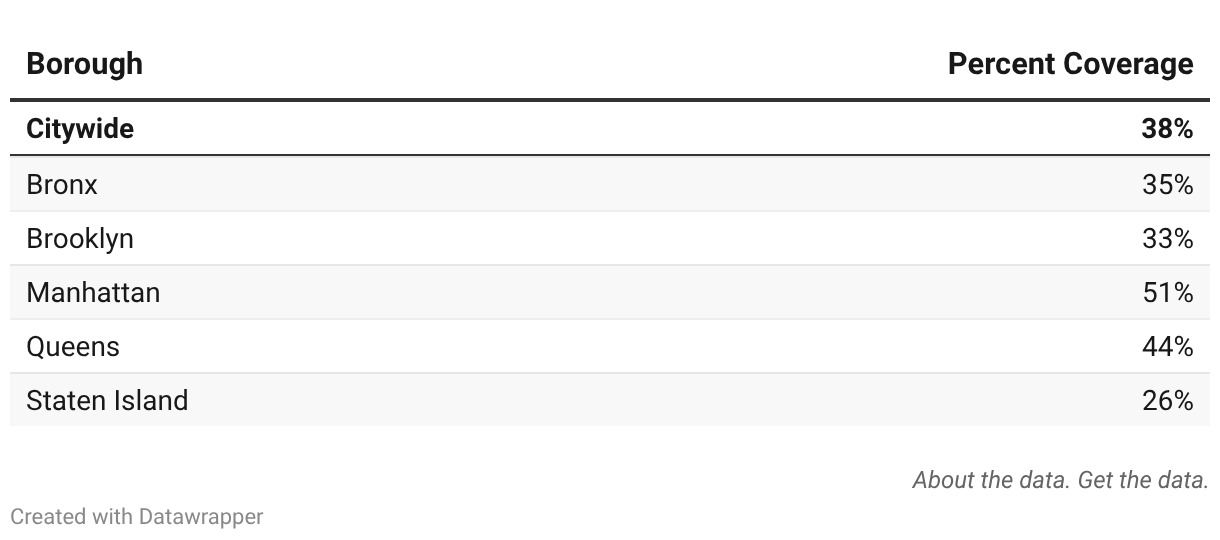
Influenza Vaccination Coverage as of June 30, 2021 (July 2020 to June 2021)


Influenza Vaccination Coverage as of December 31, 2020 (July 2020 to December 2020)

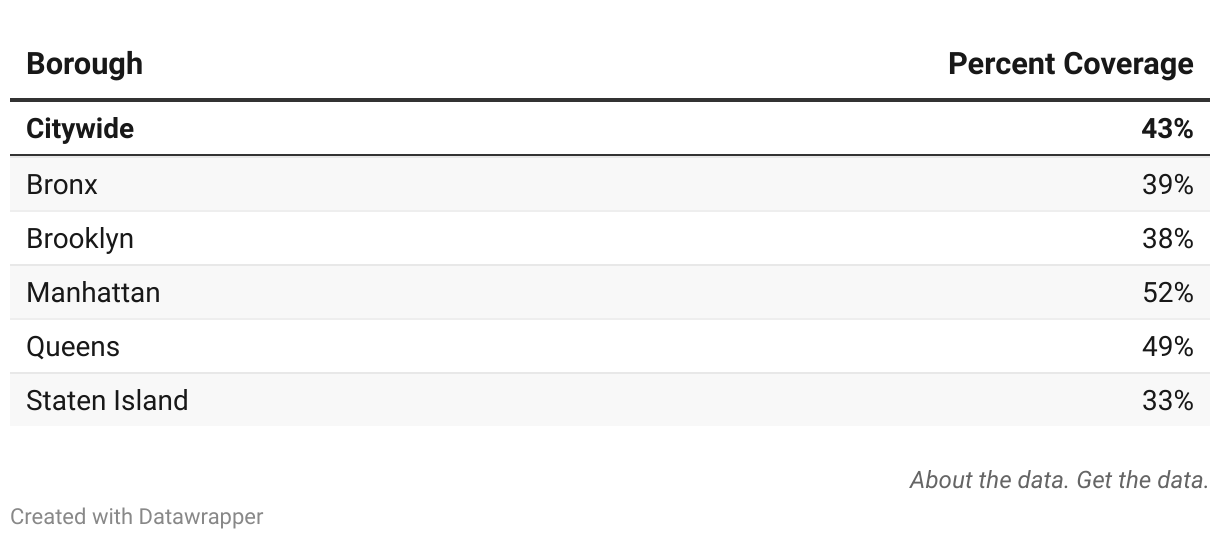
Influenza Vaccination Coverage as of June 30, 2020 (July 2019 to June 2020)

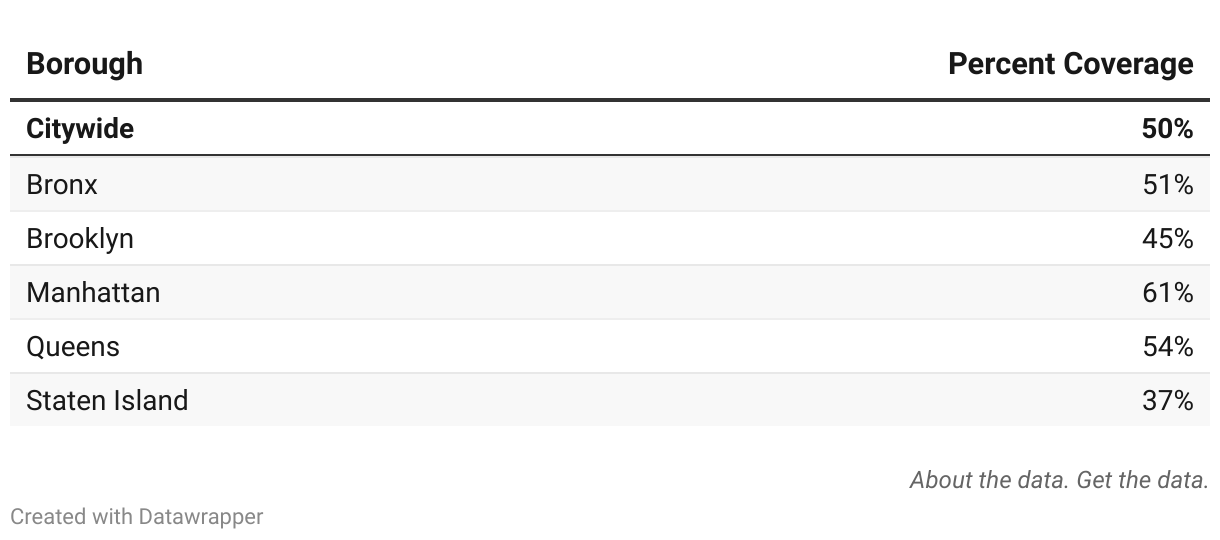
Influenza Vaccination Coverage as of December 31, 2024 (July 2024 to December 2024)
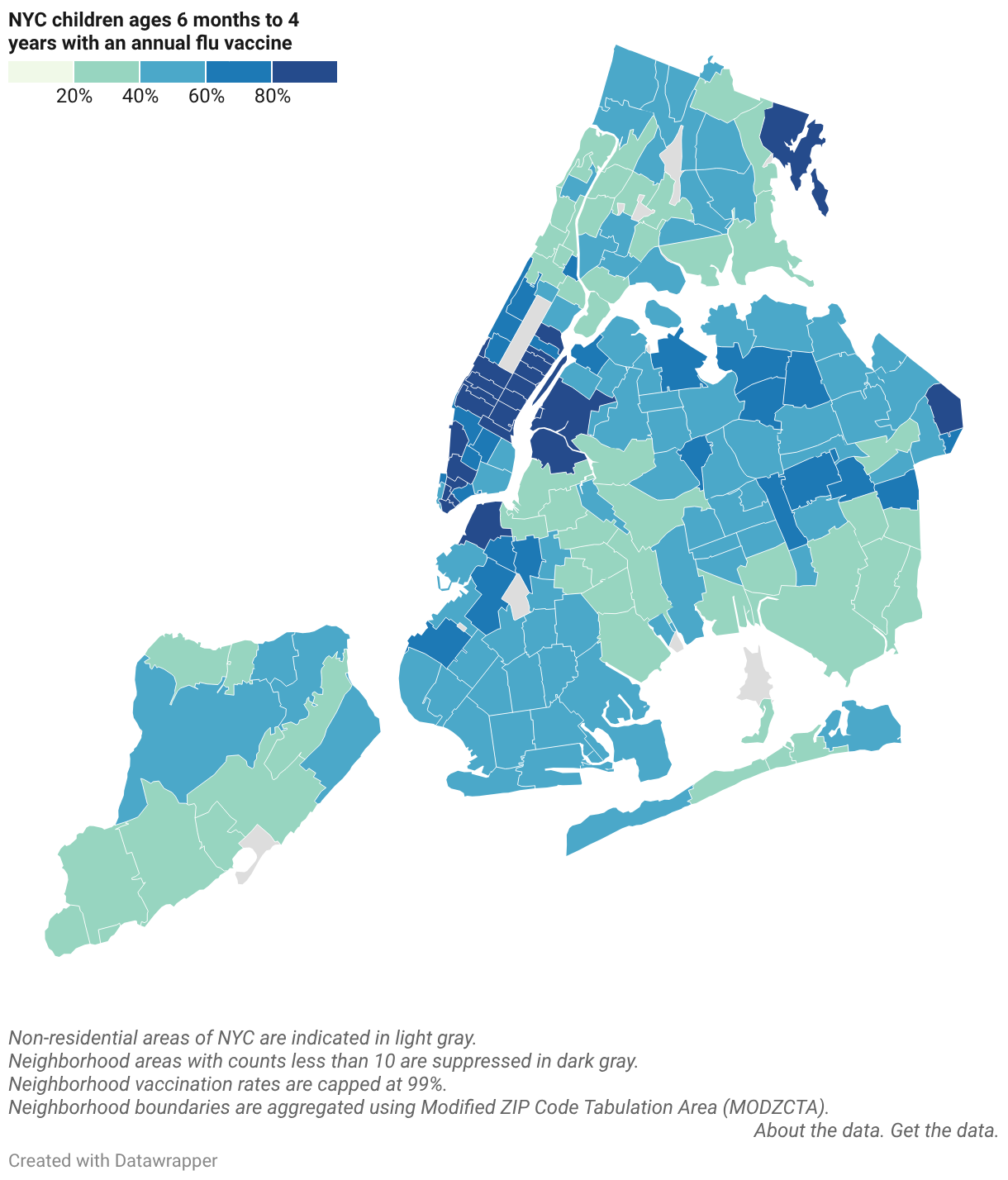

Influenza Vaccination Coverage as of June 30, 2024 (July 2023 to June 2024)
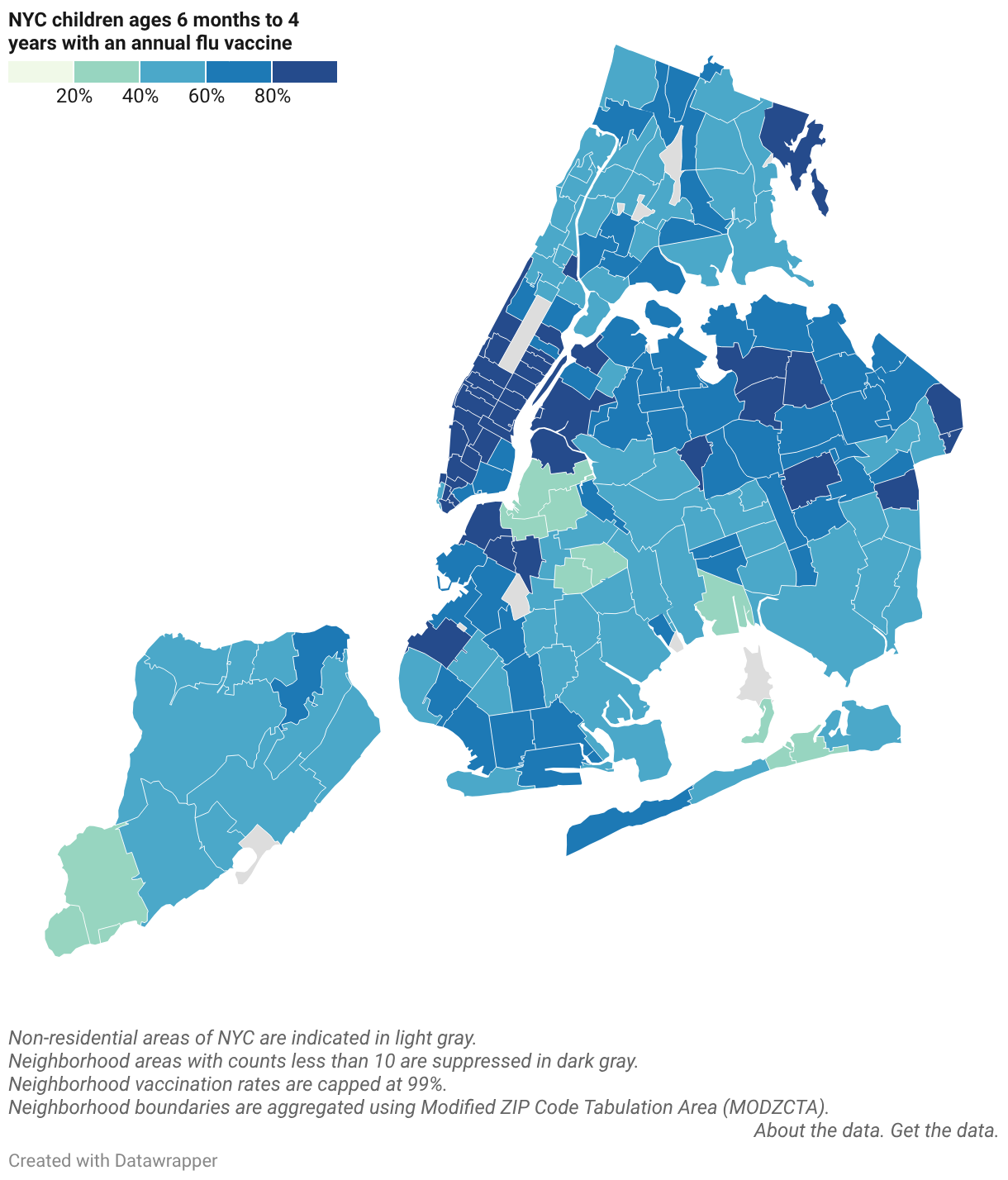
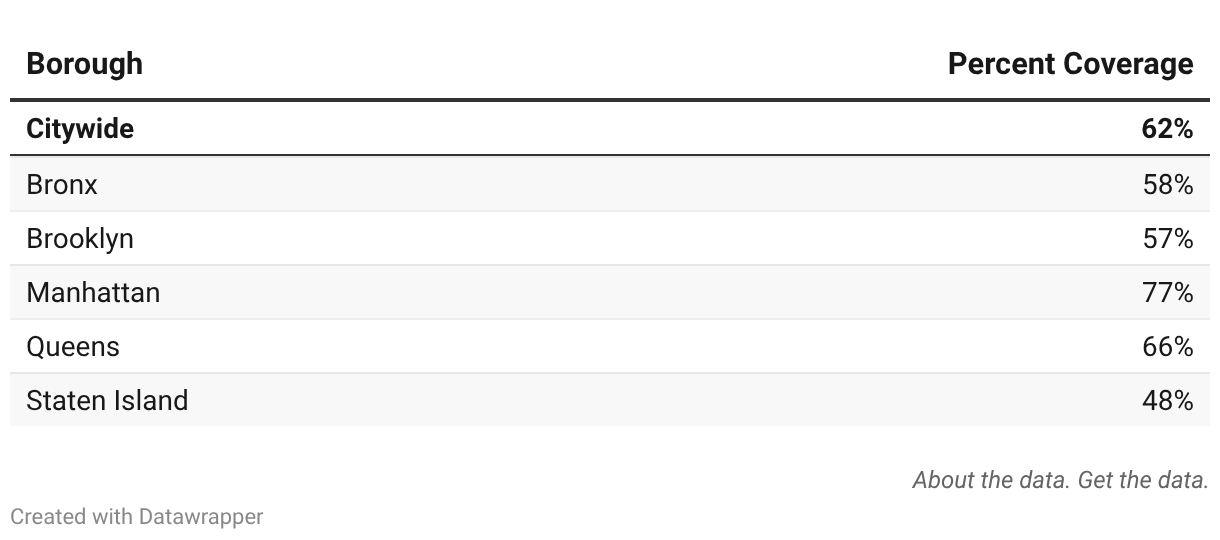
Influenza Vaccination Coverage as of December 31, 2023 (July 2023 to December 2023)
Influenza Vaccination Coverage as of June 30, 2023 (July 2022 to June 2023)

Influenza Vaccination Coverage as of December 31, 2023 (July 2022 to December 2023)

Influenza Vaccination Coverage as of June 30, 2022 (July 2021 to June 2022)
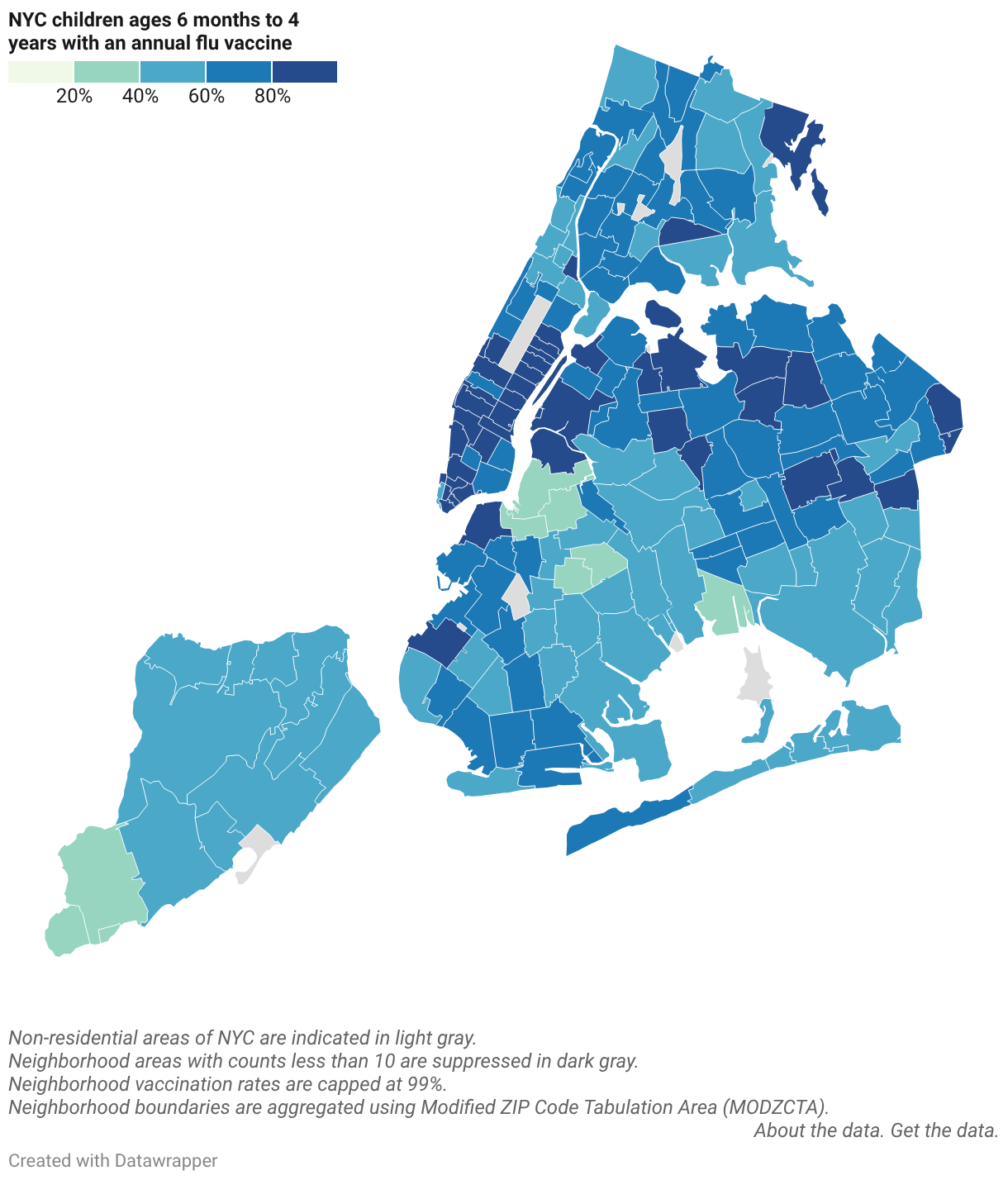
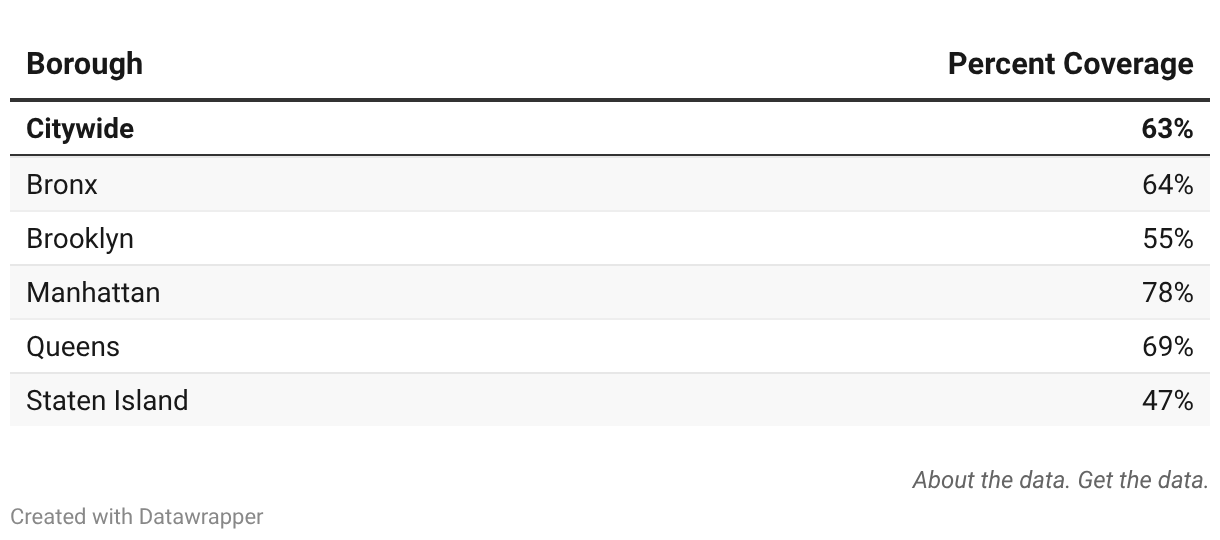
Influenza Vaccination Coverage as of December 31, 2021 (July 2021 to December 2021)
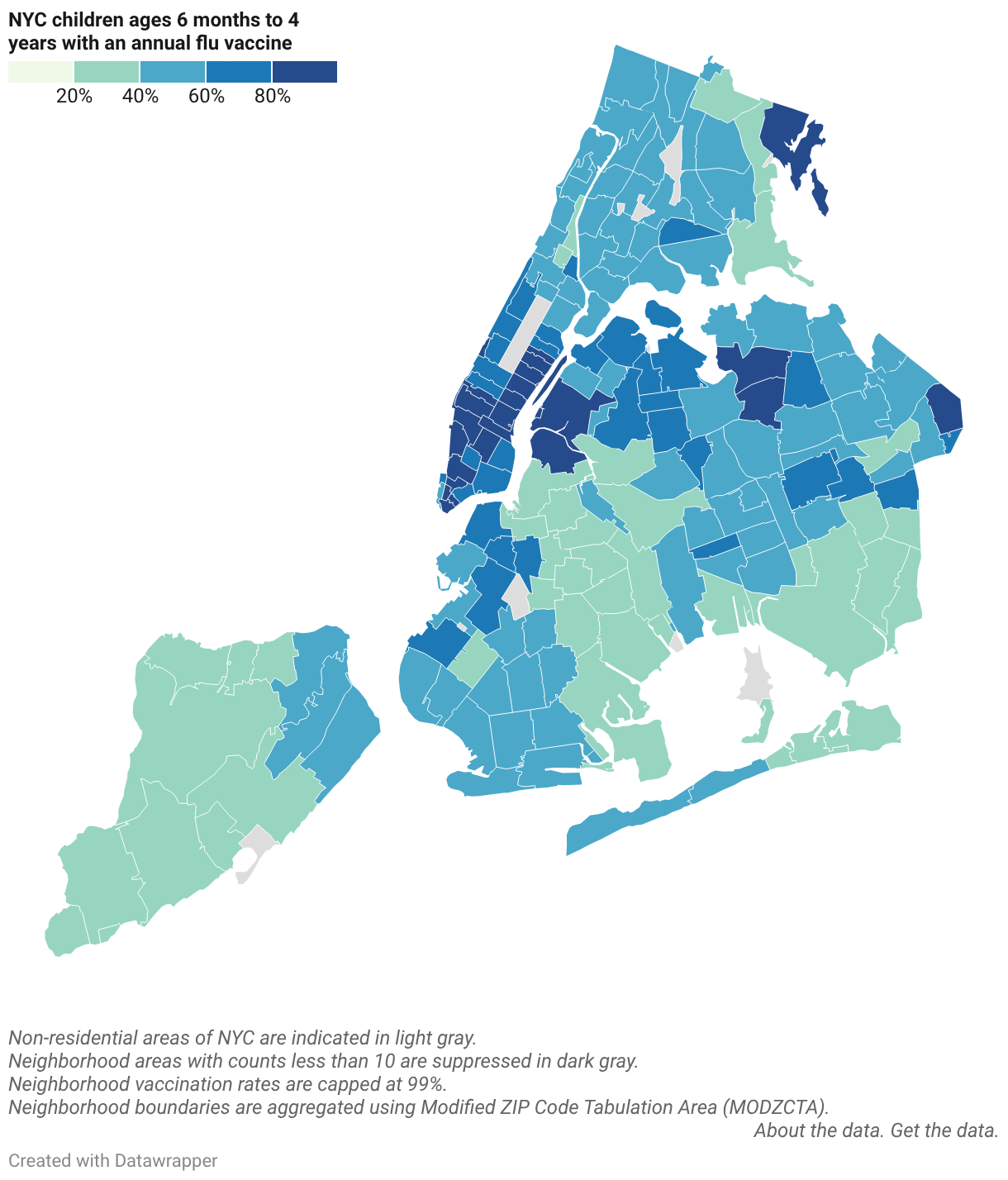

Influenza Vaccination Coverage as of June 30, 2021 (July 2020 to June 2021)
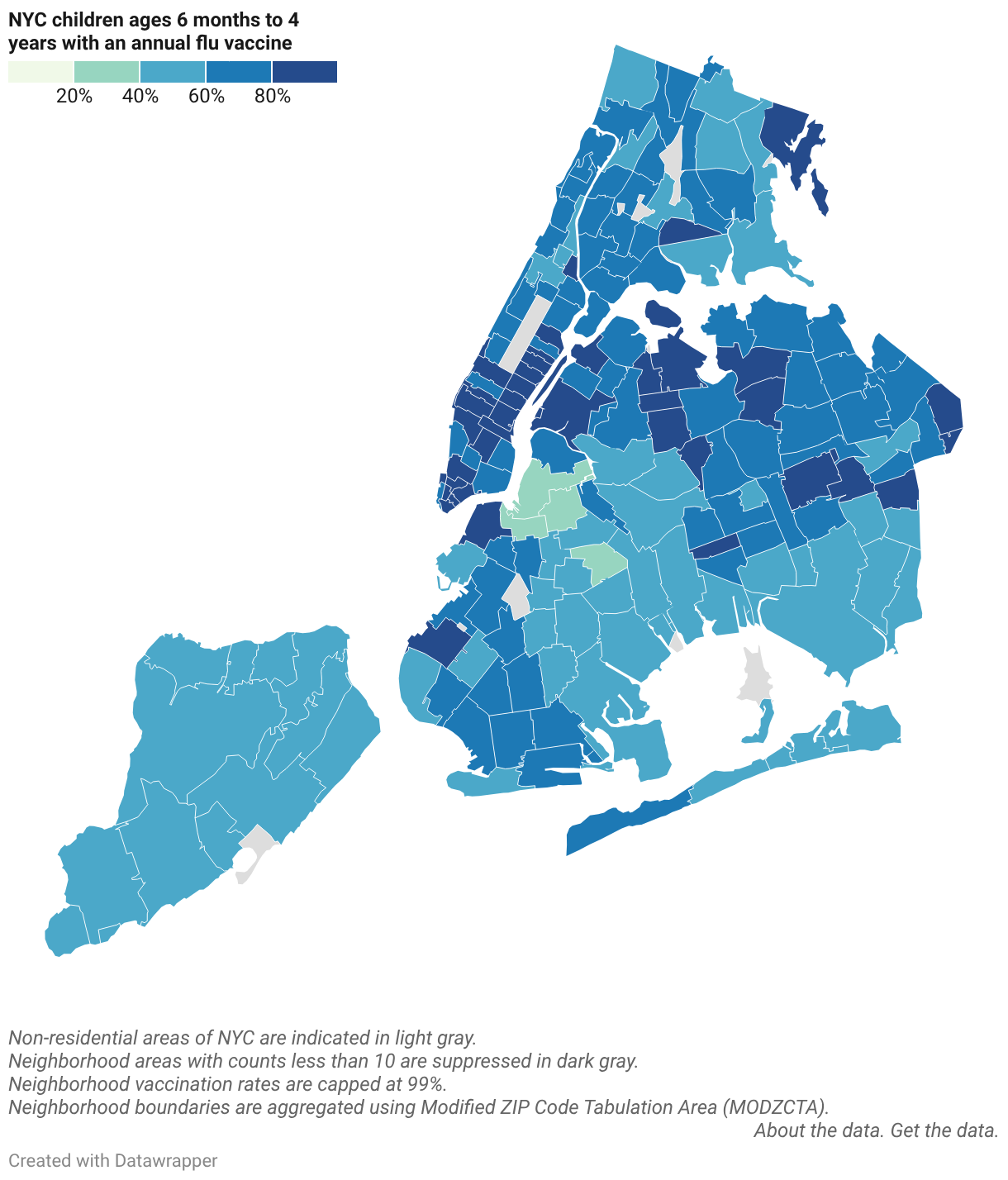
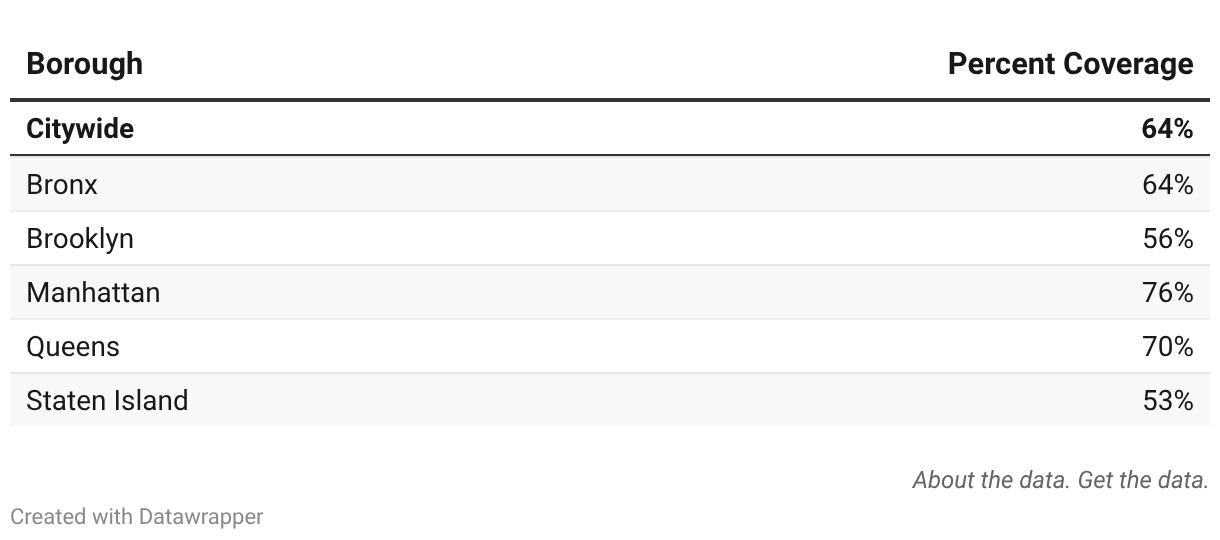
Influenza Vaccination Coverage as of December 31, 2020 (July 2020 to December 2020)
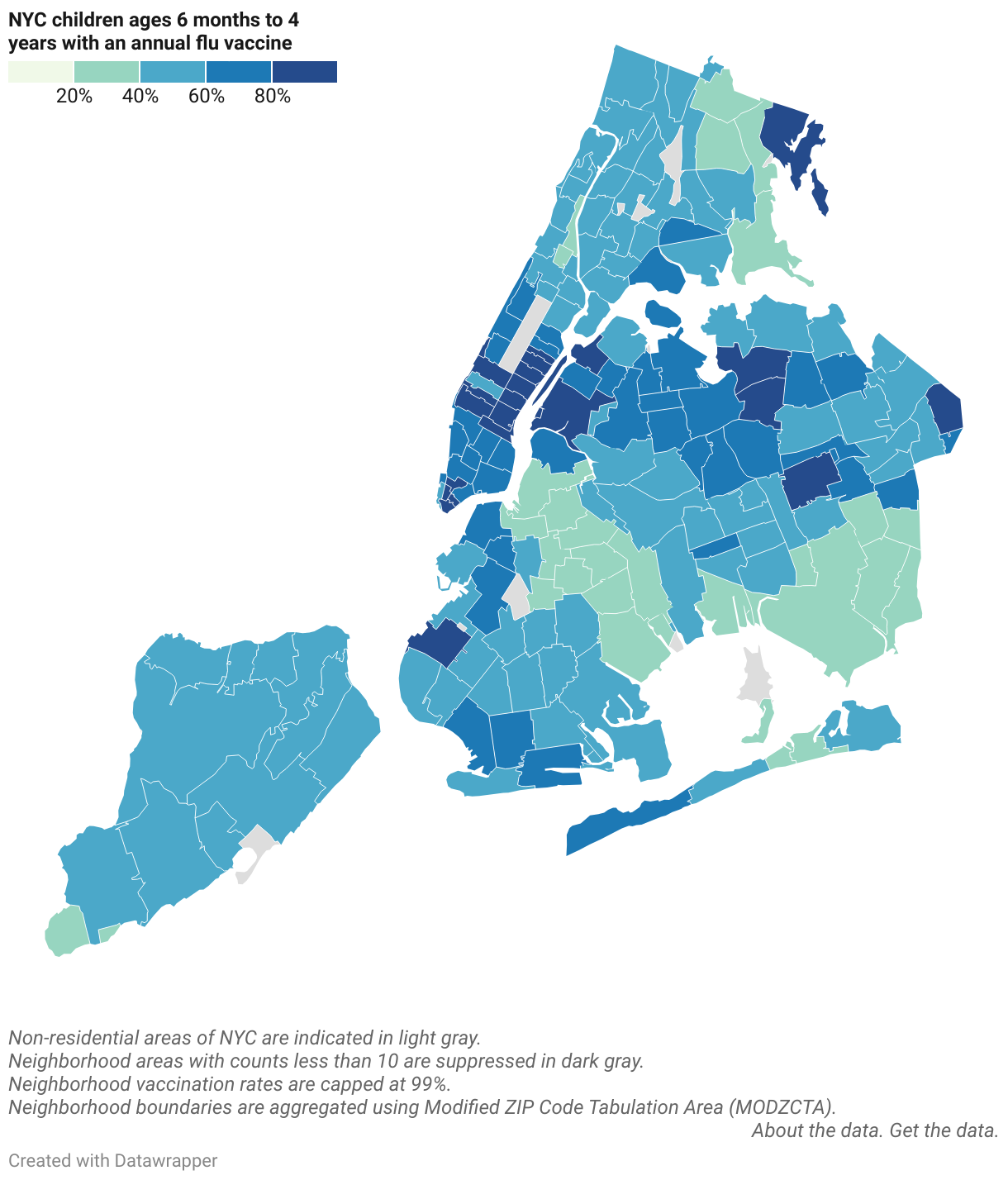

Influenza Vaccination Coverage as of June 30, 2020 (July 2019 to June 2020)
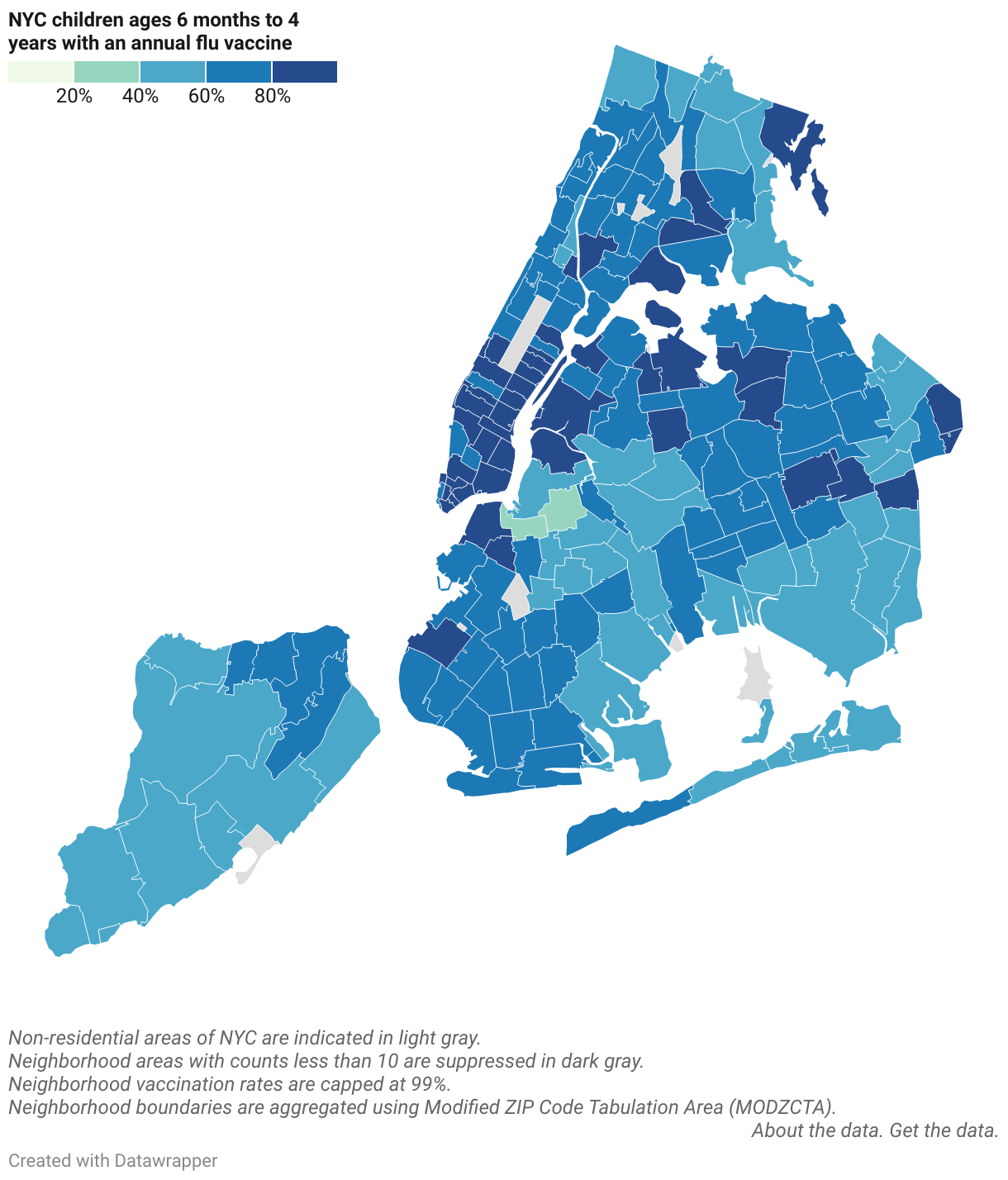
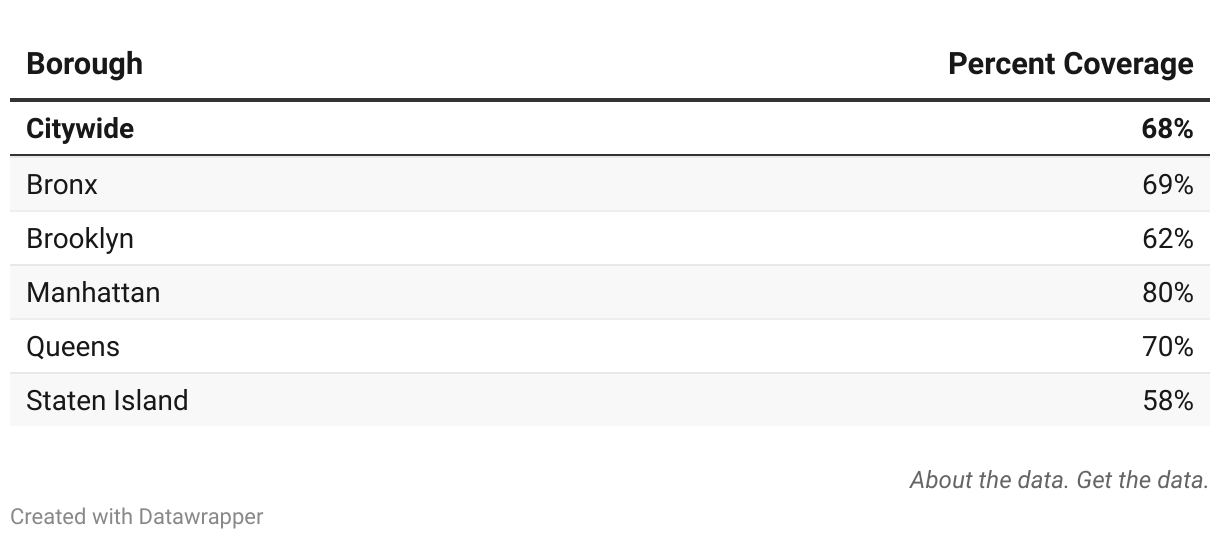
Influenza Vaccination Coverage as of December 31, 2024 (July 2024 to December 2024)

Influenza Vaccination Coverage as of June 30, 2024 (July 2023 to June 2024)
Influenza Vaccination Coverage as of December 31, 2023 (July 2023 to December 2023)

Influenza Vaccination Coverage as of June 30, 2023 (July 2022 to June 2023)
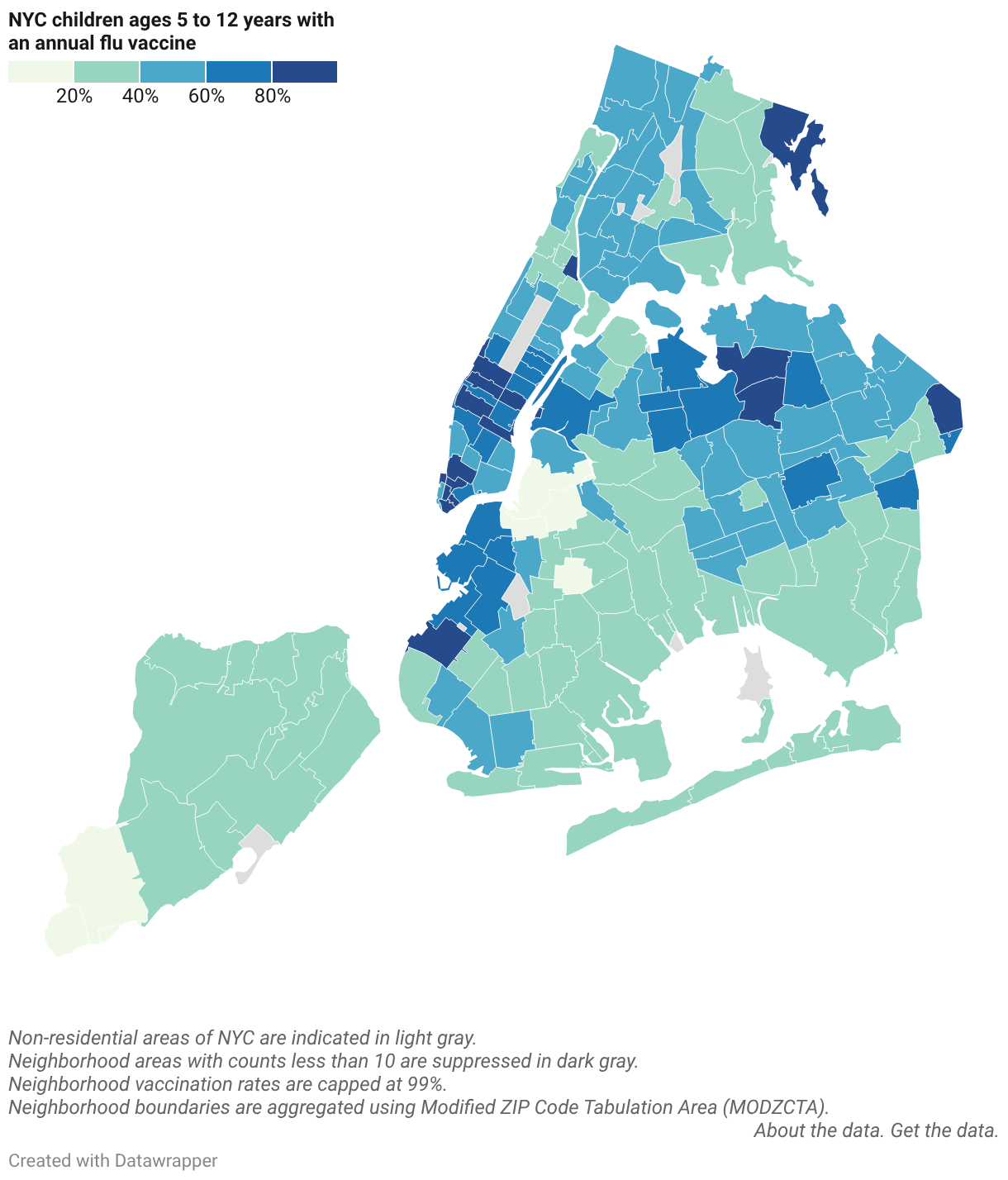
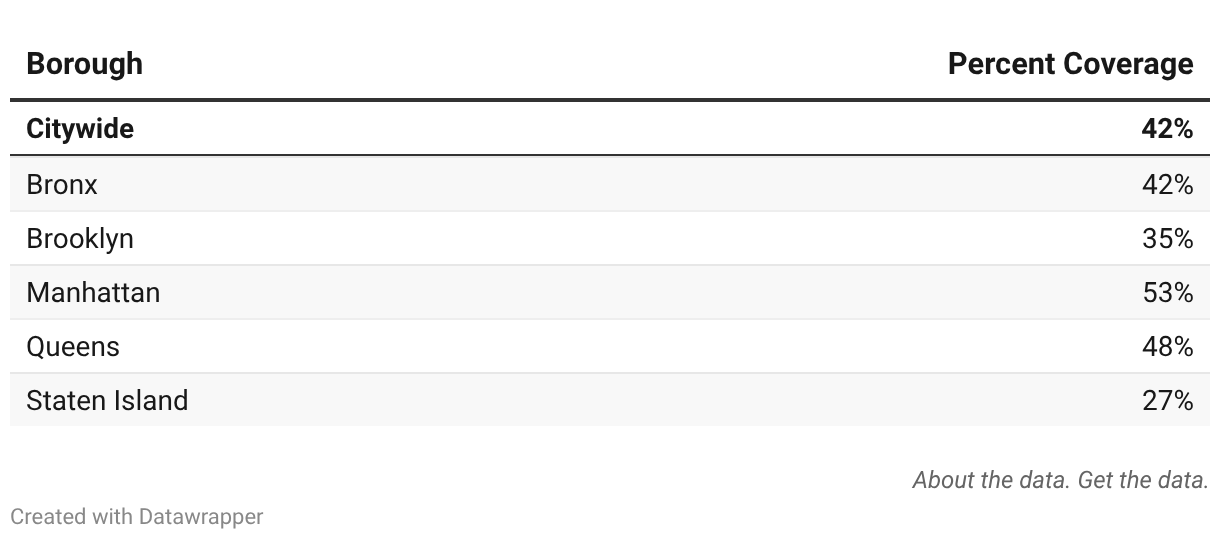
Influenza Vaccination Coverage as of December 31, 2022 (July 2022 to December 2022)
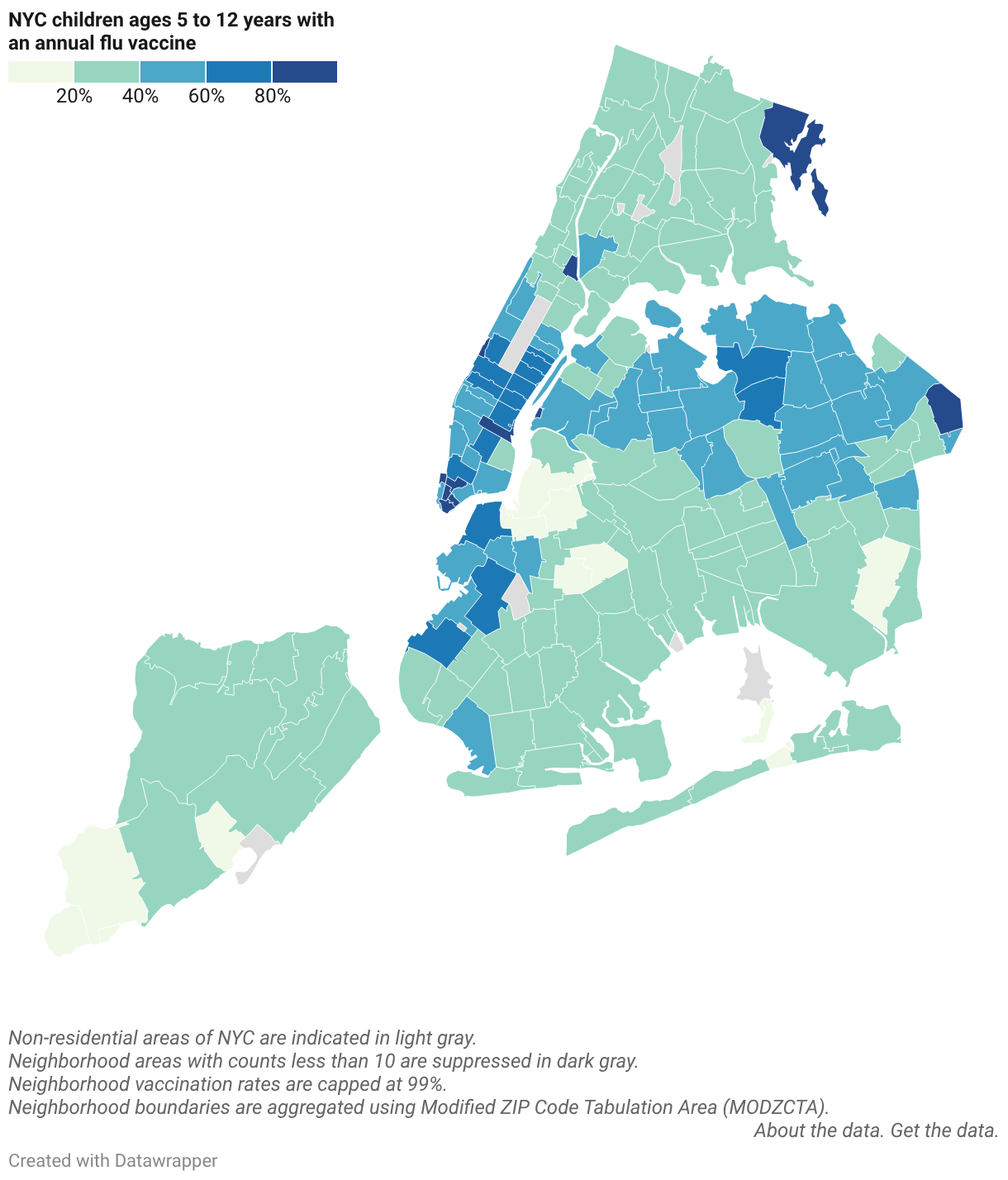

Influenza Vaccination Coverage as of June 30, 2022 (July 2021 to June 2022)
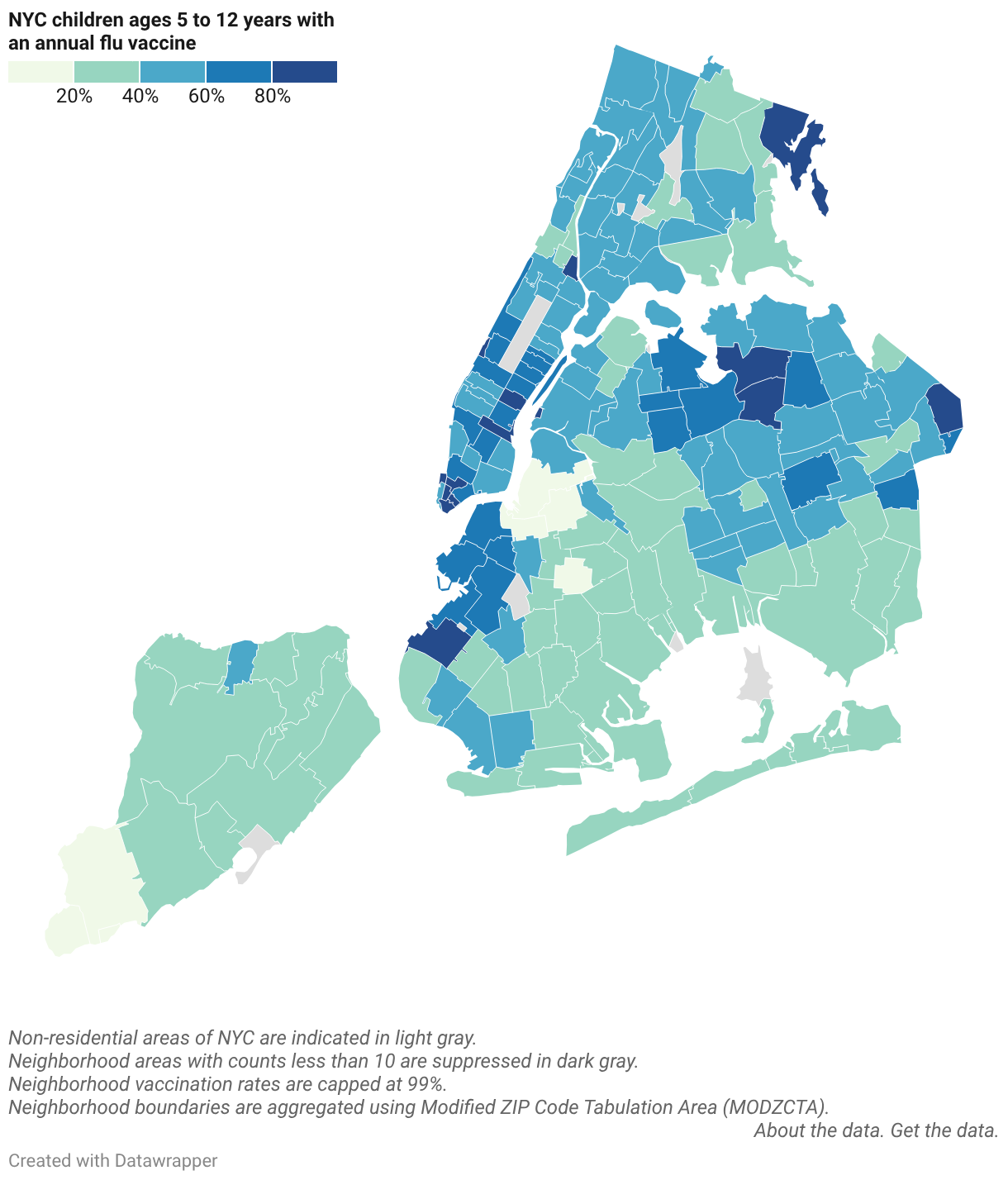
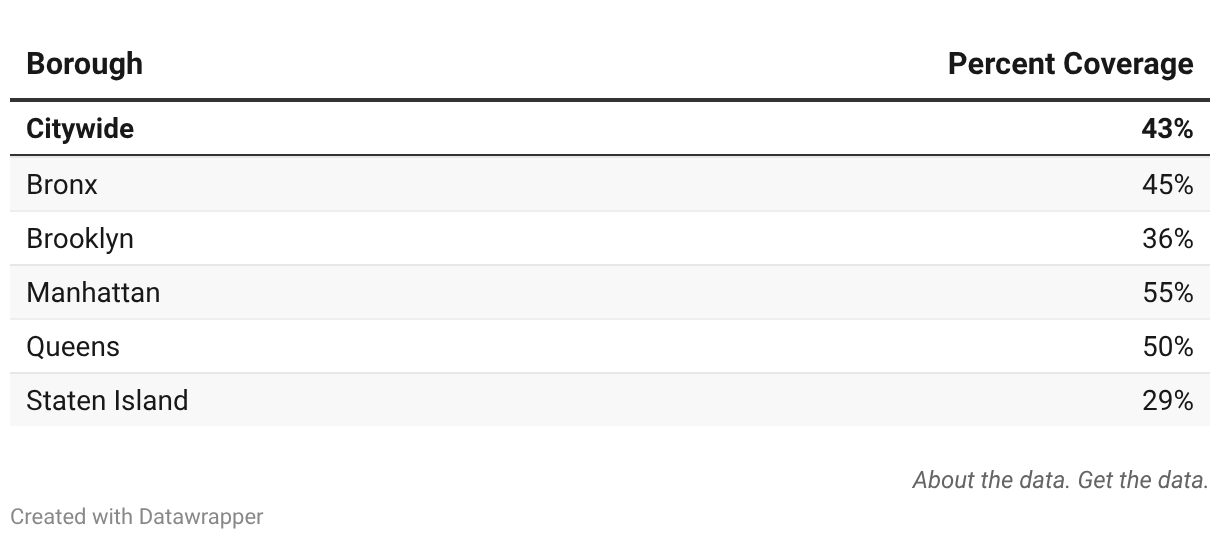
Influenza Vaccination Coverage as of December 31, 2021 (July 2021 to December 2021)
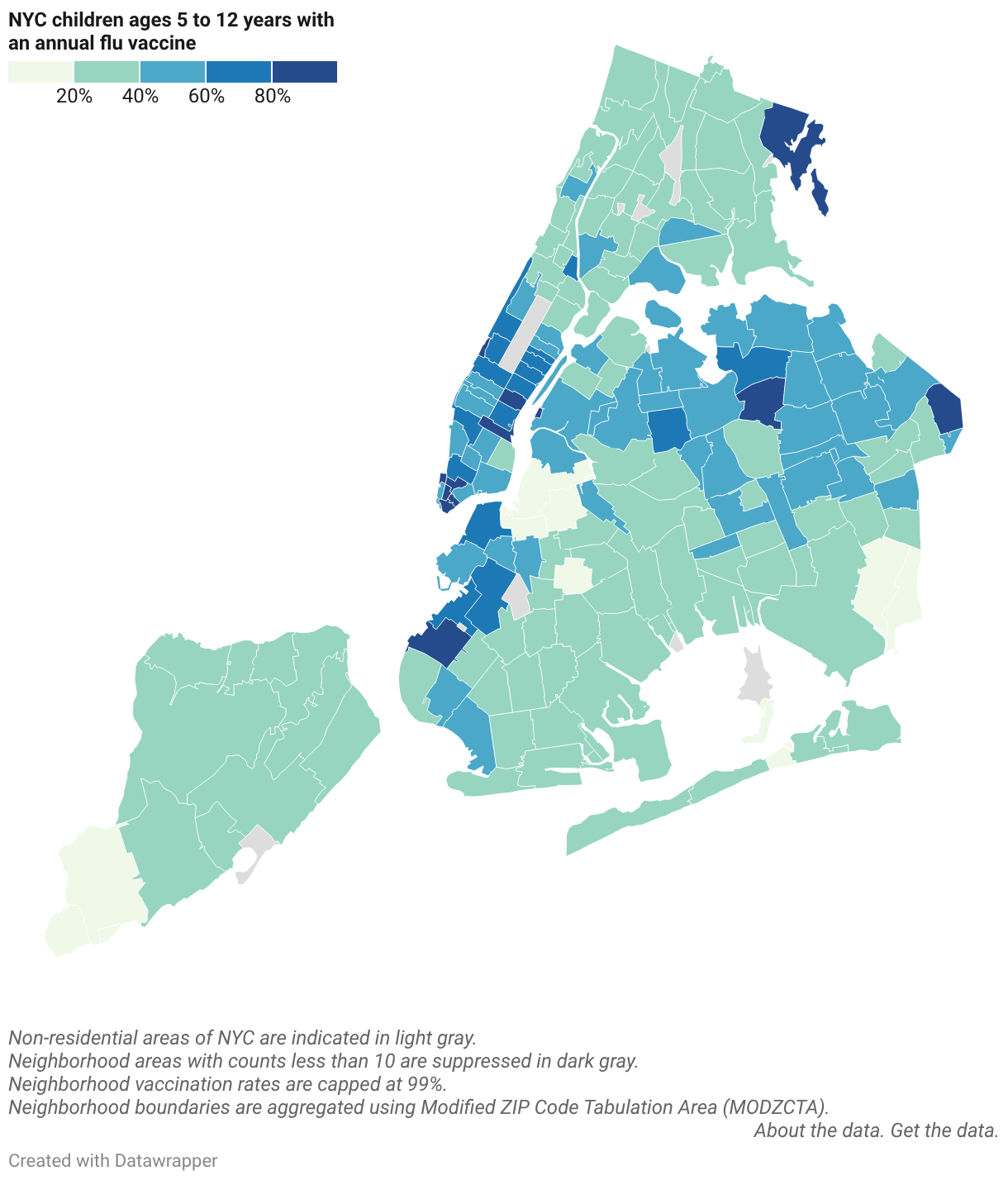

Influenza Vaccination Coverage as of June 30, 2021 (July 2020 to June 2021)
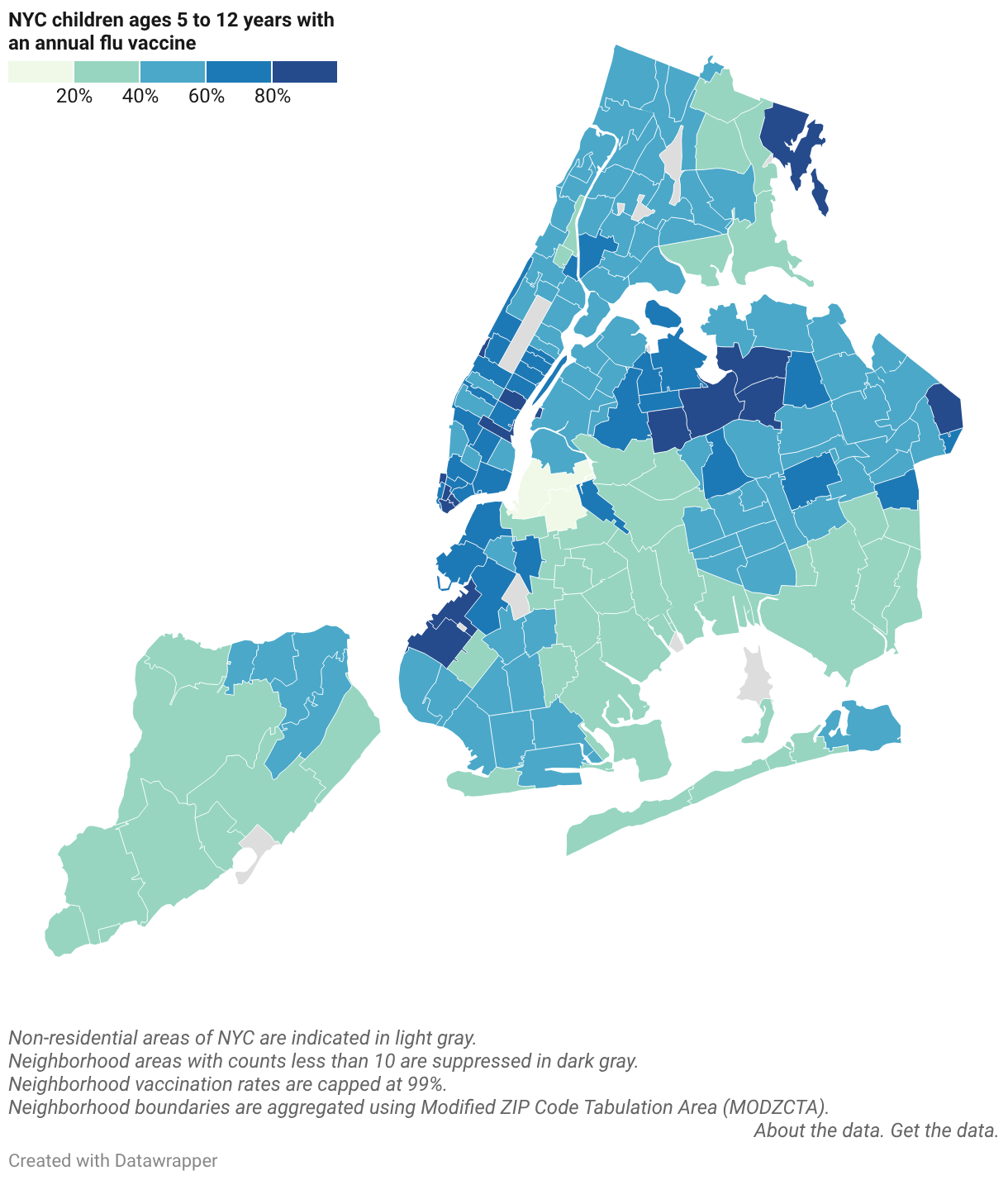
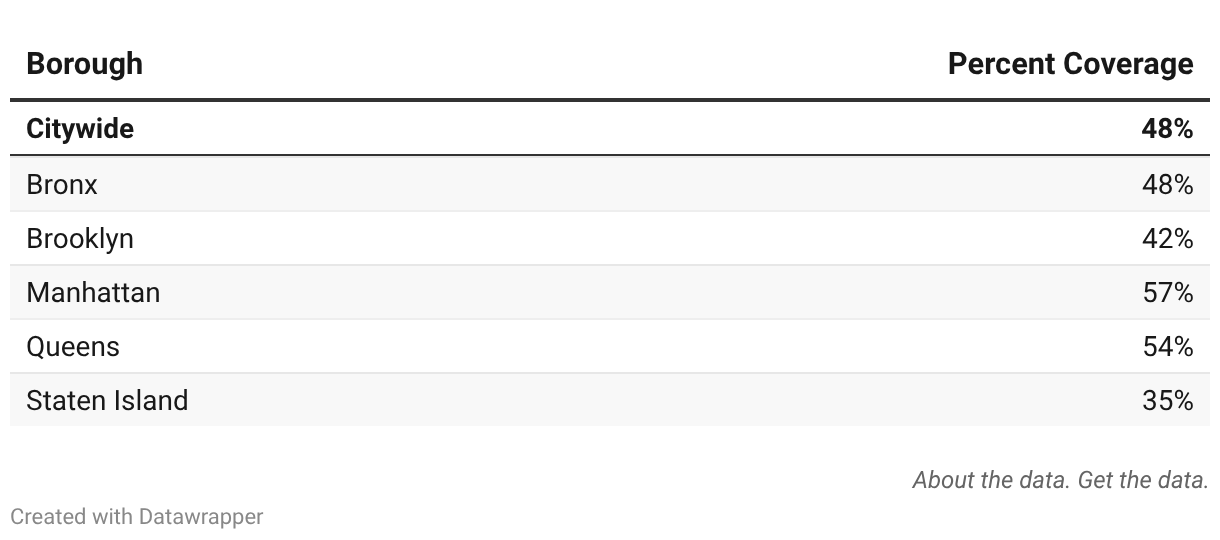
Influenza Vaccination Coverage as of December 31, 2020 (July 2020 to December 2020)
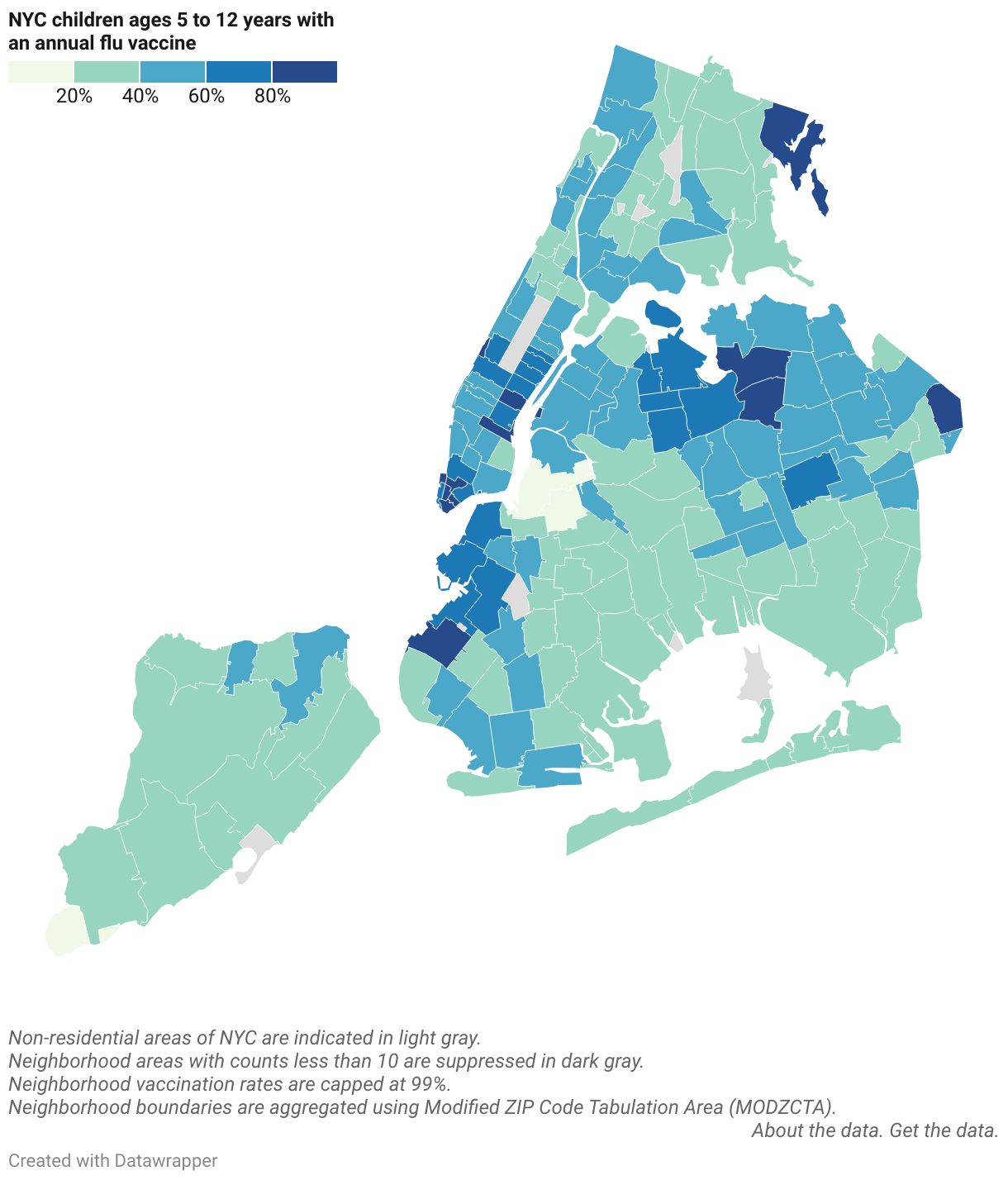
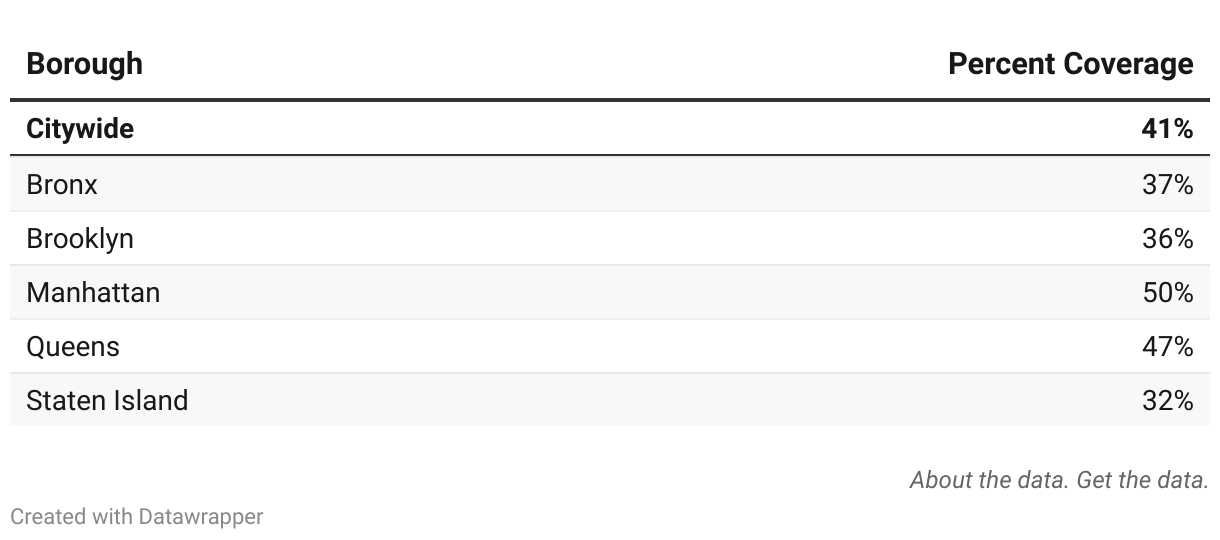
Influenza Vaccination Coverage as of June 30, 2020 (July 2019 to June 2020)
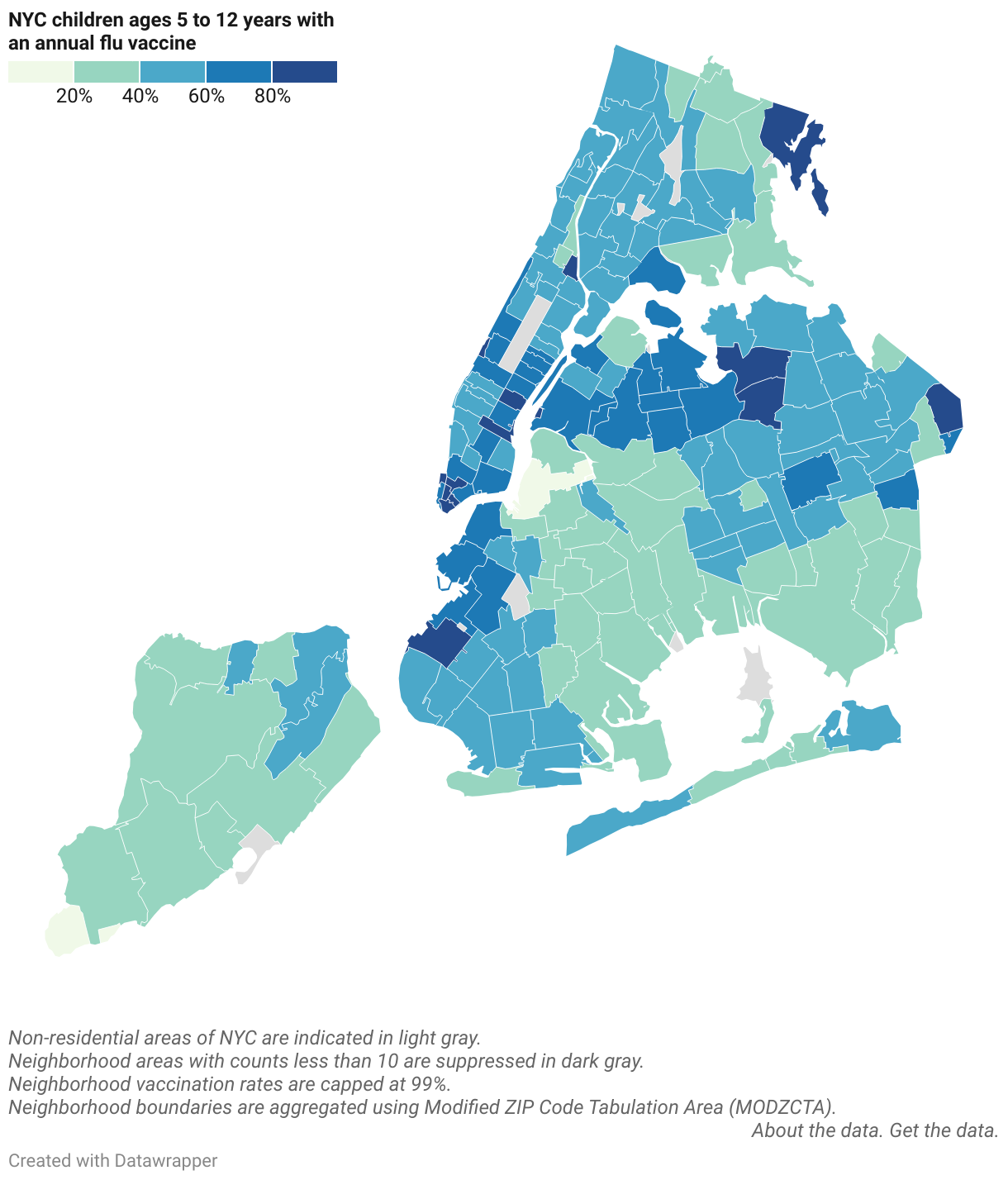
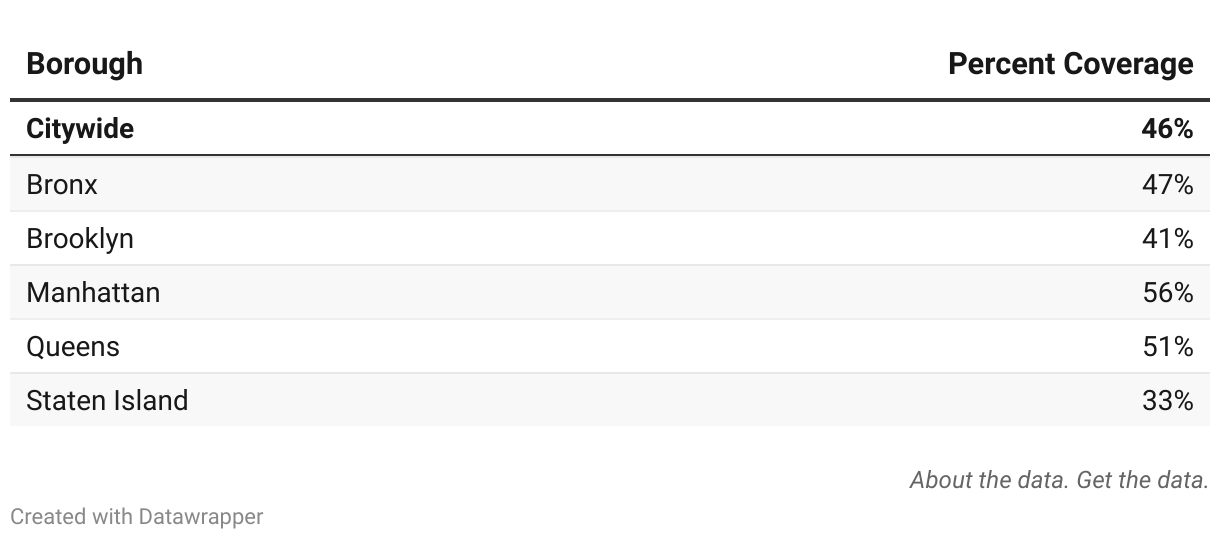
Influenza Vaccination Coverage as of December 31, 2024 (July 2024 to December 2024)

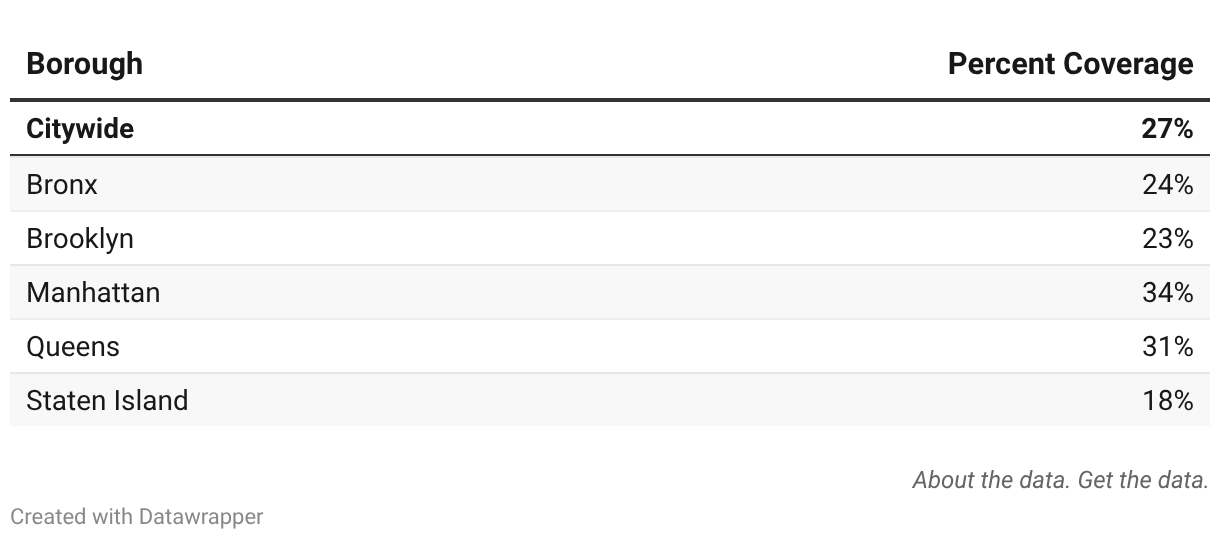
Influenza Vaccination Coverage as of June 30, 2024 (July 2023 to June 2024)
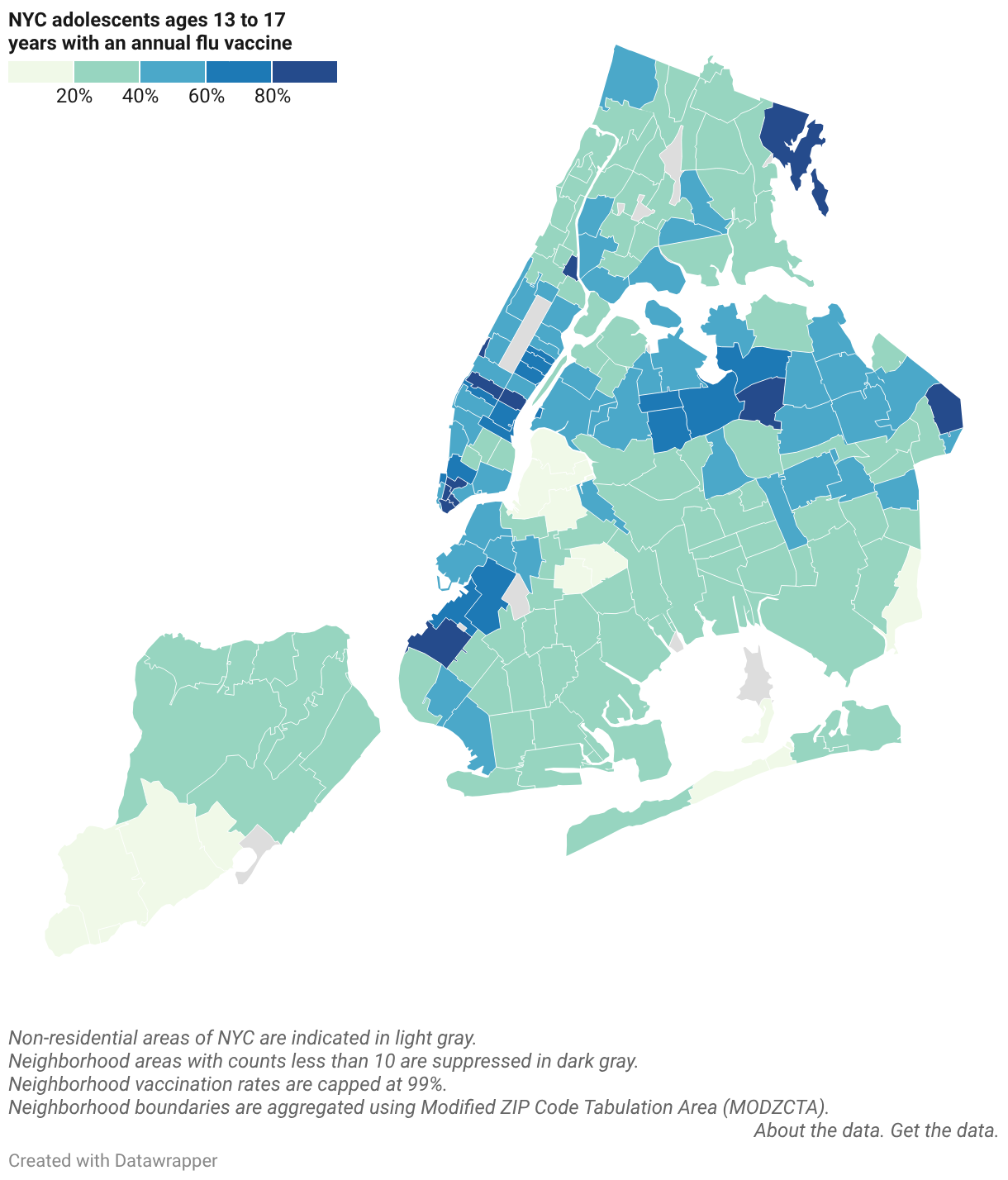
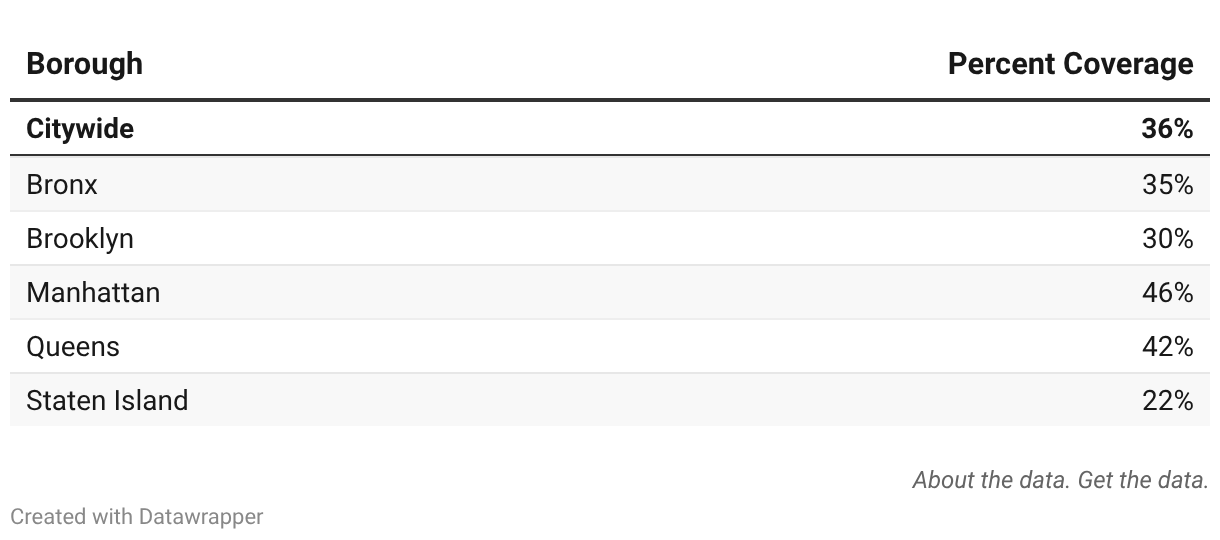
Influenza Vaccination Coverage as of December 31, 2023 (July 2023 to December 2023)
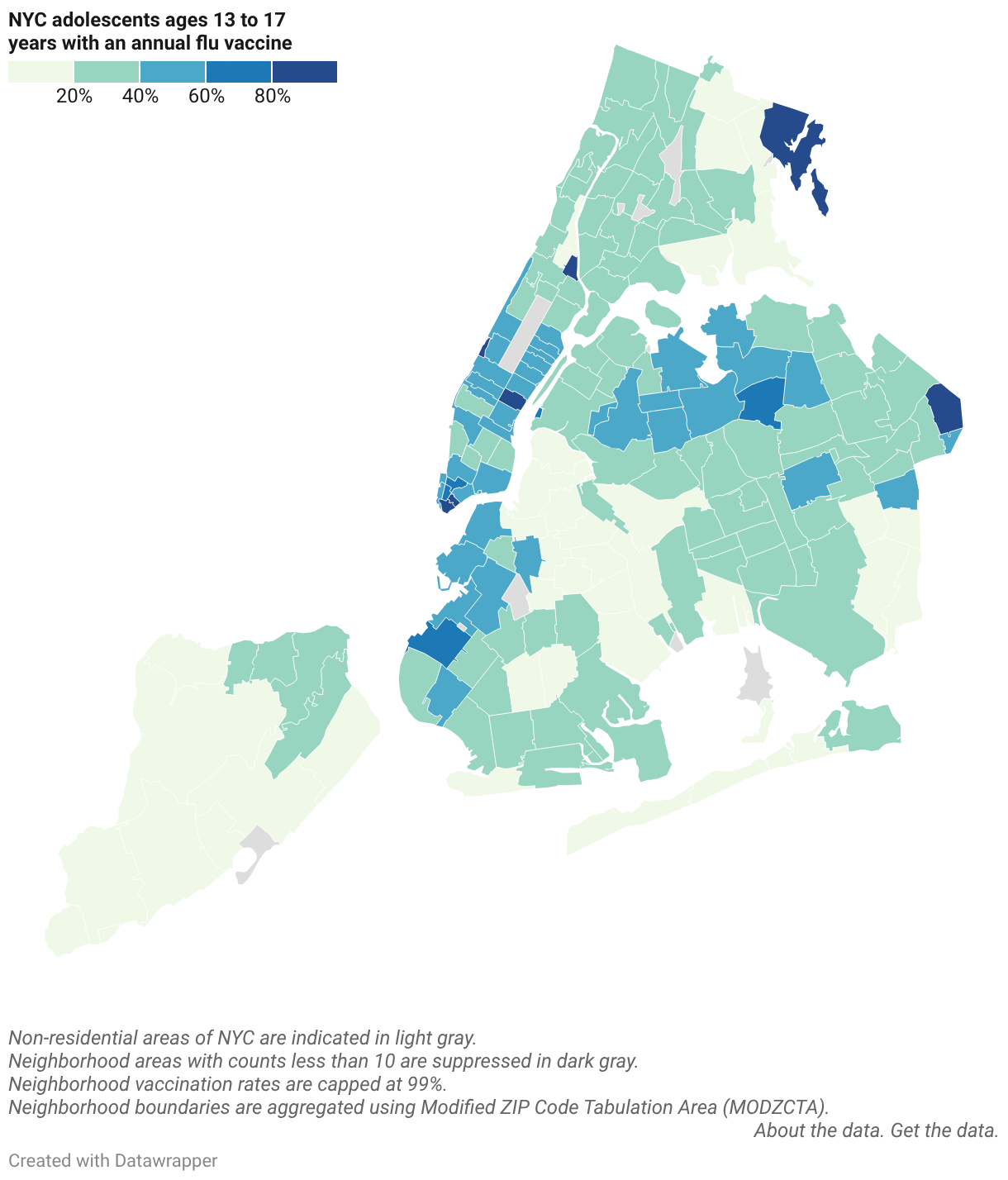

Influenza Vaccination Coverage as of June 30, 2023 (July 2022 to June 2023)

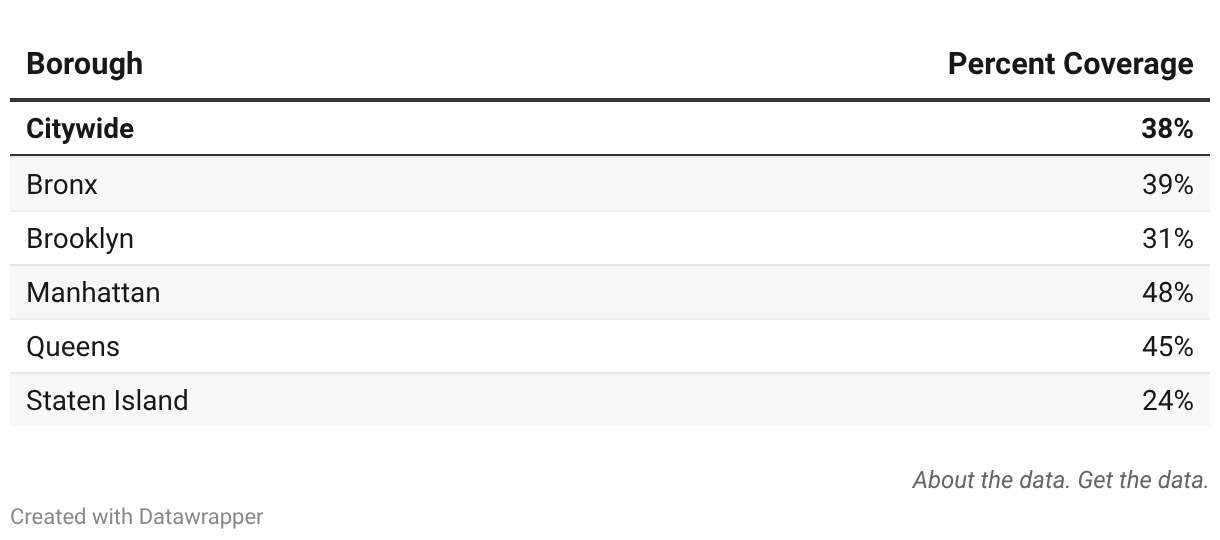
Influenza Vaccination Coverage as of December 31, 2022 (July 2022 to December 2022)

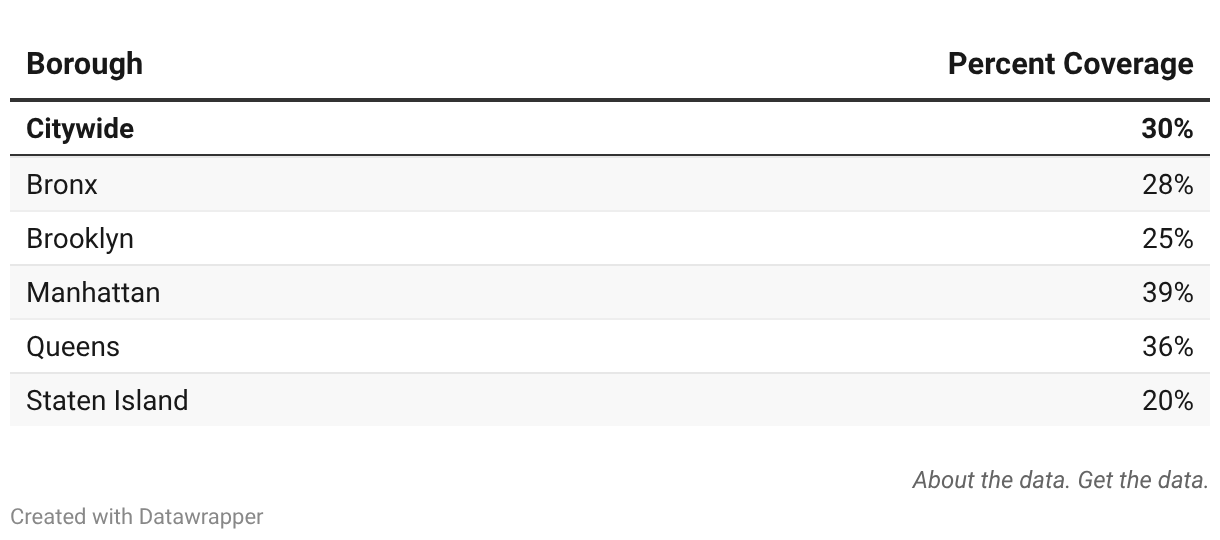
Influenza Vaccination Coverage as of June 30, 2022 (July 2021 to June 2022)
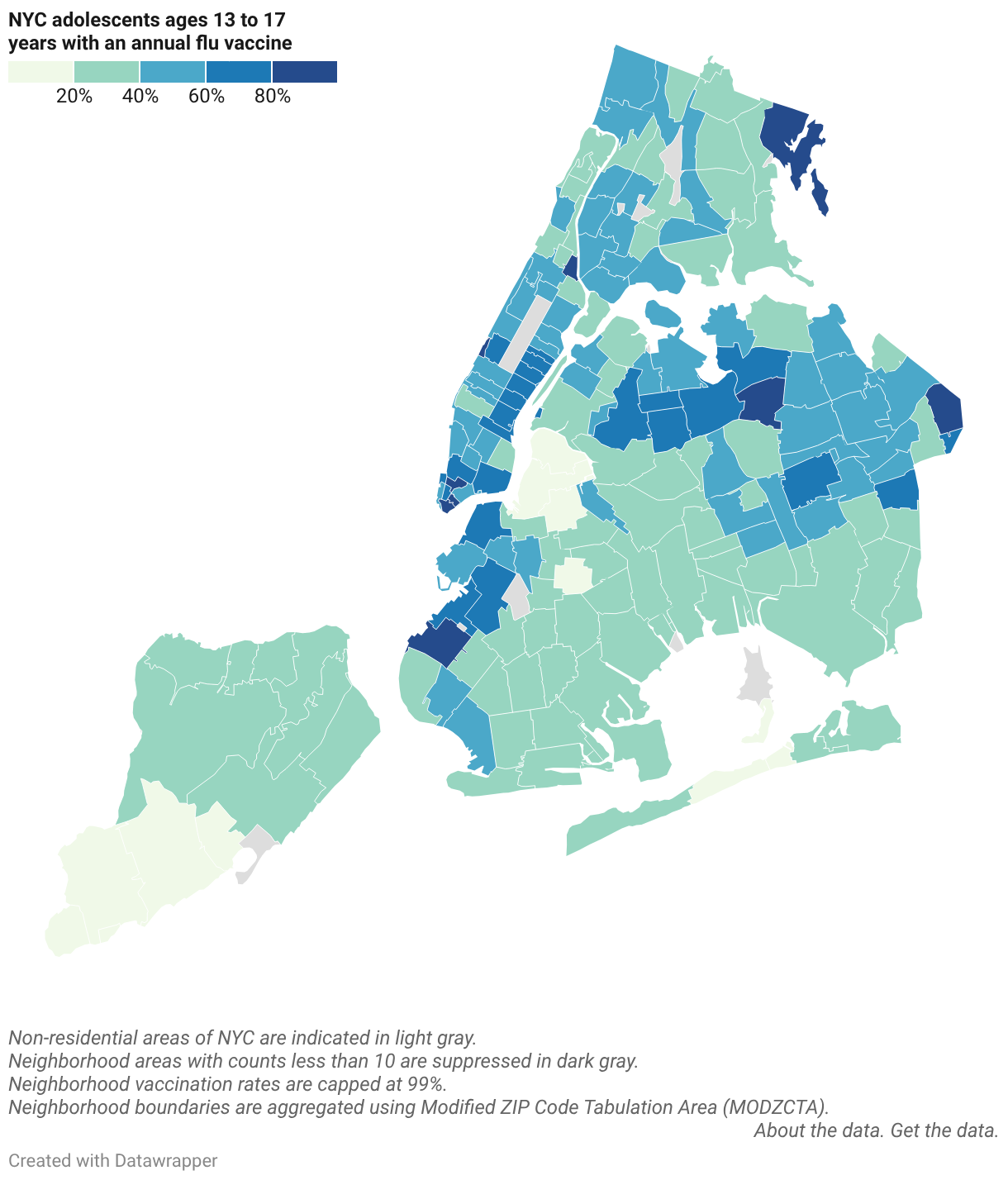
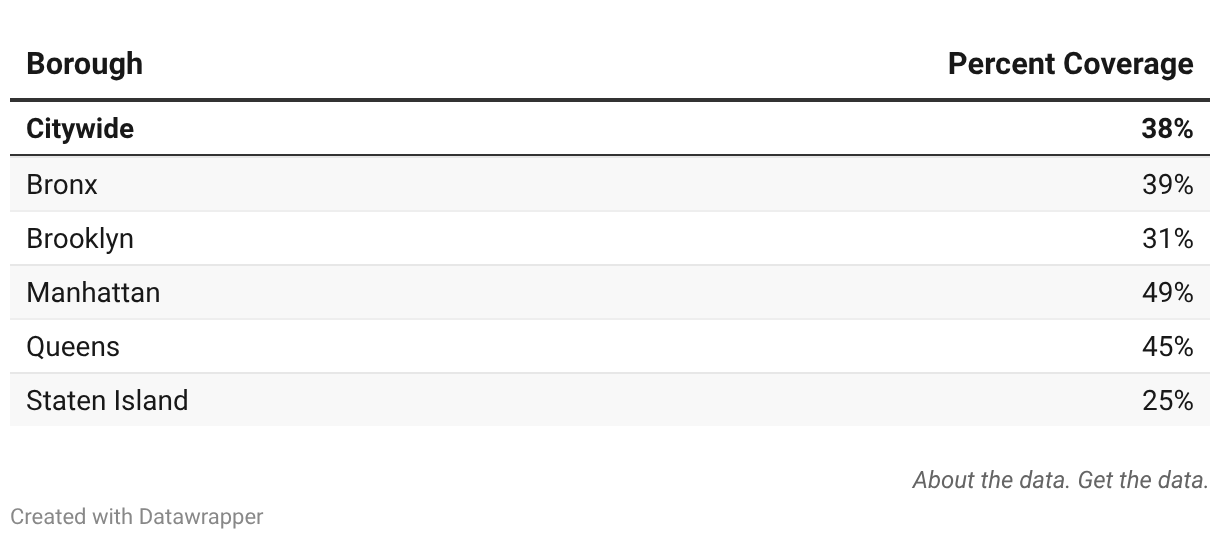
Influenza Vaccination Coverage as of December 31, 2021 (July 2021 to December 2021)


Influenza Vaccination Coverage as of June 30, 2021 (July 2020 to June 2021)


Influenza Vaccination Coverage as of December 31, 2020 (July 2020 to December 2020)

Influenza Vaccination Coverage as of June 30, 2020 (July 2019 to June 2020)

How Vaccine Coverage is Calculated
Numerator: Individuals vaccinated and reported to NYC Health Department Citywide Immunization Registry (CIR).Denominator: Population estimates produced from the NYC Health Department based on data from the U.S. Census Bureau and the NYC Department of City Planning. These estimates are periodically updated and may underestimate or overestimate certain populations. More details are available on GitHub.
Vaccination coverage: Calculated by dividing the numerator by the denominator and presented as a percentage.
Data Update Schedule
The data on this page will be updated twice each year. Vaccination coverage is assessed as of June 30 and December 31 each year, and data will be released a few months later.
Suggested Citation
New York City Department of Health and Mental Hygiene. Childhood Vaccination Data Explorer. Accessed at https://www.nyc.gov/site/doh/data/data-sets/childhood-vaccination-data.page on [ACCESS DATE].
More Information
Citywide Immunization Registry Immunization Clinics Vaccine-Preventable Diseases Diphtheria Tetanus Pertussis Polio Measles Mumps Rubella Haemophilus influenzae type b (Hib) Hepatitis B Chickenpox (Varicella) Pneumococcal Disease Human Papillomavirus Seasonal Flu About Health Inequities in Data GitHub Repository