
 Mayor's Office for People with Disabilities311Search all NYC.gov websites


Statement from Commissioner Christina Curry

Statement from Commissioner Christina Curry
Back to the Accessible NYC 2025 Report
New York City Mayor’s Office for People with Disabilities (MOPD)
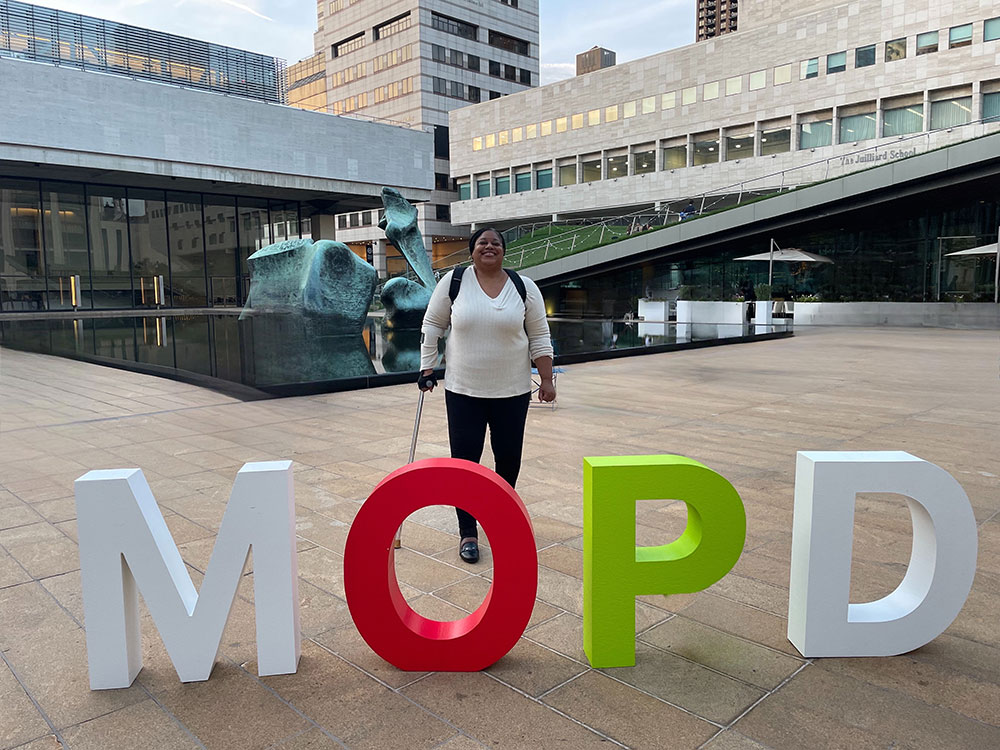
New York City is home to around a million people with disabilities whose contributions strengthen every neighborhood and every sector of our city. AccessibleNYC reflects our commitment to supporting all New Yorkers as they live, work, learn, travel, and participate fully in the life of our community. The updates described in this report demonstrate how City agencies and partners are working together to advance accessibility and inclusion across all parts of the city government.
Over the past four years, New Yorkers have seen meaningful progress across the housing landscape. This includes the continued implementation of disability set-aside units, clearer pathways for applicants to demonstrate eligibility, and expanded resources to help tenants and homeowners understand their options. Agencies also report on efforts that connect New Yorkers to rental assistance, legal support, and programs that make it easier to navigate housing opportunities.
Transportation remains essential to independence, and this report highlights accessibility improvements across the broader system. These updates include subway station accessibility projects, accessible for-hire vehicle options, ferry and commuter rail enhancements, and new communication tools that help riders plan trips with confidence.
A more accessible city is also reflected in the built environment. City agencies report installing thousands of new pedestrian ramps and accessible pedestrian signals, along with investments in design standards and capital projects that improve accessibility in public buildings, streetscapes, and community spaces. These improvements support safer, more welcoming environments for New Yorkers of all ages and abilities.
Accessibility also extends to health, education, culture, and recreation. This report highlights agency initiatives that expand access to public health programs, strengthen supports for students in NYC Public Schools and CUNY, and broaden opportunities for cultural participation, tourism, and adaptive recreation across the five boroughs.
MOPD continues to play an important role in advancing accessibility citywide. Recent efforts include strengthening digital accessibility, supporting Disability Service Facilitators across agencies, and expanding Deaf access. The passage of Local Law 12 of 2023, which requires every City agency to develop a five-year accessibility plan, represents a significant milestone that will deepen accountability and long-term planning for accessibility throughout city government.
Employment and financial empowerment remain key priorities. Through updates to NYC: ATWORK, accessibility initiatives across the Workforce1 system, the 55-a Program, youth employment pathways, and disability-informed financial counseling services, City agencies are working to expand opportunity and support New Yorkers in pursuing meaningful careers and financial stability.
The progress reflected in AccessibleNYC is made possible by strong partnerships with City agencies, community organizations, advocates, and employers, and, above all, by people with disabilities whose perspectives and leadership continue to guide this work. While we are proud of the strides made, we remain committed to the work ahead.
MOPD will continue to champion accessibility, equity, and inclusion so every New Yorker can live a full, independent, and self-directed life. Together, we are building a city that truly belongs to all of us.
Christina Curry MA, MPA
Commissioner, NYC Mayor’s Office for People with Disabilities