




Reservoir Cleanup Day Volunteers Remove More Than Two Tons of Trash and Recyclables from Shorelines
September 18, 2019
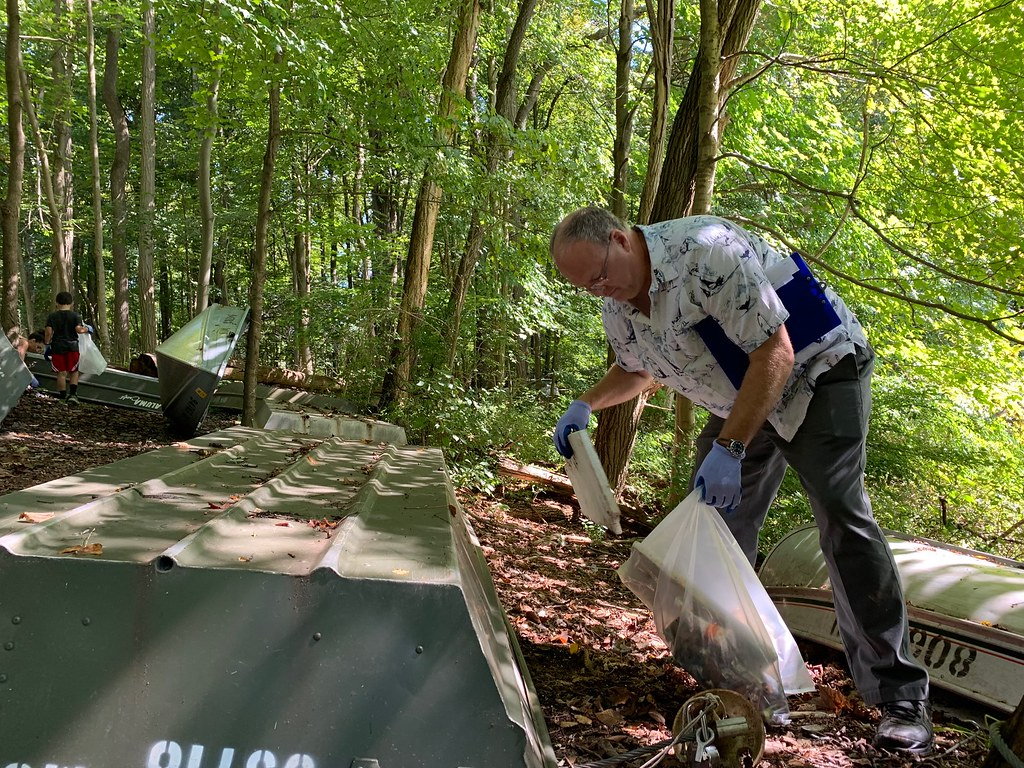
The New York City Department of Environmental Protection (DEP) today announced that hundreds of volunteers from across the Catskill and Hudson Valley collected an estimated 4,675 pounds of trash and recyclables during Reservoir Cleanup Day, making it the largest haul since the annual event began six years ago. A total of 350 volunteers participated in this year’s cleanup. The effort to remove debris, litter and recyclables from watershed shorelines was led by school groups, environmental advocates, business leaders, local nonprofits and watershed citizens.
The Sept. 15 event comprised cleanup efforts at six water supply reservoirs, including Ashokan and Pepacton reservoirs in the Catskills, and at Muscoot, Kensico, Lake Gleneida, and New Croton reservoirs in the Hudson Valley. Volunteers also led a cleanup along the East Branch Croton River in Croton Falls. In total, volunteers collected 279 bags of debris and recyclables. The haul weighed a total of more than two tons. In many cases, debris collected at the sites had blown onto reservoir property from nearby roadsides, had washed up along the shores from past storms, or was left behind at access areas used by the public for fishing and boating.
“I want to thank our watershed neighbors who volunteered at Reservoir Cleanup Day,” DEP Commissioner Vincent Sapienza said. “We are fortunate to work with many nonprofits, businesses and local citizens who share our goal of protecting natural resources in the watershed. The results from our cleanup event each year underscore the need for steady education. Too many people are still carelessly disposing their garbage. DEP is committed to working with our partners to teach the concept of leave no trace, and promote an outdoor ethic that values our lands and waters.”
“DEP has been a great partner in the effort to promote awareness about marine debris in at many shoreline sites across New York,” said Don Riepe, northeast director for the American Littoral Society, which organizes the broader annual cleanup of shorelines throughout the state. “The City’s annual Reservoir Day Cleanup has become one of the largest New York State Beach Cleanup Day events and we're proud of their commitment to helping keep our shorelines clean.”
Debris collected during the cleanup included 2,968 glass, plastic or metal beverage containers, 1,026 food wrappers, 2,941 small pieces of foam, glass or plastic, 1,253 cigarette butts, 134 yards of fishing line, 930 plastic and paper bags, 738 disposable cups and plates, 873 bottle caps, 424 take-out food containers, and 38 tires. Earlier this year, DEP updated its watershed recreation rules to ban the use of cigarettes on City-owned lands and waters. This change was informed by previous cleanup events at which DEP employees and volunteers collected nearly 10,000 cigarette butts on lands around the reservoirs.
Reservoir Cleanup Day was among dozens of similar events happening across the state as part of the American Littoral Society’s annual New York State Beach Cleanup, which organizes volunteers to remove debris from beaches, lake shores and stream banks. Data from the reservoir cleanups was reported back to the American Littoral Society to generate a statewide tally that will soon be available. DEP is among the government agencies, businesses and foundations that sponsor the statewide effort. In 2018, the New York State Beach Cleanup included 7,053 volunteers across who removed 45,311 pounds of debris along 194 miles of shoreline.
DEP manages New York City’s water supply, providing more than 1 billion gallons of high-quality water each day to more than 9.6 million New Yorkers. This includes more than 70 upstate communities and institutions in Ulster, Orange, Putnam and Westchester counties who consume an average of 110 million total gallons of drinking water daily from New York City’s water supply system. This water comes from the Catskill, Delaware, and Croton watersheds that extend more than 125 miles from the City, and the system comprises 19 reservoirs, three controlled lakes, and numerous tunnels and aqueducts. DEP has nearly 6,000 employees, including almost 1,000 scientists, engineers, surveyors, watershed maintainers and other professionals in the watershed. In addition to its $70 million payroll and $168.9 million in annual taxes paid in upstate counties, DEP has invested more than $1.7 billion in watershed protection programs—including partnership organizations such as the Catskill Watershed Corporation and the Watershed Agricultural Council—that support sustainable farming practices, environmentally sensitive economic development, and local economic opportunity. In addition, DEP has a robust capital program with $20.1 billion in investments planned over the next decade that will create up to 3,000 construction-related jobs per year.For more information, visit nyc.gov/dep, like us on Facebook, or follow us on Twitter.