




DCAS, Brooklyn Museum, NYPA Announce $48 Million Deep Energy Retrofit Project, Ensuring a More Sustainable Future for the Museum’s Century Old Building
June 2, 2026



New installations include a solar carport system and complete replacement of steam generation plant at Brooklyn Museum
Measures are part of a comprehensive energy efficiency project to integrate renewable energy generation and reduce the museum’s fuel consumption
BROOKLYN, N.Y. — Today, the Department of Citywide Administrative Services (DCAS), Brooklyn Museum, and the New York Power Authority (NYPA) announced a $48 million energy efficiency project at the museum. The comprehensive energy upgrades include the addition of a solar array over an existing parking area, installation of an advanced building management system, upgrades to the HVAC system including the electrification of a humidification system, and conversion of the existing aging steam generation heating plant to a new high-efficiency hot water plant to reduce fuel consumption. The new features will ensure that the museum is equipped with forward-thinking, sustainable solutions that meet contemporary and future energy needs. The project, fully funded by DCAS and delivered in partnership with the Power Authority’s energy services program, is anticipated to be complete in mid-2027; anticipated greenhouse gas reductions are expected to be significant, reducing building emissions by approximately 3,300 metric tons, the equivalent of removing 725 vehicles from the road.
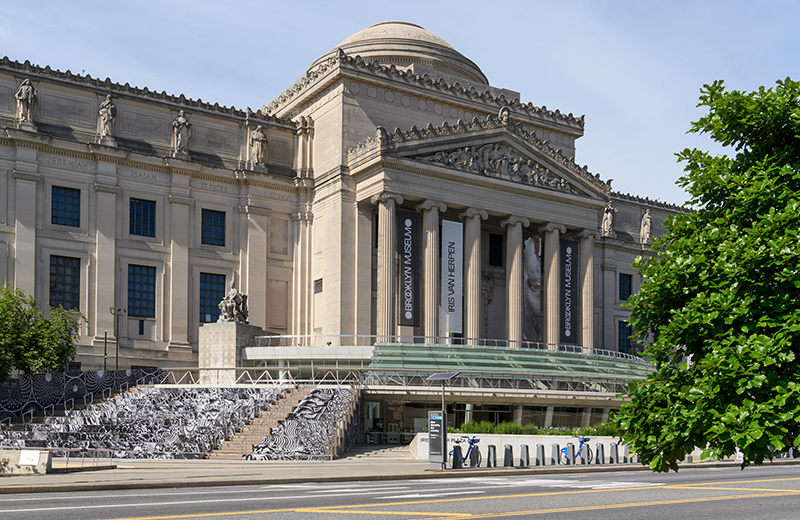
Pictured above: Exterior of the Brooklyn Museum (Courtesy of Brooklyn Museum: photo: Paula Abreu Pita)
"This administration is putting every square inch of this city to work in our green transition," said Deputy Mayor for Operations Julia Kerson. "The $48 million energy efficiency project at Brooklyn Museum will transform a century-old building into a modern example of our sustainable future. By reducing emissions and improving efficiency, this project is good for our environment, good for our health, and good for our city and all who call it home."
“The coming energy efficiency upgrades at the Brooklyn Museum are a major step forward for this iconic institution, representative of our efforts to set the standard for sustainable facility practices across the city,” said DCAS Commissioner Yume Kitasei. “Through transformative projects like these at cultural landmarks across the city, we are committed to investing in energy-efficient and resilient facilities, a critical component of a greener, clearer environment for New Yorkers.
“We’re thrilled to partner with DCAS and the New York Power Authority on this transformative project, which greatly advances the museum's green energy commitments and represents a major investment in the Brooklyn Museum’s future,” says Anne Pasternak, Shelby White and Leon Levy Director, Brooklyn Museum. “Renewable energy systems will reduce our environmental footprint and ensure our historic building can continue to serve as a vibrant, sustainable space for art and community for generations to come.”
“The New York Power Authority is proud to join with Brooklyn Museum and DCAS to modernize building systems and energy infrastructure at one of New York City’s most celebrated cultural institutions,” said NYPA President and CEO Justin E. Driscoll. “By increasing energy efficiency and integrating on-site renewable power, we are creating a living demonstration of how historic buildings can become thriving, contemporary examples of sustainability.”
As part of the project, a new comprehensive carport solar array outside the museum's 19th-century building at 200 Eastern Parkway will be installed to generate clean energy year-round and offer shaded parking spaces, enhancing the functionality of the parking area between the Brooklyn Botanic Garden and the Brooklyn Museum. The construction of this system will enable real-time tracking of energy production and usage, offering valuable insights for energy management and sustainability reporting.
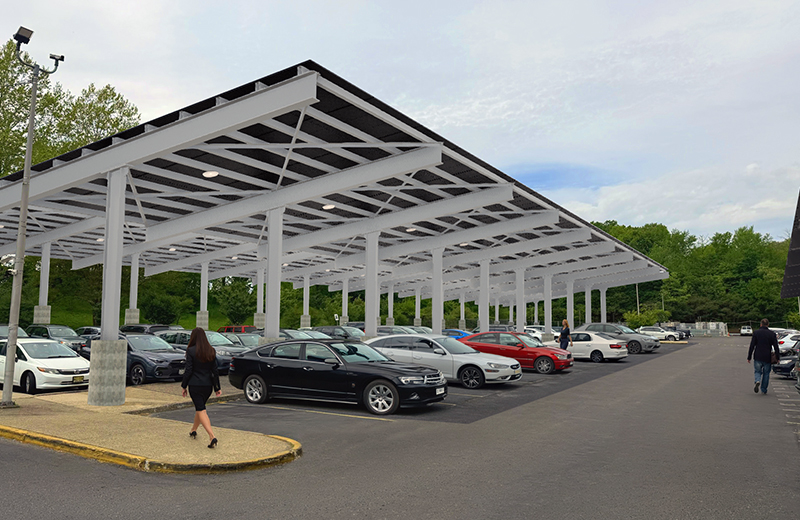
Pictured above: Rendering of the upcoming solar array over the museum’s existing carport (Courtesy of Ramboll)
The project also includes a new hot water plant featuring an electrified heat recovery chiller and high-efficiency gas-fired condensing boilers. By utilizing heat recovery, this system will transfer excess heat from cooling processes to areas requiring heating, reducing the need for direct heat generation and significantly enhancing energy efficiency. The project aims to optimize energy use and lower operational costs.
In addition, the installation of a new electric humidification system will help address fluctuations in humidity in the galleries, an important part of collection care and maintaining a safe environment for the preservation of artworks.
“Too often, conversations about cultural institutions focus on programming and exhibitions without acknowledging the investments required to sustain the buildings and systems that make that work possible. Projects like this recognize that infrastructure, maintenance, and long-term planning are not separate from an institution’s mission, they are what allow that mission to continue,” said New York City Council Deputy Speaker Nantasha Williams, chair, Committee on Cultural Affairs, Libraries and International Relations. “Supporting cultural institutions means thinking beyond annual funding conversations and investing in their long-term sustainability. Modernizing critical building systems, reducing energy consumption, and improving operational efficiency helps ensure institutions can dedicate more resources to serving the public, preserving collections, and expanding access to educational and cultural programming. This investment reflects the kind of stewardship our cultural sector needs: planning not just for today’s audiences, but for the generations of New Yorkers who will rely on these institutions in the future. I commend DCAS, NYPA, and the Brooklyn Museum for advancing a project that recognizes sustainability as both an environmental responsibility and an institutional one.”
"By integrating renewable energy and modern building systems at the Brooklyn Museum, we are reducing emissions, building a higher-performing public space for the hundreds of thousands of people who visit the museum every year, and helping set a new standard for sustainable operations across the city,” said New York City Chief Climate Officer Louise Yeung. “Projects like this show what climate leadership looks like in practice: investing in cleaner, more efficient public infrastructure while preserving the cultural institutions that bring New Yorkers together."
"Projects like this are exactly the kind of strategic investment DCAS is proud to support," said Acting Deputy Commissioner of Energy Management Brian Chang. "This project tackles many building systems at once, utilizing our full stack of expertise and partnerships — from solar generation and a modernized building management system to the electrification of a humidification system and the full conversion of an aging steam plant to high-efficiency hot water. We are thrilled to be working with the Brooklyn Museum and NYPA to implement this retrofit, ensuring that one of Brooklyn’s most celebrated cultural institutions can operate efficiently, preserve its collections, and be optimized for visitors’ comfort.”
DCAS leads a large portfolio of energy efficiency projects with partner agencies that are critical to the city’s overall decarbonization progress. Most recently, the agency announced the completion of a $2.5 million project at the Museum of Moving Image to replace the museum’s chiller, a critical investment to reduce energy costs and improve cooling regulation. Other recent projects include a $7 million electric chiller installation at the Fashion Institute of Technology, a $17 million heating cogeneration plant upgrade at the Bronx Zoo, and over 30 different projects at The Metropolitan Museum of Art which have reduced emissions by approximately 6,700 MTCO2e, the equivalent of removing approximately 1,500 cars from the road and saving $2.67 million in annual energy costs. This includes a recent $25 million energy efficiency lighting upgrade at the museum, which will install nearly 20,000 LED fixtures and replace 16 comprehensive lighting control systems across hundreds of the museum’s galleries.
In December 2025, DCAS announced that the city had achieved its lowest greenhouse gas emissions in 20 years, reducing emissions from government operations by 31% since 2006 while cutting building energy use by 16%. DCAS' progress — significantly outpacing private sector decarbonization — is driven by a comprehensive, buildings-focused strategy alongside expanded clean energy deployment, improved energy management, and fleet and infrastructure upgrades. As a result, the city is on track to exceed its legally mandated goal of a 50% emissions reduction by 2030, demonstrating how sustainable, efficient government operations can both combat climate change and strengthen service delivery for New Yorkers.
About the NYC Department of Citywide Administrative Services
The NYC Department of Citywide Administrative Services (DCAS) makes city government work for all New Yorkers. Our commitment to equity, effectiveness, and sustainability guides our work providing City agencies with the resources and support needed to succeed, including:
- Recruiting, hiring, and training City employees.
- Managing 56 public buildings.
- Acquiring, selling, and leasing City property.
- Purchasing over $1 billion in goods and services for City agencies.
- Overseeing the greenest municipal vehicle fleet in the country.
- Leading the City’s efforts to reduce carbon emissions from government operations.
Learn more about DCAS by visiting nyc.gov/dcas and by following us on X, Instagram, Facebook, LinkedIn, and listening to the Inside Citywide podcast.
About the Brooklyn Museum
For 200 years, the Brooklyn Museum has been recognized as a trailblazer. Through a vast array of exhibitions, public programs, and community-centered initiatives, it continues to broaden the narratives of art, uplift a multitude of voices, and center creative expression within important dialogues of the day. Housed in a landmark building in the heart of Brooklyn, the Museum is home to an astounding encyclopedic collection of more than 140,000 objects representing cultures worldwide and over 6,000 years of history — from ancient Egyptian masterpieces to significant American works, to groundbreaking installations presented in the only feminist art center of its kind. As one of the oldest and largest art museums in the country, the Brooklyn Museum remains committed to innovation, creating compelling experiences for its communities and celebrating the power of art to inspire awe, conversation, and joy.
About NYPA
NYPA is the largest state public power organization in the nation, operating 17 generating facilities and more than 1,550 circuit-miles of transmission lines. More than 80 percent of the electricity NYPA produces is clean renewable hydropower. NYPA finances its operations through the sale of bonds and revenues earned in large part through sales of electricity. For more information visit www.nypa.gov and follow us on Twitter, Facebook, Instagram, and LinkedIn.
Contact:
Amina Sarfraz
Communications@dcas.nyc.gov